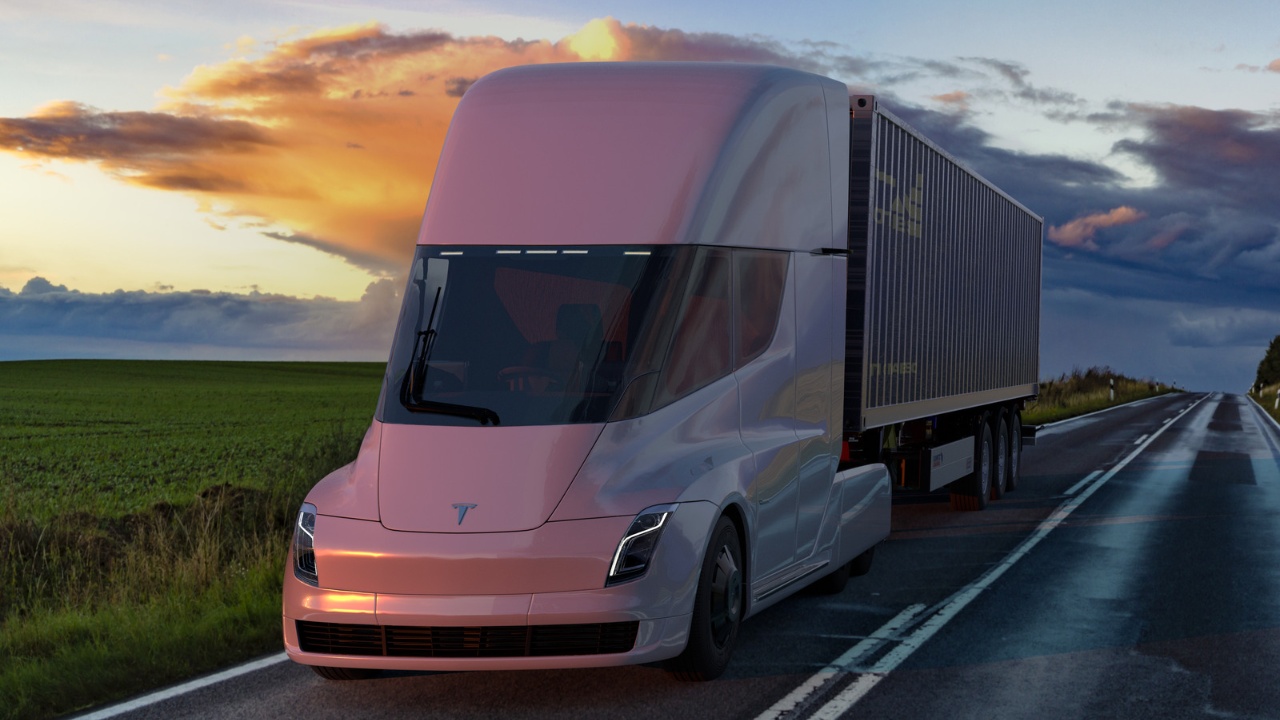
Tesla has moved its long-delayed electric semi truck into a new stage, with customer deliveries now beginning from its dedicated manufacturing facility in Nevada. The milestone arrives nearly nine years after the Class 8 truck was first introduced and gives Tesla a significant opportunity to compete with established heavy-truck manufacturers in the U.S.
According to Reuters, Tesla began deliveries to its first group of customers during the week of September 24, with executives announcing the rollout at the company’s plant in Sparks, Nevada. The event marks an important transition for a program that spent years moving between prototypes, limited deliveries, and production delays.
Tesla first showed the Semi in 2017 and began limited customer deliveries in 2022, when PepsiCo received the first production trucks. The company is now trying to move beyond those early deployments with a dedicated factory designed for much higher output.
The factory’s location also matters because Tesla already produces batteries, powertrains, and other energy products at Gigafactory Nevada. That existing industrial base gives the Semi program access to manufacturing expertise and infrastructure that would be harder to establish at a completely new site.
For Tesla, reaching the planned capacity will be just as important as the truck’s technology. Higher production could help spread development and factory costs across more vehicles and make the economics more attractive to customers.
Tesla says the Nevada facility is planned for an annual capacity of 50,000 semi-trucks. That does not mean Tesla is immediately producing 50,000 units a year. The company has not disclosed a detailed current production rate, making the manufacturing ramp one of the biggest issues to watch.
A Dedicated Factory Gives Tesla a Chance to Scale
Tesla’s Nevada operation is central to the company’s plan. Tesla describes Gigafactory Nevada as the official home of the Semi and says the site is adding its first high-volume Semi factory. Reuters previously reported that the dedicated facility was designed with an annual capacity of 50,000 trucks.
That target would give Tesla a substantial opportunity in the Class 8 market if the company can eventually approach it. But scaling production will require a dependable supply chain, consistent battery availability, and manufacturing processes capable of producing heavy trucks at commercial volumes.
Tesla is instead relying heavily on its experience with electric powertrains and charging technology.
According to Tesla’s current specifications, the Semi Long Range has an estimated range of up to 500 miles, while the Standard Range version is rated at 325 miles. The company says the estimates are based on an 82,000-pound gross combination weight, a 55-mph operation, moderate temperature, and flat terrain.
Tesla estimates energy consumption at 1.7 kWh per mile and lists up to 800 kW of drive power. The Long Range truck’s 500-mile figure is particularly important because long-haul operators cannot afford frequent charging stops.
Another issue is payload. Tesla lists a long-range semi-kerb weight of about 23,000 pounds and an 82,000-pound gross combination weight. For fleet buyers, the amount of useful cargo that can be carried while maintaining range is more important than a headline range figure alone.
Charging speed is the other major part of the equation. Tesla says its Megacharger can provide up to 1.2 megawatts and can recover up to 60% of the Semi’s range in 30 minutes. The company also offers a 120-kW base charger intended for longer depot stops and overnight charging.
Still, the infrastructure has to grow alongside the vehicle fleet. A 1.2-MW charger has limited practical value if suitable electrical capacity and charging locations are unavailable where the truck operates.
Fleet Customers Will Determine Whether the Semi Works
PepsiCo remains one of the most important early customers because it has operated Tesla Semis since the first deliveries in 2022. That experience has allowed Tesla to collect information from trucks working in real commercial conditions.
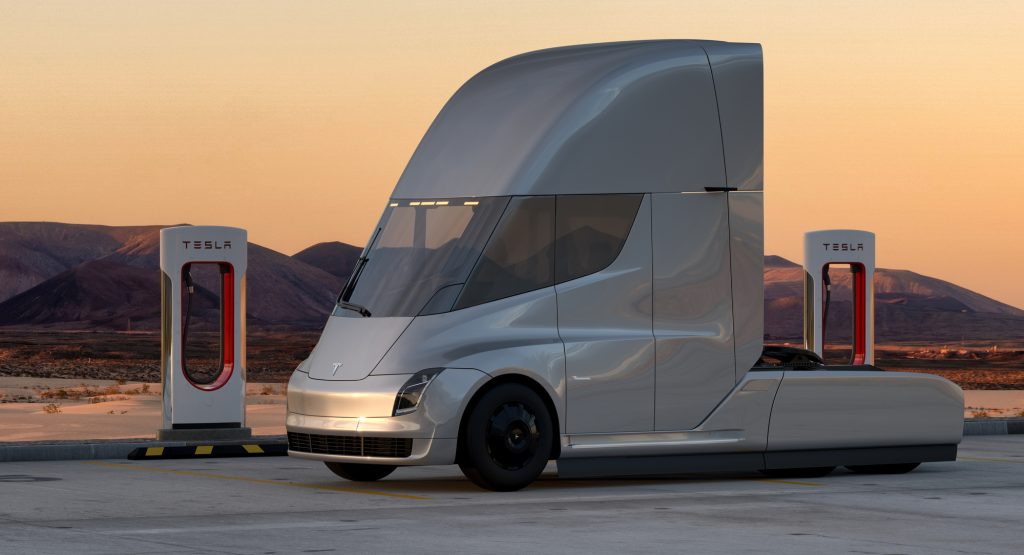
The latest rollout is expected to broaden that customer base. Reuters reported that Tesla is beginning deliveries to a first group of customers, while companies including PepsiCo, DHL, and US Foods have been associated with the Semi program.
Large fleet operators evaluate trucks according to total cost of ownership. A vehicle can have an impressive range, but fleet managers ultimately want to know how much it costs to move freight per mile.
Tesla argues that the Semi can have lower operating costs because electricity can cost less than diesel and electric trucks require less maintenance. The company points to the absence of a conventional diesel engine, transmission, and exhaust system as reasons for reduced maintenance requirements.
But fuel savings are only part of the calculation. Operators must consider the initial truck price, charging installation, electricity rates, battery performance, and the cost of keeping vehicles productive.
Reliability may prove even more important. A freight operator cannot easily tolerate an unexpected service problem. If a truck misses a scheduled route because of a technical issue, the financial consequences can extend beyond the repair itself.
As deliveries increase, the effectiveness of Tesla’s parts and service operation will become easier to judge.
The Production Ramp Is the Real Test
The September deliveries are important, but they are only the beginning of Tesla’s larger challenge.
The company now needs to show that the Nevada facility can move from initial production into sustained volume manufacturing. Tesla has emphasized scale as a way to reduce manufacturing costs, and the Semi will need that scale if it is to compete with established diesel trucks on economics.
The company has not provided enough public information to show how quickly production will increase. That leaves questions about the pace of deliveries, customer pricing, and the timing for reaching the plant’s planned 50,000-unit capacity.
Competition will also increase. Traditional truck manufacturers are developing their own battery-electric Class 8 products, giving fleet buyers more options.
Those manufacturers already understand commercial trucking and have extensive service networks, while Tesla brings advantages through its battery, software, and charging expertise.
The outcome will depend on which combination matters most to customers, particularly when fleets compare trucks over several years of ownership.
Tesla’s Semi has several notable strengths. Its claimed 500-mile range gives it a target suitable for many long-distance applications. Its 1.2-MW charging capability is designed to reduce charging downtime, while the electric powertrain could lower fuel and maintenance expenses under the right operating conditions.
However, real-world results will matter more than company estimates. Fleet operators will be watching range under heavy loads, charging performance, reliability, service response times, and total operating costs. They will also need to determine whether existing routes can be adapted to charging requirements without disrupting schedules.
If Tesla can meet those expectations while steadily increasing production, the Semi could become a meaningful competitor in America’s heavy-truck market.
But scaling a complex heavy vehicle is different from demonstrating a prototype. Commercial customers will not judge the Semi by the excitement surrounding its launch. They will judge it by uptime, operating cost, and the amount of freight it can move reliably.
That is why the September 2026 deliveries represent more than just another Tesla product launch. They mark the moment when the Semi must face the same commercial challenge as other trucks. Its success will ultimately depend on whether it can prove its value to fleet operators.
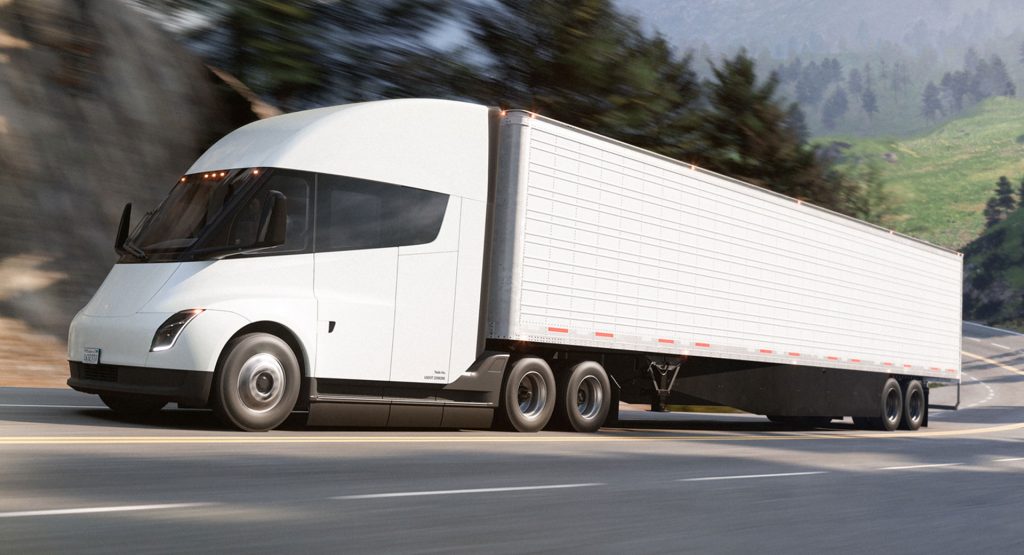
The next few years will determine whether those investments translate into a sustainable business.
If production rises steadily and early customers demonstrate strong economics, Tesla could establish itself in a market far removed from the passenger EV segment that built its reputation.
If production remains limited or fleet operators find the economics difficult, established truck manufacturers will have an easier path to retain their advantage.
For now, Tesla has reached a significant milestone. Nearly nine years after first introducing the Semi, the company is finally delivering the electric truck through a dedicated production operation.
The next challenge is no longer proving that an electric Class 8 truck is possible. It is demonstrating that electric trucking can work at a commercial scale. The next challenge is proving that Tesla can build enough of them, support them properly, and make them profitable tools for the companies that depend on American freight transportation.