
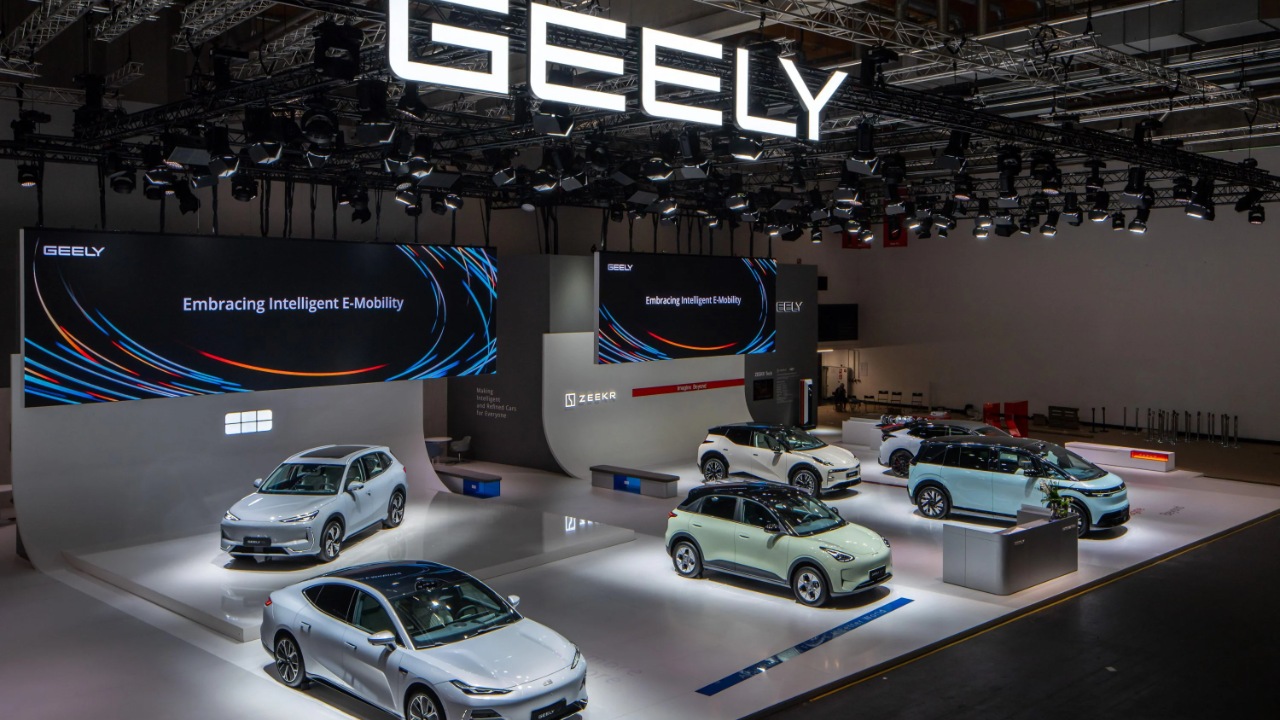
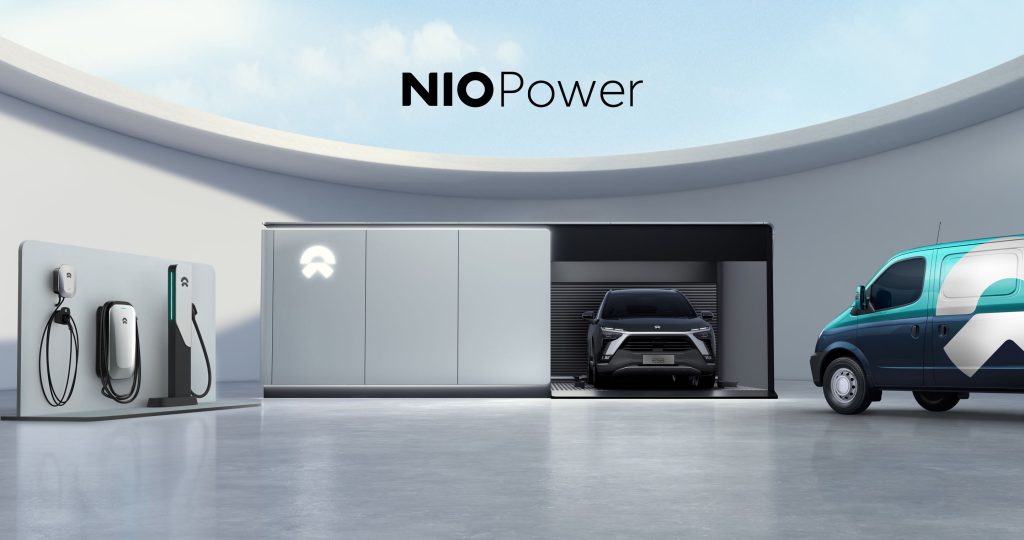
Geely is set to acquire a 30% stake in Nio Power, creating a closer partnership between two major Chinese electric vehicle companies around one of the industry’s most distinctive technologies, battery swapping.
The proposed investment would give Geely a direct interest in Nio’s battery-swapping and charging infrastructure business while potentially allowing the two companies to work more closely on compatible systems.
Instead of waiting for an EV battery to recharge, drivers can replace a depleted battery with a charged one in minutes, making the process closer to refueling a conventional gasoline vehicle.
The deal is significant because battery swapping has struggled to gain the same international momentum as conventional fast charging. Nio, however, has spent years building a dedicated network in China and expanding the technology in selected overseas markets.
Geely’s involvement could provide additional scale and help turn a system developed around one automaker’s vehicles into a broader platform.
For Geely, the investment also fits a larger strategy of expanding beyond vehicle manufacturing. The company has been developing multiple EV brands and technologies while competing aggressively in China’s rapidly changing automotive market.
A closer relationship with Nio could give Geely access to an established swapping network without having to develop an entirely separate infrastructure system.
Why Battery Swapping Is Becoming Important Again
Charging speed remains one of the biggest concerns for electric-vehicle customers. Even the fastest charging systems require a vehicle to remain connected to a charger for several minutes, while slower systems can take considerably longer. Battery swapping approaches the problem differently.
Instead of transferring electricity into the vehicle’s existing battery, a swapping station removes the depleted pack and installs another battery that has already been charged. The vehicle leaves with a full battery while the removed pack is recharged separately.
Nio has made this concept central to its EV strategy. Its Power business operates battery-swap stations, charging facilities, and related energy services. The company has continued expanding the technology even as ultra-fast charging has improved.
The potential advantage is particularly obvious for drivers who cannot easily install home chargers or who regularly travel long distances.
Battery swapping can also help drivers avoid long waits at busy charging stations. The technology comes with a significant drawback, however, because building and maintaining a network of swap stations requires substantial investment.
A conventional fast-charging station needs chargers, grid connections, and space for vehicles. A battery-swapping station needs all of that infrastructure plus an inventory of replacement batteries and automated equipment capable of removing and installing them.
That means the economics become much more attractive when many vehicles use the same system. This is where Geely’s proposed investment could become important.
If Geely and Nio can develop greater compatibility between their vehicles and batteries, the same swapping network could potentially serve a much larger customer base.
That could improve station utilization and make the infrastructure easier to justify financially. The concept is similar to creating a shared fuel network, except that the “fuel” is a standardized or compatible battery pack.
Geely and Nio Could Create a Larger Ecosystem
Nio has already invested heavily in battery swapping, but the technology has traditionally been closely associated with Nio vehicles. Geely’s involvement could change that equation.
Geely controls a broad collection of automotive brands and businesses, giving it access to a much larger potential customer base. The company has ownership or significant interests across brands, including Volvo Cars, Polestar, Zeekr, and Lotus, alongside its core Geely Auto operations.
Not every Geely vehicle would necessarily become compatible with Nio’s system, but the scale of the wider group gives the partnership considerable potential.
The immediate objective is likely to establish closer cooperation around battery swapping rather than simply provide Nio with another financial investor.
A 30% stake is large enough to make Geely an important partner while leaving Nio with majority control of Nio Power.
That structure could allow both companies to coordinate investment and technical development while retaining their separate vehicle businesses.
The partnership also arrives as Chinese automakers increasingly recognize that competition is no longer limited to vehicle prices and specifications.
Charging networks, software, batteries, and energy services are becoming important parts of the ownership experience.
A company that controls more of that ecosystem can potentially create stronger customer relationships.
Nio has already pursued this strategy through its combination of vehicles, battery subscriptions, charging services, and swapping stations.
Geely could now gain a stronger position in that ecosystem without having to build a competing network from scratch.
The partnership could also help tackle one of the biggest obstacles facing battery swapping, the lack of standardized systems.
Different manufacturers use different battery dimensions, connection systems, software, and mounting arrangements. A swapping network becomes far more valuable if multiple models can use the same infrastructure.
Developing common standards is therefore essential if battery swapping is to expand beyond individual brands.
Geely and Nio could use their combined market influence to push that process forward. Could Battery Swapping Become a Serious Alternative to Fast Charging?
The biggest question is whether battery swapping can move from a successful niche into a mainstream EV technology.
China is the world’s largest electric-vehicle market and provides the best environment for testing that possibility. High EV sales, dense urban populations, and strong competition between manufacturers make China particularly suitable for large-scale infrastructure experiments.
Nio has demonstrated that customers will use battery swapping when stations are available. The company has continued expanding its network while also improving the technology behind its newer-generation stations.
But battery swapping still faces several structural challenges. First is cost. Building and operating swapping stations requires significant capital. Operators also need to maintain inventories of batteries, which ties up money in physical assets.
Second is battery standardization. If every manufacturer uses different battery designs, a station cannot easily serve multiple brands. Third is battery ownership.
With conventional EVs, the battery is permanently attached to the vehicle. In a swapping model, the battery can effectively become part of an energy-service network.
Nio has experimented with battery-subscription models that allow customers to pay separately for battery access. That approach can reduce the upfront price of an EV while allowing the company to manage batteries as shared assets.
Geely could help bring the concept to a much larger customer base. There is also a potential advantage for battery technology.
If compatible batteries can be swapped between vehicles, manufacturers could eventually upgrade battery technology without requiring customers to replace their entire vehicles. Older vehicles could potentially receive newer battery packs if compatibility is maintained.
That possibility could extend vehicle lifetimes and create additional business opportunities around battery leasing and energy services. However, none of those benefits is guaranteed.
Fast charging continues to improve rapidly, with some Chinese manufacturers already advertising charging systems capable of adding hundreds of miles of range in very short periods. If charging becomes fast enough and widespread enough, consumers may decide that swapping is unnecessary.
This puts Geely and Nio in competition with two distinct approaches. They must contend with conventional charging networks as well as other companies developing their own battery-swapping systems.
The proposed investment nevertheless gives both companies a stronger position. For Nio, Geely brings additional capital, manufacturing expertise, and access to a huge automotive ecosystem.
For Geely, Nio provides years of experience operating a dedicated swapping network and refining the technology. The partnership could also encourage other Chinese automakers to participate.
If Geely and Nio establish compatible systems that work across multiple brands, competitors may eventually have to decide whether to join an emerging standard or develop their own.
That could accelerate consolidation around common battery formats. The consequences could extend beyond China as well.
European markets have already seen Nio introduce battery swapping, although the network remains much smaller than its Chinese operation. A larger partnership could eventually make international expansion more practical if compatible Geely and Nio vehicles enter the same markets.
For now, however, the most important development is the creation of a potentially broader Chinese battery-swapping ecosystem.
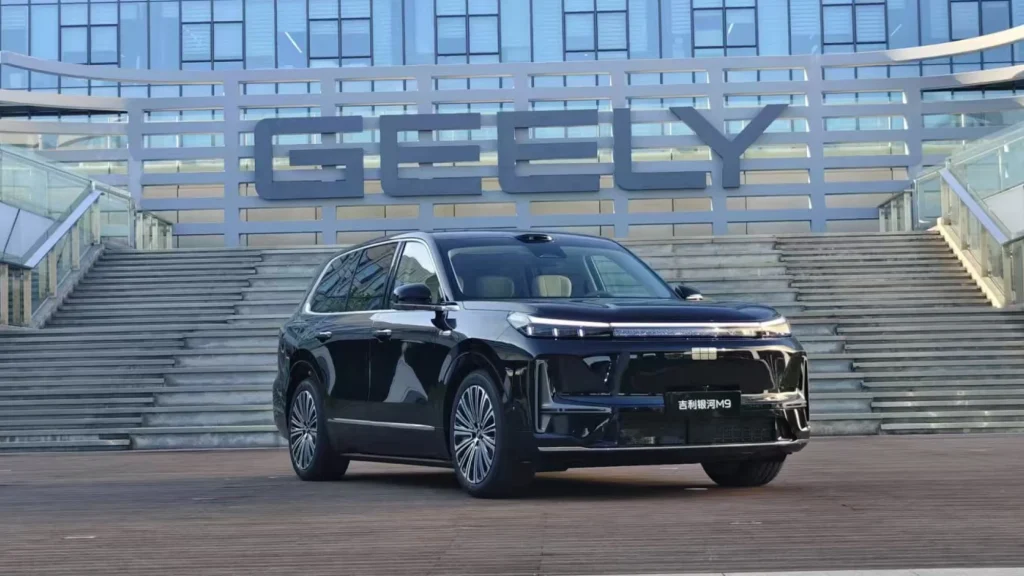
The proposed 30% investment in Nio Power gives Geely a meaningful stake in infrastructure that could become increasingly important as EV ownership evolves.
The deal does not guarantee that battery swapping will replace fast charging. It does, however, bring together two companies with complementary strengths and creates a stronger foundation for shared infrastructure.
If Geely and Nio succeed in making their systems more compatible, battery swapping could move closer to becoming an industry-wide service rather than a technology associated primarily with one brand.
That would be a major development for China’s EV industry and could eventually influence how electric vehicles are charged, serviced, and owned in other markets.
