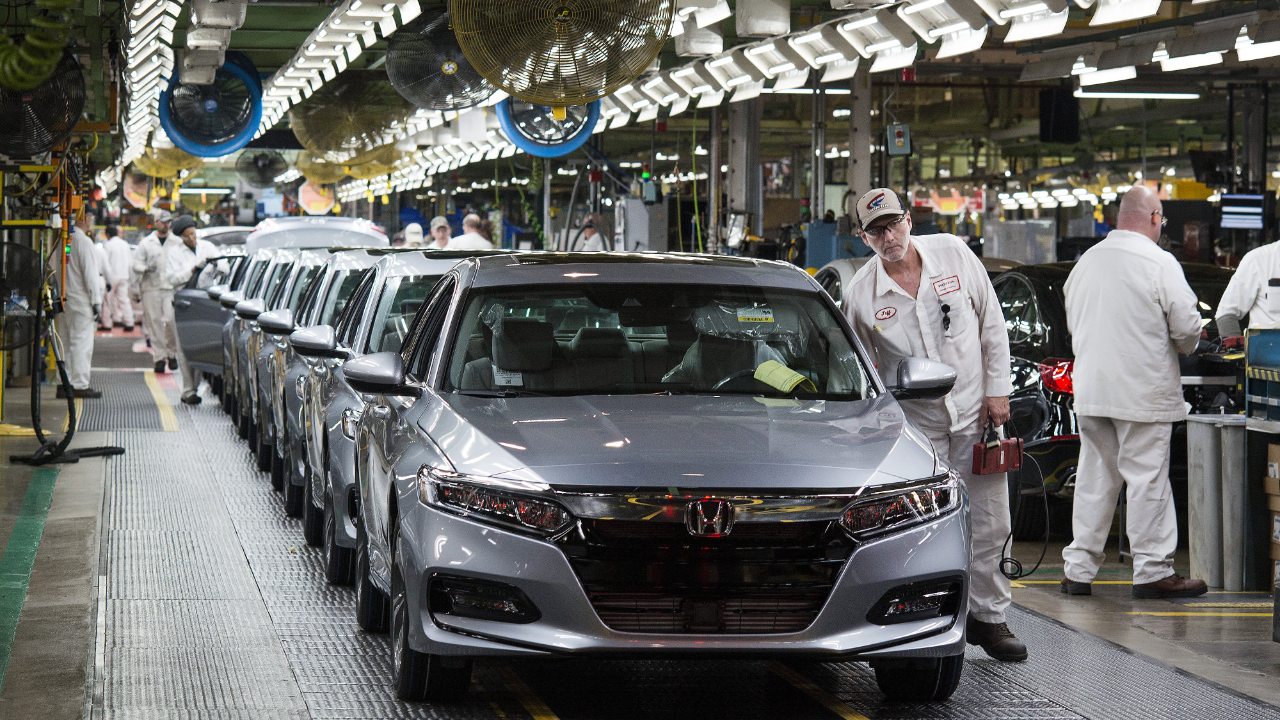
Japanese automakers could face a major shift in how they build and source electric vehicles in Europe if the European Union moves ahead with proposed “Made in Europe” rules.
The plan would favor EVs assembled inside the EU and containing a high share of European-made components when governments distribute subsidies, tax advantages, and other forms of public support.
The proposal is part of the EU’s Industrial Accelerator Act, designed to strengthen European manufacturing and reduce dependence on overseas supply chains. Under the version now being discussed, an EV could need final assembly in the EU and at least 70% of its component value, excluding the battery, to originate within the EU.
The European Commission has already proposed “Made in EU” requirements for public procurement and support programs, although the legislation still needs approval from EU governments and the European Parliament.
For Japanese automakers, the timing is uncomfortable. Toyota, Nissan, Honda, and Mazda have established businesses in Europe, but a large portion of their battery-electric vehicles sold in the region are currently produced outside the EU.
If imported EVs lose access to important incentives, companies may have to reconsider where those vehicles are assembled and where their components are sourced.
Europe Wants the EV Transition to Create Local Industry
Brussels has a clear reason for pushing the policy. Europe wants the move from combustion engines to electric power to strengthen its industrial base rather than increase dependence on foreign manufacturers.
Chinese companies are at the center of that concern. China has built enormous capacity in batteries, electric drivetrains, and EV production, giving its manufacturers cost and supply-chain advantages. European policymakers increasingly want more of the economic value from the EV transition to remain within Europe.
The European Commission’s Industrial Accelerator Act, proposed in March 2026, aims to increase demand for European-made low-carbon technologies through public procurement and public support programs. The Commission says the initiative is intended to boost manufacturing, create jobs, and strengthen supply chain resilience.
The proposed automotive requirements fit into that strategy. The EU is not necessarily preventing companies from importing vehicles. Instead, it can make locally produced vehicles more attractive by linking financial benefits to European production and sourcing.
A vehicle built in Japan and shipped to Europe could still be sold if it meets normal regulatory requirements. But if it fails the local-content test, it could lose access to incentives available to a qualifying vehicle. For fleet buyers, tax treatment could also become important because company-car purchases and leases account for a large share of European new-car demand.
The European Commission’s own analysis says the proposed framework would require EU final assembly and 70% EU component content, excluding batteries, for certain small-EV compliance credits and for corporate vehicles to qualify for tax incentives and public procurement schemes. That makes the rule commercially important even without an outright import restriction.
Japanese Automakers Have Different Levels of Exposure
Toyota is likely to face one of the most interesting strategic calculations. The company has a large European manufacturing network and extensive experience building vehicles locally. However, Toyota has been more cautious about battery-electric vehicles than some competitors and has relied heavily on hybrids as its main electrification technology.
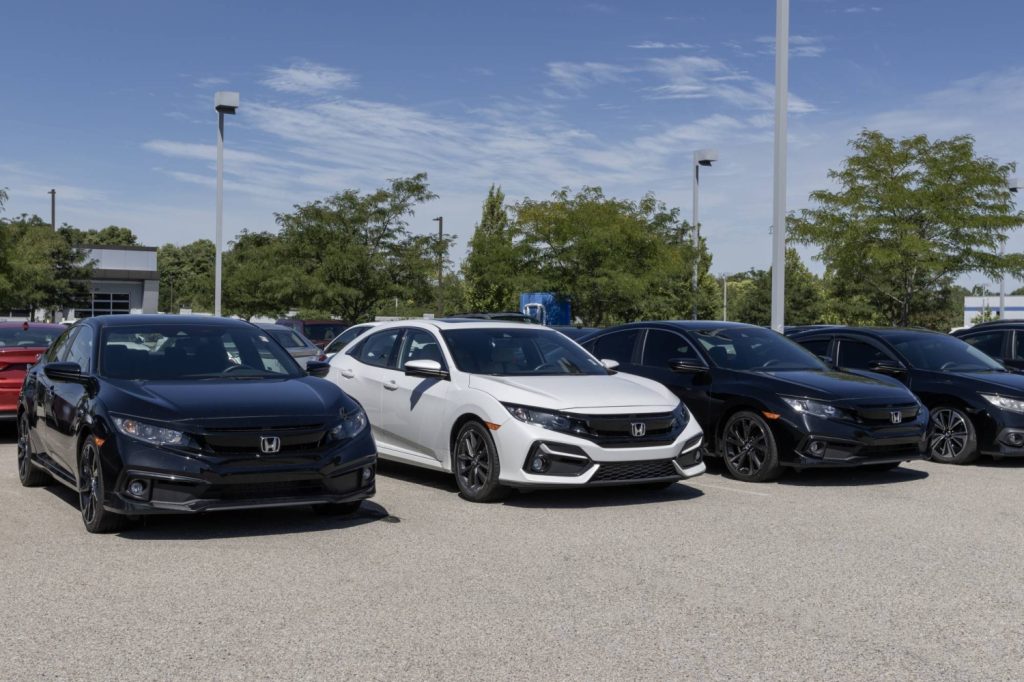
If European incentives increasingly favor locally assembled BEVs, Toyota could have to accelerate its European EV strategy.
That does not necessarily mean constructing an entirely new vehicle factory. Existing facilities could be adapted, while battery and component partnerships could help raise the European content of future models.
Nissan starts from a somewhat stronger manufacturing position. Its Sunderland operation in the United Kingdom is one of the major automotive plants serving the European market, and the company has been developing a broader EV and battery strategy around the site.
But Brexit creates an important complication. The United Kingdom is no longer part of the EU, so a vehicle assembled there would not automatically satisfy an EU-localization requirement. The final legislation’s definition of qualifying European production will therefore matter enormously to Nissan.
Honda and Mazda could face different challenges because their European manufacturing footprints are smaller.
Honda has been reshaping its global EV strategy and could need to determine whether additional European production is justified if imported electric models become less competitive under the new system.
Mazda has traditionally operated with a smaller European production base, meaning it could face a harder calculation. Building or heavily localizing production for a relatively small EV volume may not make economic sense.
Japanese government and auto-industry representatives are lobbying European lawmakers for an exemption, arguing that Japan is a trusted economic partner with an EU-Japan Economic Partnership Agreement.
The concern is that Japanese EVs could be treated like vehicles from countries with different trade relationships, despite Japan’s established investment and industrial links with Europe.
Batteries Could Still Be the Bigger Localization Challenge
Although the proposed 70% figure is described around vehicle components excluding batteries, battery supply remains central to the wider European strategy.
The EU is investing heavily in battery manufacturing because batteries represent one of the most strategically important parts of an electric vehicle. European automakers and suppliers are developing factories and joint ventures across the region, while policymakers want to reduce dependence on imported cells and materials.
For Japanese automakers, that could mean that simply assembling a vehicle in Europe will not be enough to create a truly localized EV business.
They may need European suppliers for electric motors, power electronics, and other components, while also securing battery supply from factories within or closely connected to the European market.
European production can be more expensive than manufacturing in countries with larger EV volumes and deeply integrated battery supply chains. Automakers may have to choose between absorbing higher costs, raising prices, or investing heavily in automation and scale.
The EU is therefore trying to strike a balance between supporting its automotive industry and keeping EVs affordable enough to encourage consumers to move away from combustion-powered vehicles. At the same time, the policy could create new opportunities for European suppliers.
If Japanese, Korean, American, and other global manufacturers need to increase local content, demand for European-made battery systems, motors, electronics, and other parts could rise. That could encourage new factories and help existing suppliers transition away from components designed for gasoline and diesel vehicles.
The policy could also influence product planning, with manufacturers increasingly designing European EVs around local supply chains from the beginning.
A Decision That Could Reshape Japanese EV Production
The proposal is not yet final, and the precise definition of “Made in Europe” remains politically contested. France favors a stricter EU-only approach, while Germany and several other countries have supported a broader concept that could include trusted partners such as Japan, the United Kingdom, Canada, and Turkey.
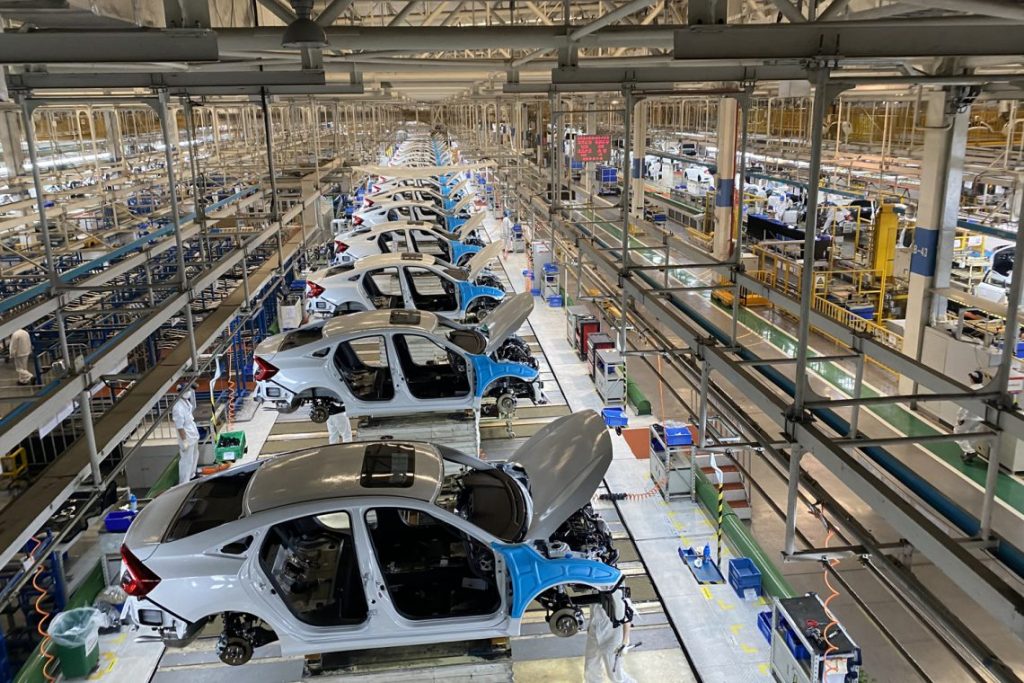
That debate could be particularly important for Japanese manufacturers. If Japan receives favorable treatment, companies may have more flexibility to continue using existing Asian production networks while gradually increasing European sourcing.
If the rules are applied strictly to EU production, Japanese automakers could face much stronger pressure to invest locally.
The policy could ultimately produce more European-made Japanese EVs, more battery partnerships, and deeper relationships with European suppliers.
The policy direction from Brussels is becoming increasingly clear. Europe wants the shift to electric vehicles to support and expand its domestic industrial base. Japanese automakers will therefore need to consider how extensively they are prepared to localize production and supply chains as they compete in the European market.
If the proposed rules survive largely intact, localization could stop being simply a long-term manufacturing preference and become a central requirement for selling competitive electric vehicles in Europe.