
A proposed U.S. law designed to keep Chinese automakers out of the American market has created an unexpected problem for Mercedes-Benz.
The German luxury automaker is not a Chinese manufacturer, but Chinese investors collectively hold nearly 20% of the company. That is above the 15% ownership threshold included in a Senate bill targeting automakers with significant Chinese ownership.
The issue has become serious enough that lawmakers are discussing changes to make sure Mercedes-Benz can continue selling vehicles in the United States.
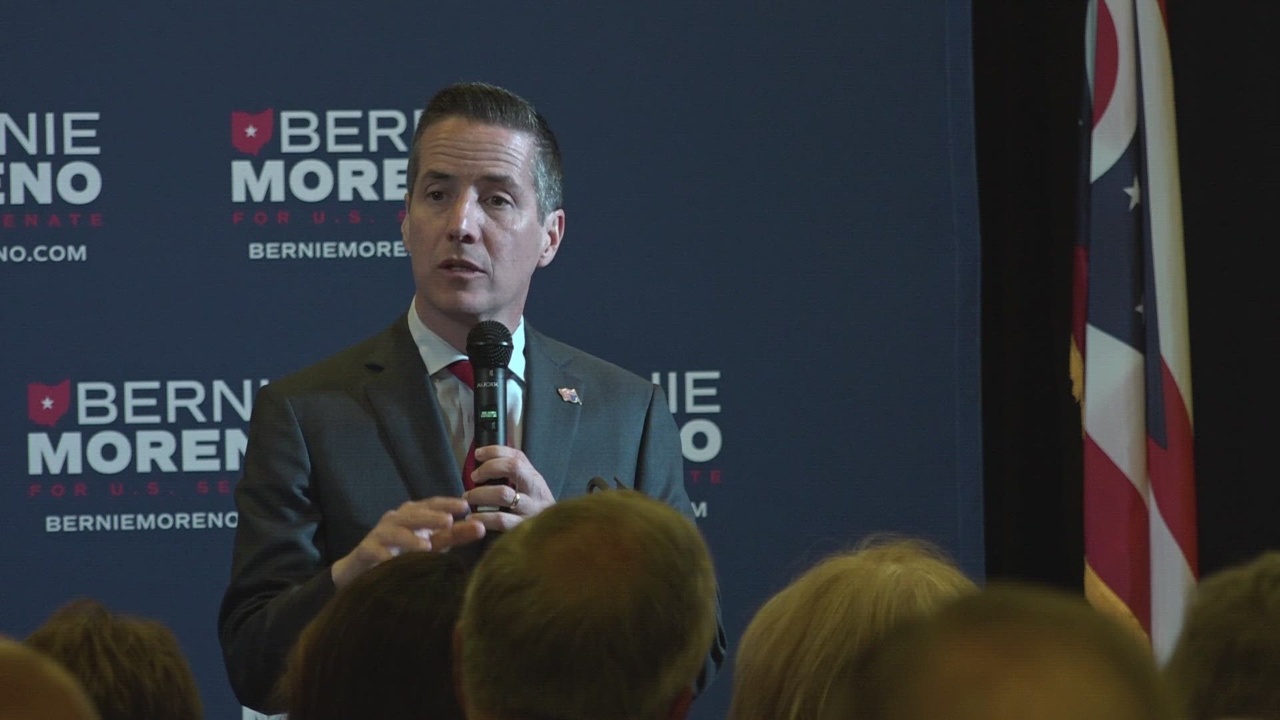
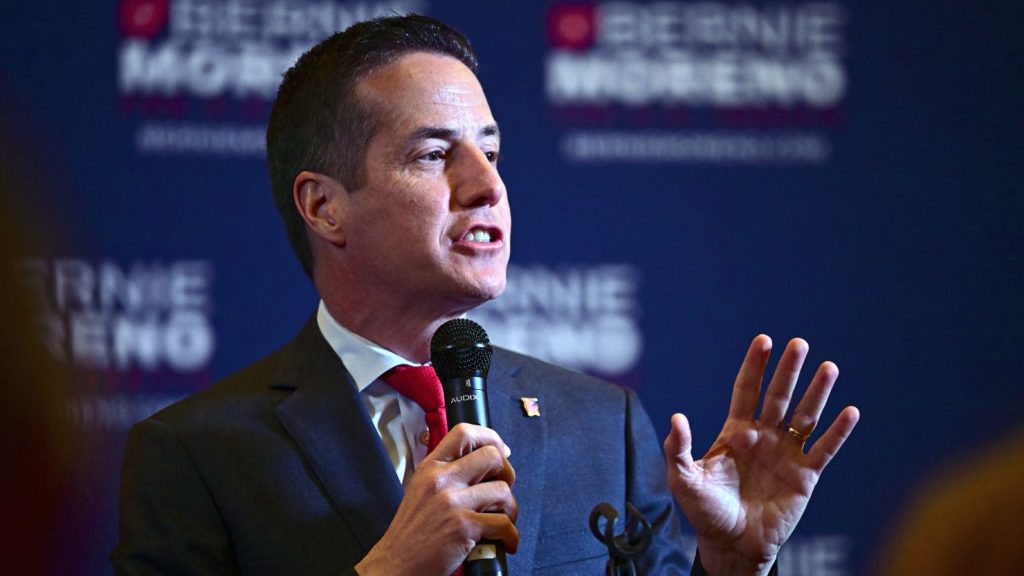
Reuters reported on September 29 that Republican Senator Bernie Moreno, a sponsor of the legislation, said negotiations were continuing and that lawmakers did not intend to ban Mercedes-Benz from the American market.
The bill has not become law, so Mercedes-Benz is not currently facing a U.S. sales ban. But the unusual situation has exposed the difficulty of writing rules aimed at Chinese automotive influence when global automakers have shareholders from many countries.
Why Mercedes-Benz Is Caught by the Bill
The legislation is part of a bipartisan effort to permanently restrict Chinese vehicles in the United States. The Senate Commerce Committee approved the bill in July. Its ownership provision would prevent companies with more than 15% ownership by Chinese entities from selling vehicles in the U.S.
Mercedes-Benz is the clearest example. The company is headquartered in Stuttgart and operates as a German automaker. It also has a substantial manufacturing presence in the United States, including major production operations in Alabama and South Carolina.
Yet Chinese investors hold nearly one-fifth of Mercedes-Benz, according to Reuters. The ownership is considered passive, meaning those investors do not turn Mercedes-Benz into a Chinese automaker or automatically give them operational control over the company.
That distinction is at the center of the political debate. Lawmakers therefore have to decide whether the bill should continue using a strict ownership threshold or introduce a different test based on control, influence, or the nature of the investment.
Senator Ted Cruz, chairman of the Senate Commerce Committee, previously warned that the 15% provision could prevent the legislation from becoming law because of its effect on Mercedes-Benz. Moreno has said affected companies would have time to comply and could potentially use a waiver process.
The Bigger U.S. Push Against Chinese Automakers
The Mercedes-Benz dispute is part of Washington’s larger effort to restrict Chinese involvement in the American automotive industry.
The United States has become increasingly concerned about security risks associated with connected vehicles. Modern vehicles collect information through cameras, sensors, navigation systems, smartphones, and other connected technologies. U.S. officials have argued that vehicles linked to foreign adversaries could create data security or national security risks.
The Biden administration introduced restrictions in early 2025 that effectively prevented Chinese automakers from selling or building passenger vehicles in the United States under rules addressing connected-vehicle technology and sensitive data. The United States also maintains tariffs exceeding 100% on Chinese electric vehicles.
The proposed Senate bill would make those restrictions permanent through federal law. Supporters argue that the measure is necessary to protect American manufacturing and prevent Chinese automakers from entering the U.S. market with vehicles that could be sold at highly competitive prices.
Chinese companies have become formidable competitors in electric vehicles. Brands such as BYD, Geely, and SAIC have expanded rapidly outside China, particularly in Europe, where their combination of pricing, technology, and fast product development has created increasing pressure on established manufacturers.
The Senate bill has therefore gained significant bipartisan support. Reuters reported that it had backing from 51 senators, while the House version had more than 100 co-sponsors.
However, Senator Rand Paul has opposed the effort to fast-track the legislation, delaying an attempt to move the measure through the Senate quickly. That delay has given lawmakers additional time to address the Mercedes-Benz problem.
The Mercedes-Benz situation demonstrates that ownership and nationality are not always the same thing. Global automakers have shareholders from many countries, operate factories across continents, and increasingly depend on international investment.
If ownership alone becomes the deciding factor, other established brands could face similar complications.
Volvo Cars, Aston Martin, and Lotus have also been mentioned in discussions because of their relationships with Chinese-owned Geely. Reuters reported that lawmakers are considering how the legislation could affect companies with significant Chinese investment beyond Mercedes-Benz.
What Could Happen to Mercedes-Benz?
The most obvious solution would be to change the ownership provision so passive minority investments do not automatically trigger a sales restriction.
Another option could involve a waiver system that allows companies to remain above the threshold when Chinese investors do not exercise control over the automaker.
A third possibility would be to give affected companies until 2030 to reduce qualifying ownership, a timeline Moreno has previously discussed.
A strict ownership limit is simple and gives regulators an objective number. But it can capture companies that are not actually controlled by Chinese interests.
For Mercedes-Benz, the outcome matters because the United States is an important market. The company sells sedans, SUVs, electric vehicles, and performance models to American customers, while its U.S. manufacturing operations produce vehicles for domestic and international markets.
That is why Moreno’s latest comments are significant. He has acknowledged that lawmakers do not want to force Mercedes-Benz into a damaging restructuring merely to comply with legislation intended to target Chinese automakers.
The goal is to prevent Chinese companies from establishing a foothold in the U.S. market, not to remove German, Japanese, Korean, or other foreign manufacturers that happen to have Chinese investors.
The issue is particularly relevant because Mercedes-Benz has invested heavily in the United States.
Its Alabama operation in Tuscaloosa is a major SUV manufacturing center, while the company also has operations in South Carolina. These facilities contribute to the American manufacturing base that the proposed legislation is intended to protect.
A U.S. ban on Mercedes-Benz could therefore create an unexpected situation. A policy intended to protect American auto manufacturing could end up restricting a foreign automaker that already builds vehicles and employs workers within the United States.
The Road Ahead
For now, Mercedes-Benz customers do not need to change their buying plans. The Senate bill has not become law, and lawmakers are actively discussing changes that would prevent the German automaker from being caught by the ownership provision.
The immediate challenge is finding language that protects companies such as Mercedes-Benz without creating an opening for Chinese automakers to avoid the intended restrictions.
The issue also comes at a complicated time for the global automotive industry. Automakers are increasingly dependent on international capital, suppliers, and manufacturing networks, while governments are becoming more focused on economic security and reducing exposure to China.
Mercedes-Benz is an example of what happens when a global corporate structure meets a law built around national ownership. The company remains German in headquarters, management, and brand identity, yet its shareholder structure gives Chinese investors a stake large enough to trigger concern under the proposed legislation.
Congress now has to decide whether that ownership percentage should be enough to determine access to the U.S. market.
The latest comments from Moreno suggest lawmakers do not want Mercedes-Benz to become collateral damage from the effort to restrict Chinese automotive influence.
But until the language is changed and the bill advances through both chambers of Congress, the issue remains unresolved. What is already clear is that the debate will influence more than Mercedes-Benz.
It could establish how the United States treats international automakers with Chinese shareholders for years to come. A rule based strictly on ownership could affect other global brands, while a more nuanced system could allow Washington to distinguish between passive investment and actual control.
For Mercedes-Benz, the immediate priority is clear. The company needs to maintain its ability to sell vehicles in the U.S. market.
For Congress, the harder task is creating a Chinese-vehicle restriction that achieves its national-security and industrial-policy goals without unintentionally targeting the global companies it never intended to ban.
