
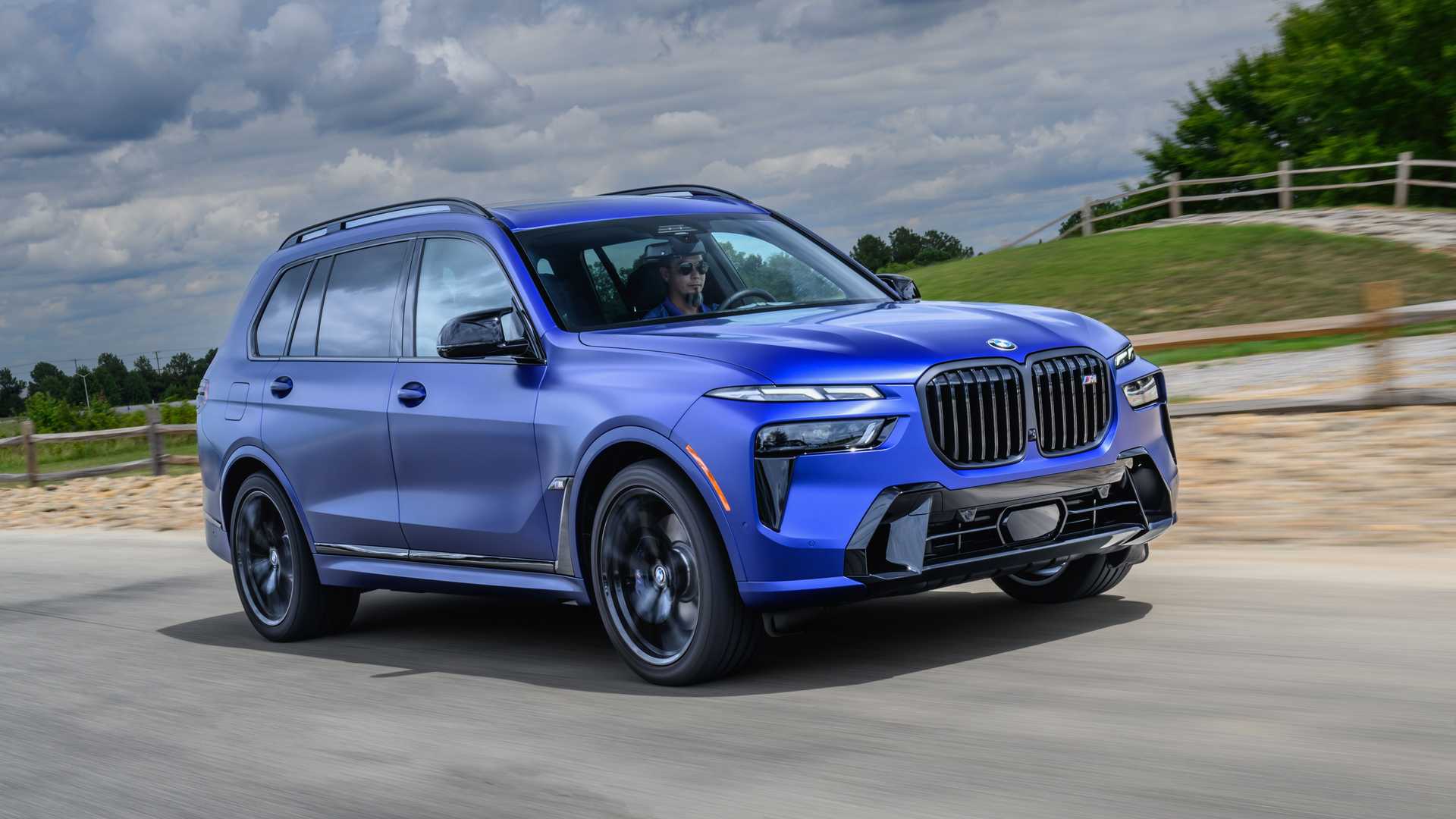
BMW is embarking on one of the most significant strategic reorganizations of its recent history as the German luxury automaker attempts to restore profitability, simplify its operations, and strengthen its position against increasingly aggressive global competition.
At its 2026 Capital Market Day on September 30, BMW outlined a plan designed to bring its automotive EBIT margin back into the 8% to 10% range by the early 2030s.
The company is also targeting at least €7 billion in annual free cash flow from its automotive business by that point. As an interim milestone, BMW expects to reach an automotive EBIT margin of 3% to 5% in 2028.
The plan comes after a difficult period for the company, with weaker demand in China, intensifying competition from Chinese automakers, and pressure from U.S. tariffs and high costs weighing on earnings.
Reuters reported that BMW’s shares have fallen more than 30% over the past year as investors have questioned the company’s ability to maintain profitability while investing heavily in electrification and new technology.
Under newly appointed CEO Milan Nedeljković, BMW is now attempting to address those challenges through a combination of organizational cuts, product rationalization, greater regionalization, artificial intelligence and new high-margin vehicles.
BMW Plans a Leaner Organization and Smaller Model Portfolio
A major part of the strategy is a reduction in organizational complexity. BMW plans to cut the total number of divisions and associated management positions by 20%, with the objective of making decision-making faster and reducing layers within the company. Reuters reported that the restructuring is expected to eliminate around 8,000 jobs in Germany.
BMW is presenting the changes as more than a traditional cost-cutting exercise. The automaker wants to create a structure capable of responding more quickly to changes in customer demand and technological developments.
Artificial intelligence will play a growing role in that transformation. BMW intends to expand the use of AI throughout its value chain, including vehicle development, purchasing, manufacturing, and after-sales operations.
The company believes AI can help accelerate development processes, improve efficiency, and allow decisions to be made more quickly.
The automaker is also reviewing its product portfolio and plans to reduce the number of variants it offers. BMW says this will allow it to concentrate investment on vehicles capable of generating stronger returns.
Some models will not receive direct replacements. The company specifically cited the BMW 2 Series Active Tourer as an example of a vehicle that will not have a successor. This reflects a broader effort to avoid spreading engineering and manufacturing resources across too many individual products.
The approach represents a notable shift for BMW, which has traditionally maintained a wide model range designed to cover numerous customer segments and body styles. The company is now placing greater emphasis on profitability rather than simply increasing the number of vehicles it offers.
A Larger SUV Is Coming for the U.S. Market
One of the most significant product announcements concerns the United States, where BMW plans to add an SUV positioned above the current X7.
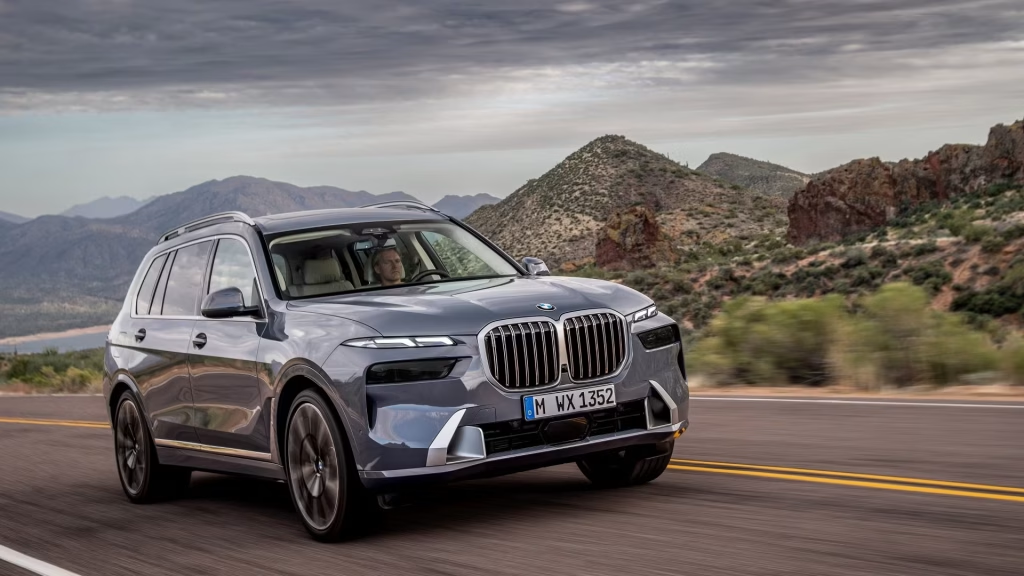
BMW describes the vehicle as an additional Sports Activity Vehicle tailored specifically to U.S. customer requirements. The company has not yet revealed the vehicle’s name, dimensions, powertrain, or pricing, but its position above the X7 would place it at the top of BMW’s conventional SUV lineup.
The decision reflects the importance of large luxury SUVs in the U.S. market. American buyers have shown strong demand for premium SUVs, particularly larger models that combine three-row practicality with high levels of luxury and performance.
BMW also has a manufacturing reason for expanding in this segment. Its Spartanburg plant in South Carolina, which BMW describes as the “home of X,” is already operating at full capacity because of strong global demand for the company’s SUV models.
Rather than simply increasing output from one location, BMW wants to regionalize production more extensively. The company believes producing vehicles closer to its primary markets can improve supply flexibility while reducing exposure to trade disruptions and other international risks.
The new U.S.-focused SUV therefore fits into a broader strategy. BMW is not simply adding another expensive vehicle to its lineup. It is targeting one of the most profitable segments in one of its most important markets while attempting to make its global production network more adaptable.
BMW is simultaneously preparing another important product for Europe. A fully electric entry-level model is scheduled for 2028, giving the company a new EV positioned toward the more accessible end of its European range.
This two-pronged strategy highlights the different demands BMW sees across major regions. In the United States, the company is targeting the high end of the SUV market, while Europe will receive greater attention at the entry level of the electric vehicle market.
China Becomes More Local, While BMW Rethinks Global Production
China is another central part of BMW’s restructuring. The company has faced significant challenges in the world’s largest automotive market as domestic manufacturers have become increasingly competitive, particularly in electric vehicles and software-driven technology.
BMW now intends to increase local production of high-volume models in China, particularly as the Neue Klasse generation expands. The automaker plans to limit imports primarily to vehicles with the highest margins.
It also wants a much greater proportion of vehicles sold in China to be developed specifically around local customer preferences. BMW’s target is for at least 95% of locally manufactured vehicles to be developed with Chinese customer requirements in mind by 2030.
That represents a substantial increase in localization and reflects the rapidly changing nature of the Chinese market. Local customers increasingly expect features, interfaces and technologies developed specifically for their market rather than adaptations of vehicles originally designed elsewhere.
BMW is also considering exporting vehicles manufactured in China to Southeast Asian markets. That could allow the company to make better use of its Chinese production capabilities while creating another potential source of regional supply.
The changes demonstrate how BMW’s global manufacturing philosophy is evolving. Instead of relying primarily on centralized production for worldwide distribution, the company is moving toward a more regional model in which products and production are increasingly matched to individual markets.
This approach could help BMW deal with tariffs, supply-chain disruptions and differences in customer preferences, but it also requires careful management because regionalization can increase complexity if manufacturing footprints become too fragmented.
BMW’s financial targets show why the company is making these changes. Its goal of an 8% to 10% automotive EBIT margin by the early 2030s is significantly higher than the 2.3% level cited by Reuters for its current position. The company therefore needs substantial improvement in both revenue quality and cost efficiency.
The challenge will be achieving that improvement while BMW continues to invest in electric vehicles, autonomous driving, artificial intelligence and new manufacturing technologies.
The company’s strategy is built around the belief that those investments can eventually produce stronger returns if they are combined with a smaller, more focused product portfolio and a leaner organization.
For BMW, the next several years will therefore be less about expanding in every possible direction and more about deciding where it can make the strongest returns.
The new SUV above the X7 gives the United States a particularly important role in that plan, while greater localization in China and a new entry-level EV for Europe show how differently the company intends to approach its major markets.
Whether those changes can lift BMW back toward its 8% to 10% profitability target will depend on how successfully the company manages its costs, products and regional strategies while navigating a rapidly changing global automotive industry.
