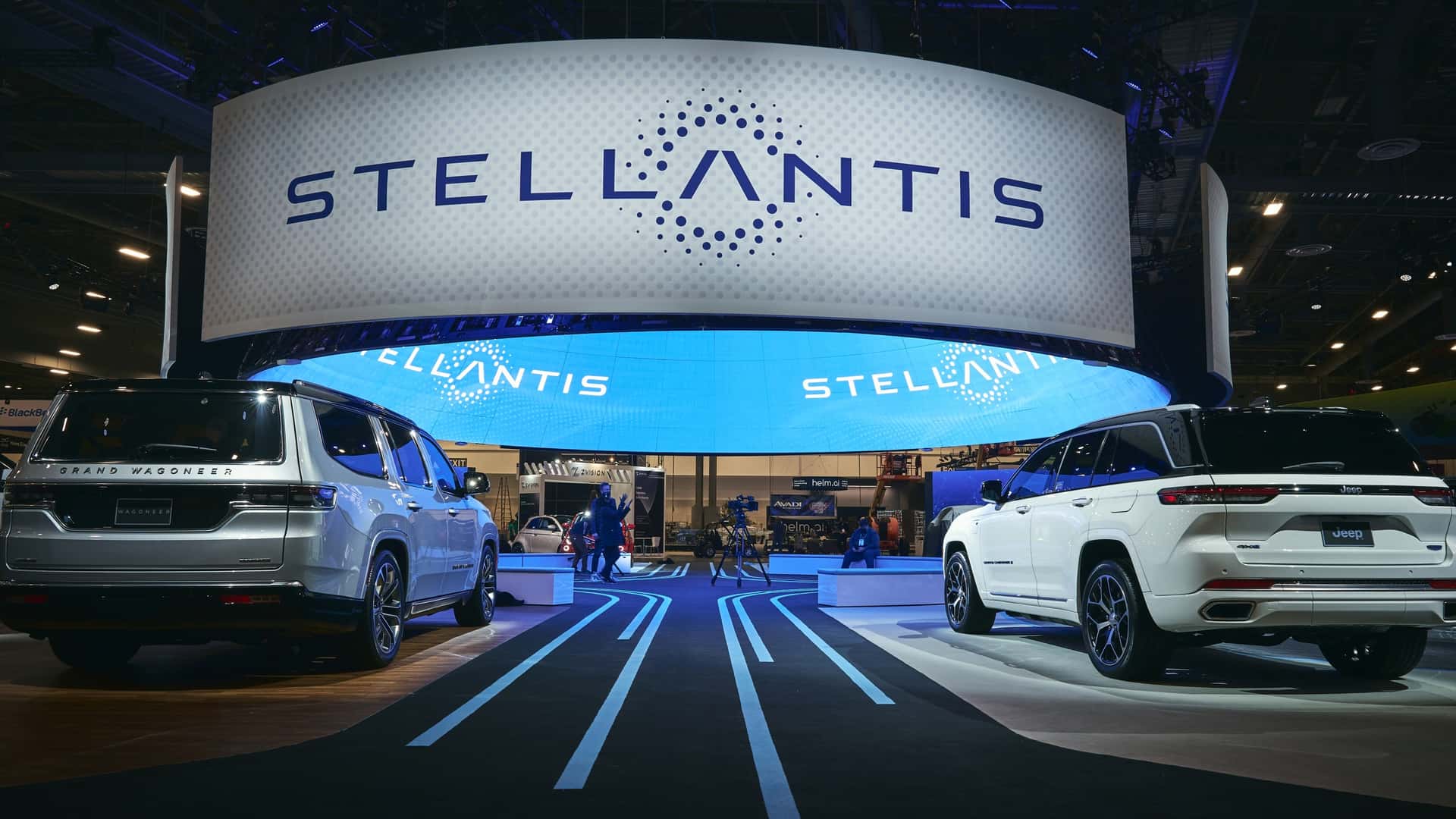
Stellantis is preparing to broaden its North American product strategy with smaller pickup trucks and extended-range electric vehicles as CEO Antonio Filosa looks for ways to rebuild the automaker’s position in one of its most important markets.
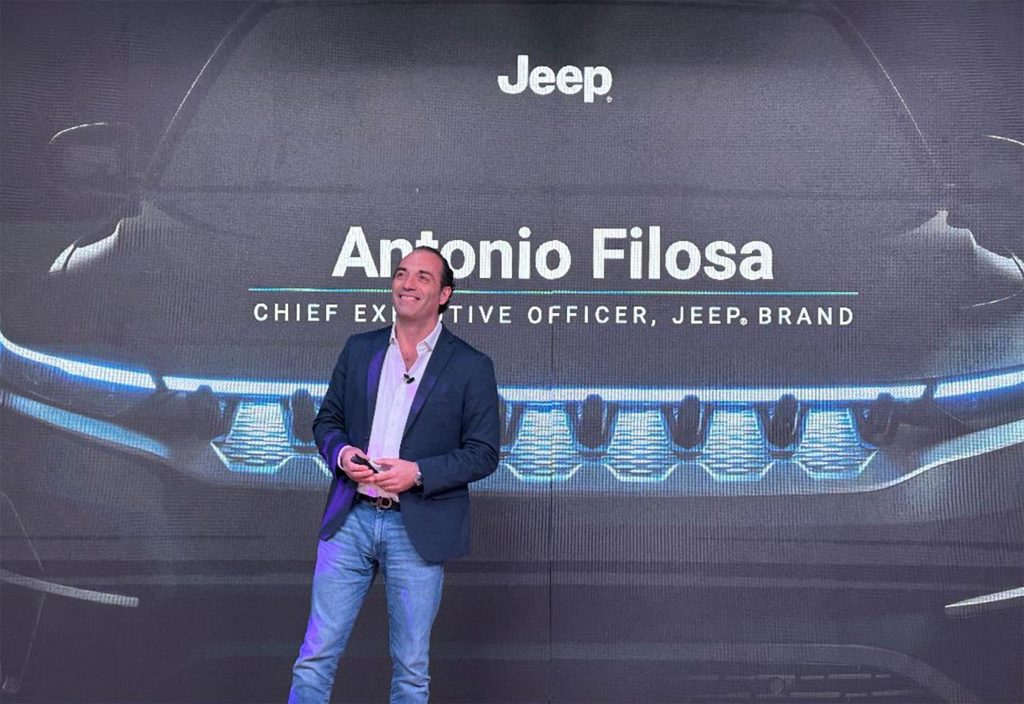
Speaking at an auto industry conference, Filosa said Stellantis sees a major opportunity in more affordable vehicles, compact pickups, and range-extended electric powertrains. The strategy reflects a significant shift after several years of declining sales, elevated vehicle prices, and uncertainty surrounding the pace of electric-vehicle adoption.
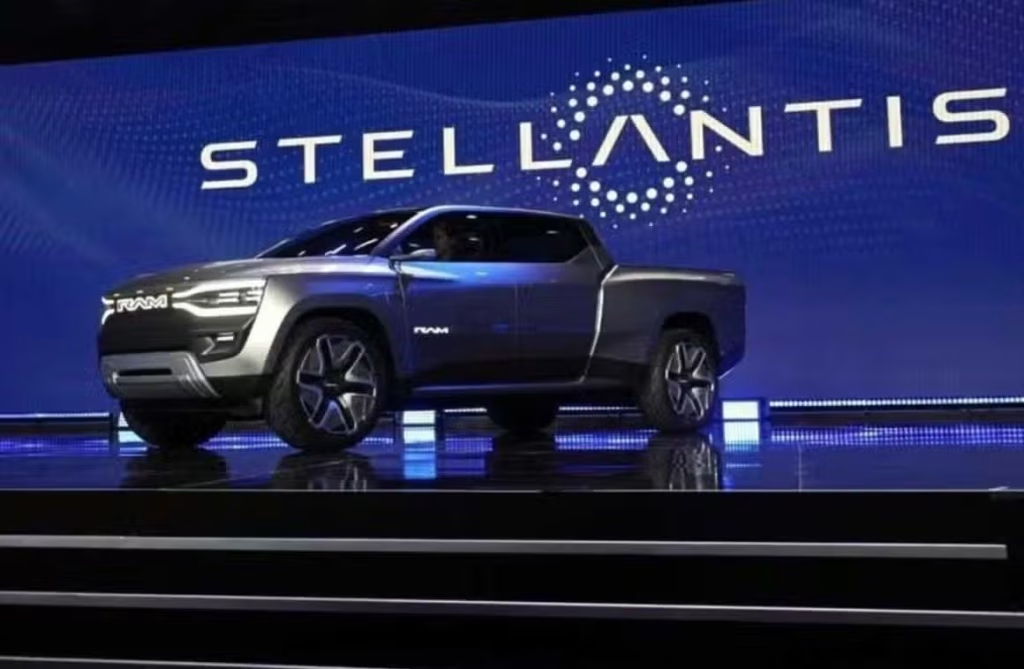
The move is particularly important for Ram. The brand remains heavily dependent on full-size pickups, but Stellantis has recognized that many American buyers want smaller trucks that are easier to maneuver, less expensive to purchase, and potentially cheaper to operate.
At the same time, the company is moving toward extended-range electric vehicles, which combine electric propulsion with a gasoline engine that can generate electricity when the battery needs additional range.
That technology could offer a middle ground for customers who want an electric driving experience but remain concerned about charging, long-distance travel, or towing.
Stellantis has already placed North America at the center of its turnaround strategy. Its five-year plan calls for 60 new vehicle launches globally by 2030, including 15 plug-in hybrid or range-extended electric vehicles. The company has also targeted seven new North American products priced below $40,000 and two below $30,000.
Smaller Pickups Could Give Ram a New Entry Point
The American pickup market has changed as full-size trucks have become larger and more expensive. Models such as the Ford Maverick have demonstrated demand for compact pickups that provide useful bed space and truck styling without the size and price of a traditional full-size model.
The company has previously confirmed plans for a midsize Ram pickup, with production scheduled in North America. Its broader product strategy now points toward an even stronger emphasis on smaller and more affordable trucks.
The appeal is straightforward. A compact or midsize pickup can serve buyers who do not need the towing and payload capabilities of a Ram 1500 but still want an open cargo bed. It can also attract buyers who find full-size trucks difficult to justify at today’s prices.
Affordability has become a central issue for Stellantis. Filosa has described the U.S. affordable-vehicle market as a major opportunity.
The company currently has limited representation below $30,000, leaving a gap that competitors have increasingly targeted. Recent reporting indicates Stellantis is planning multiple vehicles below $40,000, with at least two expected below $30,000.
Ford’s Maverick has shown that a smaller truck can attract customers who might not otherwise buy a pickup. Stellantis has acknowledged that opportunity, with the Ram brand expected to expand downward in size and price.
Extended-Range EVs Offer a Different Route to Electrification
An extended-range EV differs from a conventional battery-electric vehicle because an onboard combustion engine can generate electricity once the battery’s available energy falls to a certain level. The vehicle remains primarily electric in its driving characteristics, while the gasoline engine provides additional energy for longer journeys.
Charging infrastructure has improved, but drivers traveling long distances can still face charging delays or uncertainty about charger availability. Towing can make the issue more significant because heavy loads can reduce electric range substantially.
Stellantis has already designed its STLA Frame platform to support both battery-electric and range-extended configurations. The company says the platform can provide up to 500 miles of BEV range or as much as 690 miles of electrified range in a range-extended configuration. It is intended for full-size pickups and SUVs, making it particularly relevant to Ram and Jeep.
Stellantis has also announced that its Warren, Michigan, plant will produce an all-new range-extended EV and internal-combustion-engine large SUV as part of its $13 billion U.S. investment plan. The investment is designed to increase U.S. production by 50% and add more than 5,000 jobs.
If smaller pickups receive similar powertrains, Stellantis could offer customers an electric-oriented truck without requiring them to depend entirely on a large battery. That could be especially useful in a segment where buyers frequently prioritize range, towing, and convenience over maximum electric capability.
Stellantis has acknowledged that its North American portfolio has become too expensive for a significant portion of the market. Its new strategy therefore emphasizes expanding coverage while introducing vehicles that more customers can realistically afford.
The company expects North American revenue to increase 25% by 2030 and is targeting an adjusted operating-income margin of 8% to 10% in the region. To support that goal, Stellantis plans to allocate 60% of the $36 billion it expects to invest in brands and products to North America.
The company also plans to increase market coverage by 50%, adding 11 new vehicles and targeting 35% more volume.
Stellantis does not need every new model to be a high-volume product, but it needs its lineup to cover more price ranges and body styles that American buyers actually consider. A smaller Ram pickup could fill a significant hole while bringing customers into the brand at a lower entry price.
The extended-range strategy serves a different purpose. It gives Stellantis another powertrain option at a time when pure battery-electric demand has proven uneven.
The company has already stepped back from some earlier EV plans. Stellantis discontinued development of a full-size battery-electric Ram pickup after concluding that demand for large electric trucks in North America had weakened.
The decision demonstrated the company’s willingness to adjust its product strategy rather than continue investing heavily in vehicles that may not produce acceptable returns.
Why the Approach Could Matter for Ram and Jeep
Ram stands to benefit most directly from smaller pickups and range-extended trucks, but Jeep could also gain from the strategy.
Both brands operate in segments where buyers value utility, capability, and long-distance flexibility. Those characteristics make electrification more complicated than it is for smaller passenger cars.
A range-extended system could provide electric driving for daily trips while preserving the ability to travel long distances without planning around charging stops. For a truck or SUV owner, that flexibility could be more valuable than maximum battery range.
It could also allow Stellantis to use a smaller battery than would be required for an equivalent long-range battery-electric vehicle. Smaller batteries can reduce weight and potentially lower material costs, although the final economics depend on the added cost of the combustion engine, generator, and associated systems.
Filosa’s comments show how closely Stellantis is tailoring its products to the North American market.
The company’s broader strategy gives regional management greater authority to adapt vehicles to local customer needs. That is particularly important in the United States, where pickup trucks and large SUVs remain central to the market.
Stellantis is betting that a wider product range, more affordable models, and multiple powertrain choices can restore growth without abandoning electrification.
Smaller pickups could provide the volume opportunity. Extended-range EVs could provide an electrification path for customers who are not ready for a pure battery-electric vehicle.
The strategy also gives Stellantis more flexibility as market conditions change. If battery-electric adoption accelerates, the company can continue developing BEVs on platforms designed to support them. If customers remain cautious, range-extended and hybrid models can provide alternatives.
The company is trying to recover market share while improving profitability, a difficult combination in an industry where new vehicle development requires enormous investment.
For North American buyers, however, the strategy could produce a more useful lineup. A smaller Ram pickup would give consumers another alternative to increasingly expensive full-size trucks, while range-extended electric models could make electrification more practical for drivers who regularly travel long distances.
Stellantis wants more affordable vehicles, more pickup choices, and powertrains that match how Americans actually use their vehicles. For a company attempting to rebuild its North American business, that could prove more important than simply adding another conventional electric model.
The next phase will be turning that strategy into products that buyers want, at prices they can justify, while delivering the profitability Filosa has promised investors. If Stellantis succeeds, smaller pickups and extended-range EVs could become two of the most important pieces of its North American recovery.
For Stellantis, the challenge will be proving that this flexible product strategy can translate into sustained sales and stronger profits.