
Hyundai has introduced the all-new fifth-generation Tucson in New York, giving one of its most important global SUVs a comprehensive redesign aimed at keeping the model competitive in one of the industry’s most crowded segments.
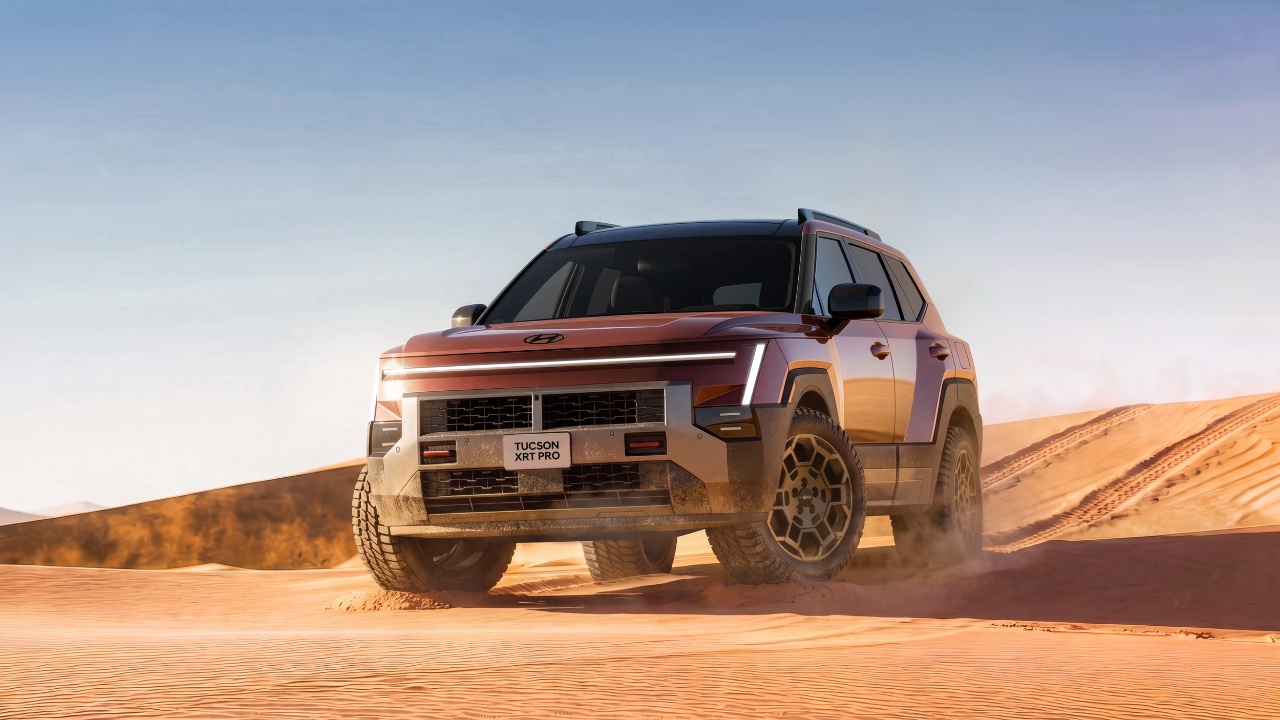
The new Tucson brings a substantially different exterior, a larger cabin, an upgraded hybrid system, and Hyundai’s new Pleos Connect infotainment platform with Gleo AI. The company has also introduced the rugged Tucson XRT PRO, giving the lineup a stronger adventure-oriented option.
The redesigned SUV arrives at an important moment for Hyundai. Compact and midsize SUVs remain among the most competitive vehicle categories in the United States, with buyers increasingly expecting strong fuel economy, advanced technology, practical interiors, and attractive pricing in the same vehicle.
Hyundai says the new Tucson represents the beginning of its most ambitious product offensive, with more than 100 new and refreshed vehicles planned globally by 2030, including 58 for North America. The company describes Tucson as its best-selling global SUV, making the redesign particularly important to its broader growth strategy.
A Larger and More Distinctive Tucson
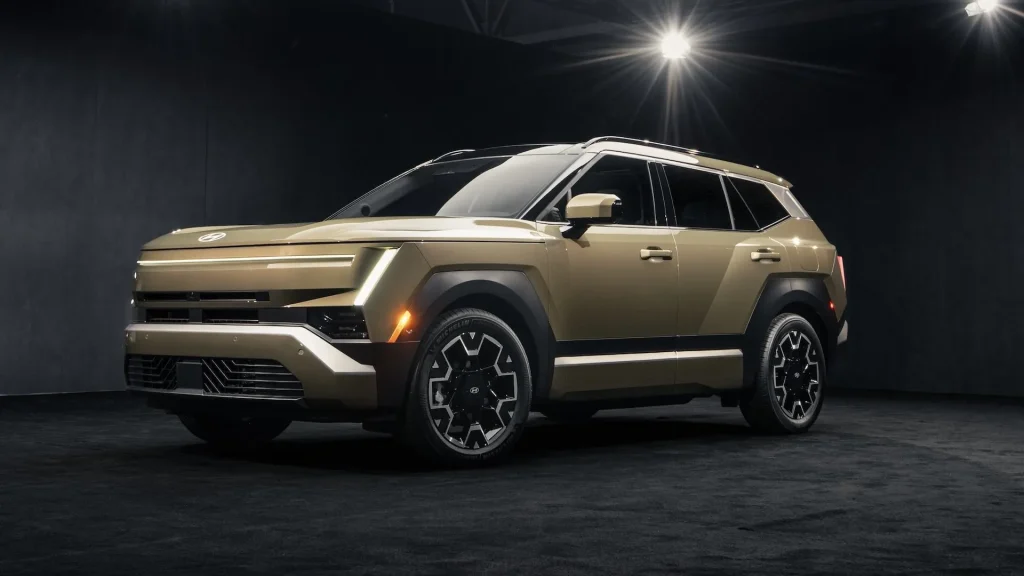
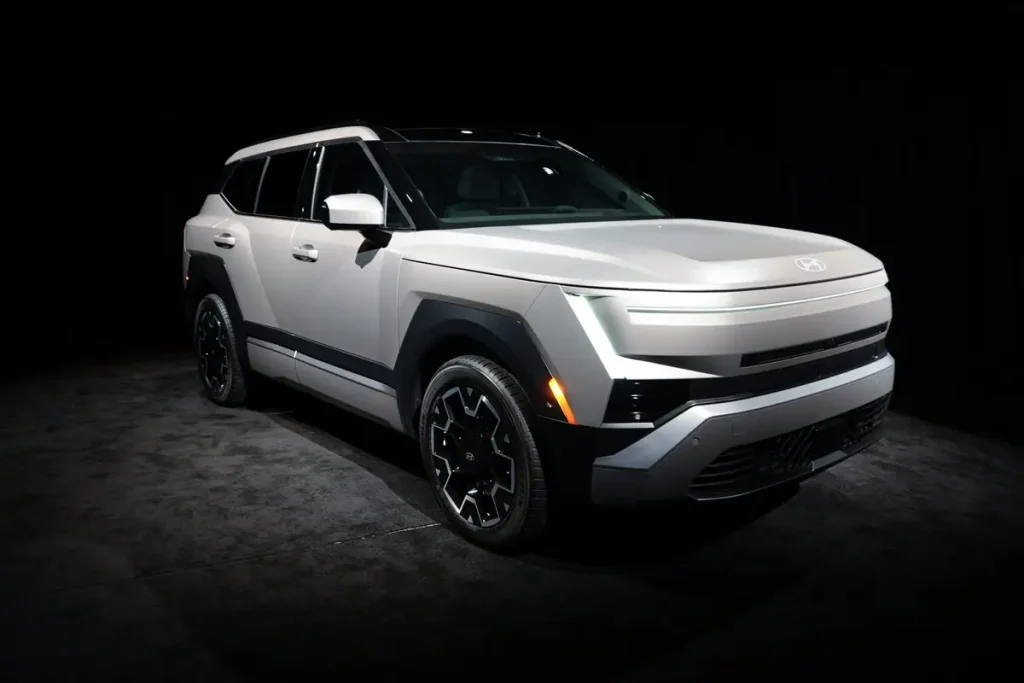
The fifth-generation Tucson represents a significant visual departure from the outgoing model.
Hyundai has adopted what it calls its “Art of Steel” design philosophy, giving the SUV a more angular and muscular appearance. The body is longer and wider, while sharper surfaces and stronger fender shapes give the vehicle a more substantial road presence.
For the U.S. market, Hyundai says the new Tucson is approximately 2.3 inches longer and 1.6 inches wider than the current model. Its wheelbase stretches to about 109.6 inches, while the SUV measures approximately 185 inches in length and around 75 inches in width.
Those increases are not simply cosmetic. The additional exterior dimensions give Hyundai more room to improve passenger comfort and cargo usability, areas that can make a significant difference when shoppers compare compact SUVs.
The front end features a new interpretation of Hyundai’s lighting design, while the body uses crisp lines and more pronounced geometric forms. At the rear, the design continues the more technical appearance.
Hyundai is also expanding the Tucson’s personality with the XRT PRO, a more rugged variant designed for buyers who want greater visual toughness and additional capability without moving into a dedicated off-road vehicle.
The XRT PRO incorporates Hyundai’s Smart Terrain Assist and additional off-road technologies. It is intended to make the Tucson more suitable for drivers who regularly leave paved roads or simply want a more adventurous SUV without sacrificing everyday usability.
Hybrid Technology Becomes a Major Focus
One of the most important changes beneath the new Tucson is Hyundai’s next-generation hybrid system.
The company is targeting fuel economy of up to 42 mpg for the hybrid, depending on configuration and final U.S. certification. Hyundai says the system has been designed not only to improve efficiency but also to provide stronger driving performance.
That focus reflects changing consumer expectations. Hybrid SUVs have become increasingly attractive because they provide better fuel economy without requiring owners to depend entirely on charging infrastructure.
The Tucson’s hybrid system also incorporates E-Traction, which Hyundai says intelligently manages driving torque to improve traction and reduce wheel slip during cornering. The system can increase inner-tire grip and improve stability when the vehicle is pushed through a turn.
Hyundai is also emphasizing refinement. The company has worked on noise reduction and driving comfort, while the larger body is intended to provide additional interior space.
Technical information released ahead of the global debut indicated that the new Tucson would use a turbocharged 1.6-liter engine, with hybrid and conventional powertrain configurations depending on the market. The U.S. lineup is expected to receive a 1.6-liter turbocharged engine and an upgraded hybrid system.
For American buyers, the hybrid’s combination of fuel efficiency and conventional refueling could be one of the most important selling points.
Pleos Connect Brings AI Into the Cabin
The technology overhaul is not limited to the powertrain. Hyundai has introduced Pleos Connect, its next-generation infotainment system, as a central part of the new Tucson’s interior. The platform is designed around a more flexible digital interface and incorporates Gleo AI, Hyundai’s artificial intelligence assistant.
The system is intended to allow drivers to interact with vehicle functions and digital services using more natural voice commands. Hyundai also says Pleos Connect will support an expanding application marketplace, giving the infotainment system the ability to evolve rather than remaining fixed after the vehicle leaves the factory.
The U.S. Tucson is expected to offer a standard 12.9-inch touchscreen, while higher specifications can receive a larger 17-inch display. Hyundai has retained physical controls for important functions, a decision that could appeal to drivers who prefer tactile controls for climate and audio adjustments.
That balance is becoming increasingly important as automakers add larger displays. While touchscreens allow manufacturers to consolidate functions and provide software updates, many drivers still want quick access to basic controls without navigating multiple menus.
Hyundai is also adding comfort-focused features, including available relaxation seating and Ergo Motion seats on certain versions. The broader interior design is intended to provide more usable space while maintaining a modern appearance.
The company says the new Tucson’s wider rear door opening and flexible storage further improve everyday practicality.
Safety and Driver Assistance Remain Central
Technology in the new Tucson also extends to safety systems and driver assistance. Hyundai has continued expanding its suite of electronic driver-assistance features as buyers increasingly expect systems such as adaptive cruise control, lane assistance, and collision avoidance to be integrated into modern SUVs.
The new generation also receives structural improvements and additional electronic systems intended to improve driving confidence.
For Hyundai, this is essential because the Tucson competes against established models from Toyota, Honda, Ford, Nissan, and other manufacturers. Buyers in this category can compare several vehicles offering similar powertrains, pricing, and equipment, meaning differences in safety and convenience technology can influence purchase decisions.
The Tucson’s new digital architecture could provide Hyundai with another advantage if the company can deliver an intuitive experience rather than simply adding more technology.
The timing of the Tucson redesign is particularly significant for Hyundai’s North American strategy.
The company has been expanding its SUV range while increasing its focus on hybrid vehicles. The Tucson sits directly in the middle of the market, making it capable of reaching a much broader customer base than specialized models.
Hyundai is also using the Tucson to demonstrate how it intends to combine electrification, software, and conventional SUV practicality.
The company says its broader plan calls for more than 100 new and refreshed models globally by 2030, with 58 planned for North America. The Tucson is therefore not an isolated product launch but part of a much larger effort to refresh Hyundai’s lineup.
For American customers, the most important development may be the combination of hybrid efficiency and familiar gasoline-powered usability. The Tucson does not require buyers to make the full transition to a battery-electric vehicle, while its hybrid version can significantly reduce fuel consumption.
The XRT PRO adds another dimension by targeting buyers who want a more rugged SUV without stepping into a larger and more expensive vehicle.
Hyundai plans to launch the new Tucson and Tucson Hybrid in the United States in early 2027. Final pricing and some market-specific equipment details will be announced closer to launch.
Hyundai Is Betting on a Broader Definition of the Modern SUV
The new Tucson is more than a styling update. Hyundai has used the generational change to address several of the biggest priorities in today’s SUV market at the same time.
The larger dimensions improve practicality, the redesigned cabin introduces a substantially more advanced digital experience, and the next-generation hybrid system focuses on combining efficiency with performance.
The introduction of the XRT PRO also gives the model a stronger lifestyle identity, while Pleos Connect and Gleo AI push the Tucson further into the software-defined vehicle era.
That combination could be important because the compact SUV market is no longer won simply by offering four doors, reasonable cargo space, and an efficient gasoline engine. Buyers increasingly expect their vehicle to provide smartphone-like connectivity, sophisticated driver assistance, strong fuel economy, and enough personality to stand apart from competitors.
Hyundai appears determined to deliver all of those elements in one package. The real test will come when the new Tucson reaches U.S. dealerships and buyers decide whether the additional technology, larger dimensions, and updated hybrid system justify its position against a long list of established rivals.
For Hyundai, however, the objective is clear. The fifth-generation Tucson is designed to protect one of the company’s most important global nameplates while pushing the SUV deeper into electrification, connected technology, and more capable adventure-oriented driving.
With its U.S. launch scheduled for early 2027, the new Tucson will soon have to prove that Hyundai’s extensive technology overhaul can deliver what matters most in this highly competitive segment. It will need to give buyers a compelling reason to choose it over the alternatives.
