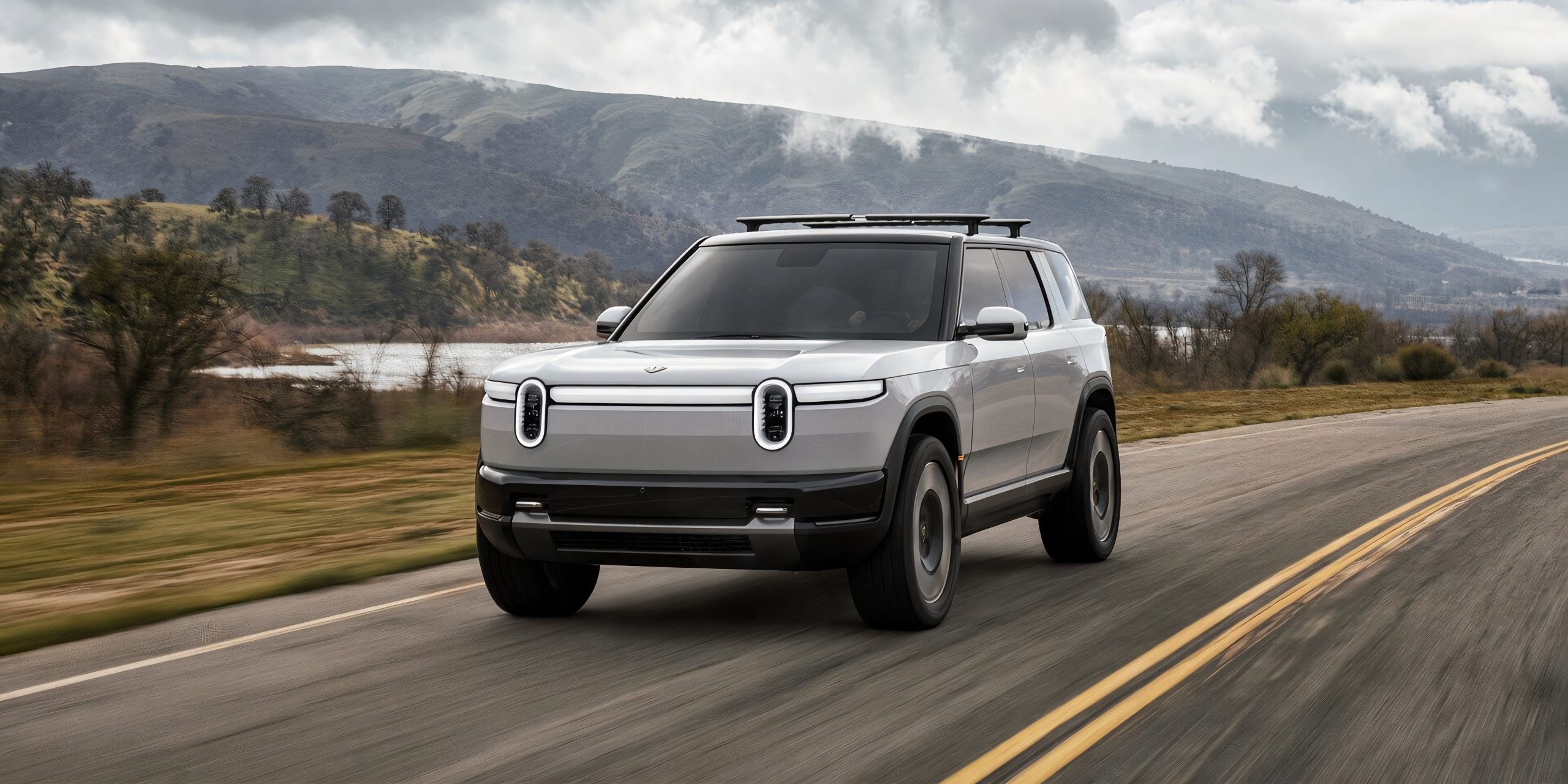
Rivian Automotive has delivered its strongest quarterly result yet, reporting 19,248 vehicles in the third quarter of 2026 as the company begins scaling its more affordable R2 SUV.
The result beat Wall Street expectations and gives Rivian an important sign of progress at a time when the U.S. electric-vehicle market is dealing with weaker industry demand, the end of federal EV tax credits, and growing pressure on manufacturers to make electric vehicles more accessible.
Rivian’s third-quarter deliveries were about 46% higher than the 13,201 vehicles delivered in the same quarter last year. The company also produced 19,751 vehicles at its Normal, Illinois, factory during the period. Analysts had expected deliveries of about 18,000 vehicles, according to Reuters.
The result is important because the R2 represents a major change in Rivian’s strategy. Before its arrival, Rivian’s consumer lineup consisted primarily of the premium R1T pickup and R1S SUV. Those vehicles established the brand but compete at prices beyond many mainstream buyers.
The R2 is intended to take Rivian into a much larger portion of the U.S. market. Deliveries began in June, meaning the third quarter was the first full quarter in which the new SUV was reaching customers.
R2 Gives Rivian a Larger Market to Target
The R2 is central to Rivian’s long-term growth plan because its smaller dimensions and lower price position it below the R1S. The company is attempting to use the vehicle to move from being a niche premium EV manufacturer toward becoming a higher-volume automaker.
That transition is critical. Rivian’s R1T and R1S have distinctive designs, strong performance, and significant technology, but their premium positioning limits the number of consumers who can realistically consider them. The R2 is designed to address that limitation.
Federal EV tax credits expired at the end of September 2026, removing a financial incentive that had helped reduce the effective purchase price of qualifying electric vehicles. Rivian therefore has to build demand increasingly around the product itself rather than relying on government incentives.
Reuters described the R2 as critical to Rivian’s growth strategy as the EV industry deals with the end of federal incentives, tariffs, and weaker overall demand.
Rivian has not disclosed how many of the 19,248 third-quarter deliveries were R2 models. The company’s reported total includes the R1T, R1S, and commercial delivery vans as well as the R2. The timing of the delivery increase makes the new SUV an important factor in the result.
The company delivered 12,194 vehicles in the second quarter, so third-quarter deliveries increased nearly 58% sequentially. Production also rose to 19,751 vehicles, giving Rivian more finished vehicles as it prepares for continued R2 growth.
The record quarter is encouraging, but it does not eliminate Rivian’s financial challenges. The company has invested heavily in developing vehicles and preparing the R2 for higher-volume manufacturing.
Scaling a new model is one of the most difficult stages in the automotive industry because production must increase while quality, supply chains, and manufacturing efficiency remain under control.
Rivian’s Normal factory in Illinois is central to that process. The facility currently produces the company’s vehicles and has been prepared to support the R2 launch. The company has also developed a supplier and logistics park near the factory to support materials and reduce logistics costs.
Rivian’s third-quarter production of 19,751 vehicles was slightly higher than deliveries. Rivian reaffirmed its 2026 delivery guidance of 65,000 to 70,000 vehicles. Through the first three quarters, the company has delivered 41,807 vehicles, meaning it needs at least 23,193 deliveries in the fourth quarter to reach the bottom of its guidance range.
That would require a substantial increase from the third quarter, but Rivian has previously indicated that production and deliveries would be weighted toward the final quarter as the R2 ramped up.
Affordability Is the Real Test for R2
The most important question surrounding the R2 is whether it can attract customers beyond Rivian’s existing enthusiast base. Price will be critical.
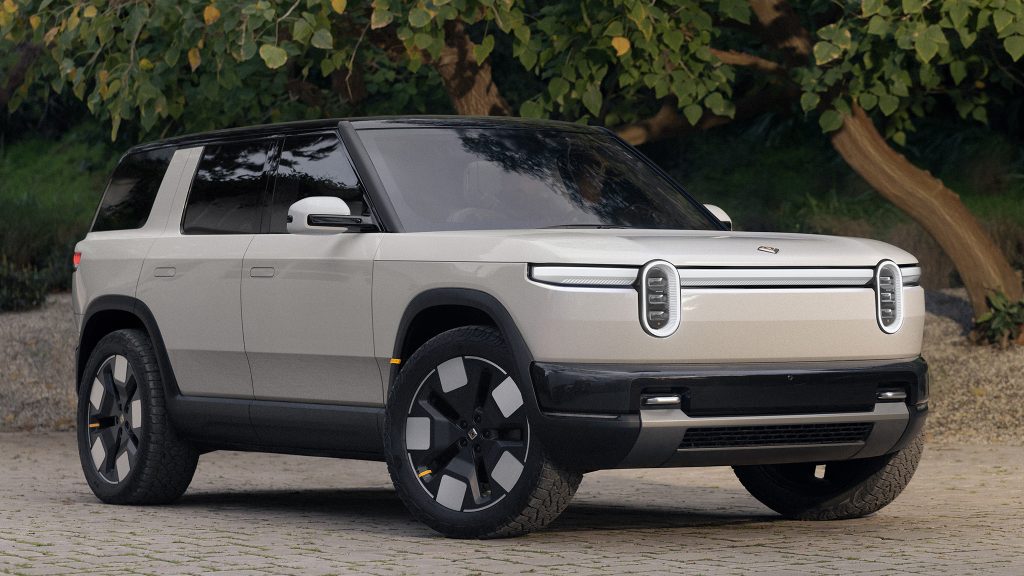
Rivian needs the R2 to be meaningfully more accessible than the R1 lineup while preserving enough range, performance, technology, and design appeal to stand out in a crowded EV market.
The company is competing not only against other electric SUVs but also against conventional gasoline and hybrid vehicles that have become increasingly efficient and familiar to American buyers. That competition has become tougher since EV incentives changed.
A lower-priced EV can reduce the initial barrier to adoption, but consumers still compare monthly payments, insurance, charging costs, driving range, and resale value with alternatives. Rivian needs the R2 to make a compelling case across the entire ownership experience.
Rivian’s next-generation R2 platform is designed to support multiple future models, which could allow the company to expand beyond one SUV. That creates the possibility of spreading development and manufacturing costs across a larger product family as volumes increase.
Scaling R2 production will place considerable pressure on Rivian’s Illinois manufacturing operation.
Automotive factories are designed around highly coordinated supply chains, and increasing production can expose weaknesses that are less visible at lower volumes. Rivian has acknowledged that it relies on hundreds of suppliers and that some components come from limited-source suppliers.
Battery materials are another concern. Rivian has identified lithium, nickel, graphite, and cobalt among vulnerable areas of its supply chain, while tariffs and other trade barriers can also affect component costs.
Those risks matter because the R2 is supposed to improve Rivian’s economics through higher production volumes. If supply disruptions or manufacturing inefficiencies increase costs, the benefits of selling more vehicles could be reduced.
Rivian must accomplish two goals at the same time. It needs to increase R2 deliveries while also reducing the cost of building each vehicle.
Rivian’s next-generation R2 platform is designed to support future models, which could eventually help the company spread development and manufacturing costs across a larger product family. That could become important as the company attempts to build greater scale.
Rivian’s Next Phase Begins With R2
The record third-quarter delivery result gives Rivian a reason for optimism, but it is best viewed as an early milestone rather than proof that the company has solved its biggest challenges.
Delivering 19,248 vehicles in one quarter is an improvement from a year earlier, and beating analyst expectations provides evidence that demand exists for the company’s expanding lineup. The R2 now gives Rivian access to a substantially larger potential customer base than its premium R1 products alone could reach.
The company still has to prove that it can scale the vehicle efficiently. Rivian expects to deliver between 65,000 and 70,000 vehicles in 2026, leaving a demanding fourth quarter ahead.
Complete third-quarter financial results are scheduled for October 29, when investors will get more information about revenue, margins, cash use, and the economics of the R2 launch. Those figures may matter as much as the delivery number.
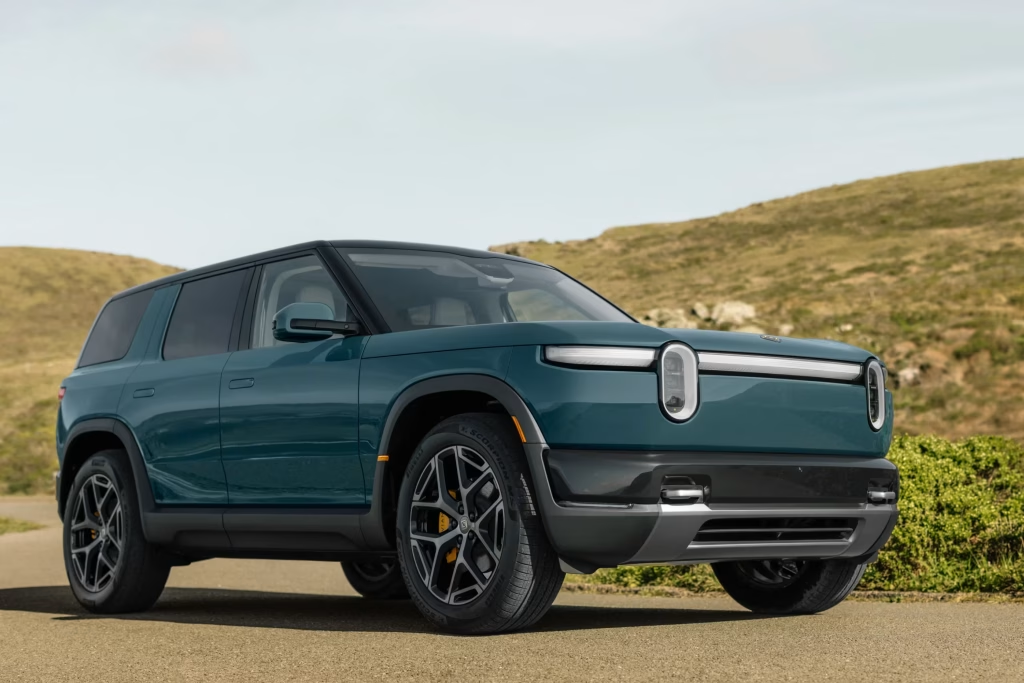
Rivian’s long-term future depends on turning the R2 into a high-volume product without losing the qualities that made the brand attractive in the first place. It also needs to manage production costs, maintain supply security, and expand its customer base while operating in a U.S. EV market that has become less dependent on government incentives.
The next test is whether that record can become a new baseline rather than a temporary peak.
If Rivian can continue increasing R2 production while improving manufacturing efficiency and keeping the vehicle attractive to mainstream buyers, the SUV could become the product that changes the company’s scale. If demand weakens or production costs remain too high, the transition will be considerably harder.
For Rivian, the R2 is no longer simply a new model. It is the vehicle that must turn a promising electric-vehicle startup into a much larger American automaker.