
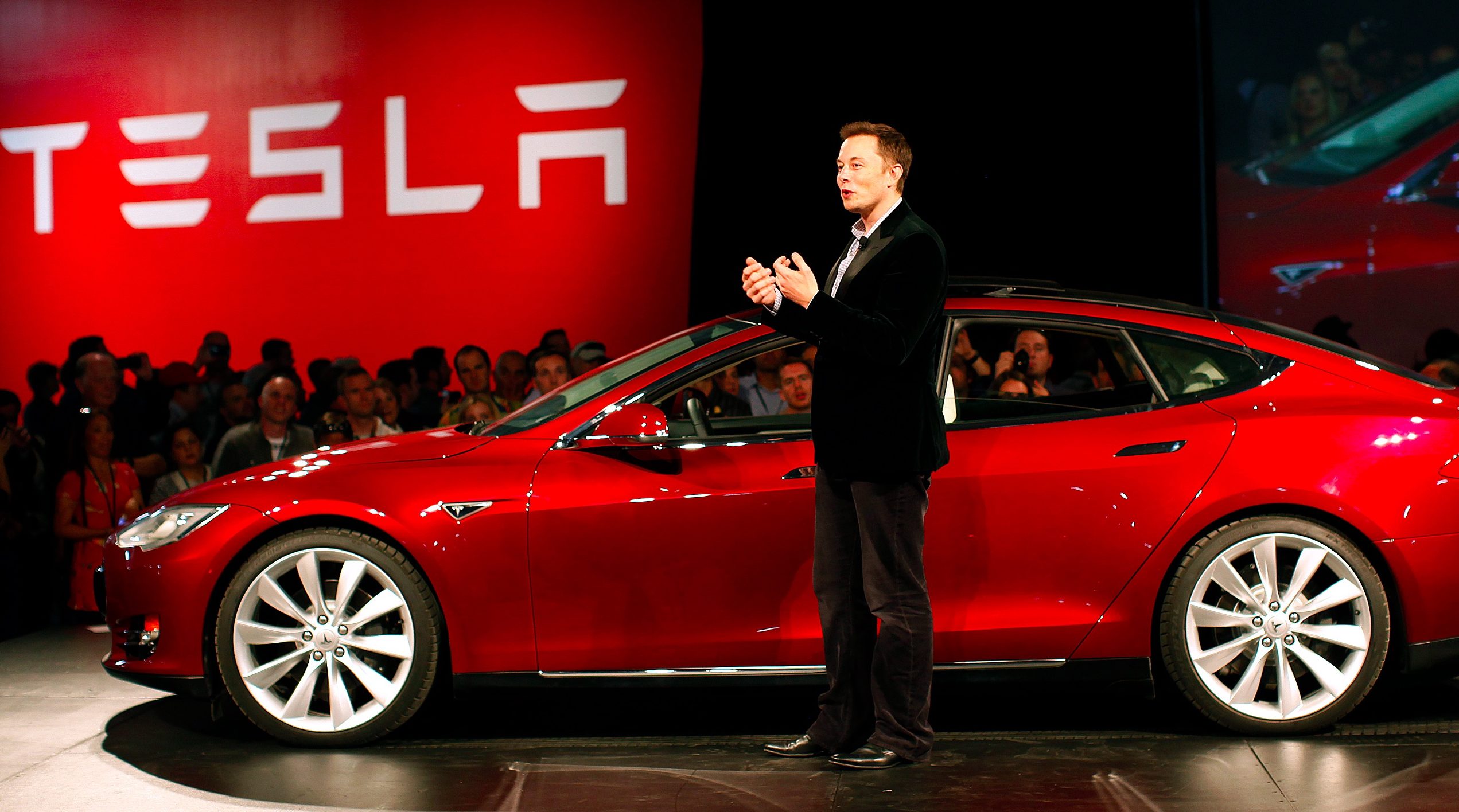
Tesla delivered 486,532 vehicles in the third quarter of 2026, beating Wall Street expectations and giving the electric vehicle maker an important boost after two consecutive years of declining annual sales.
The result was still slightly below the same period last year, but stronger European demand helped offset weaker sales in the United States and China.
Third-quarter deliveries fell 2.1% from the 497,099 vehicles delivered in the third quarter of 2025. However, Tesla comfortably exceeded the Wall Street consensus of 461,974 vehicles compiled by Visible Alpha. The roughly 24,600-vehicle difference provided a positive surprise for investors.
The result is important because Tesla is attempting to stabilize its core automotive business while CEO Elon Musk increasingly directs attention toward artificial intelligence, autonomous driving, robotaxis, humanoid robots, and energy storage.
Tesla still needs a strong final quarter to prevent another annual sales decline. According to Reuters, the company needs to deliver at least 311,448 vehicles in the fourth quarter to avoid a third consecutive year of falling deliveries. That target is below the number Tesla has delivered in any quarter since mid-2022, making it achievable if current demand continues.
For now, the third-quarter figures suggest Tesla’s vehicle business may be finding some stability, but the geographical split behind the numbers reveals a more complicated picture.
Europe Provides Tesla With a Much-Needed Lift
Europe was one of Tesla’s weakest regions during the company’s recent downturn, but the situation improved considerably during 2026.
European registrations recovered sharply through the first eight months of the year. Reuters reported that registrations across the European Union rose by roughly two-thirds through August compared with the same period a year earlier.
In France, the Model Y became the country’s best-selling vehicle of any type, marking the first time a Tesla had reached the top of that ranking.
That rebound is significant because Tesla struggled in Europe during the previous year. The company faced stronger competition from established European automakers and rapidly expanding Chinese EV manufacturers. Negative attention surrounding Musk also contributed to Tesla’s difficulties in the region.
Tesla’s Shanghai operation played an important role in supporting European deliveries. Exports from the Shanghai factory increased sharply during July and August, helping supply markets outside China as local demand remained challenging.
The European improvement gives Tesla a potential route to growth while its U.S. market faces greater pressure.
Tesla is also expanding the availability of its Full Self-Driving technology in Europe. Reuters reported that the system had been approved in eight countries, creating another potential differentiator as European buyers compare Tesla with increasingly sophisticated electric vehicles from Volkswagen, BMW, Mercedes-Benz, and Chinese manufacturers.
However, Tesla cannot rely on Europe alone. Its performance in the United States remains one of the most important questions surrounding the recovery.
Tesla’s American business entered the third quarter without the federal EV tax credit that had helped stimulate purchases.
The previous $7,500 federal EV tax credit expired, removing a significant incentive for U.S. consumers considering a new Tesla. The third quarter of 2025 had benefited from buyers rushing to complete purchases before the incentive expired, creating a particularly difficult comparison for 2026.
Cox Automotive estimated that Tesla’s U.S. deliveries fell about 31% year over year to 123,880 vehicles in the third quarter. Tesla does not provide a regional breakdown of deliveries, so this remains an industry estimate rather than a company-reported figure.
That decline demonstrates how much Tesla’s European improvement had to compensate for weakness at home.
The U.S. market is also becoming more competitive. Buyers now have considerably more electric SUVs, sedans, and crossovers to choose from, while hybrid vehicles are gaining popularity among consumers who want better fuel economy without depending entirely on charging infrastructure.
Tesla’s core lineup remains heavily concentrated around the Model 3 and Model Y. Those two vehicles accounted for 478,237 of Tesla’s 486,532 third-quarter deliveries, representing more than 98% of total deliveries.
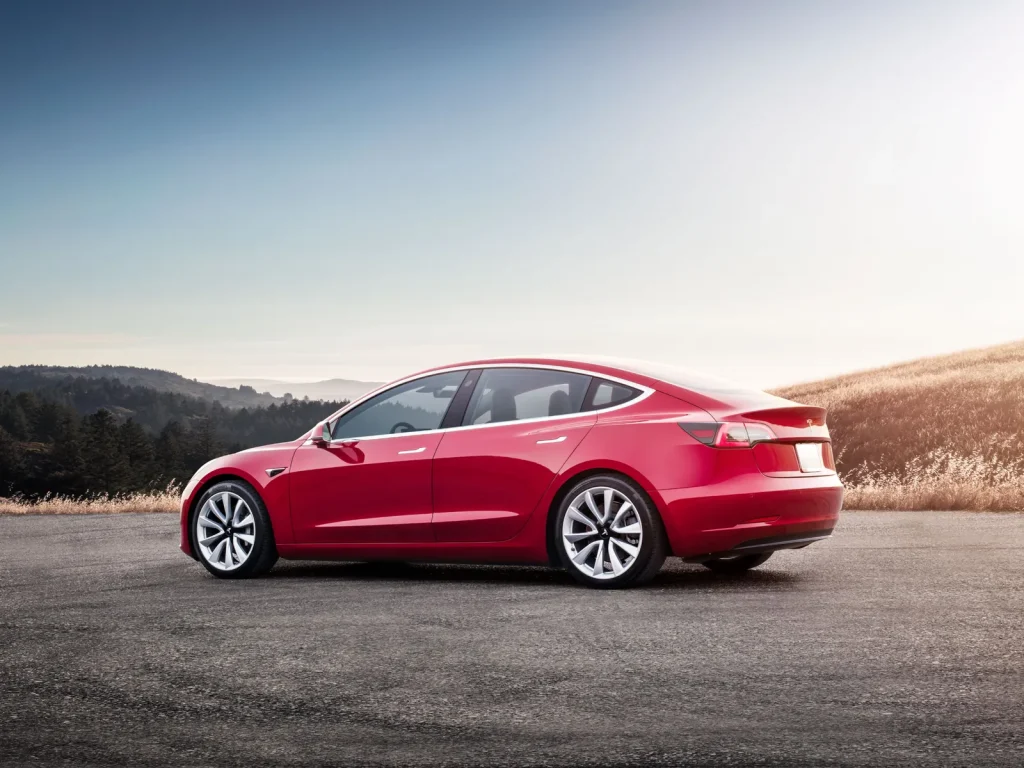
That concentration provides enormous volume from Tesla’s two best-known models, but it also highlights a vulnerability. The company has not introduced many genuinely new high-volume passenger vehicles to broaden its customer base.
Model 3 and Model Y Still Carry the Business
Tesla produced 464,391 vehicles during the third quarter, including 457,387 Model 3 and Model Y vehicles. It delivered considerably more vehicles than it produced, drawing down existing inventory.
The difference between production and deliveries is important because Tesla has spent time managing vehicle inventory. Delivering more cars than were produced during the quarter can help reduce accumulated inventory and potentially support pricing discipline.
The company’s other models accounted for only 8,295 deliveries, compared with 478,237 Model 3 and Model Y deliveries. Tesla’s smaller category includes vehicles such as the Cybertruck and Semi, while the Model S and Model X have become relatively minor contributors.
That imbalance makes the performance of the Model 3 and Model Y particularly important. Tesla has refreshed the Model Y while also using pricing and financing strategies to stimulate demand. The Model Y remains central to the company’s global business because it competes in the fast-growing crossover segment.
Yet the company faces growing competition from lower-priced EVs and hybrids. Chinese manufacturers have become increasingly aggressive internationally, while traditional automakers have expanded their electric lineups.
Tesla’s ability to maintain high volumes from its existing models will therefore remain critical until newer products become meaningful contributors.
While deliveries remain essential to Tesla’s financial performance, investors are increasingly evaluating the company through a broader lens.
Musk has directed substantial attention toward autonomous vehicles, robotaxis, artificial intelligence, and humanoid robots. Tesla’s robotaxi operation is already running without a safety supervisor inside the vehicle in Texas and Florida, according to Reuters.
That creates a major difference between Tesla and traditional automakers. For companies such as Ford, Toyota, and Volkswagen, vehicle sales remain overwhelmingly central to the business. Tesla is attempting to convince investors that its future value will increasingly come from software, autonomy, energy, and AI-enabled services.
The delivery numbers still matter because automotive revenue provides the financial foundation for those ambitions. A prolonged decline in vehicle sales would make it more difficult for Tesla to fund and justify its broader technology strategy.
Tesla’s energy-storage business also remains important. The company deployed 13.7 gigawatt-hours of energy-storage products during the third quarter, up from 12.5 GWh a year earlier, although below the 15.9 GWh analysts had expected.
The combination of vehicle sales and energy storage therefore gives Tesla more than one potential source of growth.
The Fourth Quarter Will Determine Whether the Recovery Is Real
Tesla’s third-quarter performance is encouraging, but it is not enough to declare that the company’s sales downturn has ended.
The company needs at least 311,448 deliveries in the fourth quarter to avoid another annual decline. That target appears attainable based on its recent quarterly volume, but maintaining momentum will depend heavily on whether European demand remains strong and whether U.S. consumers return despite the disappearance of federal EV incentives.
The fourth quarter will also show whether Tesla’s improvement reflects genuine demand or partly results from inventory management and regional shifts.
Tesla is scheduled to report its third-quarter financial results on October 21, giving investors more information about revenue, profitability, cash flow, and the company’s broader outlook.
For now, Tesla has achieved something it badly needed. The company delivered more vehicles than Wall Street expected at a time when many analysts had anticipated another weak quarter.
The 486,532 deliveries do not represent year-over-year growth, but the smaller decline and strong European rebound offer a possible path toward stabilization.
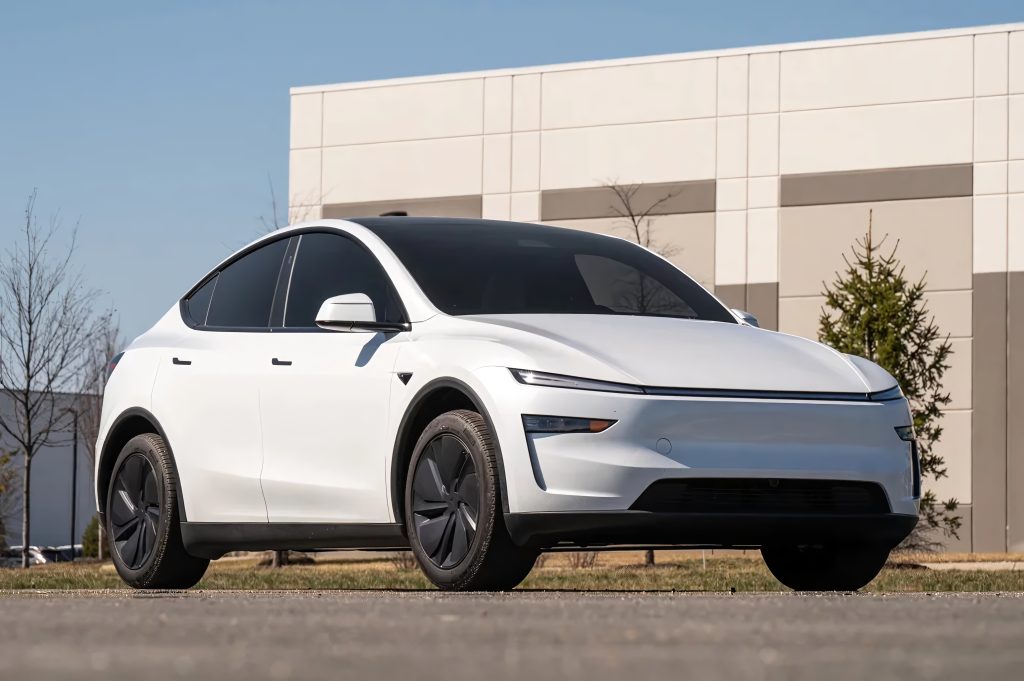
Europe is recovering, inventory is being worked down, and the Model 3 and Model Y continue to generate enormous volumes. The bigger question is whether Tesla can turn that stabilization into sustained growth.
If European demand remains strong, U.S. sales recover despite the loss of incentives, and new autonomous and AI-related businesses begin contributing meaningfully, Tesla could emerge from its two-year sales downturn with a broader business model.
But the immediate challenge remains selling more cars without relying on temporary incentives, maintaining its position against increasingly aggressive competitors and proving that its existing lineup can support the technology businesses Musk is building around it.
The third quarter gives Tesla some breathing room. The fourth quarter will show whether that breathing room marks the beginning of a genuine recovery or simply a temporary pause in a much longer transformation.
