Kia is emerging as one of the stronger performers in Europe’s rapidly expanding electric-vehicle market, with its European EV sales rising 58% this year as a broader range of battery-powered models reaches customers.
The growth is giving the South Korean automaker greater momentum at a time when established manufacturers are facing uneven demand, intense price competition, and rising pressure to accelerate electrification.
The increase is particularly notable because Kia is not relying on a single electric model to generate growth. Its expanding EV lineup now covers several segments, allowing the company to reach buyers looking for everything from compact crossovers to larger family SUVs.
The result is a stronger position for Kia as European consumers increasingly shift toward battery-electric vehicles and governments continue tightening emissions requirements.
New EVs Expand Kia’s European Reach
Kia’s 58% increase in European EV sales reflects the impact of a significantly broader electric portfolio.
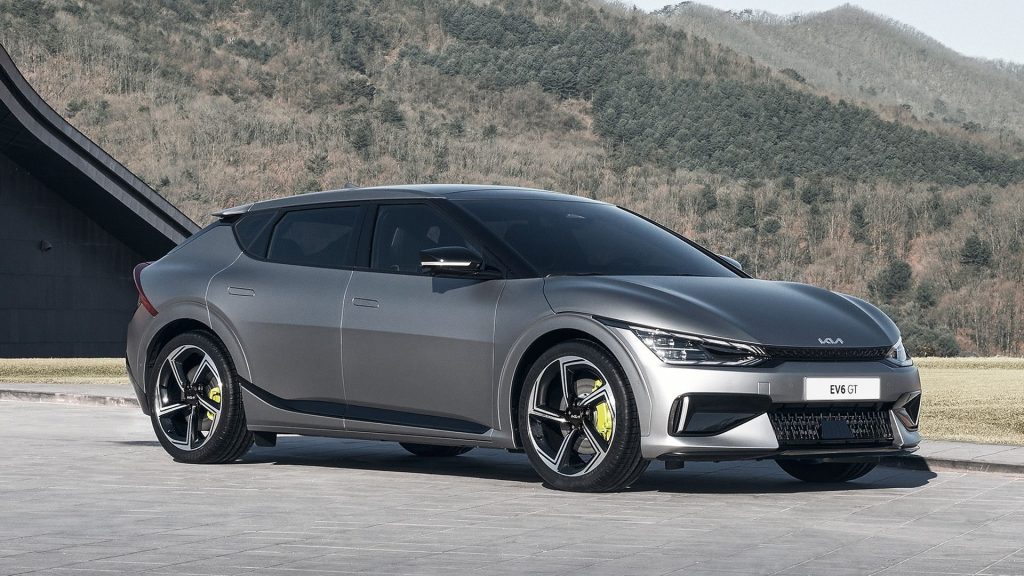
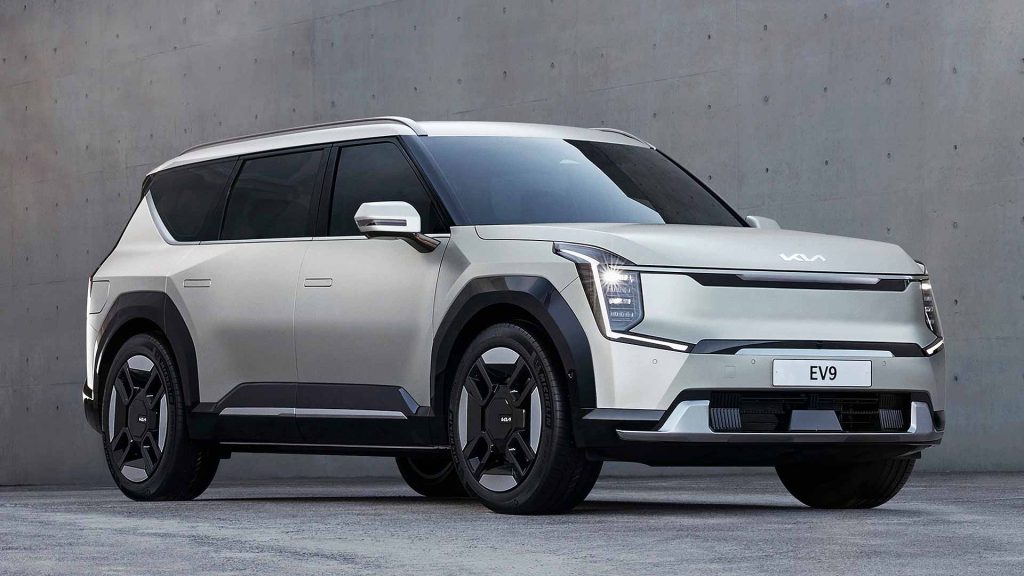
The company’s EV range has expanded from the established EV6 into a much wider selection of vehicles. The EV9 has given Kia a presence in the large electric SUV segment, while the EV3 has brought the company’s electric technology into a smaller and more accessible crossover.
The EV3 is particularly important because compact SUVs represent one of Europe’s largest and most competitive vehicle categories. Offering an electric model in this segment gives Kia access to customers who may not be prepared to pay the premium associated with larger electric SUVs.
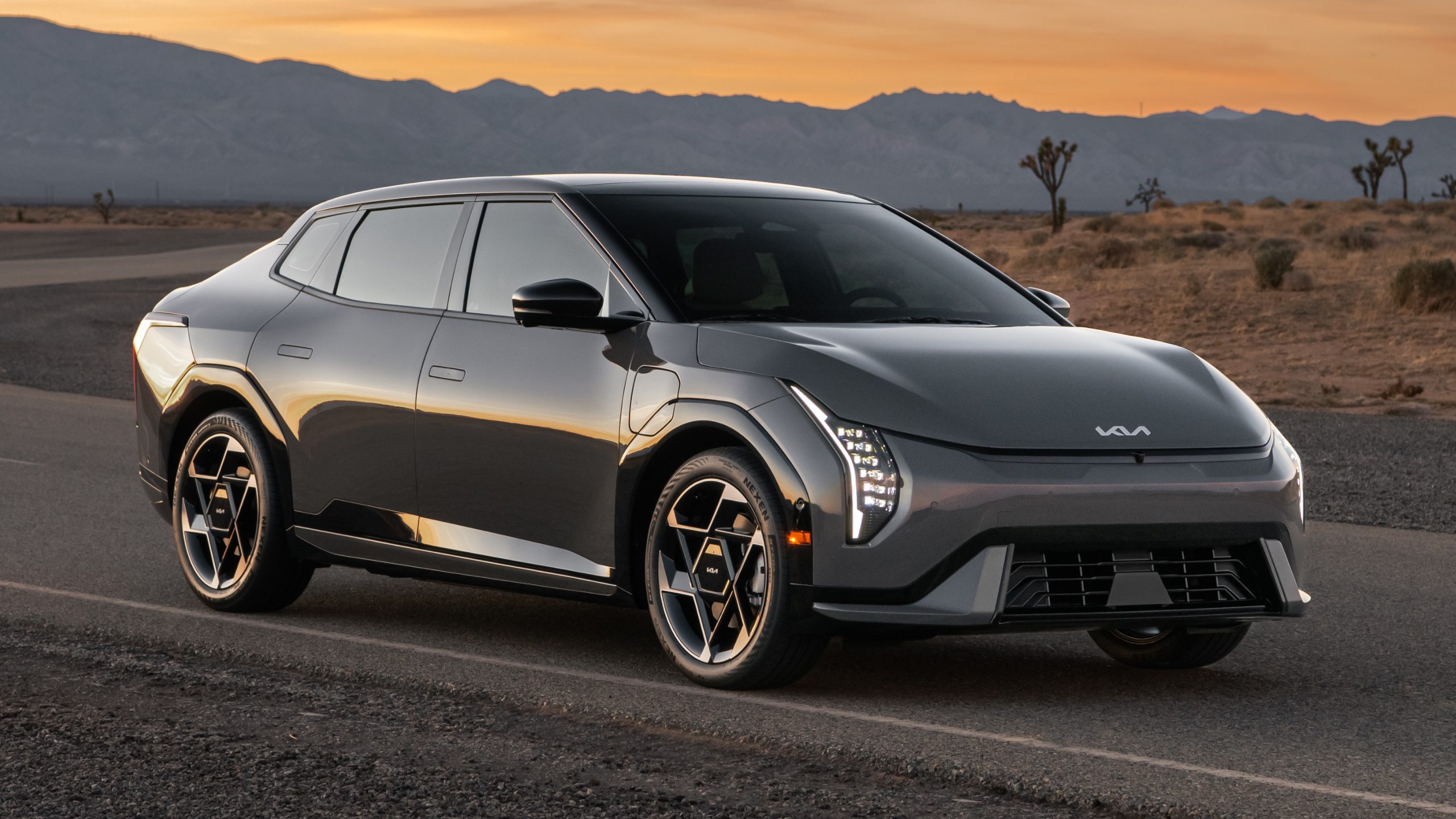
Kia has also continued expanding its electric range with the EV4, a model designed to broaden the company’s reach into the compact electric-car market. Together, these vehicles give Kia considerably more opportunities to capture EV demand than it had when the EV6 was effectively the centerpiece of its electric strategy.
That diversification matters in a European market where customer preferences vary significantly by country and vehicle segment.
A customer in an urban market may prioritize a smaller electric crossover, while families may want the additional space offered by an EV9. By covering multiple categories, Kia can benefit from growth across the broader EV market rather than depending on one product.
The company has also benefited from the global development of Hyundai Motor Group’s electric-vehicle technology. Kia shares major elements of its EV technology with Hyundai, allowing the automaker to bring advanced battery and electric-drive systems to market without developing every component independently.
That has helped Kia compete with European manufacturers that have invested heavily in their own EV architectures.
European EV Demand Is Creating New Opportunities
Kia’s performance comes as electric vehicles continue to gain ground across Europe, although the pace of adoption differs significantly between countries.
Government incentives, emissions regulations, company-car taxation, and charging infrastructure all influence the speed at which consumers transition from combustion engines to battery power.
The European Union’s emissions regulations have also encouraged automakers to increase their EV sales. Manufacturers face financial pressure to reduce fleet emissions, making electric vehicles an increasingly important part of their product strategies.
Kia’s expanding lineup puts it in a strong position to respond.
The company is also benefiting from a shift in consumer expectations. Electric buyers increasingly want vehicles that offer practical range, fast charging, and modern technology without requiring them to move into premium price brackets.
This is where models such as the EV3 can become particularly important. Rather than treating electric vehicles solely as premium products, Kia is using smaller crossovers to make battery power available to a wider audience.
That strategy could help the company maintain its momentum if European EV growth increasingly moves beyond early adopters.
The EV3 has also demonstrated how quickly Kia can translate its larger electric models’ design and technology themes into smaller vehicles. Its compact dimensions make it more appropriate for European cities, while its crossover body style aligns with one of the most popular segments in the market.
Kia’s success also comes despite increasingly intense competition. European manufacturers such as Volkswagen, Renault, BMW, Mercedes-Benz, and Stellantis are expanding their EV portfolios, while Chinese manufacturers are bringing increasingly competitive electric vehicles into European markets.
That means Kia cannot rely simply on being an established Asian manufacturer with an expanding EV lineup. It must compete on pricing, range, charging performance, design, technology, and brand value. The 58% growth indicates that its current product strategy is gaining traction.
Kia Positions Itself for the Next Phase of Electrification
The biggest significance of Kia’s European EV growth may be what it says about the company’s position in the market over the next several years.
Kia entered the modern EV market with the EV6 and quickly established itself as a serious competitor. The EV9 then demonstrated that the company could scale its electric technology into a much larger vehicle.
The latest generation of products takes that strategy further by moving into higher-volume segments.
That could make the difference between having a successful EV model and building a genuinely strong electric business.
Kia is also taking a multi-powertrain approach rather than attempting to transition every customer to battery power immediately. Hybrid vehicles remain an important part of its European strategy, giving customers an alternative where charging access, purchase price, or driving habits make a full EV less attractive.
This flexibility is increasingly valuable as the European market becomes more divided between consumers who are ready for battery-electric vehicles and those who still prefer hybrid or combustion-powered cars. For Kia, the advantage is that it can participate in both sides of that transition.
The company’s electric growth also demonstrates the importance of product timing. Earlier EV adopters had relatively few choices outside the premium segment. Today, buyers can choose from a much broader range of electric crossovers and SUVs.
Kia’s newer models arrive at precisely the point when that selection is expanding rapidly. The challenge now will be maintaining the 58% growth rate as competition increases.
Rapid expansion from a smaller base can produce large percentage gains, but sustaining momentum becomes harder as sales volumes rise and competitors respond with lower prices and new models.
Chinese manufacturers may present the biggest long-term challenge. Companies from China have become increasingly aggressive in Europe’s electric market, using competitive pricing and strong battery technology to gain market share.
Kia therefore needs to preserve its pricing advantage while continuing to improve its technology.
Its established dealer network and reputation for relatively strong value give it an advantage over newer entrants, but brand loyalty alone will not guarantee success in an increasingly competitive EV market.
The next stage of Kia’s European strategy will depend heavily on whether it can continue expanding its electric lineup without allowing prices to rise beyond what mainstream customers can afford.
For now, the 58% increase in EV sales shows that Kia is benefiting from its decision to broaden its electric portfolio. The company has moved from having a small number of high-profile EVs to offering battery-powered vehicles across several important segments.
That transformation is giving Kia a stronger foothold as Europe’s automotive industry enters a more competitive phase of electrification.
If the company’s newer models continue attracting buyers, Kia could emerge as one of the major beneficiaries of Europe’s shift toward electric vehicles, particularly among customers looking for mainstream pricing combined with technology and design traditionally associated with more expensive EVs.