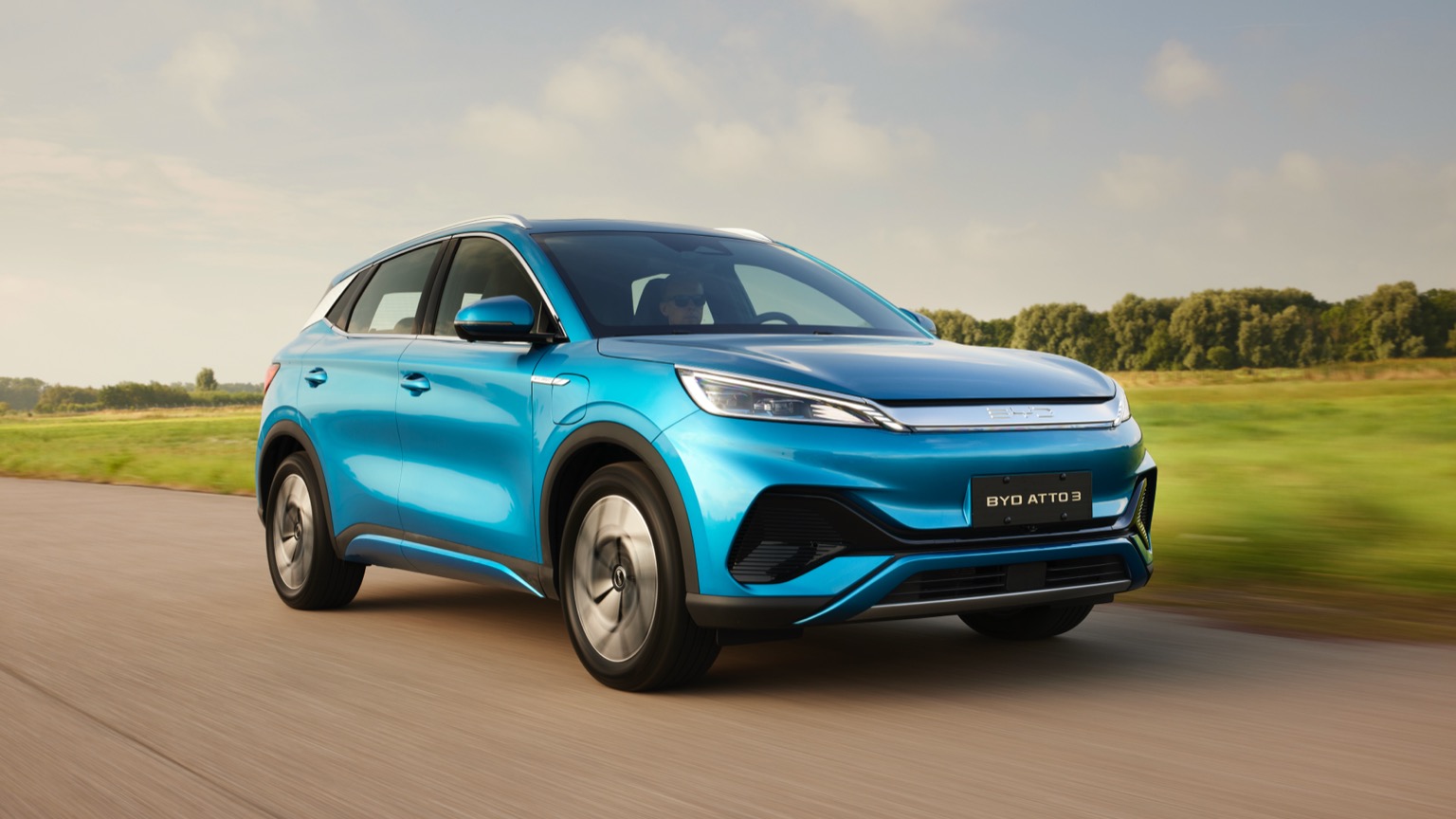
The UK new-car market recorded a sharp increase in September, with registrations rising 12% from a year earlier to reach their strongest September level since 2017.
The surge was driven in part by stronger electric-vehicle demand, with battery-electric registrations climbing more than 36%, while Chinese automakers continued to increase their presence in the British market.
The figures provide another indication that the European automotive market is undergoing a significant transformation.
Electric vehicles are gaining a larger share of new registrations, established manufacturers are adjusting their product strategies, and Chinese brands are becoming increasingly visible in a market that was once dominated by European, Japanese, and South Korean automakers.
According to the Society of Motor Manufacturers and Traders, or SMMT, 144,600 new cars were registered in the UK in September, making it the strongest September since 2017.
The month is traditionally one of the two major registration periods in the British market, alongside March, when new registration plates encourage buyers to replace older vehicles.
The increase also came despite continued uncertainty surrounding the British economy and household finances. The performance suggests that manufacturers and consumers are responding to changing incentives and a rapidly expanding selection of electrified vehicles.
Electric Cars Deliver the Biggest Growth
Battery-electric vehicles were among the strongest performers in September. Registrations rose 36.3% compared with September 2025, far outpacing the wider market.
The growth pushed battery-electric vehicles to a larger share of British new-car registrations as manufacturers continued to expand their EV offerings. Plug-in hybrids also benefited from stronger demand, reflecting continued consumer interest in electrified vehicles that can operate with both battery power and a combustion engine.
The increase is particularly significant because the UK market has been operating under increasingly stringent zero-emission vehicle requirements. Manufacturers are required to achieve rising percentages of zero-emission vehicle sales, creating pressure to offer more electric models and encourage customers to choose them.
The September figures suggest those efforts are beginning to translate into greater EV volumes.
However, the market is not moving entirely because consumers have suddenly become more enthusiastic about battery power. Manufacturer incentives and discounting have played an important role in making electric vehicles more attractive.
Automakers have increasingly used discounts, favorable financing, and fleet strategies to boost EV registrations and meet regulatory requirements. Company-car taxation has also helped support demand for electric vehicles among business users, who can benefit from lower tax rates compared with conventional vehicles.
That combination of regulatory pressure and financial incentives is changing the economics of buying an EV in Britain.
The increasing number of electric models is also helping. Consumers now have more choices across multiple price points and vehicle categories, from compact hatchbacks to premium SUVs. This makes it easier for buyers to switch from conventional vehicles without having to compromise as heavily on body style or equipment.
The September result therefore represents more than a single-month increase. It demonstrates how quickly electric vehicles can gain ground when manufacturers increase incentives, and the available product range expands.
Chinese Automakers Continue to Gain Ground
Another important development is the continued rise of Chinese vehicle manufacturers in the UK.
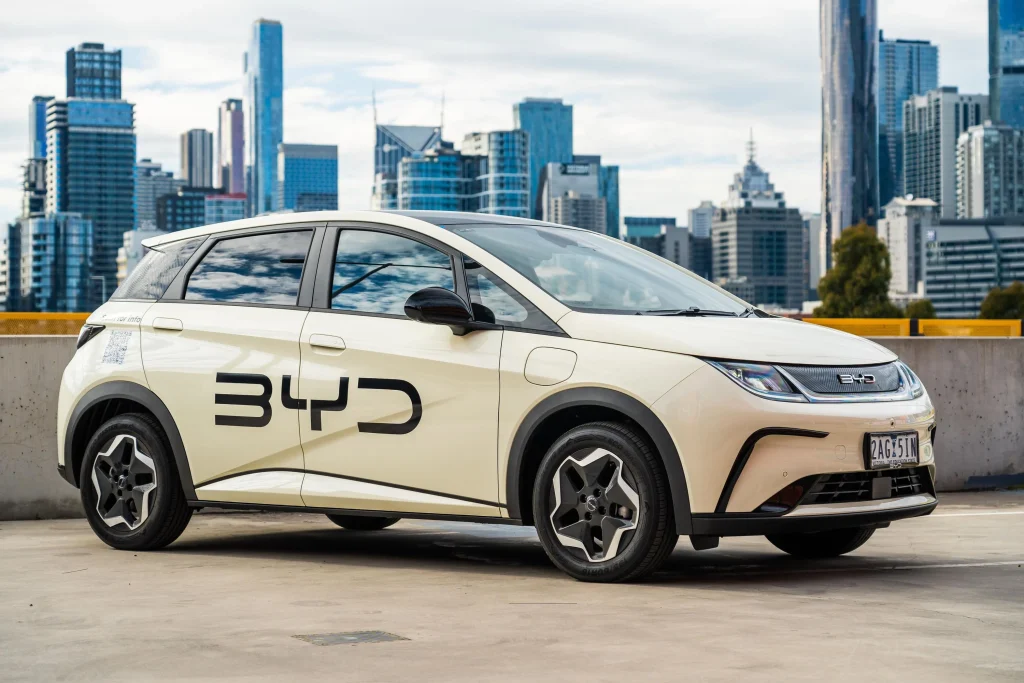
Chinese brands have been expanding their European operations at a time when established automakers are dealing with high production costs, expensive electrification programs, and increasingly aggressive competition.
Brands such as BYD, MG, and Omoda have become increasingly familiar names among British consumers, while additional Chinese manufacturers are preparing to expand their presence.
Their growth has been particularly noticeable in the electric-vehicle market because Chinese companies have developed substantial expertise in batteries, electric drivetrains, and vehicle software.
BYD has been one of the most aggressive players. The company has expanded its British lineup rapidly and has used competitive pricing to challenge established manufacturers. Its growth demonstrates how quickly a new brand can gain attention when it combines electric technology with pricing that undercuts some established competitors.
MG, which is owned by China’s SAIC Motor, has also established a significant position in Britain. The brand benefits from an existing dealer network and strong consumer recognition, allowing it to compete more directly with mainstream European and Japanese manufacturers.
The rise of Chinese brands is forcing established automakers to rethink pricing and product positioning.
For years, European manufacturers had considerable control over the British market, supported by long-established brands, extensive dealer networks, and strong customer loyalty. Chinese companies are now challenging that structure by offering vehicles that often combine generous standard equipment with competitive pricing.
That pressure is especially significant in the EV sector, where buyers are already comparing vehicles on range, charging speed, technology, and price rather than relying solely on brand heritage.
The competitive landscape could become even more complicated as additional Chinese manufacturers enter Europe.
A Changing European Automotive Market
The UK results provide a useful snapshot of the broader changes occurring across Europe’s automotive industry.
Electric-vehicle adoption is increasing, but manufacturers are not experiencing identical results in every country. Government incentives, charging infrastructure, taxation policies, and company-car markets can dramatically affect consumer behavior.
Britain’s company-car market has been particularly important for EV adoption because tax advantages have encouraged business users to choose electric vehicles.
The September increase also comes at a crucial point for manufacturers attempting to comply with the UK’s zero-emission vehicle mandate. The rules require an increasing percentage of manufacturers’ new-car sales to be zero-emission vehicles, with penalties possible for companies that fail to meet the required targets.
That regulatory environment gives manufacturers a strong reason to increase EV sales even when private consumer demand remains mixed. The growth in Chinese brands adds another layer to the challenge.
European automakers are already investing billions of euros to develop new electric platforms, batteries, and software. At the same time, they are being forced to compete against companies from China that have built large domestic EV industries and are now taking that experience into international markets.
Price is likely to remain one of the most important battlegrounds. Chinese manufacturers can potentially use competitive manufacturing costs and vertically integrated supply chains to offer attractive pricing.
European manufacturers, meanwhile, must contend with higher production costs and significant investments required to transition existing factories toward electrification.
That does not mean Chinese companies will automatically dominate the market. European brands retain strong customer loyalty, established dealer networks, and a long history of selling vehicles in Britain. They also have increasingly competitive EV lineups of their own.
But the arrival of Chinese manufacturers gives British consumers more choice and increases pressure on every established automaker.
The September figures also show that the UK market itself remains relatively healthy despite economic uncertainty. A 12% increase to the strongest September since 2017 indicates that consumers and fleet operators are still willing to commit to new vehicles when the right products and financial incentives are available.
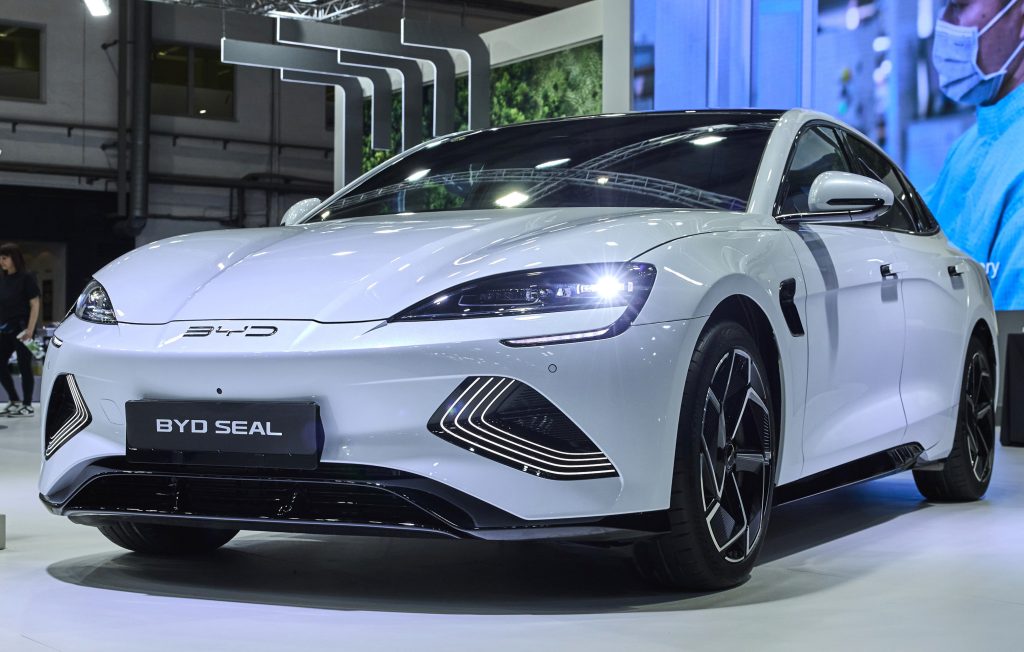
The most important question is whether that momentum can continue beyond the major September registration period.
If EV demand remains strong during the final months of 2026, manufacturers may finish the year with a significantly higher electric-vehicle mix. Continued growth from Chinese brands could also accelerate competition across the market, particularly as more affordable electric models reach British showrooms.
For established automakers, the September results offer both encouragement and a warning. The market is growing, but much of that growth is occurring in the areas where competition is changing fastest.
Electric vehicles are gaining ground, Chinese manufacturers are becoming more influential, and consumers have more choices than ever. The UK’s latest registration figures therefore highlight a market that is not simply recovering in volume but changing rapidly in composition.
The manufacturers best positioned for the next phase will be those capable of combining competitive pricing with attractive electric products while responding quickly to increasingly demanding consumers.