
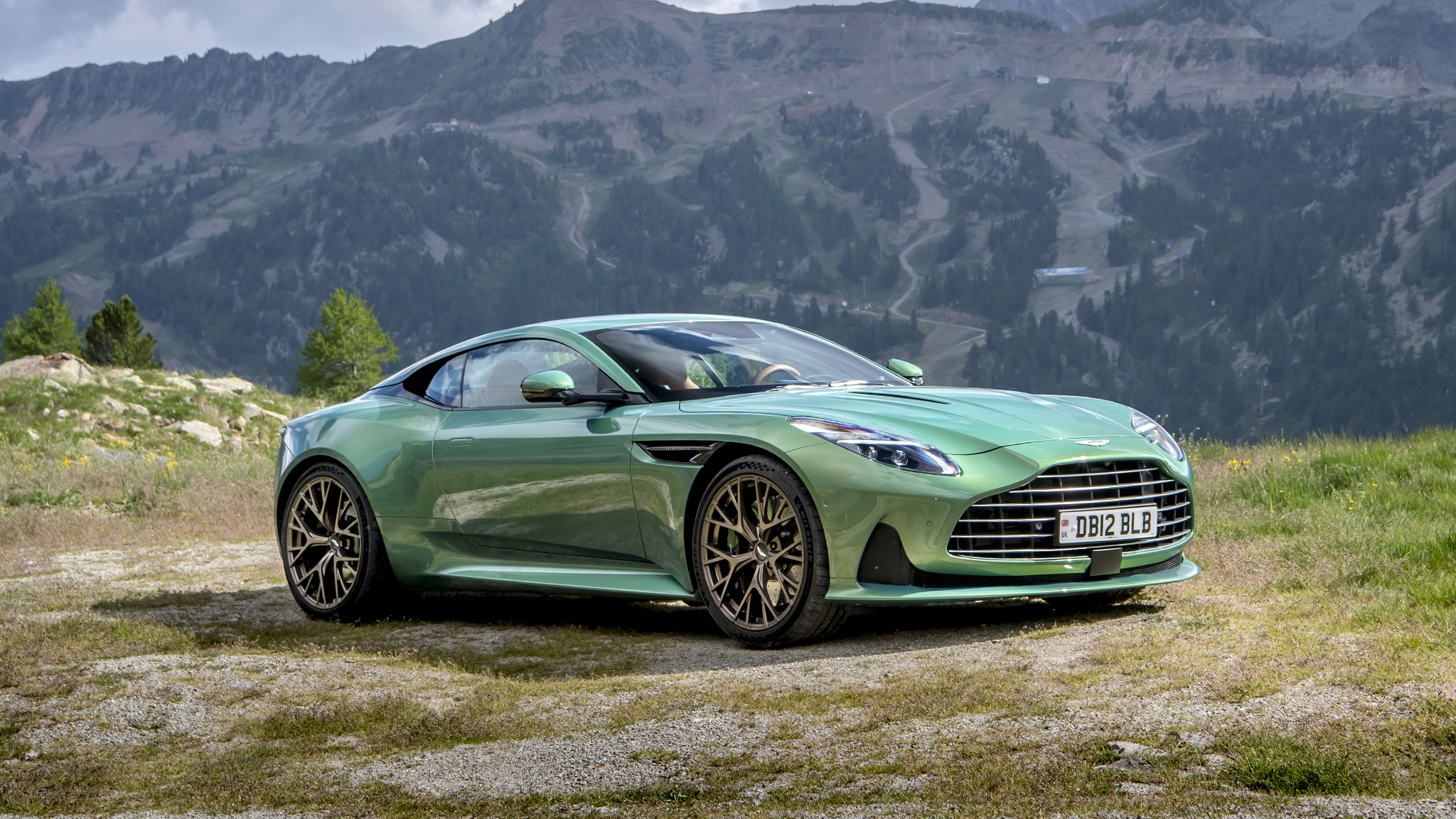
Aston Martin is once again pushing back the arrival of its first fully electric vehicle, extending a strategic rethink of how the British luxury automaker approaches electrification.
Rather than moving quickly toward an all-electric lineup, Aston Martin now intends to keep V8- and V12-powered models in production for longer as customer demand for battery-electric luxury cars remains uncertain.
The decision highlights a broader challenge facing high-end automakers. Wealthy buyers have generally been less willing than expected to abandon combustion engines, particularly in the most expensive segments where performance, sound, character, and brand heritage remain central to the ownership experience.
Aston Martin had previously targeted 2025 for the launch of its first battery-electric model. That target was later pushed back, and the company is now taking a more cautious approach to its electric strategy.
The automaker has instead emphasized a mix of powertrain technologies, allowing it to continue selling combustion-powered sports cars and SUVs alongside future electrified products.
The change does not mean Aston Martin is abandoning electric vehicles. Instead, it reflects a recognition that the luxury market is developing differently from the mass-market automotive industry.
Aston Martin Extends the Life of Its V8 and V12 Models
Aston Martin’s decision to continue offering V8 and V12 engines is particularly significant because the company has historically positioned its powertrains as a defining part of the brand.
The V12 has long been associated with Aston Martin’s most prestigious and powerful models, while V8 engines have provided the performance foundation for vehicles such as the Vantage and several other products.
Keeping both engine configurations in the lineup gives Aston Martin additional flexibility as it waits for electric demand to develop more convincingly.
The company had originally planned to introduce its first EV as part of an ambitious electrification program. Aston Martin announced plans several years ago for a range of electric models, including an electric sports car and SUV, as it prepared for increasingly strict emissions regulations and a rapidly changing luxury-car market.
But the economics of luxury EVs have become more complicated. Unlike mainstream manufacturers, Aston Martin sells relatively low volumes. That makes it more difficult to spread the enormous development cost of a new electric platform, battery technology, and software architecture across hundreds of thousands of vehicles.
The company also has to consider what its customers actually want. A buyer spending hundreds of thousands of dollars on a sports car may be more concerned with driving character and exclusivity than with maximizing efficiency.
The emotional appeal of a V8 or V12 can therefore remain a major selling point even as governments and mainstream automakers push toward electrification.
Aston Martin’s strategy increasingly reflects that reality. Rather than replacing its combustion models immediately, the company can continue developing them while using hybridization and other technologies to reduce emissions where appropriate.
This approach also gives Aston Martin more time to determine what kind of EV would genuinely fit the brand rather than rushing a battery-electric model to market simply to meet a previously announced timetable.
Luxury Buyers Are Not Moving to EVs at the Expected Pace
The change in Aston Martin’s plans reflects a broader slowdown in the transition to electric vehicles among luxury customers.
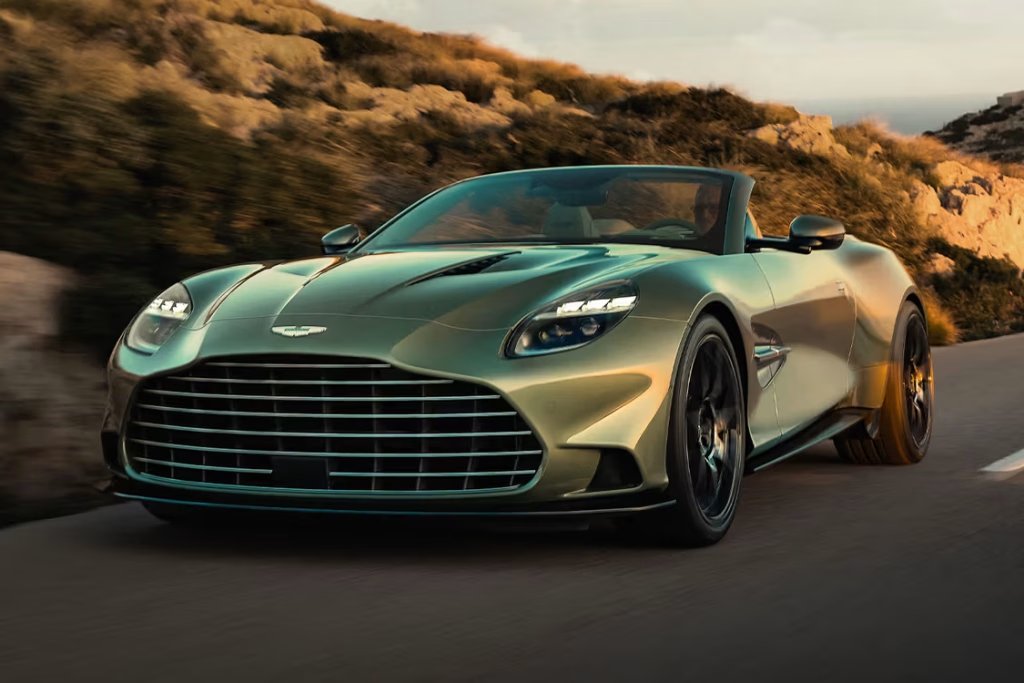
Electric vehicles have become increasingly capable, with rapid acceleration, long driving ranges, and sophisticated technology. However, those advantages have not eliminated the emotional appeal of conventional engines, particularly among buyers who purchase high-performance cars as lifestyle products rather than simply as transportation.
For Aston Martin, that distinction is crucial. The company’s vehicles are designed to offer a combination of performance, craftsmanship, design, and driving emotion. A large part of that experience has traditionally been tied to the mechanical character of an internal-combustion engine.
An electric motor can provide enormous performance, but it produces that performance in a fundamentally different way. For some luxury buyers, instant acceleration is attractive. For others, the sound, vibration, and response of a high-performance V8 or V12 remain irreplaceable.
The market has therefore developed into a more complicated environment than many luxury automakers anticipated.
Several high-end manufacturers have adjusted their EV strategies as demand growth has slowed in important markets. Companies that once expected wealthy customers to move rapidly toward battery-electric vehicles are increasingly maintaining combustion and hybrid options for longer.
Aston Martin is particularly exposed to this issue because of its relatively small scale. A mass-market manufacturer can sell hundreds of thousands of EVs and spread development expenses across a large customer base. Aston Martin has fewer opportunities to recover the enormous investment required to create a dedicated electric vehicle.
That makes timing critical. Launching an expensive EV before customers are ready could leave the company with a technologically advanced product that sells in insufficient numbers. Waiting longer allows battery technology, charging infrastructure, and customer expectations to mature.
For Aston Martin, delaying its first EV therefore provides more than additional development time. It allows the company to understand where the luxury market is heading before committing significant resources to a single powertrain direction.
A More Flexible Electrification Strategy
Aston Martin’s revised approach does not remove electrification from its future product plans. Instead, the company is placing greater emphasis on flexibility.
Hybrid powertrains can play an important role in that strategy because they allow Aston Martin to retain combustion engines while adding electric assistance. This can provide additional performance while helping reduce fuel consumption and emissions.
The company already uses electrified technology in some of its products, including plug-in hybrid systems. The Valhalla supercar, for example, combines a twin-turbocharged V8 with electric motors to produce an exceptionally powerful hybrid drivetrain.
That type of technology offers Aston Martin a way to move toward electrification without immediately abandoning the engines that define much of its identity. It also provides a bridge toward the eventual introduction of fully electric vehicles.
The first Aston Martin EV will need to be more than simply fast. The company will need to demonstrate that an electric powertrain can deliver the design, exclusivity, driving experience, and emotional appeal expected from the brand.
That may explain why Aston Martin is reluctant to rush the project. Its position in the luxury market also gives the company another advantage, as its customers are less likely to rely on a single vehicle.
A wealthy buyer may own several cars and can therefore choose an Aston Martin V12 for weekend driving while using an EV from another manufacturer for daily transportation.
That makes the decision to preserve combustion engines commercially logical. Aston Martin can continue selling emotionally appealing gasoline-powered vehicles while gradually introducing electrification when its customers are more receptive.
The strategy could also allow the company to maximize the remaining commercial life of its V8 and V12 products. As mainstream manufacturers eliminate combustion engines, traditional high-performance powertrains could become increasingly distinctive in the luxury segment.
For Aston Martin, that exclusivity could become part of the product’s appeal rather than simply an obstacle to electrification.
The company still faces significant pressure to reduce emissions and adapt to tightening regulations, particularly in Europe. It will therefore need to balance its desire to preserve combustion-powered models with increasingly demanding environmental requirements.
That makes hybrid technology and improved combustion efficiency important components of the transition.
Aston Martin’s decision ultimately reflects the unusual position occupied by ultra-luxury automakers. While the broader industry continues investing heavily in electric vehicles, customers at the top end of the market are not necessarily following the same path as mainstream buyers.
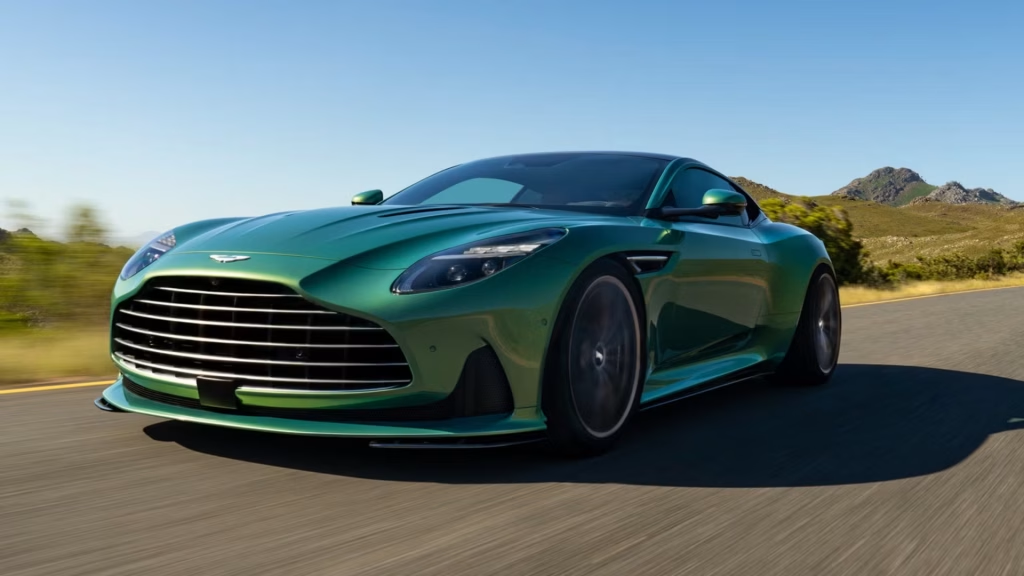
The company now has more time to determine what its first EV should represent and when customers will be prepared to embrace it.
For now, the V8 and V12 remain important parts of Aston Martin’s identity and product strategy. Rather than treating electrification as a race to eliminate combustion engines, the British automaker is choosing a slower transition that gives its traditional powertrains more time while it waits for the luxury EV market to mature.
The eventual arrival of Aston Martin’s first EV will therefore be significant not simply because it marks a technological milestone, but because it will show whether the company can translate its traditional performance and craftsmanship into an electric format without losing the character that has defined the marque for generations.
