

The U.S. new-vehicle market may be entering a period in which annual sales remain below the levels automakers became accustomed to before the pandemic.
Industry forecasters expect light-vehicle sales to reach roughly 16.1 million units in 2026, with only modest growth through the end of the decade. The bigger issue is not a lack of vehicles at dealerships, but whether enough consumers can afford to buy them.
For manufacturers, the forecast points to a structural change. Vehicle prices, financing costs, and household budgets are increasingly shaping purchasing decisions, while some Americans are keeping existing vehicles longer or turning to the used market.
Affordability Is Holding Back New-Vehicle Sales
The U.S. market has changed considerably since the pandemic disrupted vehicle production. Supply shortages initially pushed inventories to unusually low levels and caused new-vehicle prices to rise sharply. Production has since recovered, but prices have remained elevated enough to keep some buyers away.
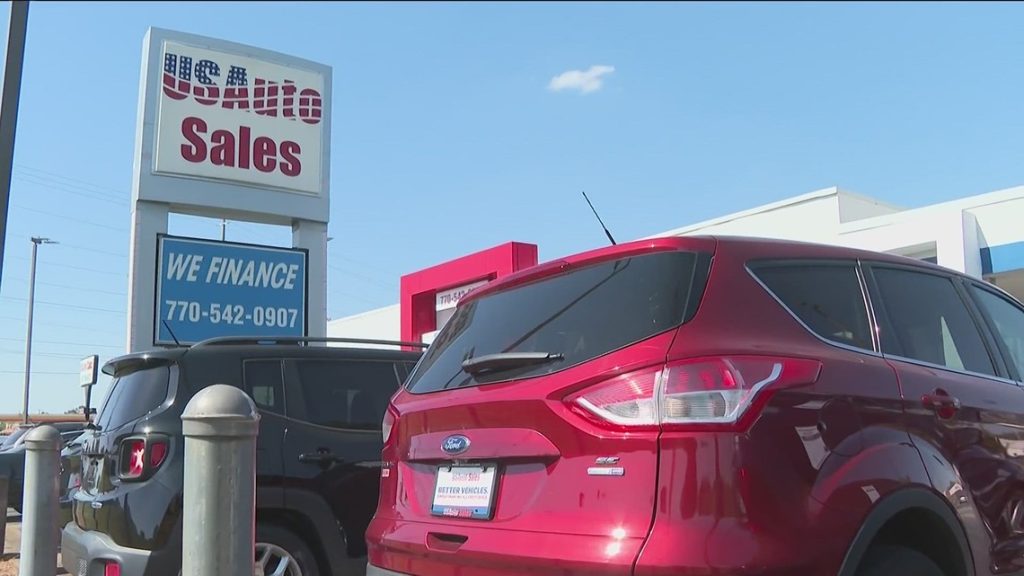
That creates a different problem from the shortages of the early 2020s. Dealers can have vehicles available, but consumers may not be willing or able to purchase them.
Financing costs make the situation more difficult. Even when a buyer can afford the sticker price, higher interest rates can substantially increase the monthly payment and total cost of ownership. For households already dealing with higher expenses for housing, insurance, and other necessities, a new-car payment can become difficult to justify.
Replacement cycles are consequently getting longer. Owners who might previously have traded in after several years can find it cheaper to repair an existing vehicle than take on a new loan, reducing replacement demand.
The forecast of approximately 16.1 million sales in 2026 therefore reflects more than a temporary slowdown. It suggests affordability is limiting the number of consumers able to participate in the new-vehicle market.
Why 17 Million Sales May No Longer Be the Normal Benchmark
For several years before the pandemic, U.S. light-vehicle sales regularly approached or exceeded 17 million units annually. Those volumes encouraged automakers to maintain large production operations and invest heavily in new factories, vehicle platforms, and technology.
The current market is different. Even if sales recover, the expected pace is modest. A market reaching around 16.4 million vehicles by the end of the decade would remain below the old benchmark, representing hundreds of thousands of fewer annual sales for automakers, suppliers, and dealers.
That difference can also affect factory planning. If companies maintain production capacity around expectations of 17 million or more annual U.S. sales, they could face excess capacity if demand remains closer to 16 million.
The issue is particularly important as manufacturers manage expensive investments in electric vehicles. Companies have committed billions of dollars to battery plants, EV platforms, and production equipment based on expectations that electric demand would grow rapidly.
The slower market makes those investments harder to recover. Automakers are consequently becoming more cautious about product plans and production capacity.
Instead of assuming that every new technology will generate additional sales, manufacturers have to determine which products are most likely to win customers within a limited market. That makes product mix increasingly important.
Hybrids Could Gain From the New Market
The affordability problem is also occurring as consumer preferences change. Hybrids have become attractive because they offer better fuel economy without requiring the charging infrastructure associated with an EV. When gasoline prices rise, they provide a middle ground for buyers seeking lower fuel costs.
Automakers with strong hybrid lineups therefore have another tool for attracting customers. Toyota has built a particularly broad hybrid portfolio, while Honda, Hyundai, and Kia have also expanded their offerings. Ford has increased its focus on hybrid pickups and SUVs as demand for fuel-efficient vehicles grows.
Hybrids can also appeal to buyers who want electrification without paying an EV premium. But they cannot solve the industry’s sales problem by themselves. Replacing a gasoline vehicle with a hybrid still produces only one new-vehicle sale. The central issue remains affordability.
Automakers continue to prioritize pickups, SUVs, and crossovers because these vehicles attract buyers and generate strong profits. However, their higher prices can create a challenge when household budgets become tighter. Manufacturers may favor high-margin models, while cost-conscious shoppers may increasingly look toward smaller and more affordable vehicles.
A buyer who cannot afford a $45,000 or $50,000 vehicle may instead purchase used or postpone the purchase. That helps explain why sales could remain below their previous peak even if economic conditions improve.
Automakers may eventually need to reconsider how much emphasis they place on larger vehicles and whether they can profitably offer more affordable models.
That will not be easy. Modern safety equipment, technology, materials, and labor all add to production costs. Producing an inexpensive vehicle while maintaining acceptable margins has become more difficult than it was several decades ago.
EVs Add Complexity to the Industry’s Planning
Electric vehicles add another variable. Automakers remain committed to electrification, but demand has not developed exactly as many expected. Concerns about charging, price, and range, along with continued preference for gasoline and hybrids, have forced companies to reconsider the pace of EV investment.
A smaller market makes those decisions more important. If fewer vehicles are sold, automakers have less room for mistakes and a greater need for flexible production strategies.
A factory capable of producing different powertrains can be more valuable than a facility dedicated entirely to one technology if market conditions remain uncertain.
The same principle applies to vehicle development. Automakers may need to offer gasoline, hybrid, and electric versions across important segments rather than betting everything on a single powertrain.
The forecast of roughly 16.1 million U.S. light-vehicle sales in 2026 does not describe a collapsing industry. It describes an industry operating below the volumes it once considered normal. Millions will still buy new vehicles, but the size of the market may be permanently different.
If sales reach only around 16.4 million units by the end of the decade, manufacturers will have to plan around that reality rather than assuming 17 million or more sales are just around the corner.

The biggest factor will remain affordability. Lower financing costs, stronger household incomes, and more reasonably priced vehicles could bring some buyers back into the new-car market. A wider selection of affordable hybrids could also help.
But unless the cost of purchasing a new vehicle becomes more manageable, many consumers will continue extending ownership of their existing cars. That would leave the U.S. industry with a smaller but still highly competitive market.
For automakers, the priority will be matching production and investment to actual demand rather than relying on the sales volumes of the past. The companies that can control costs, offer attractive products, and respond quickly to changing powertrain preferences will be better positioned.
The 17-million-unit U.S. market may eventually return, but current forecasts suggest manufacturers should not build their strategies around that assumption.
The next phase of the American auto industry could instead be defined by roughly 16 million annual sales, tighter consumer budgets, and a continuing battle over which vehicles offer the best value.
