
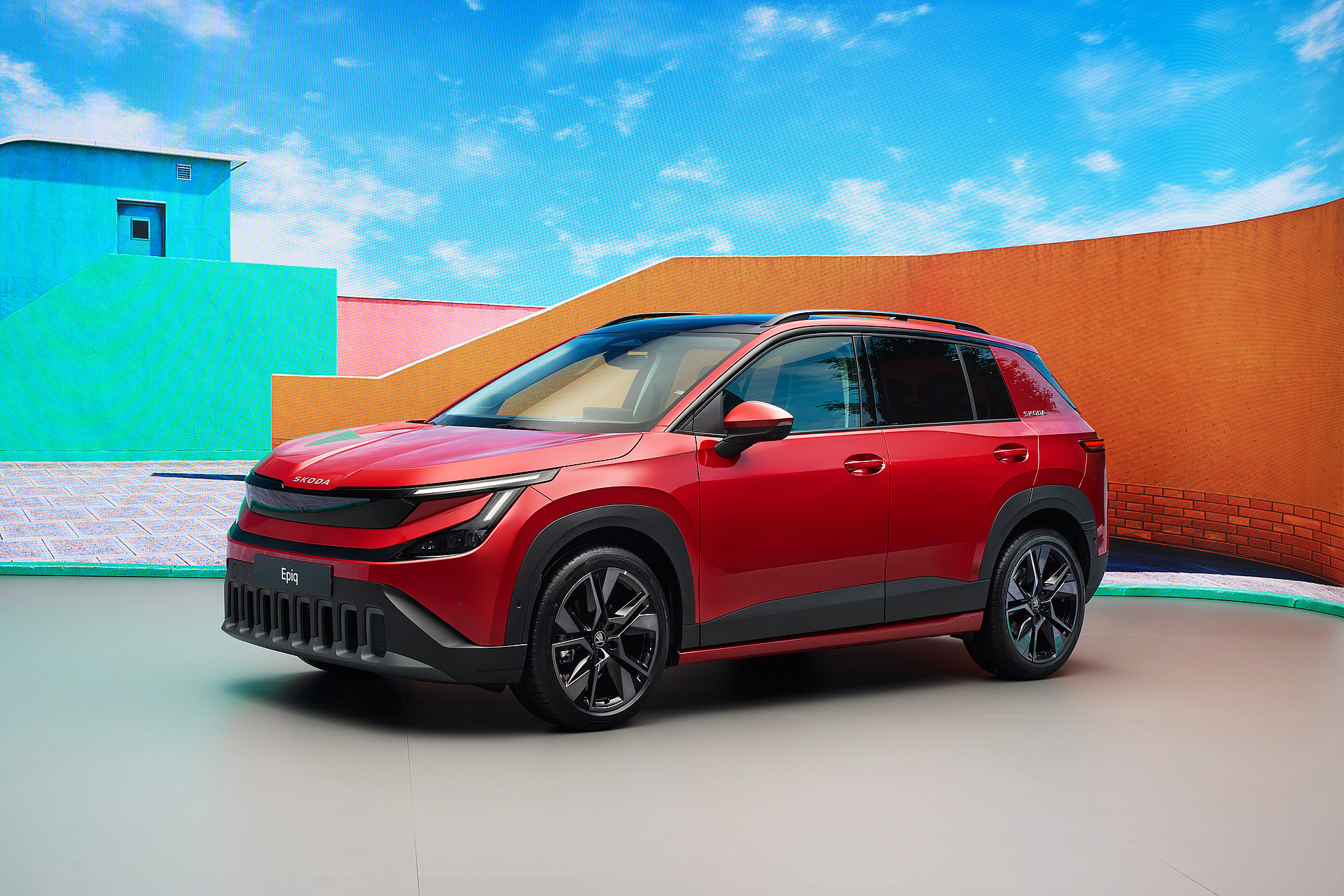
Europe’s electric-car market is entering a new phase of growth, with battery-electric vehicles reaching record sales levels while automakers introduce a much larger selection of lower-priced models.
According to a new analysis from Transport & Environment, 1.64 million battery-electric vehicles were sold across the European Union between January and August 2026, an increase of 45% from the same period a year earlier.
The increase has pushed battery-electric vehicles to a 22% share of the EU market during the first eight months of 2026. In August alone, BEVs reached 28% of new-car sales. During the second quarter, electric cars also surpassed pure gasoline vehicles for the first time over a full quarter, accounting for 22% of EU sales.
Transport & Environment says the current EU car CO₂ targets are a major reason for the acceleration. The organization argues that regulations are encouraging automakers to increase electric-car sales while bringing more affordable models to market, creating a wider selection for buyers who previously faced a much higher entry price for an EV.
The development is particularly important because Europe’s electric-car market has historically been concentrated in larger and more expensive vehicles. The arrival of smaller models is beginning to change that pattern, potentially making battery-electric technology accessible to a much broader group of European consumers.
BEV Sales Are Reaching New Highs Across Europe
The latest numbers show that the increase in EV adoption is not confined to one or two countries. Transport & Environment says 19 of the EU’s 27 member states recorded their highest-ever quarterly BEV sales in the second quarter of 2026. Ten countries saw battery-electric vehicles outsell pure gasoline cars during that quarter.
The largest European markets are providing much of the volume. France and Germany together accounted for roughly half of EU BEV sales during the first half of 2026. Their progress accelerated considerably during the summer, with BEVs reaching a 38% share of new-car sales in France and 32% in Germany during August.
Other markets are also growing quickly, although their absolute EV penetration remains lower. T&E reported that BEV sales increased 69% in Italy, 151% in Slovenia, and 103% in Bulgaria during the period covered by its analysis. Those increases show that electric-car adoption is spreading beyond Europe’s traditionally strongest EV markets.
The first-half data provide another indication of the market’s direction. T&E calculated that BEVs represented 20.7% of EU27 sales during the first half of 2026, compared with 17.4% during the same period in 2025. The improvement represents a three-percentage-point increase in market share within a single year.
The shift also reflects a changing product mix. European automakers accounted for seven of the 10 best-selling BEV models in T&E’s 2026 analysis, showing that established manufacturers are beginning to benefit from the stronger demand created by the latest wave of electric products.
This is significant because European manufacturers have faced increasing competition from Chinese companies, which have developed electric vehicles rapidly and gained substantial scale in batteries, vehicle platforms, and manufacturing.
T&E argues that European automakers need to maintain the current pace of development if they are to remain competitive globally. The organization estimates that current EU regulations could allow European manufacturers to close much of their BEV sales gap with Chinese automakers by 2035.
Affordable EV Choices Are Expanding Quickly
One of the most important changes identified by T&E is the growing availability of electric cars below $28,153 (€25,000). The organization expects sales of BEV models starting below that price to increase sevenfold in 2026 compared with 2024.
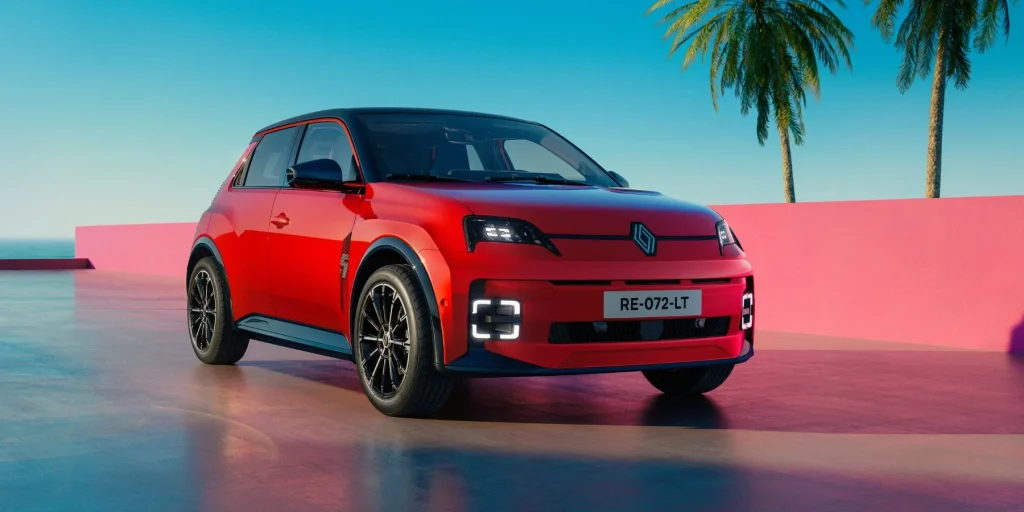
The number of models available at this price point is also increasing. T&E expects 16 BEV models priced below $28,153 (€25,000) to be available in Europe by the end of 2026, twice as many as the previous year. Four of those models are expected to start below $22,538 (€20,000).
The expansion represents a major change from the earlier stages of Europe’s EV transition, when manufacturers concentrated heavily on premium vehicles, large SUVs, and higher-priced electric models.
T&E’s March 2026 analysis found that the average BEV price in Europe fell by $2,028 (€1,800), or 4%, during 2025 to approximately $48,119.63 (€42,700). The decline was driven largely by the introduction of smaller and more affordable models. In the B-segment, the average BEV price fell 13%.
Models such as the Renault 5 and Citroën ë-C3 have helped demonstrate that manufacturers can bring relatively affordable electric vehicles to European customers. T&E said the share of affordable BEVs priced below $28,153 (€25,000) increased from 3% of sales in 2024 to 6% in 2025.
The organization’s latest report expects the trend to continue. Sales of sub-$28,153 (€25,000) EVs are projected to rise another 34% in 2027, potentially reaching almost 10 times their 2024 level. Models priced below $33,807 (€30,000) are expected to approach one-quarter of the EV market in 2027.
The change matters because affordability remains one of the biggest barriers to mainstream EV adoption. While battery prices and other component costs have fallen, the average electric vehicle has remained expensive because manufacturers have increasingly focused on larger vehicles.
T&E estimates that the shift toward larger vehicles and larger batteries added approximately $17,467 (€15,500) to the average BEV price since 2020.
Falling battery and component costs offset about $11,832.45 (€10,500) of that increase, leaving the average BEV around $5,634 (€5,000) more expensive than it would have been without the market’s move toward larger vehicles. The introduction of smaller vehicles is now beginning to reverse that trend.
EU CO₂ Targets Are Driving the Product Shift
Transport & Environment directly links the increase in affordable EV availability to the EU’s vehicle CO₂ regulations. The organization says automakers had relatively little incentive to introduce inexpensive electric vehicles between 2021 and 2024 because the regulatory targets were largely flat. The stronger 2025-2027 targets changed that calculation.
The current rules require manufacturers to reduce fleet-average CO₂ emissions, giving them a strong commercial reason to increase BEV sales.
T&E says automakers representing approximately half of the European market had already closed 75% of the gap to their 2025-2027 CO₂ targets halfway through the compliance period. Several major manufacturer groups had already reached their targets by mid-2026.
Volkswagen provides one example of how the regulatory pressure is influencing product planning. T&E expects Volkswagen to reach a 22% BEV share in Europe during 2026 and 26% in 2027, helped by new smaller electric models including the ID.
Polo, Cupra Raval, and Škoda Epiq. Volkswagen’s European order book had already reached a 31% BEV share in June, according to T&E.
The organization believes the next major opportunity lies below $22,538 (€20,000). It expects around 10 models priced at or below that level to be available by 2028, including future small EVs from Renault, Volkswagen, Dacia, and Stellantis brands.
T&E estimates that the current availability gap between affordable EVs and combustion vehicles could largely disappear in the $22,538 (€20,000)-$28,153 (€25,000) range by 2028. However, the cheapest end of the market will remain more difficult because combustion vehicles still have a much broader selection below $22,538 (€20,000).
The stakes are therefore extending beyond sales figures. T&E warns that weakening the EU’s 2030 CO₂ target could slow the introduction of affordable EVs.
Under the policy scenario examined by the organization, BEV market share could stall at 22% in 2030 instead of reaching 47%, while sales of vehicles priced below $28,153 (€25,000) could fall by nearly three-quarters compared with the current regulatory trajectory.
The report also argues that maintaining the targets could improve the competitiveness of European automakers by forcing greater scale and accelerating investment in lower-cost EV platforms. T&E says several manufacturers now expect electric vehicles to reach profit-margin parity with combustion models before the end of the decade.
Europe’s EV Competition Is Becoming More Intense
The growing availability of affordable electric cars is changing the competitive landscape for European automakers. Chinese manufacturers remain a major challenge because they have achieved substantial scale in battery production and dedicated EV platforms.
T&E’s data show that European manufacturers still have a strong position in the region. They accounted for nearly 60% of available BEV models in the first half of 2026, while Chinese manufacturers accounted for 21%.
Around 60 new BEV models are expected to enter the European market during 2026, nearly four times the average annual number launched between 2021 and 2025.
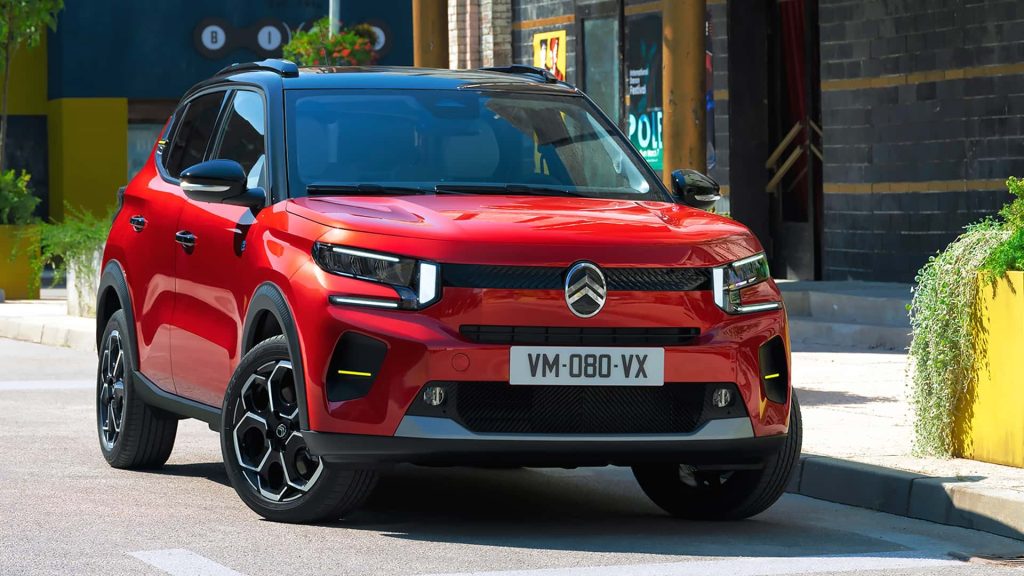
That increase in choice could become one of the most important developments in the European EV market. Consumers are no longer being offered only expensive electric SUVs and premium sedans.
Smaller hatchbacks and entry-level vehicles are increasingly appearing in showrooms, giving buyers more opportunities to switch to electric power without moving into a much higher price bracket.
T&E’s latest findings suggest that the European EV market has reached a significant transition point. BEVs are achieving record sales, gasoline vehicles have been overtaken for a full quarter, and the number of affordable electric models is increasing rapidly. At the same time, automakers are using the current CO₂ targets to accelerate development and sales.
The next test will be whether that momentum can continue as Europe approaches the more demanding 2030 targets. Maintaining regulatory pressure could encourage manufacturers to keep expanding affordable EV offerings, while weakening those requirements could reduce the incentive to develop smaller, lower-cost models.
For European consumers, the immediate result is a rapidly expanding choice of electric vehicles at more accessible prices. For automakers, the shift represents both an opportunity and a competitive requirement.
Europe’s record 2026 EV performance shows that demand is strengthening, but the industry’s ability to sustain that growth will depend heavily on whether manufacturers continue bringing affordable models to market and whether the EU maintains the policies driving that product expansion.
