
Stellantis is on course to increase vehicle production in Italy in 2026 after two consecutive years of declining output, although the recovery remains uneven across its factories and is still below the automaker’s earlier expectations.
The FIM Cisl union expects Stellantis to build around 450,000 vehicles in Italy this year, including more than 250,000 passenger cars. That would represent a significant improvement from the 379,706 vehicles produced in 2025 and mark the first annual increase after two years of contraction.
The latest figures show that the recovery is already underway. Stellantis assembled 340,745 vehicles during the first nine months of 2026, an increase of 28.3% compared with the same period in 2025.
Passenger-car production rose 36.7% to 206,945 units, while commercial-vehicle output increased 17.3% to 133,800 units, according to FIM CISL’s latest production report.
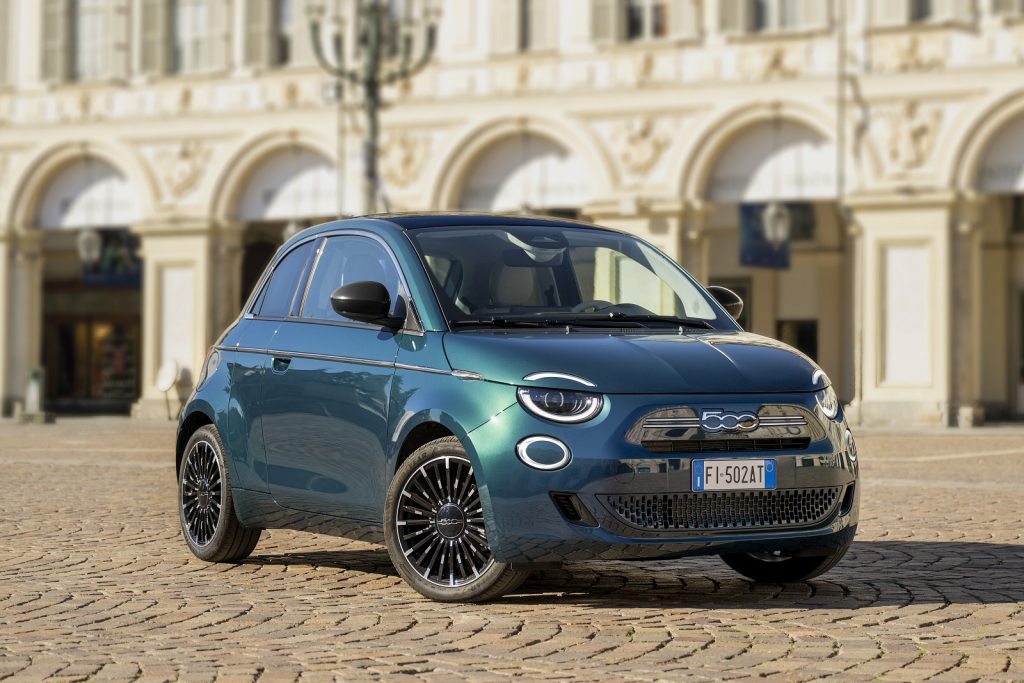
The improvement has been driven by several important product launches, particularly the new Jeep Compass produced at Melfi and the hybrid Fiat 500 assembled at Mirafiori. The Fiat Panda has also maintained strong production volumes and helped compensate for weakness elsewhere in the Italian manufacturing network.
However, the projected 450,000-unit result should not be interpreted as a complete recovery for Stellantis’ Italian industrial operations. Production remains below the levels seen before the recent downturn, while some factories continue to face severe volume problems.
New Models Drive a Sharp Production Recovery
The strongest gains have appeared at plants benefiting from newer vehicle programs. The Melfi plant, which produces the Jeep Compass, recorded a major increase in output during the first nine months of 2026.
FIM Cisl reported that vehicle production at the site rose 77.2% compared with the same period of 2025. The launch of the new Compass has therefore become one of the most important contributors to Stellantis’ Italian recovery.
Mirafiori has also experienced a dramatic improvement. Production there increased 151.1% during the first nine months, helped by the introduction of the hybrid Fiat 500.
Stellantis had previously outlined a strategy centered on producing the hybrid 500 at Mirafiori alongside the battery-electric version of the model and continuing transmission production at the Turin facility.
The hybrid Fiat 500 is particularly important because it represents an effort to keep a major Italian plant active while adapting the Fiat brand to changing consumer demand and European emissions requirements. Production of the model officially began at Mirafiori as part of Fiat’s wider product strategy.
The Fiat Panda is another important part of the recovery. FIM Cisl said the Panda’s solid production performance, combined with the Jeep Compass and hybrid 500, helped reverse some of the losses recorded during 2025.
Fiat’s own sales data also show continued strength for the Panda family in Italy, with the Pandina Hybrid ranking as the country’s best-selling car in September.
Additional production programs arriving later in 2026 are expected to provide further support. FIM CISL said new models entering production before the end of the year should help Stellantis maintain the upward trend.
The union’s report identifies planned production of the DS 7 and Lancia Gamma as additional contributors during the final quarter.
The numbers also illustrate how much Stellantis’ Italian production base had fallen. In 2025, the company produced just 379,706 vehicles in Italy, including 213,706 passenger cars. FIM Cisl described the passenger-car figure as the lowest level in more than seven decades.
The projected 450,000 vehicles for 2026 would therefore amount to an increase of roughly 18.5% from last year’s total.
Fiat 500 Recovery Faces Supply and Demand Problems
Despite the strong increase at Mirafiori, the hybrid Fiat 500 has not reached the production volume Stellantis originally anticipated.

FIM Cisl now expects production of the hybrid Fiat 500 to reach roughly 60,000 units in 2026, well below Stellantis’ original target of 100,000. The shortfall stems from two main issues. Production has been disrupted repeatedly by shortages of engine components, while customer demand has also fallen short of initial expectations.
That shortfall is significant because the hybrid 500 was expected to be one of the major products supporting Mirafiori. While the model has helped lift output substantially compared with last year’s depressed production levels, it has not yet generated the volume that Stellantis had originally planned.
The situation demonstrates one of the central challenges facing the automaker in Italy. Launching new models can quickly improve factory utilization, but those gains depend on both reliable component supplies and sufficient market demand. A vehicle program can therefore contribute to a production rebound while still falling short of its business plan.
Stellantis’ broader Italian manufacturing footprint also remains uneven. While Melfi and Mirafiori have benefited from new products, Cassino has moved in the opposite direction.
FIM Cisl reported that Cassino was the only Italian passenger-car assembly plant to record a decline during the first nine months of 2026. Production fell 37.1% to just 8,897 vehicles, with the union estimating that the plant could finish the year at around 12,000 vehicles.
That contrast is important because it shows that the headline 450,000-unit forecast masks substantial differences between individual facilities. Some plants are benefiting from fresh investment and new vehicle launches, while others continue to struggle with insufficient production volumes.
Stellantis has previously announced plans to introduce new models and platforms at several Italian plants. Its Italy plan includes the STLA Large platform at Cassino, with the Alfa Romeo Stelvio and Giulia among the models planned for production there.
The company has also outlined additional future programs for other factories, including new compact vehicles at Pomigliano.
Recovery Still Falls Short of Italy’s Ambitions
The projected 450,000 vehicles represent an important improvement, but they do not return Stellantis’ Italian operations to their previous production levels.
FIM CISL’s figures show that the first nine months of 2026 have produced a clear year-over-year rebound, yet the union stressed that production remains below earlier volumes. The recovery is therefore better described as a reversal of the recent decline rather than a full return to normal capacity.
The distinction matters for Italy, where Stellantis remains the country’s only major domestic automaker and a critical part of the automotive manufacturing ecosystem. Factory volumes affect not only Stellantis employees but also suppliers and other companies that depend on the group’s production network.
The Italian government has also set much more ambitious goals for domestic vehicle production. The country has discussed a target of reaching one million vehicles produced annually by 2030, making the projected 450,000 Stellantis vehicles in 2026 an important but incomplete step toward that objective.
For Stellantis, the immediate priority will be sustaining the production gains created by the Jeep Compass, hybrid Fiat 500, and Panda while addressing weak points elsewhere in the network.
Reliable engine-component supplies will be particularly important for the 500, while factories with low utilization need additional products to stabilize employment and production.
The 2026 rebound nevertheless represents a meaningful change from the previous two years. With 340,745 vehicles already built through September and more new models scheduled to contribute during the final months, Stellantis is positioned to finish the year substantially ahead of 2025.
Whether that improvement develops into a sustained recovery will depend on the performance of the new models, consumer demand, and the company’s ability to allocate additional production programs across its Italian plants.
For now, the 450,000-unit forecast signals that the decline has been interrupted, but the figures also show how much ground Stellantis still has to regain.