
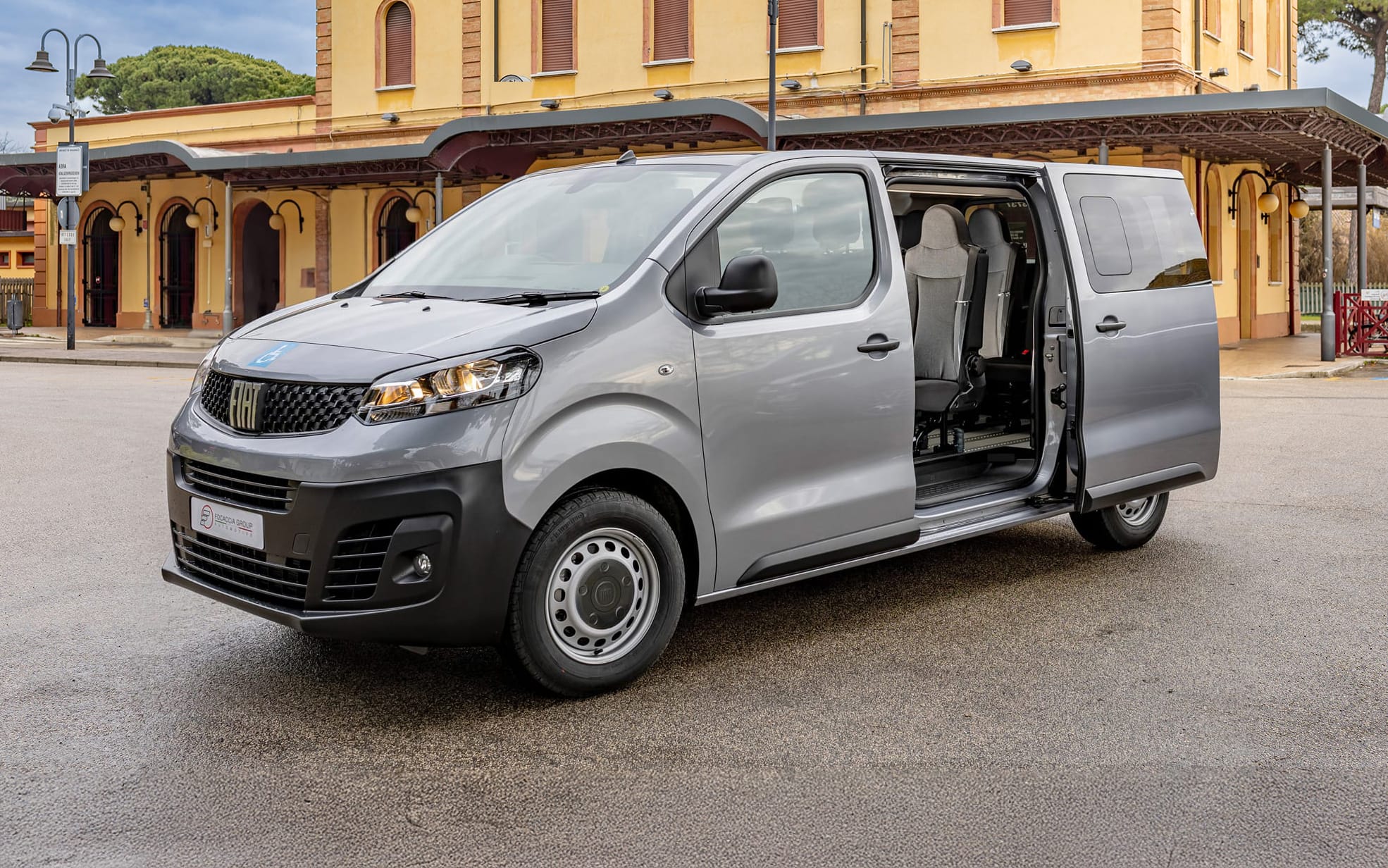
Fiat Professional has opened orders across Europe for the 2027 Scudo, introducing a simpler model range aimed at making the mid-size commercial van easier for businesses and fleet operators to specify. The updated Scudo retains Fiat Professional’s multi-energy strategy, combining internal-combustion powertrains with battery-electric versions.
The MY27 Scudo arrives with a revised three-trim structure, streamlined option packages, and equipment changes intended to separate the range more clearly according to different professional uses. The three versions are called Easy Pro, City Pro, and Business Pro, with each one adding equipment and technology as customers move up the range.
The latest update comes as European commercial-vehicle manufacturers face growing pressure to offer both conventional and zero-emission solutions.
Instead of forcing every customer into one powertrain, Fiat Professional is keeping combustion and electric versions available so businesses can select a vehicle according to their routes, operating environment, and daily workload. The company says orders for the MY27 Scudo are now open throughout Europe.
Three Trim Levels Simplify the Scudo Range.
The biggest change for the 2027 model year is not a new body or an entirely new vehicle. Instead, Fiat Professional has reorganized how customers choose the Scudo.
The entry-level Easy Pro is designed around essential equipment for everyday commercial use. Standard features include manual air conditioning, cruise control, and rear parking sensors. This version is intended for buyers who prioritize basic functionality and operating value rather than a long list of comfort and technology features.
The City Pro sits in the middle of the lineup and is positioned particularly toward fleet customers. It adds a two-screen 10-inch color instrument cluster and radio setup, a rearview camera, keyless entry, and LED lighting for the cargo area.
That equipment gives the Scudo a more technology-focused cabin without moving all the way to the most expensive specification. For delivery companies and larger fleets, features such as a rear camera and improved cargo-area illumination can have practical value because the vehicles may be used repeatedly throughout the day.
At the top of the range is the Business Pro. It adds equipment such as blind spot detection, navigation, dual-zone automatic climate control, wireless smartphone charging, and LED headlights.
Fiat Professional has also simplified its package structure while expanding the availability of standalone options. The approach is intended to reduce the complexity that can come with configuring a commercial vehicle, where customers often have very specific requirements based on their work.
The Scudo S-Design Special Series continues alongside the main range. It provides a more distinctive appearance and additional personalization for customers who want their commercial vehicle to stand apart from standard fleet specifications.
The simplified structure could also make the purchasing process easier for fleet managers. Instead of starting with a long list of overlapping equipment packages, buyers can select a trim based on the type of work the vehicle is expected to perform and then add individual options where necessary.
Diesel Power and an Electric Alternative
The MY27 Scudo continues to use Fiat Professional’s multi-energy strategy, although one detail in some initial reports needs clarification.

The combustion engines are not gasoline units. Fiat Professional’s official announcement specifies 1.5-liter and 2.2-liter Multijet4 internal-combustion engines, with outputs reaching up to 180 horsepower. Multijet4 is Fiat’s diesel engine family, so the conventional Scudo range is centered on diesel power rather than gasoline.
The 180-horsepower maximum gives the Scudo enough output for the demands associated with a mid-size commercial vehicle, particularly when it is carrying equipment, goods, or passengers.
The continued availability of diesel is significant because many commercial operators still need predictable range and fast refueling for high-mileage operations.
Delivery fleets, tradespeople, and businesses covering long regional routes may not yet have the charging infrastructure or downtime flexibility required to operate exclusively with battery-electric vans.
At the same time, the electric Scudo provides a zero-tailpipe-emission alternative for businesses operating in urban areas or regions where emissions regulations are becoming stricter.
Fiat Professional has offered the E-Scudo as part of the current-generation range, and previous specifications have included a 75-kWh battery and a 100-kW electric motor producing 136 horsepower.
Fiat’s existing European information lists the E-Scudo with a WLTP range of up to around 205 miles in applicable configurations, although specifications can vary by market and vehicle configuration.
The MY27 announcement itself does not provide a new detailed battery, range, or charging specification for the electric Scudo, so those figures should not be treated as newly introduced MY27 specifications.
That distinction matters because the latest model-year update is primarily focused on simplifying the lineup and equipment structure rather than introducing a completely new electric powertrain.
The Scudo remains based on Stellantis’ mid-size van architecture, which is shared across several commercial vehicles within the group’s portfolio. Fiat Professional has positioned the model as a compact van that combines practical load capacity with relatively easy maneuverability and car-like driving characteristics.
That combination makes the Scudo suitable for a broad range of jobs, from urban deliveries to service work and fleet operations.
A Broader Commercial Strategy for Europe
The MY27 Scudo update also fits into a wider effort by Stellantis to make its commercial-vehicle lineup easier to configure.
The Scudo is one of several mid-size vans within the Stellantis portfolio receiving the simplified model-year structure. Related commercial vehicles include the Citroën Jumpy, Opel Vivaro, and Peugeot Expert, all of which operate in the same highly competitive European mid-size van segment.
Stellantis has described the new approach as a way to provide a clearer progression in equipment while retaining enough flexibility for professional customers.
For Fiat Professional, the strategy is particularly important because commercial-vehicle buyers tend to evaluate vans differently from private-car customers. Purchase decisions can depend heavily on payload requirements, operating costs, downtime, fleet standardization, equipment, and the ability to match a vehicle to a particular route.
A simpler range can therefore reduce the time required to configure a vehicle while making differences between versions easier to understand.
The updated Scudo also retains the fundamental versatility expected from a mid-size commercial van. Depending on configuration and market, the model can serve different body and load-carrying requirements, while its electric version gives operators a way to transition selected routes away from combustion power.
This flexibility is becoming increasingly important across Europe as cities introduce stricter emissions requirements and companies face pressure to reduce the environmental impact of their commercial fleets.
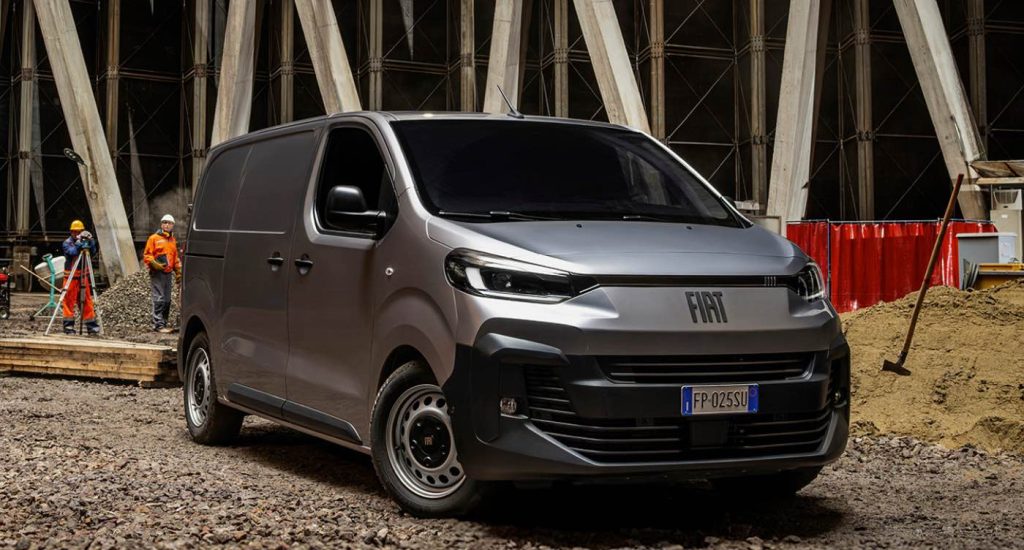
At the same time, diesel remains an important part of the market because commercial users often place a premium on operating range, payload capability, and rapid refueling. Fiat Professional’s decision to keep both powertrain types available reflects the reality that European businesses are moving toward electrification at different speeds.
The 2027 Scudo therefore represents an evolution rather than a complete redesign. Its main changes center on a clearer three-trim structure, simplified packages, and equipment that becomes progressively more comprehensive from Easy Pro to Business Pro.
With diesel power reaching 180 hp and a battery-electric alternative remaining available, the Scudo continues to cover both conventional fleet requirements and businesses beginning the transition toward zero-emission commercial transport.
The result is a more straightforward Scudo range that gives European professional customers greater clarity without abandoning the powertrain flexibility that has become increasingly important in the commercial-van market.
Fiat Professional’s decision to keep both options available also allows the model to serve businesses with very different operating patterns as European fleet electrification continues to accelerate.
