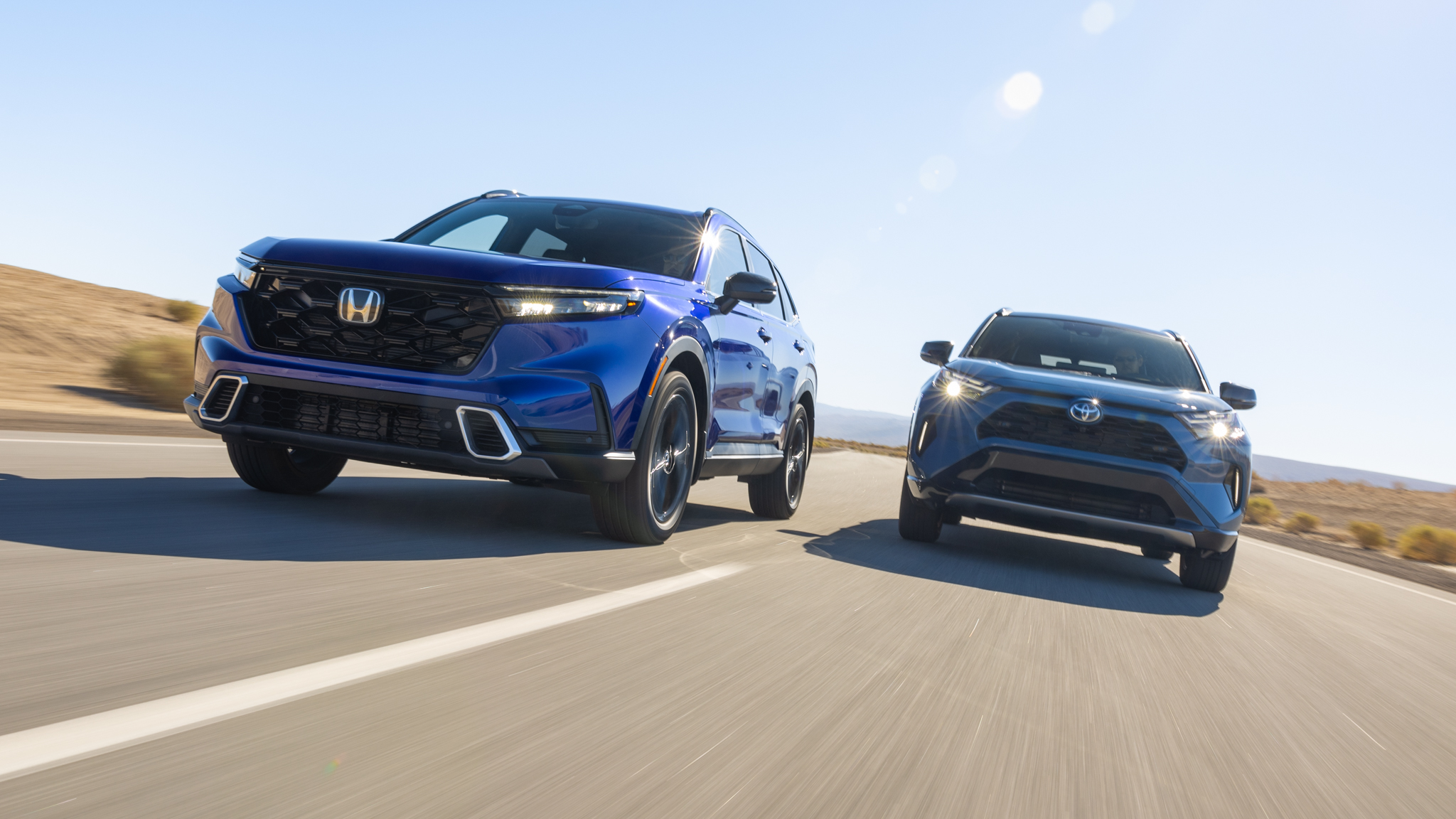
American car buyers are giving traditional sedans renewed attention in 2026, even as SUVs and pickup trucks continue to dominate the new-vehicle market. Honda and Toyota are leading the shift, with their passenger-car lineups growing faster than their SUV and truck sales during the first three quarters of the year.
Honda’s passenger-car sales increased 15.6%, while the company’s SUV and truck sales grew just 0.3%. The Toyota Camry and Honda Accord also recorded notable gains, challenging the assumption that American shoppers are steadily abandoning conventional cars.
Affordability, fuel economy, and the rising cost of larger vehicles may be helping sedans regain consideration among buyers seeking practical daily transportation.
Honda Accord and Toyota Camry Lead the Sales Rebound
The strongest evidence of the sedan revival comes from two established midsize models. Through the first nine months of 2026, Toyota sold 260,684 Camrys in the United States, an increase of 11.2% compared with the same period in 2025.
Honda sold approximately 145,520 Accords, up 32.7%. The Accord’s growth rate was considerably higher, although the Camry maintained the larger sales volume.
The numbers are significant because both models operate in a segment that has faced years of pressure from crossovers. Buyers have increasingly chosen SUVs for their higher seating positions, flexible cargo areas, and perceived versatility. Yet the Camry and Accord continue to appeal to customers who want a spacious cabin without moving to a larger vehicle.
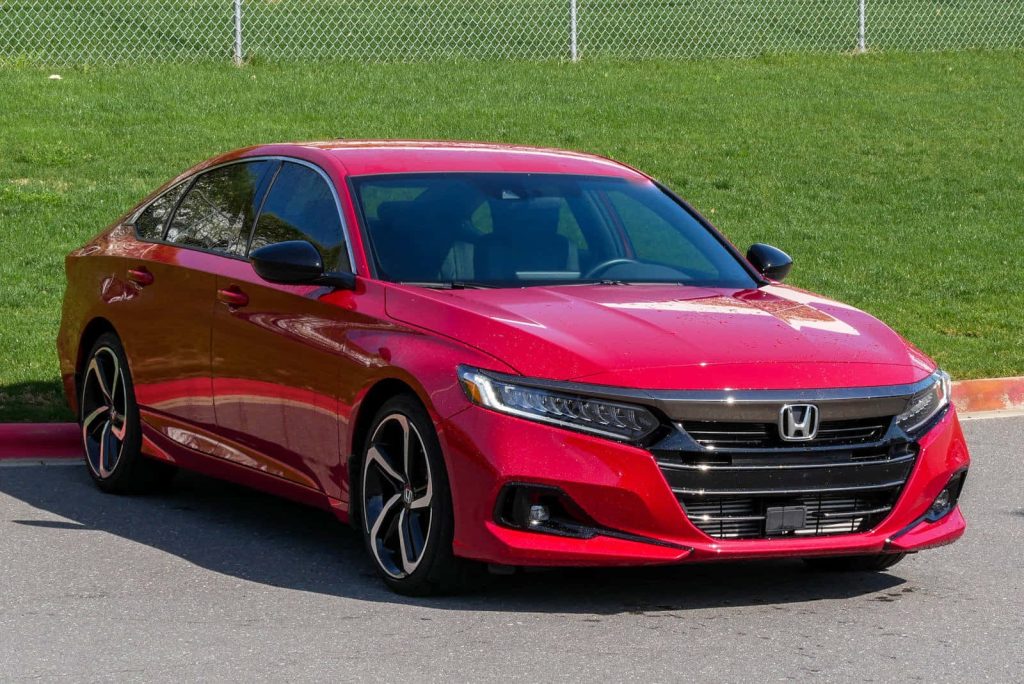
The Honda Accord offers a roomy interior, a comfortable ride, and a choice of conventional turbocharged and hybrid powertrains in its 2026 lineup. Honda lists the turbocharged engine at 192 horsepower, while hybrid versions produce a combined 204 horsepower.
The hybrid models are designed to improve fuel efficiency without requiring drivers to plug the car into a charger. The 2026 Accord starts at an MSRP of $28,395, before destination charges and options, keeping its entry price below $30,000.
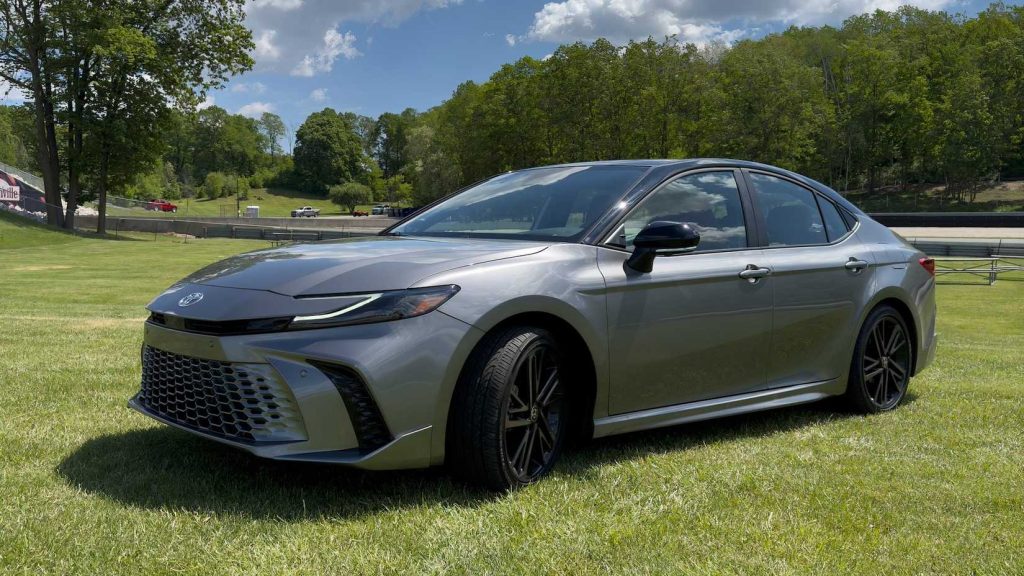
Toyota’s Camry has taken a different approach by making hybrid power central to its current U.S. lineup. Its combination of fuel economy, everyday usability, and a familiar midsize-sedan format gives buyers an alternative to hybrid SUVs, which can cost more.
The Camry’s sales increase suggests that shoppers are still willing to choose a traditional car when the pricing, efficiency, and features meet their needs.
Smaller models are also contributing to the trend. The Toyota Corolla and Honda Civic posted sales increases during the first three quarters, according to Car and Driver.
Their appeal is tied to relatively manageable purchase prices, compact dimensions, and efficient powertrains, making them practical options for commuters and households that do not need the cargo space of a larger SUV.
The revival does not mean sedans have regained their former dominance. SUVs and pickups still represent the majority of new-vehicle sales in the United States.
Instead, the figures indicate that passenger cars are performing better than many might expect, particularly when compared with the more modest growth recorded by some automakers’ utility-vehicle lineups.
Why American Buyers Are Looking at Sedans Again
Affordability is one of the clearest reasons sedans remain relevant. New-vehicle prices have made it harder for some households to move into larger or better-equipped models, while SUVs often carry a price premium over comparable cars.
Choosing a sedan can reduce the initial purchase cost without requiring buyers to give up useful passenger space, modern safety technology, or everyday comfort.
The 2026 Honda Accord’s starting price of $28,395 illustrates how a midsize sedan can remain within reach of buyers shopping below the $30,000 threshold. Its hybrid options also give customers a way to prioritize fuel economy without making the transition to a fully electric vehicle. Toyota’s Camry similarly combines a familiar body style with hybrid efficiency.
Fuel costs are another factor. When gasoline prices rise, drivers may pay closer attention to the amount of fuel their vehicles consume, particularly if they commute long distances.
Reuters reported in October 2026 that higher gasoline prices were influencing U.S. vehicle demand and contributing to a shift toward hybrids. Although that trend includes SUVs as well as sedans, efficient passenger cars offer another way for buyers to manage running costs.
Sedans also offer practical advantages that can be overlooked in a market dominated by larger vehicles. Their lower ride height and streamlined shape can help with road handling and aerodynamic efficiency, while their smaller exterior dimensions may make parking and urban driving easier.
Many midsize models still provide generous rear-seat space and a large trunk, making them suitable for families who do not regularly need the taller cargo area of an SUV.
Hybrid technology has strengthened the case for conventional cars. The Accord and Camry allow drivers to benefit from electrified powertrains without relying on public charging stations or installing home charging equipment.
For buyers who want to reduce fuel consumption but are uncertain about fully electric ownership, a hybrid sedan can represent a relatively straightforward option.
Still, the sales figures do not prove that affordability or fuel prices alone caused the rebound. Model updates, incentives, dealer inventory, and fleet purchases can also influence sales. The available figures show that several sedans are growing, but they do not isolate the contribution of each factor.
Sedans Are Growing, but SUVs Still Shape the Market
The performance of Honda and Toyota is part of a broader pattern among manufacturers that continue to offer traditional passenger cars.
Hyundai and Kia have also benefited from sedan models such as the Elantra, Sonata, and K5, while some luxury brands have recorded gains in selected car lines. At the same time, Nissan’s sedan lineup has faced declines, demonstrating that the recovery is not uniform across every manufacturer or nameplate.
Honda’s passenger-car figures are particularly notable because the category grew much faster than the company’s SUVs and trucks. A 15.6% increase in cars compared with 0.3% growth in its SUV and truck segments suggests that demand patterns can differ considerably within a single automaker’s portfolio.
It does not mean Honda is abandoning SUVs, which remain important to its business, but it does show that its cars continue to attract buyers.
For Toyota, the Camry’s 11.2% growth and strong Corolla performance reinforce the value of maintaining a varied lineup. Buyers do not all have the same needs, and a manufacturer that offers sedans alongside crossovers and pickups can serve customers with different budgets, driving habits, and space requirements.
The challenge for automakers is deciding how much to invest in passenger cars while SUVs continue to dominate the market. Developing a new model requires significant spending on engineering, safety compliance, manufacturing, and marketing.
If sedan sales remain strong, manufacturers may have a stronger reason to keep improving their car offerings, especially hybrid versions. If the gains fade, companies will have to balance that investment against the larger sales opportunities offered by SUVs and trucks.
The current figures provide a reason for manufacturers to pay attention, but not enough evidence to declare a permanent reversal of America’s shift toward SUVs.
Sales growth over nine months can reflect a combination of product cycles, incentives, changing fuel costs, and comparisons with the previous year. More data from the final quarter will help show whether the trend continues.
For shoppers, the development offers a useful reminder that the most popular vehicle category is not automatically the best fit for every household.
A sedan may offer a lower entry price, strong fuel economy, and enough passenger room for daily needs, while an SUV may still be preferable for buyers who regularly carry bulky cargo or need additional ground clearance.
Honda and Toyota’s 2026 results demonstrate that traditional cars still have a meaningful place in the American market. The Accord and Camry are benefiting from renewed demand, while smaller sedans are also posting gains.
SUVs and pickups remain dominant, but the growth in passenger cars suggests that purchase price, efficiency, and everyday practicality continue to influence what Americans choose to drive.