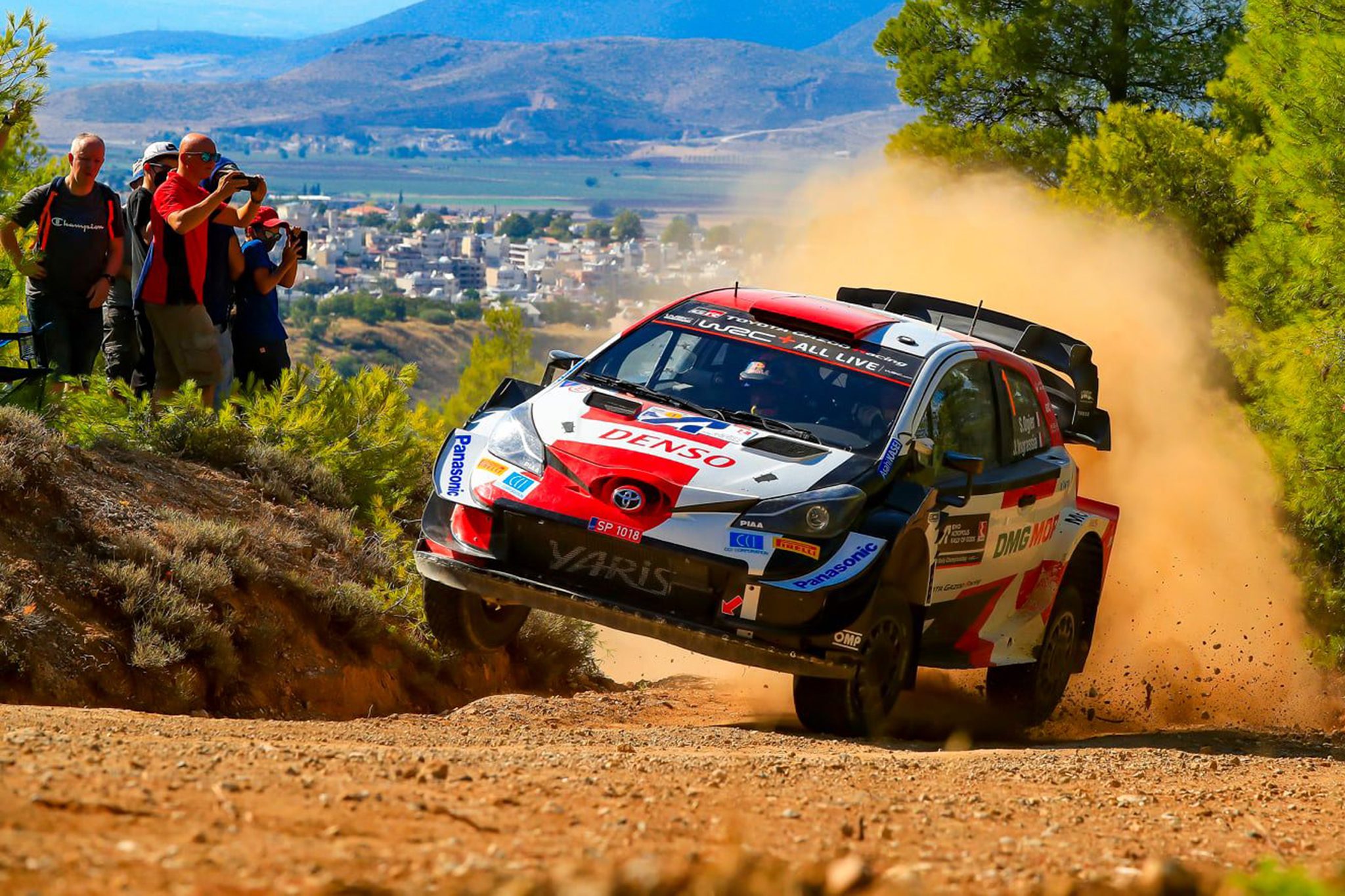
The FIA World Rally Championship (WRC) is officially returning to the United States in 2027, bringing one of international motorsport’s most demanding competitions back to American roads for the first time since 1988.
Scheduled for August 26-29, Rally USA will feature gravel stages across Tennessee and Kentucky, giving American fans a chance to watch the world’s leading rally crews compete on home soil.
The return is part of a broader expansion that will increase the WRC calendar to 15 rounds in 2027. It also arrives as the championship prepares to introduce new technical regulations and welcomes renewed manufacturer interest, including Ford’s planned return as a factory-backed team in 2028.
Why the WRC Is Returning to America in 2027
The United States has long been an important target for the WRC because of its large automotive market, established motorsport culture, and potential to attract new commercial partners.
However, the championship has not held a round in the country since the Olympus Rally in Washington state in 1988. The planned return ends an absence of almost four decades and gives the series another opportunity to build a sustained presence in North America.
The event’s confirmation followed a candidate program held in June 2026. During that assessment, FIA representatives examined proposed stages and event infrastructure in Tennessee and Kentucky, reviewing whether the organizers could meet the championship’s sporting, safety, and operational requirements.
The program included visits to proposed stage locations, service facilities, and possible event hubs, alongside an assessment of rally organization and emergency arrangements.
The successful evaluation helped establish the foundations for the 2027 event. Rally USA is being developed with the involvement of the FIA, WRC promoter, the Automobile Competition Committee of the United States, and local organizer Podium Event Partners.
The collaboration is intended to deliver an event that meets international championship standards while drawing on the experience of the American rally community.
The choice of Tennessee and Kentucky gives the event a distinctive setting. The region has established automotive manufacturing operations and a motorsport audience, while its gravel roads offer a different challenge from the asphalt circuits more familiar to many American racing fans.
Organizers will need to combine those roads with suitable service areas, spectator access, and reliable transport arrangements to deliver a safe event for competitors and visitors.
The rally is scheduled for August 26-29, 2027, and will be the 11th round of the 15-event championship calendar.
The WRC has listed the surface as gravel, but detailed stage routes, the full itinerary, spectator arrangements, and ticket information have not yet been confirmed on its official event page. Those details will be important for fans planning travel and deciding which stages to attend.
What Makes Rally USA Different From Traditional American Racing?
Unlike Formula 1 or NASCAR, rallying takes competitors away from a permanent circuit and onto timed sections of public or specially prepared roads. Drivers race against the clock, with each crew aiming to complete individual stages as quickly as possible.
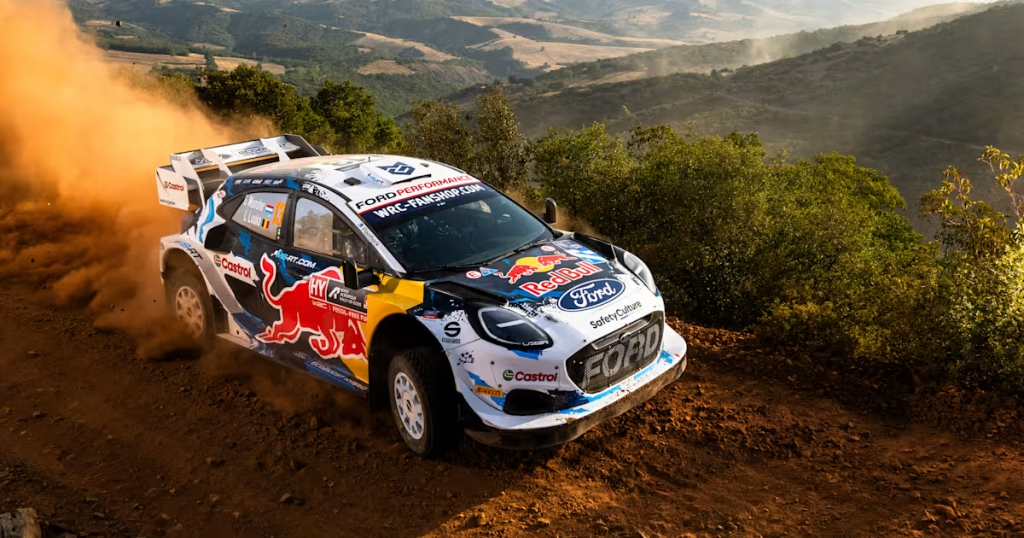
The total time across the stages determines the rally standings, making consistency, pace notes, and tire choices crucial throughout the event.
The gravel roads planned for Rally USA should provide a different test from the smooth, predictable surfaces associated with circuit racing. Gravel can change as cars pass over it, creating loose surfaces, ruts, and variable grip.
Drivers must balance speed with control, while co-drivers provide pace notes describing upcoming corners, crests, and hazards. A mistake can cost valuable time or end a competitor’s rally altogether.
The roads assessed in Tennessee and Kentucky offered a mixture of fast, flowing gravel sections and tighter, more technical stretches, according to the WRC’s event information.
That variety could reward crews who adapt their driving styles to changing conditions rather than relying on a single approach. However, the precise competitive challenge will become clearer when organizers publish the final route and stage details.
Rallying also provides spectators with a different experience. Instead of watching cars circulate repeatedly around a track, fans can follow selected stages and see competitors tackle individual sections of road.
Service areas offer another attraction, giving spectators opportunities to observe teams working on their cars between stages, depending on access arrangements.
For American fans who have primarily followed domestic rally championships, a WRC round would bring international-level competition to the region. The series attracts manufacturer-backed teams, experienced crews, and specialist engineering operations.
That creates an opportunity to see how rally cars are developed and maintained for competition at the highest level.
Organizers must nevertheless balance access with safety. Rally stages operate under strict spectator-control requirements, and fans cannot simply stand anywhere along a route. Official viewing zones, road closures, transport plans, and clear safety instructions will be essential, particularly if the event draws large crowds from across the country.
New Regulations and Manufacturer Interest Could Give the Return Greater Significance
The U.S. event arrives as the WRC prepares for a technical transition. New WRC27 regulations are scheduled to take effect in 2027, with the stated aim of reducing costs, broadening participation, and creating opportunities for manufacturers and independent constructors to compete at the highest level.
The regulations form part of the championship’s effort to make rallying more accessible to potential entrants while preserving the technical challenge of the sport.
The changes matter because developing and operating a top-level rally program requires substantial investment. Manufacturers must design competitive cars, support teams and spare parts, and maintain operations across a demanding international calendar.
Rules that help control those costs could make it easier for additional companies and independent engineering firms to participate.
Ford’s announced return as a factory-backed WRC team in 2028 adds another dimension to the timing. The American automaker has a long history in international rallying, and its planned factory-backed program could give the championship a stronger connection with U.S. fans and the wider American automotive industry.
However, Ford’s return is scheduled for 2028, so it should not be confused with a confirmed factory entry for the inaugural Rally USA in 2027.
The wider 2027 calendar also reflects the championship’s ambition to strengthen its global reach. Alongside the U.S. return, the United Kingdom will rejoin the calendar with Rally Scotland, scheduled for September 30 to October 3.
Rally d’Italia will move to Rome and the Lazio region in July, while the full season will expand to 15 rounds. These additions combine new opportunities with events in countries that have long-standing rally traditions.
For manufacturers, an American round offers a chance to showcase performance engineering in one of the world’s largest vehicle markets. Rally cars demonstrate technologies and engineering solutions associated with traction, suspension, power delivery, durability, and weight management.
Not every competition component transfers directly to road cars, but rallying provides manufacturers with a high-profile platform to demonstrate their technical capabilities and connect with enthusiasts.
The commercial opportunity extends beyond automakers. Broadcasters, sponsors, tourism businesses, accommodation providers, and local services could benefit from an international event that attracts visitors and media coverage.
The actual economic impact will depend on attendance, event spending, and how widely the rally is promoted.
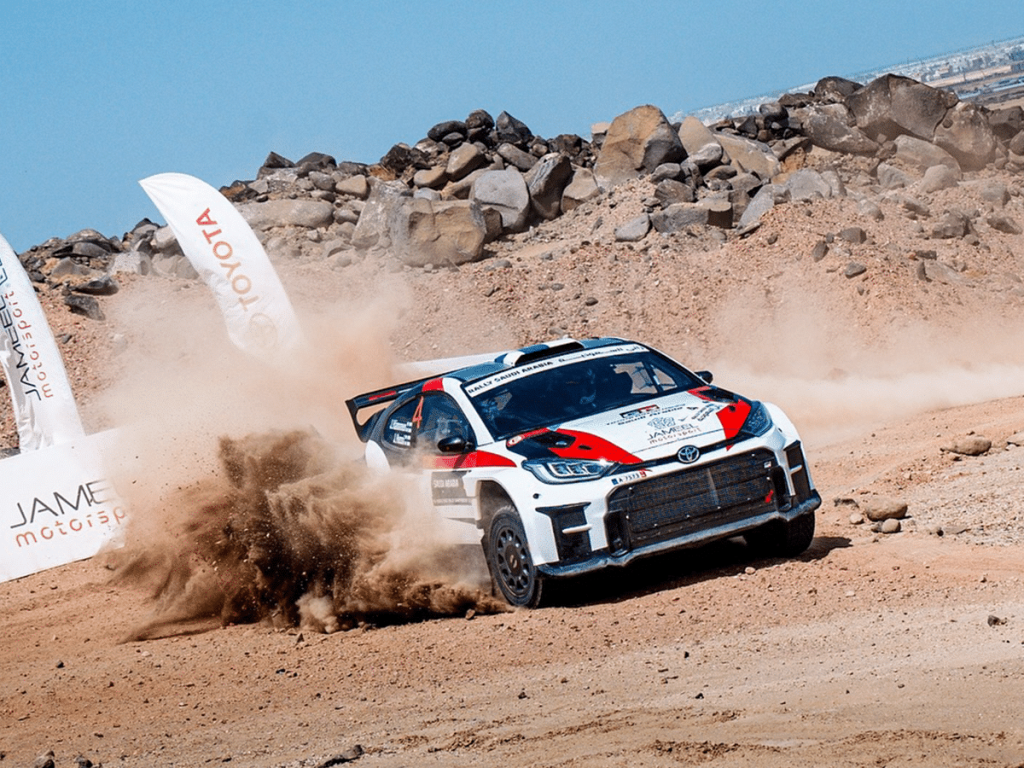
For the WRC, the central challenge will be turning a successful return into a lasting presence. One event can generate excitement, but sustained growth requires accessible tickets, strong spectator facilities, reliable organization, and continued engagement with local rally communities.
The championship will also need to demonstrate that its American round can operate safely and deliver a compelling experience for both experienced rally followers and newcomers.
Rally USA is now confirmed for August 26-29, 2027, but several practical details remain to be announced, including the final stage itinerary and spectator arrangements. Those updates will determine how fans can plan their visits and experience the competition.
The return is a significant milestone for the WRC after nearly 40 years away from the United States. With gravel stages in Tennessee and Kentucky, a larger 2027 calendar, and new technical regulations, the event arrives during a period of change for the championship.
Its long-term importance will depend not only on the racing itself but also on whether the series can use the American round to build a stronger relationship with fans, manufacturers, and motorsport partners across the country.