
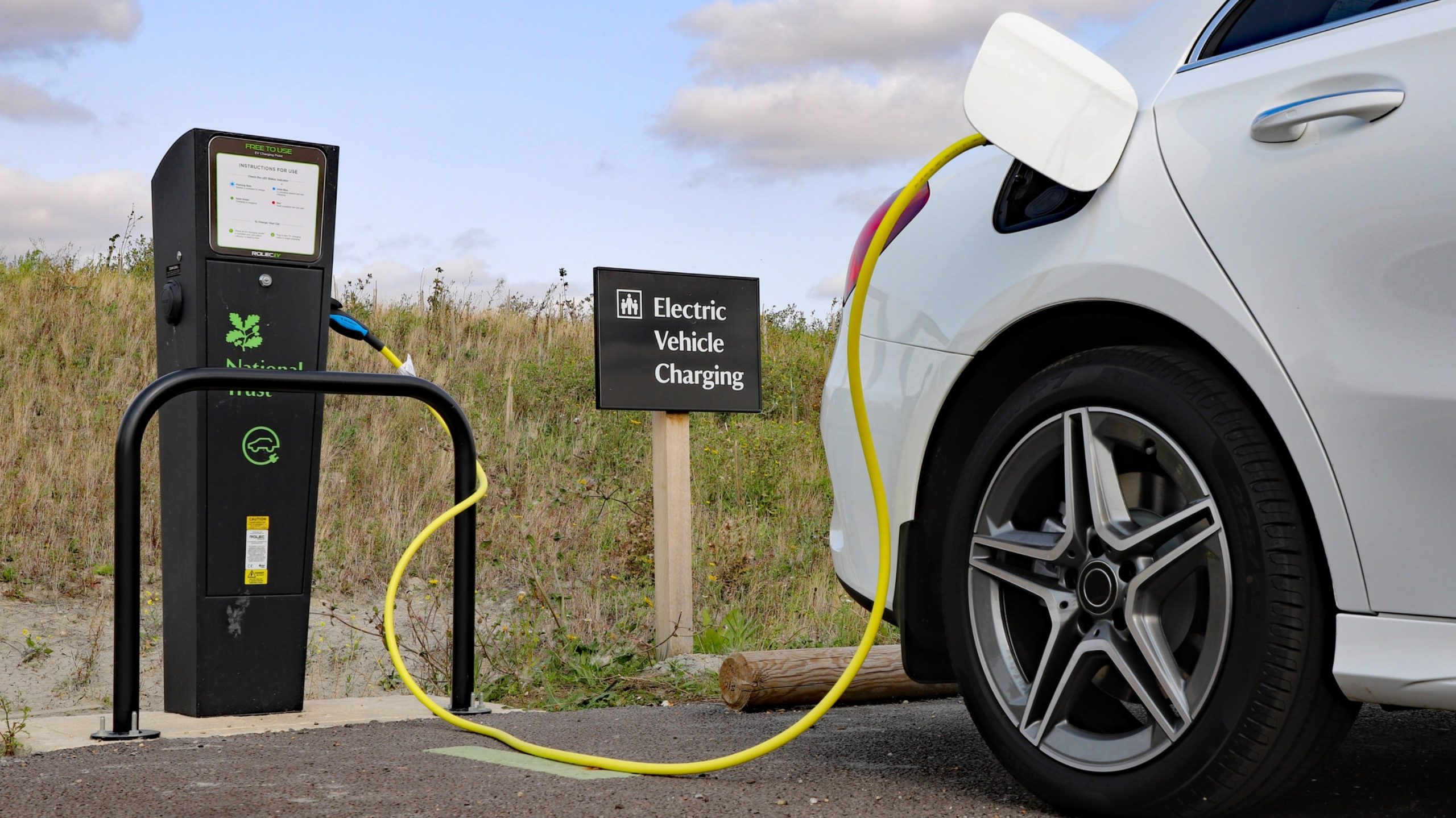
America’s public electric-vehicle charging network is continuing to grow even as demand for new electric cars weakens. Charging companies are installing thousands of additional plugs, expanding high-speed charging capacity and improving station locations to make public charging more practical for drivers.
According to The Wall Street Journal, more than 12,000 public charging plugs were added by early October 2026, putting the industry on track to install nearly as many plugs this year as it did during the record-setting year of 2025.
The expansion reveals a contrast in the U.S. automotive market. Although electric vehicle sales have declined significantly, investment in the infrastructure required to support EV adoption has continued.
Charging Infrastructure Keeps Growing as EV Sales Fall
The slowdown in electric-car sales has not brought the expansion of public charging infrastructure to a halt. Reuters reported on October 8 that U.S. EV sales were down 30.7% year to date in 2026, with fully electric vehicles accounting for about 6% of total auto sales, compared with 8.5% a year earlier.
The end of the federal $7,500 EV tax credit and a wider shift in policy have contributed to a more difficult environment for automakers and potential buyers.
Charging providers, however, are planning around a longer-term market rather than only the number of new EVs sold in a single quarter. More than 250,000 public charging ports were available nationwide by the second quarter of 2026, according to the Alliance for Automotive Innovation.
That figure includes different types of public charging equipment, from slower units suited to longer parking periods to powerful DC fast chargers used during road trips.
The continued buildout also reflects the needs of existing EV owners. The vehicles already on U.S. roads will continue to require charging even when new-car sales fluctuate.
A larger used-EV market is another potential source of demand, as lower purchase prices bring electric cars within reach of more households. Reuters reported that U.S. used-EV sales rose 19% in 2026, providing another sign that the market is not moving in lockstep with new-vehicle sales.
Infrastructure companies are also trying to address problems that have discouraged some drivers from switching to electric vehicles. These include stations that are difficult to find, chargers that are out of service, slow charging speeds, and inconsistent experiences between networks.
More plugs alone will not solve every problem, but a combination of improved reliability, better locations, and higher charging power could make public charging easier to use.
Faster Chargers and Better Locations Could Improve the Driving Experience
The expansion is not just about adding more charging points. Providers are also investing in faster equipment and improving how stations are designed and positioned.
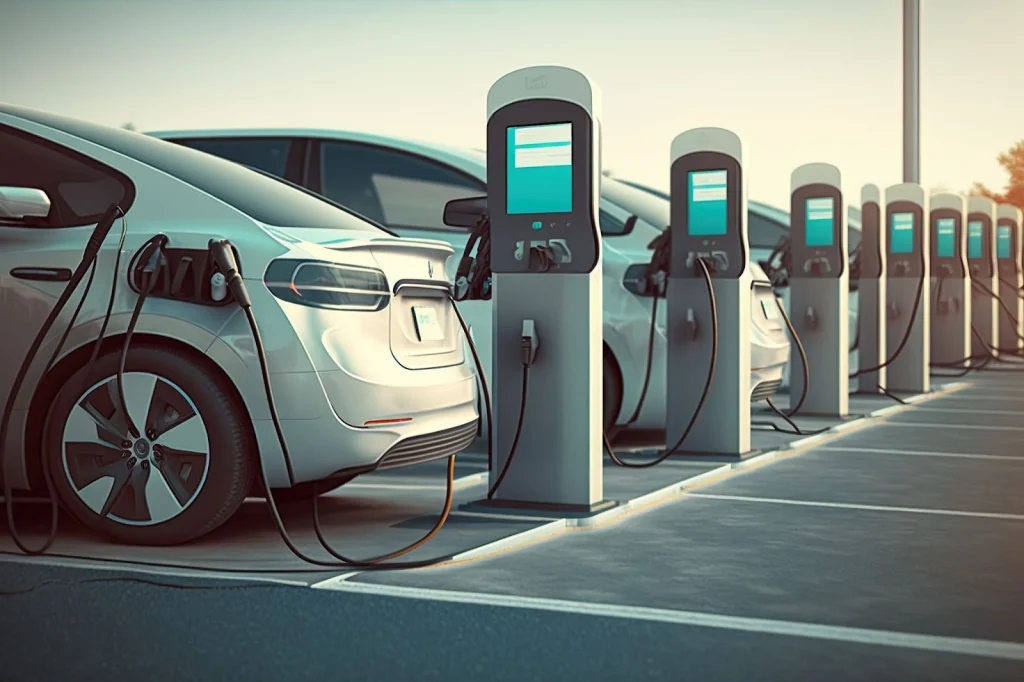
Higher-powered DC fast chargers can replenish a compatible vehicle’s battery more quickly, although actual charging speeds depend on the car’s maximum charging rate, battery temperature, battery charge level, and the power available at the station.
The U.S. charging market has become more capable of supporting longer journeys. Tesla remains a major force, with more than 40,000 fast-charging plugs across the country, according to The Wall Street Journal.
Other providers are also adding capacity, while greater adoption of the North American Charging Standard is helping make access across different vehicle brands easier in some parts of the market. Compatibility still depends on the vehicle, connector, and network access arrangements.
Station placement is another important factor. Chargers near major highways can help drivers travelling between cities, while locations at shopping centres, restaurants, hotels, and other destinations allow motorists to charge while they are already parked.
More convenient sites can reduce the need to make a separate stop solely to recharge, particularly for drivers who cannot charge at home.
The distinction between charging types matters. Level 2 chargers generally suit workplaces, shopping areas, and longer parking periods, while DC fast chargers are more useful when drivers need to add substantial range during a trip.
The U.S. Department of Energy notes that public charging infrastructure includes both options, with fast charging particularly important along major travel corridors.
Reliability remains just as important as speed. A station with several high-powered plugs is less useful if equipment is frequently unavailable, payment systems fail, or drivers cannot tell whether a charger is working before arriving.
Charging companies have been improving equipment and network operations to address such concerns. Better uptime, clearer information, and simpler payment experiences can make a network more dependable without necessarily increasing the number of sites.
There are signs that the infrastructure is being used even while new EV sales weaken. Paren’s data, reported by GM Authority, showed that U.S. public fast-charging networks handled about 46 million charging sessions in the second quarter of 2026, up from approximately 40 million in the first quarter.
The average fast-charger utilization rate edged up to 15.8%, compared with 15.6% in the previous quarter. These figures suggest that demand for charging services continues, though utilization varies by location and network.
For existing drivers, improvements can make electric ownership more convenient even if they do not immediately encourage a new-car purchase.
For prospective buyers, confidence that a compatible charger will be available on a long journey remains an important part of the decision. A growing network cannot eliminate range concerns for every driver, but it can make charging less of a logistical challenge.
Can Charging Companies Make Expansion Profitable?
Ongoing investment also raises an important business question about whether charging companies can achieve long-term profitability while electric vehicle sales continue to face challenges.
Building public charging stations involves substantial upfront spending on equipment, grid connections, construction, land, and maintenance. Operators must then attract enough charging sessions to generate revenue that covers those costs.
Companies such as ChargePoint and EVgo have reported financial challenges as they expand their networks. The Wall Street Journal reported that charging providers remain unprofitable, although some have narrowed losses and increased revenue.
Their long-term prospects depend partly on whether charging demand grows enough to improve the economics of individual stations.
Utilization is central to that calculation. A charger that is rarely used may struggle to recover its installation and operating costs, while a busy site can generate more revenue from the same equipment.
Charging providers face a difficult balancing act. They must expand their networks in anticipation of future demand, yet excessive investment in areas with few electric vehicles can postpone profitability. Sites with consistent traffic, reliable grid access, and nearby amenities may present more viable business opportunities.
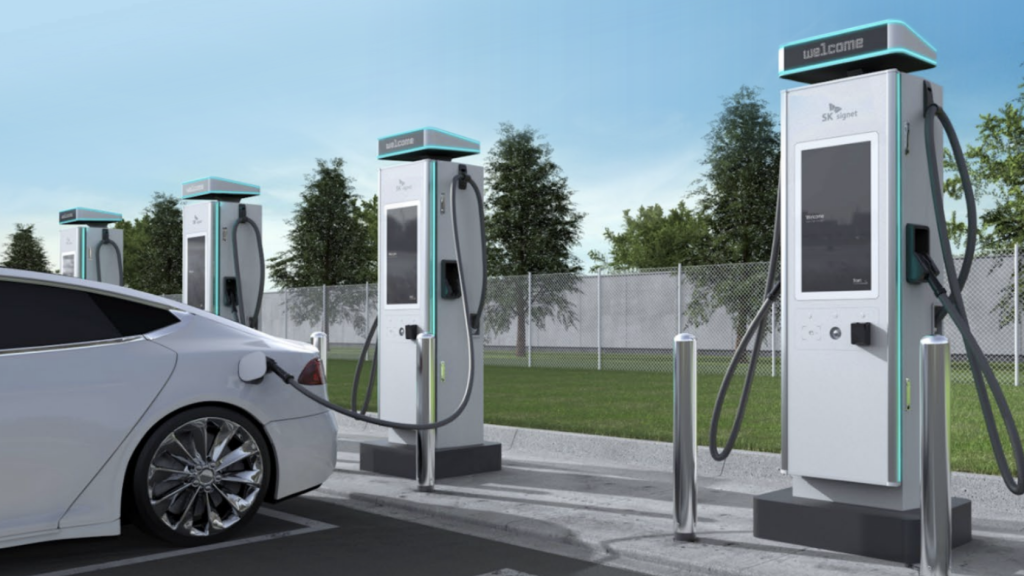
Government support has also played a role in expanding the U.S. network. The National Electric Vehicle Infrastructure program provides funding for strategically located charging stations and aims to establish a more connected network.
However, changes in federal policy and uncertainty surrounding EV incentives have complicated the outlook for both automakers and infrastructure developers.
The next stage of growth will depend on more than construction targets. Providers will need to keep stations reliable, control costs, and match new capacity to where drivers actually charge. Automakers will also need to offer vehicles that meet different budgets and driving needs if the market is to broaden beyond early adopters.
For now, the contrast between falling EV sales and expanding charging infrastructure shows that the two markets do not move at the same pace. Existing electric vehicles still need reliable charging, and used EVs can bring additional drivers into the market.
If sales recover, today’s investments could help accommodate future demand. If demand remains weak, however, charging companies may face a longer wait before their networks become consistently profitable.
