
Dealership acquisitions in the United States increasingly require buyers and sellers to look beyond revenue, profitability, and franchise value. The condition of a dealership’s property, its compliance with automaker branding standards, and the cost of future renovations can significantly affect its purchase price.
In a report published October 12, 2026, CBT News highlighted how facility image compliance is becoming an important factor in automotive acquisition negotiations, influencing investment returns and succession plans.
For dealer groups considering expansion, a dealership that appears financially attractive may require substantial additional capital before the buyer can realize the expected returns.
A showroom could need new signage, updated furniture, redesigned customer areas, or extensive structural work to meet a manufacturer’s standards. Those expenses can change the economics of a transaction, especially when several dealerships are being acquired together.
The issue also affects established owners preparing to sell or transfer their businesses to the next generation. If a major renovation is approaching, owners must decide whether to fund the investment, negotiate its timing, or sell before committing additional capital.
Facility compliance is therefore becoming an important part of acquisition planning rather than simply a maintenance concern.
Manufacturer Standards Can Increase Dealership Costs
Automakers use facility image programs to create a consistent identity across their dealership networks. Requirements can cover exterior architecture, signage, showroom layouts, furniture, customer waiting areas, and service departments.
These standards aim to reflect the brand’s identity and customer expectations, but they can also impose substantial financial obligations on dealership owners.
Julie O’Dwyer, director of client and OEM relations at Goree Architects, told CBT News that manufacturers typically refresh their image programs every seven to 10 years. Requirements and costs vary by brand. Some projects involve replacing signs, furniture, and finishes, while others require extensive remodeling or an entirely new building.
O’Dwyer said contractor estimates for new construction range from $250 to $600 per square foot. For a 40,000-square-foot dealership, that translates to approximately $10 million to $24 million before accounting for project-specific expenses. Land, site preparation, financing, permitting, and other costs can increase the final bill.
Renovating an existing building is not always the cheaper option. Older properties may need electrical, heating, ventilation, or structural upgrades before they can accommodate new layouts and branding requirements.
Buyers must establish whether adapting the existing property is economically practical or whether rebuilding makes more sense.
Facility requirements also differ between manufacturers. CBT News noted that Genesis has pursued dedicated buildings, while Nissan uses a tiered approach, and Toyota’s newer facility strategy allows greater customization.
Buyers therefore cannot assume that experience with one franchise will prepare them for the requirements of another.
Modernization may improve the customer experience and make dealership operations more efficient. However, those potential benefits must be weighed against construction costs, disruption, and the time needed to recover the investment.
A dealership’s building is part of its business value, but its future compliance obligations can turn an apparently attractive acquisition into a more expensive commitment.
Facility Compliance Is Changing Acquisition Negotiations
Facility requirements can directly influence how much a buyer is willing to pay for a dealership. During an acquisition, the parties must evaluate the operating business alongside the property and the capital needed to meet manufacturer standards. If significant renovations are approaching, buyers may adjust their offers to reflect those future expenses.
Dave Cantin, founder and CEO of the Dave Cantin Group, told CBT News that image compliance should be evaluated early in the buy-sell process. His team examines whether dealerships meet current standards, whether manufacturers offer incentives, and what upgrades a prospective buyer may need to finance.
The issue becomes especially important when a dealer group is acquiring multiple locations with different facility conditions.
Consider two dealerships with similar earnings. One has recently completed its required upgrades, while the other needs a major renovation.
Although their current financial performance may look comparable, the second store could require millions of dollars in additional investment. That difference affects the total cost of ownership and the time needed to achieve an acceptable return.
Buyers must also establish whether the manufacturer will approve the ownership transfer and what facility commitments may accompany it. The precise requirements depend on the franchise, transaction, and applicable agreements.
Understanding those obligations before closing can prevent unexpected costs from undermining the deal’s financial assumptions.
Manufacturers may provide incentives to support facility projects. According to CBT News, these can include payments linked to vehicle sales or additional vehicle allocations. Such support may offset some expenses, but dealers must compare the benefits with the full investment and any conditions attached to the incentives.
Real estate arrangements also matter. A buyer acquiring both a dealership and its property faces different financial considerations from one purchasing the business while leasing the premises. Rent, lease duration, and responsibility for renovations can influence the capital required at closing and during subsequent years.
Due diligence must therefore extend beyond financial statements. Buyers need property assessments, construction estimates, manufacturer requirements, and details of outstanding facility commitments. Without that information, an acquisition price may fail to reflect the actual cost of operating the dealership under the new ownership.
Renovation Expenses Influence Succession and Investment Decisions
Facility compliance can affect owners who are not actively pursuing an acquisition. Someone approaching retirement may need to decide whether to renovate before transferring the business or sell to a buyer prepared to complete the work. For family-owned dealerships, the decision can become a significant part of succession planning.
The challenge can be greater for owners with several locations. If multiple dealerships reach their upgrade deadlines around the same time, the combined investment may place pressure on available capital. Owners must determine which projects deserve priority and whether the expected returns justify the spending.
CBT News reported that some dealers facing substantial facility investments may consider selling individual dealerships rather than financing another round of renovations. That option can become more appealing when profitability has weakened or a major construction project is approaching.
However, an outdated facility does not automatically make a dealership a poor acquisition target. A buyer with sufficient capital and a long-term strategy may see an opportunity to modernize the property and strengthen the business.
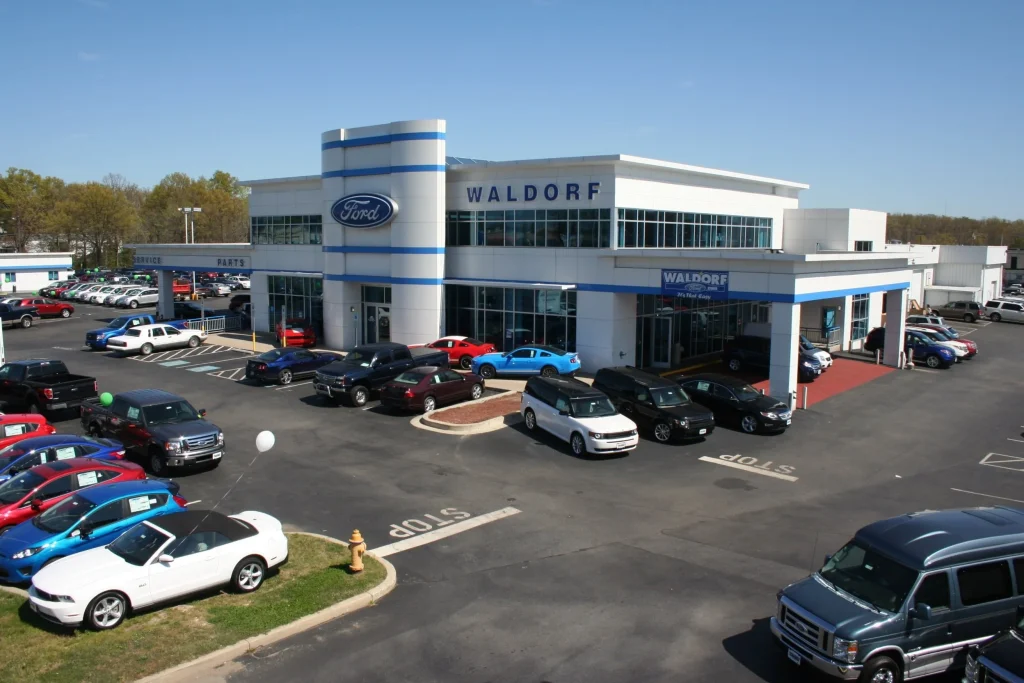
The key is whether the expected operating benefits justify the expense and the time required to achieve them.
Construction timelines also need careful consideration. Design work, permitting, contractor availability, and building requirements can delay projects or increase costs.
Renovating an operating dealership may disrupt sales and service activities, potentially affecting revenue while work is underway. Buyers and owners should account for these risks alongside the contractor’s initial estimate.
Preparing early can help sellers identify their obligations and determine whether incentives or alternatives to full reconstruction are available. For buyers, experienced architectural, legal, and financial advisers can clarify the likely cost of compliance and help assess whether the proposed purchase price reflects the required investment.
Dealership valuation will continue to depend on earnings, franchise strength, and market demand, but the physical property is an increasingly important part of the calculation.
For U.S. dealer groups, evaluating facility compliance before finalizing an acquisition or succession plan can help avoid unexpected expenses and produce a more realistic assessment of long-term returns.
