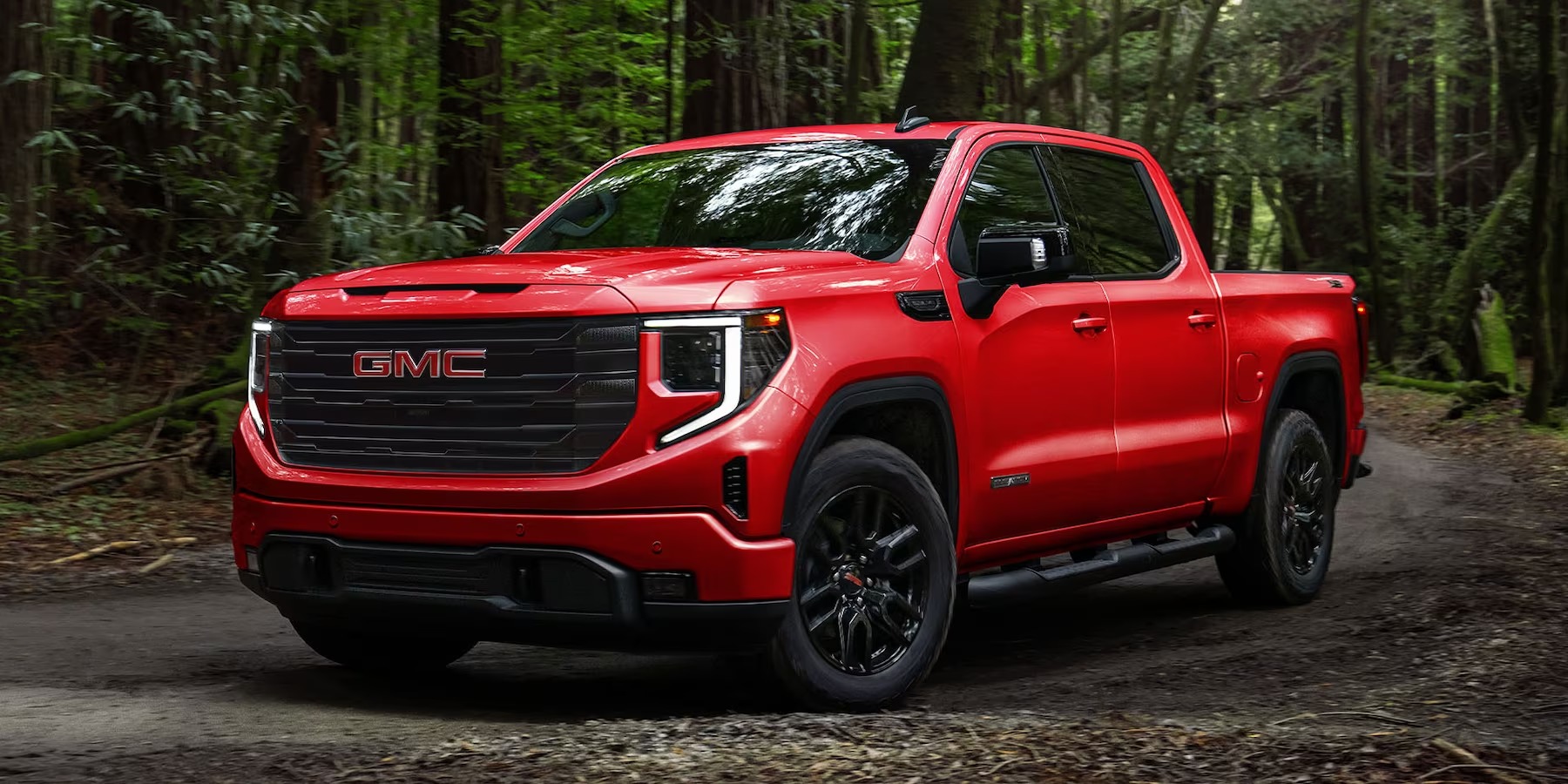
General Motors is facing fresh scrutiny over a safety problem affecting GMC Sierra 1500 pickups after federal regulators received reports that chrome upper grille deflectors continued to detach even after some trucks received a recall repair.
The National Highway Traffic Safety Administration (NHTSA) disclosed the new review on October 12, 2026, under recall query RQ26003, examining whether General Motors’ earlier remedy adequately addressed the problem and whether the original recall covered all potentially affected vehicles.
The review covers an estimated 535,639 model-year 2022 through 2024 Sierra 1500 trucks. The most significant figure is that 21 of the 118 complaints received by NHTSA allege that the grille deflector detached after the truck had already received the earlier recall repair.
That represents nearly 18% of the complaints in the agency’s record. It does not mean that 18% of repaired trucks have experienced a failure, because the number of vehicles that received the repair is not the same as the total population under review.
Nevertheless, reports of the same component detaching after a corrective repair raise questions about whether the remedy is durable enough under real-world driving conditions.
NHTSA has not declared the vehicles defective, and the new review is not itself a recall. No crashes, injuries, or fatalities have been attributed to the reported issue in the agency’s opening summary. The investigation will instead examine whether the earlier recall’s scope and repair procedure were sufficient to address the complaints.
Why NHTSA Is Reviewing the Earlier GMC Sierra Recall
The current review follows General Motors’ February 2025 recall, identified as NHTSA campaign 25V-060. That action covered certain 2022 GMC Sierra 1500 pickups equipped with chrome front grille deflectors.
GM said the attachments holding the component in place could fracture over time. If all eight attachment points broke, the deflector could separate from the truck while it was moving, creating a potential road hazard and increasing crash risk.
The original recall affected approximately 70,768 trucks. GM’s remedy involved reinforcing or repairing the attachment points that secured the chrome deflector.
The action was limited to qualifying 2022 model-year Sierra 1500 vehicles equipped with the specified chrome component. It did not include 2022 trucks without that deflector or the 2023 and 2024 model-year Sierra 1500s.
That limited scope is now part of the regulatory question. NHTSA’s recall query covers an estimated 535,639 Sierra 1500 pickups from model years 2022 through 2024, substantially more vehicles than the original recall population.
The broader review allows the agency to assess whether other trucks may have a similar issue and whether the original recall should have covered a wider range of vehicles. The inclusion of a model year in the query does not mean every truck from that year has the defect.
The agency’s opening summary identifies 118 complaints alleging that the upper grille deflector detached while the vehicle was being driven. Twenty-one of those complaints specifically report detachment after recall 25V-060 had been performed.
Some reports describe a cracked windshield, while others say surrounding motorists had to take evasive action to avoid the loose component.
The distinction between a complaint and a confirmed failure matters. NHTSA has opened the query to determine whether the evidence justifies further action, not to declare that every reported incident has been independently verified.
The complaints nevertheless give regulators a basis to question whether the problem was fully resolved by the earlier campaign.
The 21 Reports After Repair Raise Questions About the Remedy
The central issue is whether the 2025 repair addressed the underlying cause of the grille deflector’s detachment or whether some attachment points can still fail under expected driving conditions.
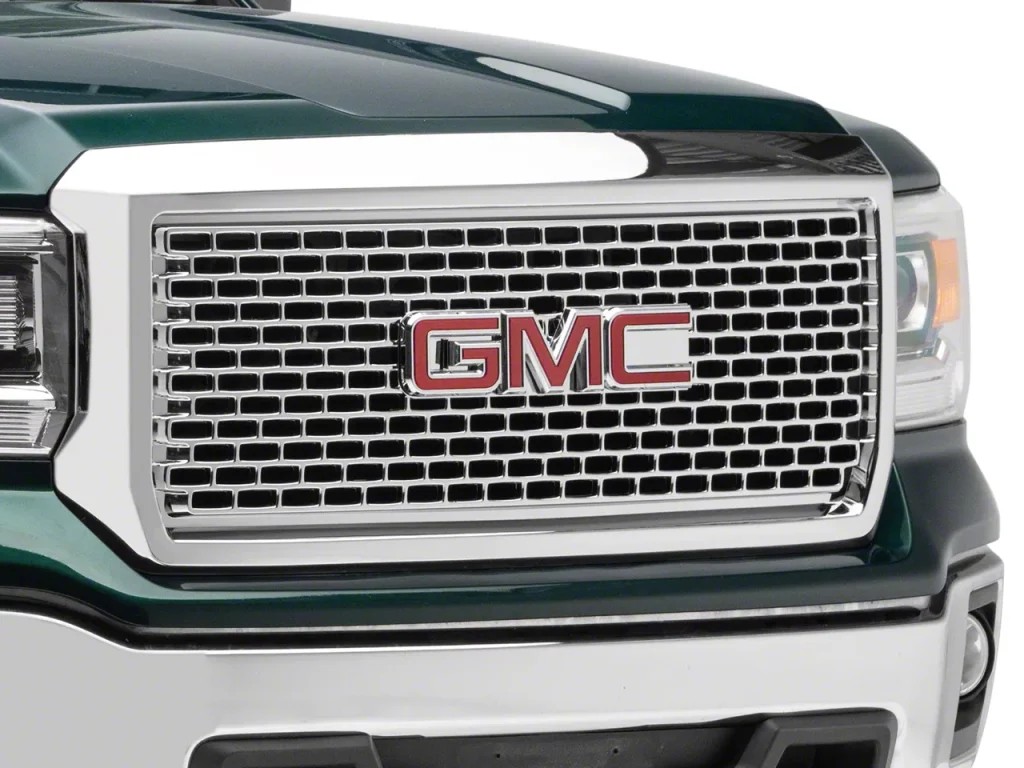
GM has acknowledged that one or more attachment points may not withstand expected loads as intended, according to reporting on the regulatory filing.
That concern makes the latest review more consequential than a routine examination of new complaints. A repair is intended to correct a known safety issue, so reports of repeat failures give regulators reason to examine the procedure’s effectiveness.
However, the 21 complaints must be interpreted carefully. NHTSA’s record does not establish how many of the original recall’s repaired vehicles have experienced a subsequent detachment, nor does it provide a failure rate for the repair.
Without knowing the total number of vehicles repaired and the circumstances surrounding each report, it would be misleading to conclude that the remedy has failed across the affected fleet.
The reports still matter because a grille deflector that separates at highway speed can become a hazard to other road users. A detached part may strike another vehicle, obstruct a driver’s view, or force nearby motorists to react suddenly.
NHTSA’s opening summary describes reports involving cracked windshields and evasive maneuvers, although it does not attribute any crashes, injuries, or fatalities to the issue.
The agency must also determine whether the original recall identified the full population at risk. The February 2025 action focused on certain 2022 trucks fitted with chrome grille deflectors, while the new query names the 2022, 2023, and 2024 Sierra 1500 model years.
That wider scope does not prove that the newer trucks share the same defect, but it allows NHTSA to examine whether the issue extends beyond the vehicles covered previously.
For General Motors, the review could lead to additional questions about component design, attachment durability, manufacturing differences, and the effectiveness of the repair procedure. Regulators may also examine complaint histories and other technical information before deciding whether additional action is warranted.
The outcome could range from closing the query without further action to pursuing a broader investigation or requesting an expanded recall if the evidence supports it. At this stage, NHTSA has not announced a new recall or ordered owners to obtain another repair.
What Sierra Owners Should Know While the Review Continues
Owners of 2022 through 2024 GMC Sierra 1500 pickups should not assume that every vehicle is affected simply because its model year falls within the query. The review concerns the upper grille deflector, and the original recall applied to a specific group of 2022 trucks equipped with chrome deflectors.
Individual vehicle eligibility should be confirmed using the vehicle identification number through GM or NHTSA’s official recall lookup.
Owners whose trucks received the earlier repair may reasonably want to confirm that the work was completed and ask a GMC dealer about any concerns involving a loose or damaged grille component.
If a deflector appears to be coming loose, it should not be ignored. Drivers should avoid attempting repairs while the vehicle is moving and arrange a professional inspection. A component that is at risk of detaching can endanger the occupants and other road users.
The new query also illustrates why recall completion figures alone do not always tell the full story of a safety campaign.
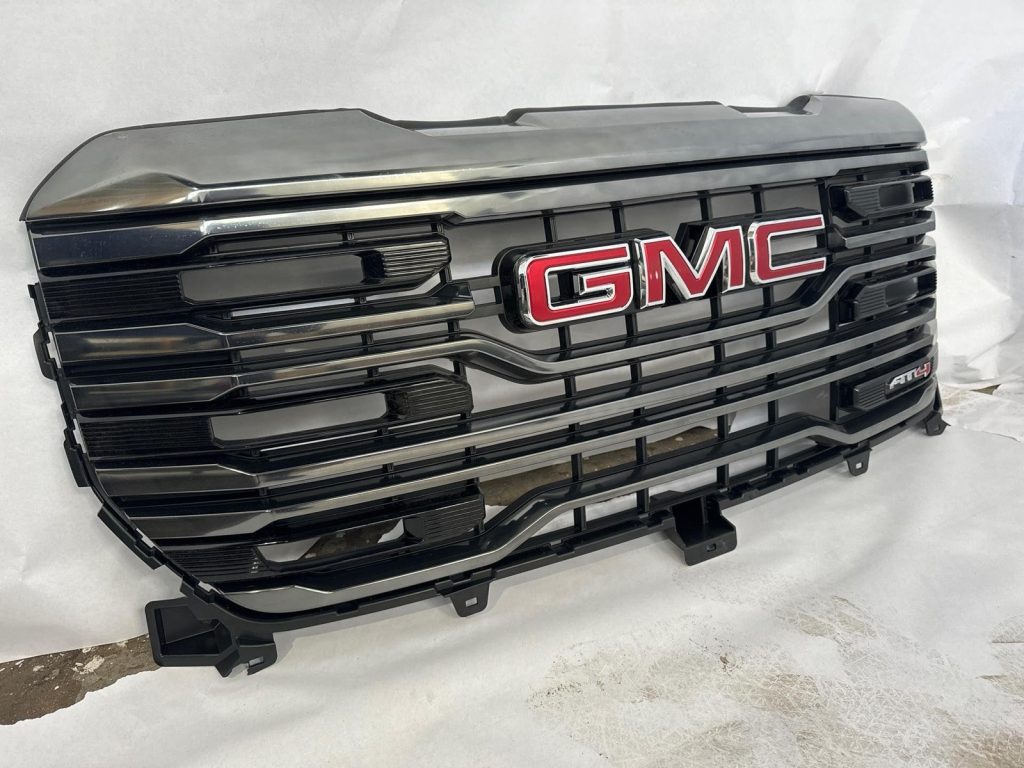
A recall may address a known failure mode, but regulators still need to monitor subsequent complaints to determine whether the fix works consistently and whether additional vehicles require attention.
For buyers considering a used Sierra 1500 from the affected model years, checking the vehicle’s recall history is a sensible part of the purchasing process.
A completed recall entry can establish that a repair was recorded, but it does not replace an inspection of the vehicle’s current condition. Buyers should also confirm whether any additional action has been announced as the regulatory review develops.
NHTSA opened RQ26003 on October 9, 2026, according to the investigation record, while the development was disclosed publicly on October 12. The agency is examining the adequacy of the earlier recall’s scope and remedy, and the review remains separate from a determination that a defect exists.
For now, the key issue is not simply that grille deflectors have reportedly detached. It is that 21 complaints allege the component came off even after the earlier repair, creating a reason to reassess whether the corrective action was sufficient.
The 118 total complaints and estimated 535,639-vehicle population provide the context for that review, but neither figure establishes how frequently the problem occurs across the entire fleet.
NHTSA’s findings will determine whether General Motors needs to take further action. Until then, the case is a reminder that the effectiveness of a recall depends not only on identifying a safety problem but also on ensuring that the remedy reliably addresses it.