
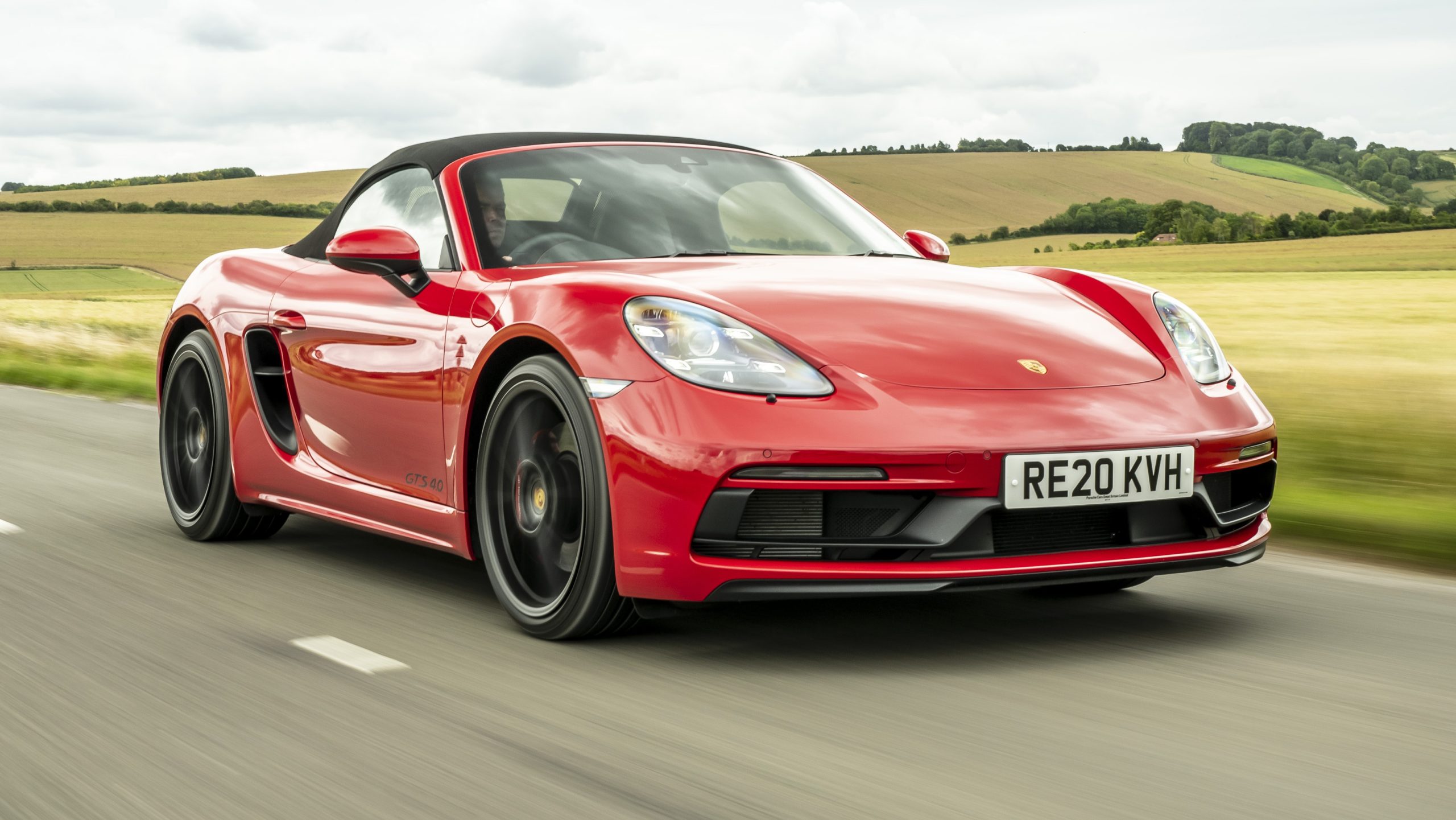
Porsche delivered 178,532 vehicles worldwide during the first nine months of 2026, a 16% decline from the 212,509 cars delivered during the same period last year.
The German luxury automaker is facing weaker demand across several major markets, particularly China, while the end of production for the combustion-powered 718 Boxster and Cayman has sharply reduced deliveries of its entry-level sports-car range.
The Porsche 911, however, moved in the opposite direction, with deliveries rising 12%. It was the only model line in the company’s reported lineup to record growth. This contrast highlights Porsche’s growing emphasis on high-demand, premium vehicles rather than simply increasing sales volume.
Porsche published the figures on October 9, 2026, reporting that its nine-month decline remained unchanged from the first-half result.
The company said it was maintaining a value-oriented sales strategy, balancing supply with demand while focusing on sought-after sports cars, high-performance derivatives, and personalization options.
That approach comes as the automaker faces a difficult transition across its product range and growing pressure in China, once one of its most important growth markets.
The figures reveal more than a decline in Porsche’s total deliveries. Performance varies considerably across its model range, with the Cayenne remaining its biggest seller, the Macan going through a transition in powertrains, and the 718 recording a sharper drop following the end of production for its combustion-engine versions in 2025.
The 911’s growth offers a counterpoint, suggesting that demand for Porsche’s established sports-car identity remains comparatively resilient.
The 911 Grows While the 718 Boxster and Cayman Collapse
The Porsche 911 delivered 42,217 vehicles between January and September, up 12% year over year. That made it the company’s strongest growth story among the six model lines reported. Porsche said the high share of GTS, Turbo, and GT variants also demonstrated demand for its more exclusive derivatives.
These versions typically sit higher in the range and appeal to buyers seeking greater performance or more specialized driving characteristics.
The 911’s performance is particularly striking because it comes during a period when Porsche’s total deliveries are falling. Rather than relying on a broad increase across the range, the company is seeing stronger demand concentrated in its flagship sports car.
That supports management’s stated emphasis on desirability and value, although delivery growth alone does not establish how much profitability has improved.
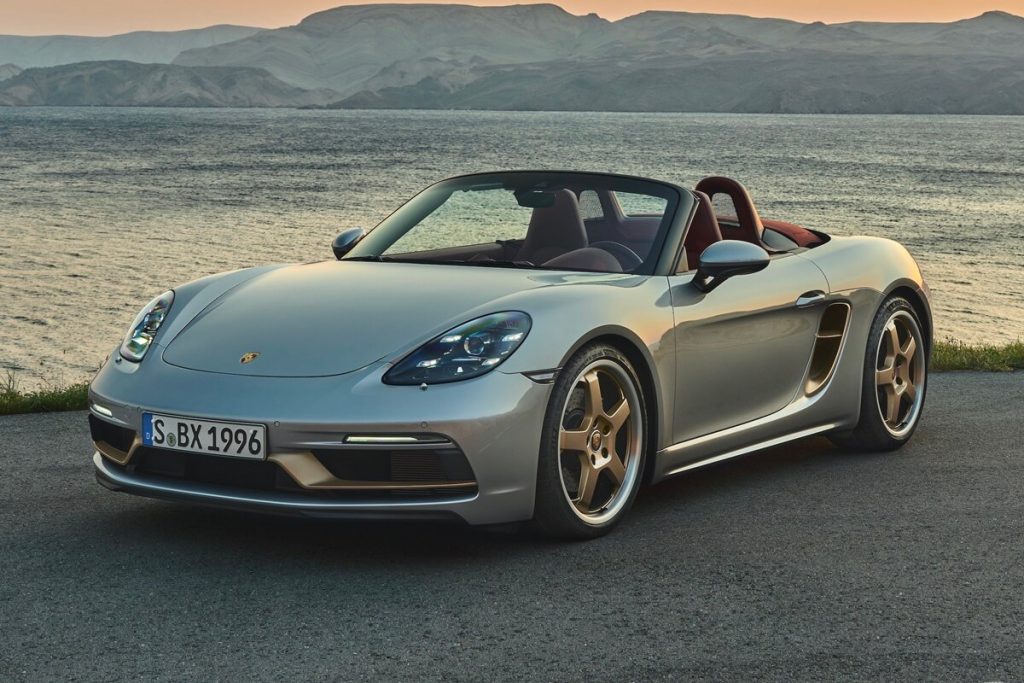
The contrast is clearest in the 718 Boxster and Cayman. Porsche delivered just 3,291 examples during the first nine months, down 79% from the same period in 2025.
Production of the combustion-powered 718 line ended in October 2025, so the current figure largely reflects the remaining supply available for delivery rather than ongoing production at the previous rate.
That production change is crucial to understanding the decline. The 718’s fall should not be interpreted simply as a sudden collapse in customer interest.
When a model stops being built, deliveries can continue for a period as vehicles already produced reach customers, but volumes naturally diminish as that stock runs down. The 79% drop therefore reflects a major product transition as well as market conditions.
Porsche’s next challenge is how to replace the 718’s role in the lineup. The Boxster and Cayman have provided a lower entry point into the brand’s sports-car range, offering a different proposition from the larger and more expensive 911.
An electric successor has been planned, but timing and execution will be important as Porsche balances electrification with customer demand for traditional sports-car characteristics.
The broader transition is not limited to the 718. Porsche has also ended production of the combustion-engine Macan, which stopped being built in summer 2026. The company is therefore managing changes in two important model lines at once, with the effects showing up in the delivery totals.
Cayenne Remains Porsche’s Best-Selling Model as Macan Sales Decline
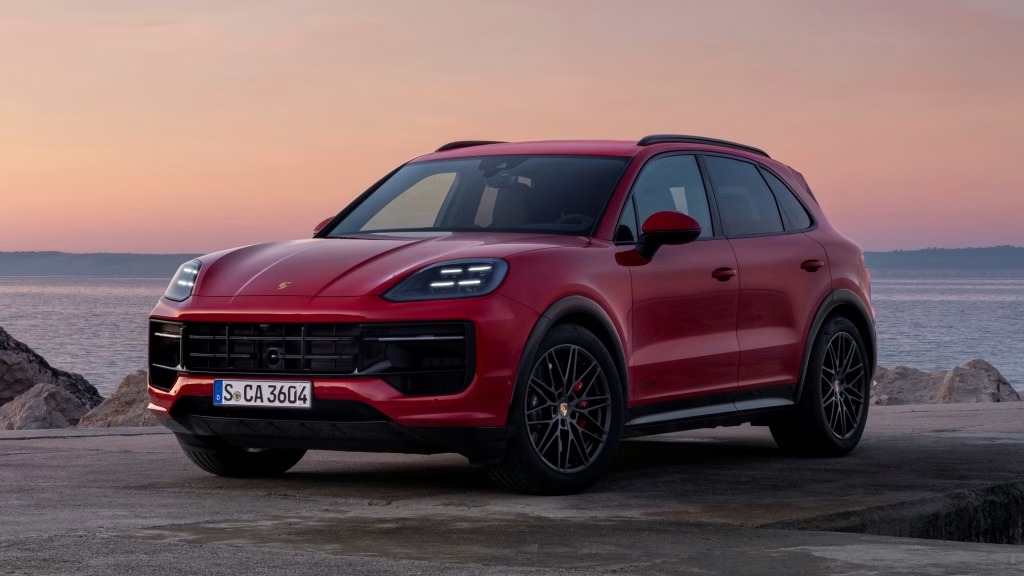
The Cayenne was Porsche’s largest model line during the first nine months, with 59,586 deliveries worldwide. That was a relatively modest 2% decline compared with the same period in 2025, making it one of the more resilient parts of the lineup.
The introduction of the all-electric Cayenne has also begun contributing to deliveries, with 7,002 electric versions reaching customers since their summer launch.
The Cayenne’s performance highlights the importance of Porsche’s SUV business. Although the brand is strongly associated with sports cars, the Cayenne provides substantial volume and appeals to customers who want luxury, performance, and everyday practicality in a larger vehicle.
Its comparatively small decline helped soften the effect of weaker deliveries elsewhere in the lineup.
The Macan, however, delivered 51,025 vehicles, down 21%. The total included 23,029 all-electric models and 27,996 combustion-engine versions. Production of the petrol-powered Macan ended in summer 2026, leaving Porsche to manage the transition between the outgoing model and its electric counterpart.
This split matters because the Macan has historically been an important entry point for buyers seeking a Porsche SUV. With the combustion version no longer being produced, customers who prefer petrol power have fewer opportunities to buy a new example as remaining inventory declines.
Meanwhile, the electric model must attract customers who are comfortable with battery-powered luxury vehicles and their charging requirements.
The delivery figures also face a tough comparison with the previous year, when demand for the electric Macan was strong. A year-over-year decline does not necessarily indicate weaker buyer interest in the new model, as it may also reflect an unusually strong comparison period and ongoing changes in the product lineup.
The Panamera and Taycan faced sharper declines. Porsche delivered 13,714 Panamera models, down 35%, while Taycan deliveries fell 31% to 8,699.
These figures show that the weakness extends beyond the discontinued 718 and the combustion-engine Macan. The luxury sedan and all-electric sports sedan are also contributing to the lower total, despite serving different customer needs.
Taken together, the model results show a mixed transition rather than a uniform decline. The Cayenne remains relatively stable, the 911 is growing, and several other lines are falling as Porsche adjusts its powertrain offerings and responds to changing demand.
China Leads the Regional Decline as Porsche Prioritises Value
China was Porsche’s weakest major reported market by percentage change. Deliveries there fell 33% to 21,493 vehicles in the first nine months, compared with 32,195 a year earlier.
The decline reflects a difficult luxury-car market and intensifying competition, particularly as domestic manufacturers strengthen their positions in premium vehicles and electric cars.
Porsche said market conditions in China remained challenging and reiterated its focus on long-term brand development rather than short-term volume targets.
North America remained Porsche’s largest sales region, with 56,088 deliveries, but that was 13% below the previous year’s 64,446. Europe, excluding Germany, recorded 44,949 vehicles, down 11%, while Germany itself fell 7% to 20,954.
Overseas and emerging markets delivered 35,048 cars, a 19% decrease. The declines across these regions show that the company’s difficulties are not confined to China, even though the Chinese market experienced the steepest percentage drop among the major regions reported.
Porsche has responded by emphasizing profitability and brand positioning rather than pursuing the highest possible delivery count.
Reuters reported that the company is restructuring its business and aiming to lower its break-even point to fewer than 200,000 vehicles annually, well below the 279,449 delivered in 2025. The strategy involves concentrating on higher-margin models, reducing complexity, and expanding personalization options.
That approach carries both opportunities and risks. Selling fewer vehicles can support exclusivity and pricing power if customers continue to value the products, but lower volume also means Porsche must control costs and maintain demand for expensive models.
The 911’s growth provides evidence of strength in one part of the lineup, but the declines in the Panamera, Taycan, and Macan show that success is not guaranteed across the range.
The electric transition adds another layer of uncertainty. Porsche is bringing the electric Cayenne into the market while its electric Macan grows in importance and the combustion-engine Macan and 718 disappear from production.
The company must persuade customers that its new electric vehicles retain the performance, quality, and character they expect from the brand while continuing to serve buyers who prefer combustion engines.
Porsche’s first-nine-month figures ultimately tell two stories. Total deliveries are down sharply, and the 718’s 79% decline is largely tied to the end of combustion-model production.
At the same time, the 911 is growing, the Cayenne remains the largest model line, and the company is deliberately shifting its focus toward value rather than volume.
Whether that strategy succeeds will depend on the strength of its upcoming products, its ability to manage the transition between powertrains, and whether demand improves in China and other key markets.
