

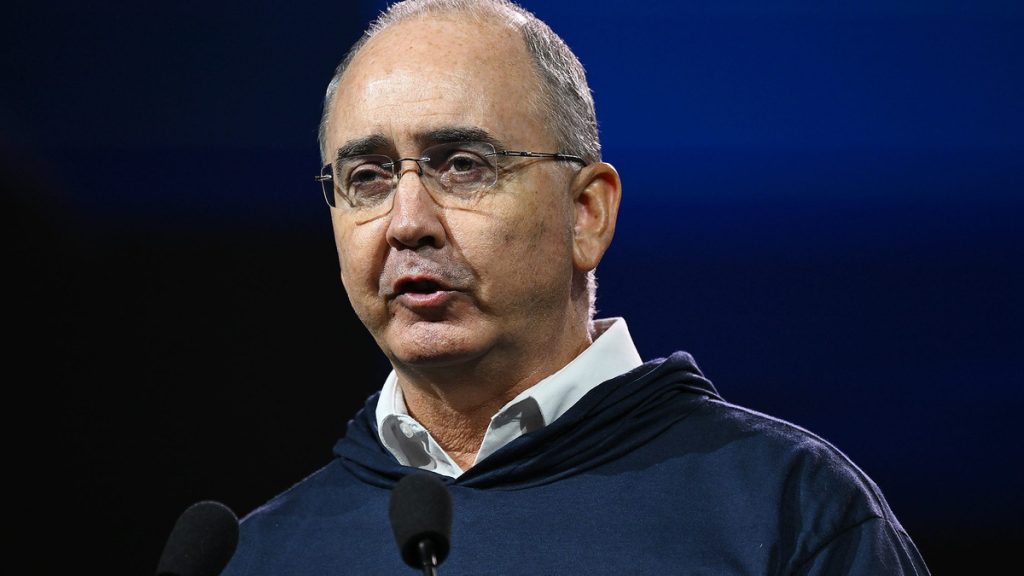
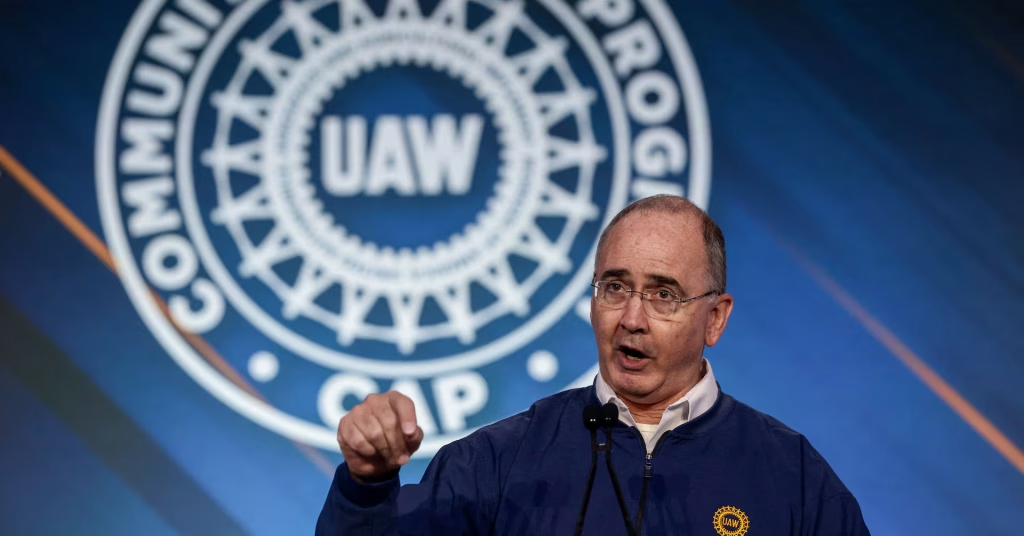
Shawn Fain’s re-election as president of the United Auto Workers (UAW) puts the union’s current leadership in place for the next major contract negotiations with General Motors, Ford, and Stellantis in 2028.
Official election results confirmed his victory on October 13, extending his leadership of the approximately 400,000-member union for another four-year term. Fain rose to national prominence after the UAW’s 2023 strikes secured substantial wage increases and other contract improvements from Detroit’s three largest automakers.
The next round could be more difficult, however, as manufacturers face tariff expenses, elevated material costs, changing vehicle demand, and intense global competition. The negotiations could influence factory investment, labor expenses, production decisions, and job security across the American auto industry.
Fain’s Re-Election Sets the Direction for 2028
Fain’s victory confirms that the union will continue under the leadership that directed its high-profile 2023 labor campaign. He won more than 68% of the vote, according to election reporting, comfortably defeating his challengers.
The result gives him another four years to pursue the union’s priorities, including restoring traditional pensions for workers hired after 2007 and negotiating further gains in wages and benefits.
The 2023 negotiations marked a significant change in the UAW’s bargaining approach. Rather than securing an agreement with one automaker and using it as a template for the others, the union negotiated with GM, Ford, and Stellantis simultaneously. It then launched targeted strikes at facilities across all three companies.
The coordinated strategy increased pressure on the manufacturers and ended with agreements that delivered major wage increases, faster progression toward top pay for many workers, improvements to retirement benefits, and commitments tied to U.S. manufacturing investment.
The agreements included general wage increases and cost-of-living adjustments that could produce gains exceeding 25% over the four-year contract period for many employees, depending on the calculation used.
The union also secured improvements for lower-paid workers and changes to the wage progression system. These gains raised the labor-cost baseline that the companies must account for as they prepare their next round of negotiations.
The current contracts with the Detroit Three are scheduled to expire on May 1, 2028. That date gives both sides a defined period to prepare proposals, assess operating conditions, and decide how far they are willing to move on pay, benefits, work rules, and investment commitments.
Fain has already indicated that the union intends to press for further improvements rather than simply renew the existing agreements.
The election does not determine the outcome of the negotiations. It establishes who will lead the union into them, while the eventual agreements will depend on bargaining, economic conditions, member priorities, and the manufacturers’ willingness to accept new costs.
Detroit Automakers Face Pressure to Control Labor Costs
The next negotiations will take place against a different economic backdrop from the one that shaped the 2023 agreements. General Motors, Ford, and Stellantis are dealing with tariff-related expenses, elevated commodity prices, shifting consumer demand, and the cost of adjusting electric-vehicle investment plans.
All three must balance compensation with the capital needed to develop new vehicles, update factories, and compete in domestic and international markets.
Tariffs are particularly relevant because automotive manufacturing depends on complex supply chains that cross national borders. Parts, raw materials, and finished vehicles can all be affected by trade policies.
Reuters reported in August that Detroit automakers were concerned that proposed changes to North American trade arrangements could add billions of dollars in annual costs. Those potential expenses would come on top of tariff costs companies were already managing in 2026.
The manufacturers are also competing with lower-cost Chinese automakers in markets outside the United States. That competition places pressure on vehicle pricing, development costs, and production efficiency.
Labor represents only one part of the cost structure, but wage increases and benefits negotiated in a national contract affect expenses across many U.S. facilities.
The companies are therefore likely to scrutinize proposals that add recurring costs or restrict their ability to adjust production. Union members, meanwhile, will argue that workers should share in the value they help create and should not be asked to absorb the consequences of corporate decisions or international competition.
Fain has rejected the argument that competition from China should prevent U.S. workers from obtaining better compensation, pointing to the manufacturers’ profitability.
The financial stakes are substantial. Ford previously estimated that its 2023 UAW agreement would add about $900 in labor costs per vehicle by 2028. That figure reflected the earlier contract and should not be treated as a forecast for the next agreement.
It does, however, illustrate why manufacturers carefully calculate the long-term cost of wage and benefit commitments.
The next contracts could also influence decisions about where vehicles are built. If labor expenses rise, automakers may look for savings through productivity improvements, supply-chain changes, automation, or adjustments to their product portfolios.
Those responses are not predetermined, and labor costs alone do not determine plant investment. Market demand, logistics, supplier networks, trade policy, and access to skilled workers all influence where a company chooses to manufacture vehicles.
Pensions, Plant Investment, and Job Security Could Define the Talks
One of Fain’s stated priorities is restoring traditional defined-benefit pensions for workers hired after 2007. The earlier contracts improved retirement benefits, but they did not restore traditional pensions for every newer employee. Renewing that demand would put retirement security near the center of the 2028 negotiations.
The distinction between pension arrangements matters. A traditional defined-benefit pension generally promises retirement income calculated using a formula, often based on earnings and years of service.
A defined-contribution plan, such as a 401(k), depends on contributions and investment performance. Restoring pensions for more workers could improve retirement predictability, but it would also create long-term funding obligations for the automakers.
The companies would need to assess those costs alongside wage increases, healthcare benefits, and other contract provisions.
Job security and investment commitments could be equally important. The 2023 agreements included provisions tied to plant operations and manufacturing investment, including commitments involving electric vehicles and battery production.
For workers, such commitments can influence whether a facility remains active as product plans change. For automakers, they can limit flexibility if demand shifts or a planned vehicle program changes direction.
The next round will test how both sides approach guarantees involving future production, plant utilization, and the transition between powertrains.
Automation will add another dimension. Vehicle manufacturing increasingly relies on robotics, software, and advanced production systems. These technologies can improve consistency and reduce certain costs, but they can also change the number and types of jobs required at a plant.
The UAW may seek stronger protections, training commitments, or provisions governing how technological changes affect employees. The final demands and the automakers’ responses have not yet been settled, so it is too early to predict the exact terms of any agreement.
Fain’s second term also begins amid scrutiny of the union itself. A federal investigation is examining allegations involving possible benefits for people close to him and retaliation against union officials. Fain has denied wrongdoing.
Separately, a federal monitor continues overseeing the union’s reforms, with the monitoring period scheduled to end in early 2027 but potentially subject to extension. These matters could complicate the leadership’s work, although they do not determine the outcome of the labor negotiations.
For U.S. manufacturing, the consequences of the 2028 talks will extend beyond wage rates. A settlement can influence the cost of producing vehicles, workers’ financial security, investment in factories, and the balance between automation and employment.
A prolonged strike could interrupt production and affect suppliers, dealerships, and vehicle availability, as the 2023 dispute demonstrated. Neither side has announced a final bargaining position for 2028, and a strike is not inevitable.
Fain’s re-election establishes continuity in UAW leadership as the deadline approaches. The union is preparing to seek further gains, while the Detroit automakers face pressure to manage costs and remain competitive.
The central challenge will be reaching agreements that address compensation and job security without undermining the investment needed to sustain U.S. manufacturing. The results will depend on the bargaining process, the industry’s economic conditions, and the priorities both sides bring to the table.
