
The National Highway Traffic Safety Administration (NHTSA) has released its model year 2027 vehicle testing list, identifying new cars, SUVs, pickups, and minivans scheduled for evaluation under the federal government’s Five-Star Safety Ratings program.
Announced on October 15, 2026, the selection covers crashworthiness, advanced driver-assistance systems, and pedestrian protection, giving American consumers another way to assess vehicle safety beyond manufacturer specifications.
The agency selected 23 vehicles for its main crash-testing program, 18 for pedestrian-protection verification and 10 for advanced driver-assistance system evaluations. These are planned evaluations, not completed tests or final safety ratings. NHTSA says results will be published after testing and quality-control procedures are complete.
The list matters because a vehicle’s safety equipment and crash performance can vary by model, configuration, and available technology. It also includes vehicles from several price segments, allowing the agency to evaluate mainstream family vehicles, electric models, pickups, and luxury SUVs.
Which 23 Vehicles Are Scheduled for Crash Testing?
NHTSA’s main model year 2027 selection includes 23 vehicles from 16 manufacturers. The agency plans to evaluate frontal crash protection, side-impact performance, and rollover resistance as part of its Five-Star Safety Ratings program. These tests examine different types of crash risk rather than relying on a single collision scenario.
The official crash-testing list includes:
- BMW: X5
- Chevrolet: Silverado 1500, Tahoe, and Trailblazer
- Dodge: Charger
- Honda: Civic Hatchback Type R
- Hyundai: Elantra and Tucson
- Infiniti: QX65
- Jeep: Cherokee
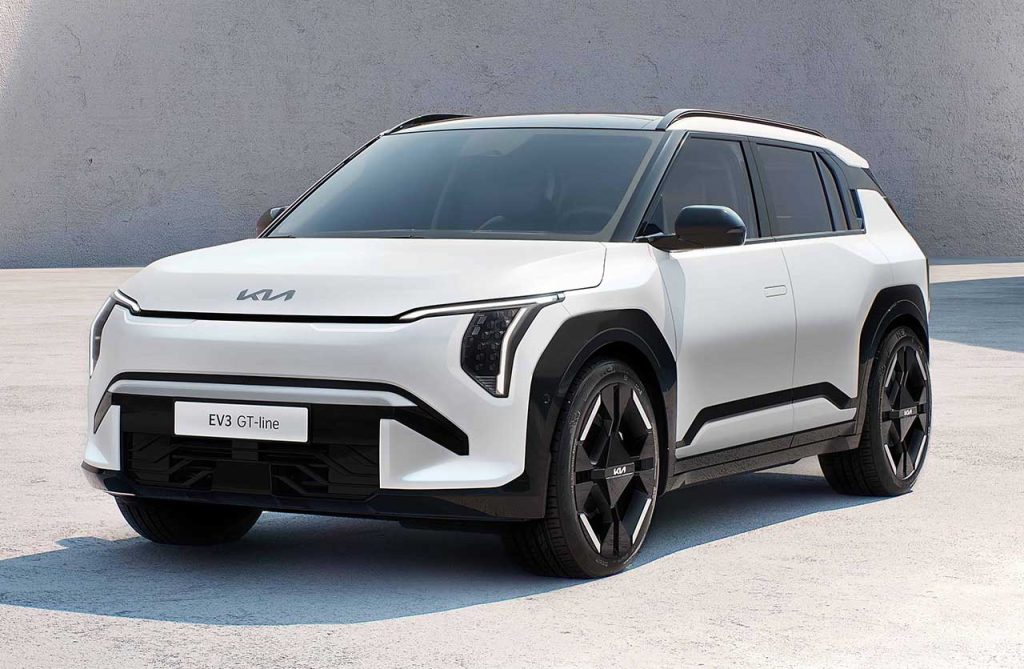
- Kia: EV3, Niro, Seltos, and Telluride
- Lexus: NX 350h
- Nissan: Frontier Crew Cab, Pathfinder, Rogue, and Rogue e-Power
- Slate: Slate pickup
- Tesla: Model 3
- Toyota: Sienna Hybrid
- Volkswagen: Atlas.
The selection spans several vehicle types. The Chevrolet Silverado 1500 and Nissan Frontier Crew Cab represent pickup trucks, while the Chevrolet Tahoe, Kia Telluride, and Volkswagen Atlas are larger SUVs. Compact and midsize vehicles such as the Hyundai Elantra, Kia Niro, and Tesla Model 3 offer different packaging and crash-protection challenges.
Electric and electrified vehicles are also represented. The Kia EV3 and Tesla Model 3 are battery-electric vehicles, while the Lexus NX 350h and Toyota Sienna Hybrid use hybrid powertrains. Nissan’s Rogue e-Power is included as a separate model entry, reflecting its distinct electrified configuration.
NHTSA’s tests are intended to evaluate occupant protection and crash-related risks. Frontal tests assess how well a vehicle protects occupants in a head-on collision scenario. Side-impact testing examines protection when a vehicle is struck from the side, while rollover evaluations assess the risk associated with a vehicle tipping over.
A vehicle’s inclusion does not mean NHTSA suspects it is unsafe. The agency selects models for evaluation as part of its consumer-information program, and the final results can help shoppers compare vehicles once the ratings are released.
Pedestrian Protection and Driver-Assistance Systems Receive More Attention
The 2027 program extends beyond protection for people inside a vehicle. NHTSA has selected 18 models for pedestrian-protection verification, reflecting a growing emphasis on how vehicle design affects people outside the cabin during a collision.
The agency’s assessments examine potential injury risks to the head, hips, legs, and knees in specified impact scenarios.
The 18 vehicles selected for pedestrian-protection testing are:
- Acura MDX
- Audi Q5
- Ford Explorer Gas
- Honda HR-V
- Hyundai Santa Cruz
- Kia EV3
- Kia Telluride
- Mazda CX-50
- Mazda CX-90
- Mitsubishi Outlander
- Nissan Frontier Crew Cab
- Nissan Sentra
- Subaru Outback
- Tesla Model 3
- Toyota Prius
- Toyota RAV4 Hybrid
- Toyota Tundra
- Volkswagen Atlas.
These evaluations consider the consequences of a vehicle striking a pedestrian, rather than simply whether the driver has a system designed to prevent a collision. The assessment includes headform impacts to the hood and windshield area, upper-leg impacts near the leading edge of the hood, and lower-limb impacts against the bumper.
The distinction is important because pedestrian safety depends on more than automatic braking. The shape and structure of a vehicle’s front end can influence the injuries a pedestrian may sustain in an impact.
Results from this assessment can help consumers understand an aspect of safety that traditional occupant-focused crash ratings do not fully capture.
NHTSA introduced its first pedestrian-protection assessment results for 2027 vehicles in September 2026. The agency said 102 vehicle models from 10 manufacturers met its new performance criteria in that initial round.
The latest testing list identifies selected vehicles for additional verification, rather than suggesting that every listed vehicle has failed or passed.
The agency has also selected 10 vehicles for advanced driver-assistance system verification testing. The systems being evaluated include automatic emergency braking, pedestrian automatic emergency braking, lane-keeping assist, blind-spot warning, and blind-spot intervention.
The selected models are:
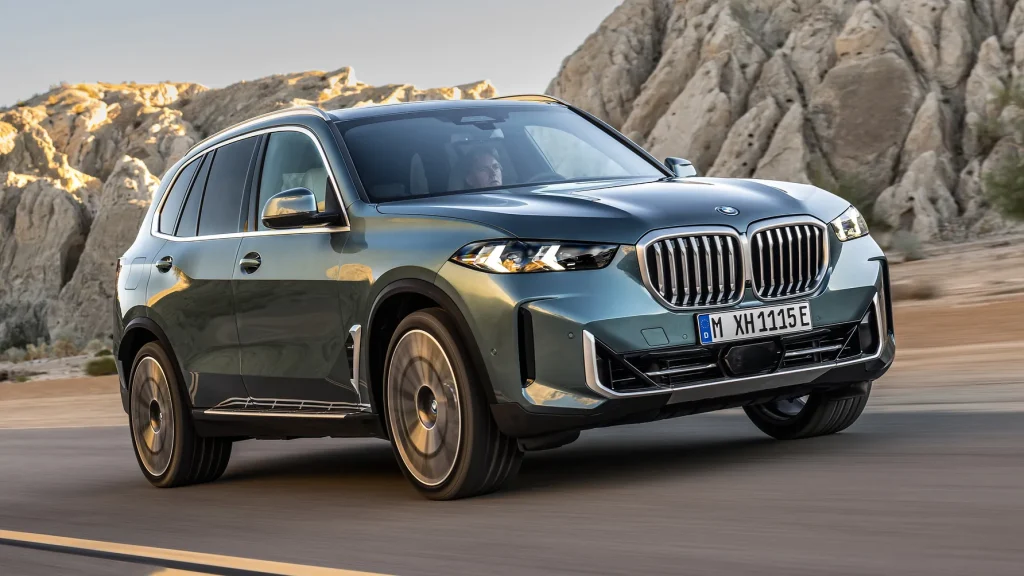
- BMW X5
- Chevrolet Silverado 1500
- Hyundai Elantra
- Jeep Cherokee
- Kia Telluride
- Lexus NX 350h
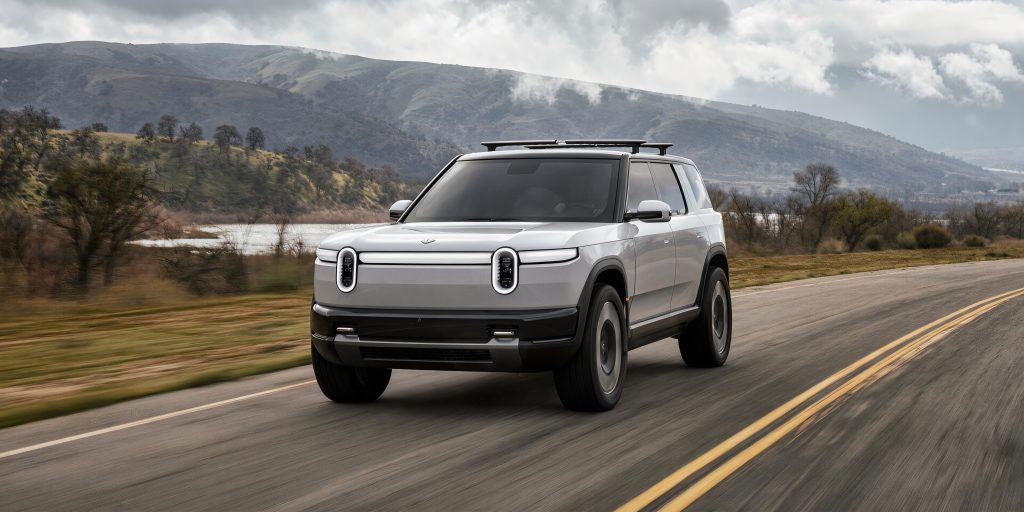
- Rivian R2
- Tesla Model 3
- Toyota Sienna Hybrid
- Volkswagen Atlas.
These technologies are designed to help drivers avoid or mitigate certain crashes. Automatic emergency braking can apply the brakes when a collision risk is detected, while pedestrian automatic emergency braking focuses on specified situations involving people walking.
Lane-keeping assist can help correct unintended lane departures, and blind-spot systems can warn drivers about vehicles beside them or intervene in certain circumstances.
However, these systems are not substitutes for attentive driving. Their effectiveness can depend on speed, visibility, road markings, sensor conditions, and the specific design of the system.
Verification testing helps establish how selected technologies perform under controlled conditions, rather than relying solely on the feature names used in vehicle marketing.
What the Testing List Means for U.S. Car Buyers
NHTSA’s selection provides a useful guide for shoppers comparing 2027 vehicles, but it is important to distinguish between a scheduled test and a published rating.
The agency has not declared every selected vehicle safe or unsafe simply by placing it on the list. Consumers should wait for the individual results before concluding how a particular model performs.
The Five-Star Safety Ratings program provides information about crash protection and crash-avoidance technologies. NHTSA says its ratings cover frontal and side crashworthiness, rollover resistance, and applicable safety technology assessments.
Results become available through the agency’s vehicle ratings website after testing and quality control are completed.
For buyers, the most useful approach is to compare the exact model year and vehicle configuration they intend to purchase. Safety equipment can vary by trim, and the availability of a driver-assistance feature does not guarantee that it has been tested on every version of a model.
Shoppers should review the published results and equipment details rather than assuming that one rating automatically applies to every configuration.
The inclusion of the Rivian R2 in the driver-assistance selection is also notable because the list covers a mix of established vehicles and newer electric models.
Meanwhile, family-oriented vehicles such as the Toyota Sienna Hybrid and Volkswagen Atlas appear in the driver-assistance group as well as the main crash-testing list. This allows consumers to examine more than one dimension of safety when results become available.
NHTSA’s program also provides a point of comparison between different vehicle categories, although ratings should be interpreted in context. Vehicle size, weight, and body style influence crash dynamics, so buyers should review the individual test results and understand what each assessment measures.
The agency’s model year 2027 list is therefore a testing roadmap, not a ranking of the safest new vehicles. The 23 crash-test selections, 18 pedestrian-protection evaluations, and 10 driver-assistance assessments identify where NHTSA plans to gather additional information. They do not establish the final results in advance.
For consumers shopping for a new vehicle, the next step is to monitor NHTSA’s official ratings pages as the results are released. Combining those findings with recall checks, available safety equipment, and a vehicle’s intended use can help buyers make a more informed decision.
