
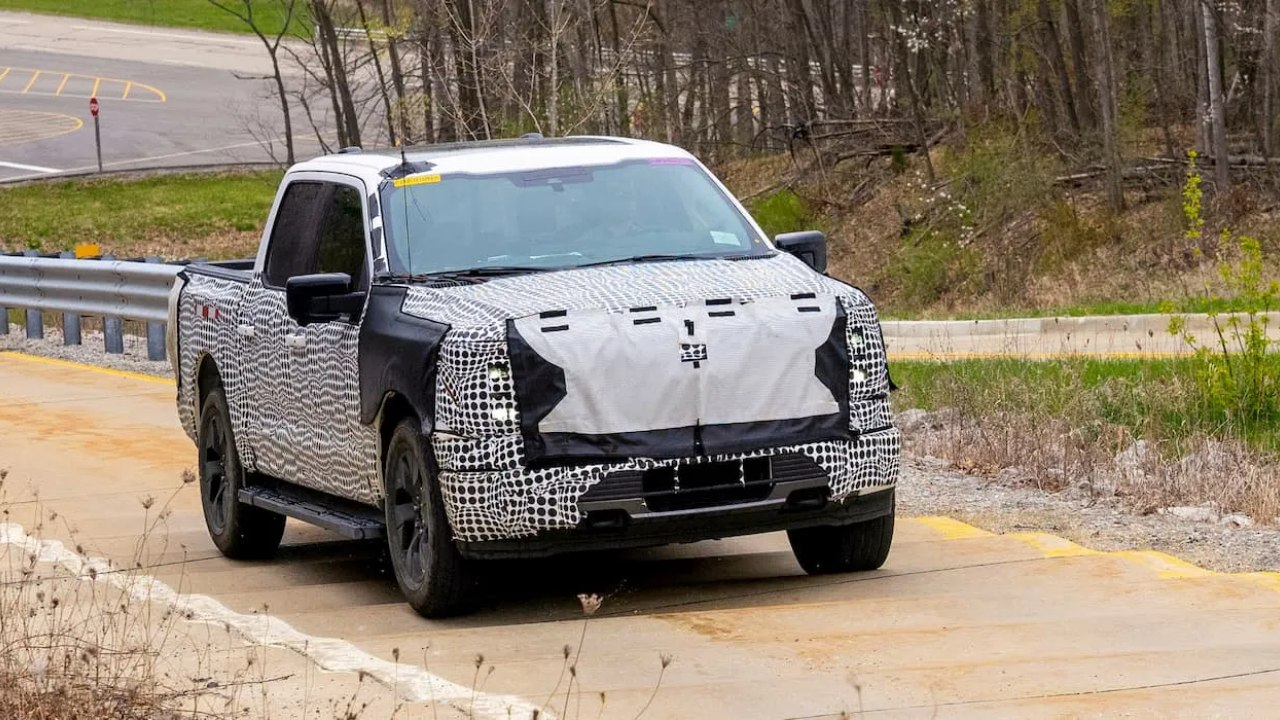
Ford is preparing to enter a new phase of its electric-vehicle strategy with the Fathom, an upcoming electric pickup carrying a starting manufacturer’s suggested retail price of $28,350 before destination charges.
The company has opened an early-access sign-up list for customers who want invitations to place preorders, although the official preorder process is not scheduled to begin until early 2027.
The Fathom is important because Ford is attempting to make an electric truck accessible to a broader group of buyers without stripping away the technology and practicality expected from a modern vehicle.
The truck will introduce Ford’s new Universal Electric Vehicle (UEV) platform, which was developed around lower production costs, simplified construction, and improved manufacturing efficiency.
Ford plans to launch the Fathom in 2027, with customer deliveries expected later that year. However, the company still needs to demonstrate that its new manufacturing approach can deliver the promised affordability at scale.
The Fathom Brings Electric Pickup Pricing Below $30,000
The Fathom’s starting price is one of its most important selling points. Ford lists an MSRP of $28,350 for the standard-range version, with a $1,595 destination and delivery charge bringing the total to $29,945 before dealer documentation fees, taxes, registration, and other applicable charges.
That keeps the advertised starting price below $30,000, although the final amount buyers pay will depend on their location and transaction details.
Ford’s early-access list is not the same as an open preorder. Customers can register their interest now and receive updates or an invitation, while the company says formal preorders will begin in early 2027. Joining the list, therefore, does not establish a final purchase price, guarantee a delivery date, or confirm that a particular configuration will be available.
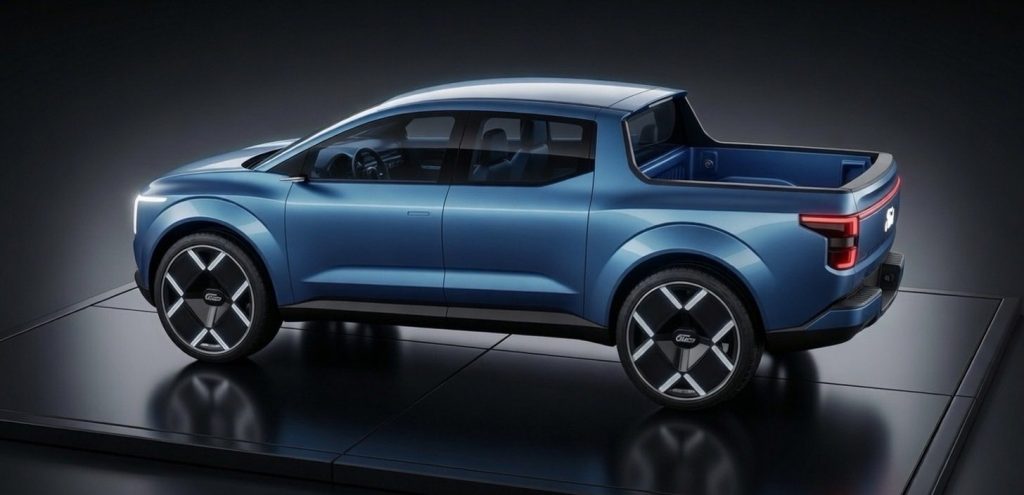
The Fathom is intended to be a four-door electric pickup with passenger space that Ford says will exceed that of a Toyota RAV4 before accounting for its front trunk and truck bed. That combination could appeal to households that want the utility of a pickup without moving to a full-size truck.
Ford has not yet published all final dimensions, cargo measurements, or detailed capacity figures, so its real-world practicality will need to be assessed when production specifications are released.
The price also represents a different approach from Ford’s earlier electric pickup efforts. The Fathom is positioned well below the starting price of the original F-150 Lightning, reflecting a smaller vehicle and a new cost-focused engineering strategy rather than a direct replacement for the full-size truck.
Ford has not yet announced the Fathom’s EPA-estimated driving range, battery capacity, charging times, towing rating, or payload rating. These missing details are important because a low purchase price alone cannot determine whether the vehicle suits buyers who regularly travel long distances, haul equipment, or tow trailers.
For now, the Fathom’s appeal rests on its price target, four-door layout, and promise of useful technology. Whether it becomes a practical alternative to gasoline-powered compact pickups will depend on the final specifications and how much equipment is included in the base model.
A New Platform Focuses on Lower Costs and Everyday Technology
The Fathom is the first vehicle planned for Ford’s Universal EV platform, developed by a specialized team tasked with rethinking how an electric vehicle is designed and manufactured.
Ford says the architecture reduces the number of parts by 20% compared with a typical vehicle, uses 25% fewer fasteners, and requires 40% fewer workstations from the start to the end of the manufacturing process.
The company also targets a 15% improvement in assembly speed. These are Ford’s stated engineering targets, not independently verified production results.
Battery design is central to the strategy. Ford plans to use lithium iron phosphate (LFP) batteries, which avoid nickel and cobalt and can help reduce material costs. The battery pack also forms a structural part of the vehicle’s floor, a design intended to reduce component complexity and free up cabin space.
A lower center of gravity could benefit handling, although the truck’s final weight, driving range, and performance figures remain unconfirmed.
Ford is also simplifying the vehicle’s electrical architecture. The company says the new platform will use a shorter wiring harness than its first-generation electric SUV, reducing complexity and weight.
Fewer parts and connections could make assembly more efficient, but Ford will still need to demonstrate that the design meets its targets for build quality, durability, and repairability.
The planned equipment list is notable for a vehicle in this price range. Ford says the Fathom will include a large touchscreen, navigation powered by Apple Maps, Apple CarPlay, and Android Auto, and a digital key and remote functions through the Ford app.
Bidirectional power capability will allow the vehicle to supply electricity to compatible external equipment, potentially making it useful for tools, camping gear, and other applications.
Every Fathom is also expected to include the hardware needed for Ford’s next-generation BlueCruise system. BlueCruise provides hands-free driving on designated highways while requiring drivers to remain attentive.
Hardware capability does not necessarily mean every function will be immediately activated without additional conditions or charges, so buyers should confirm the availability, subscription terms, and operating requirements before ordering.
The challenge is delivering these features without pushing the price beyond the target. Ford must control battery costs, manufacturing complexity, and supplier expenses while ensuring that the truck remains useful and dependable.
The final battery options, charging performance, and standard equipment list will help determine whether the Fathom delivers meaningful value or simply achieves an attractive headline price.
Production at Scale Is Ford’s Biggest Test
Ford is investing approximately $5 billion across its Louisville Assembly Plant in Kentucky and BlueOval Battery Park in Michigan to support the Universal EV program. The company says the investment will help establish a new manufacturing system and domestic battery production for the Fathom and its underlying platform.
Prototype builds using production-qualified parts are planned for the first quarter of 2027, with customer vehicles expected later that year.
The scale of the investment illustrates how difficult affordable EV production can be. Ford must coordinate battery manufacturing, vehicle assembly, supplier capacity, and quality control while preparing a new platform for volume production.
Building a working prototype is just the first step. Scaling production to thousands of vehicles while maintaining consistent quality and meeting cost targets presents a far greater challenge.
Ford CEO Jim Farley has acknowledged the difficulty of launching the vehicle at scale, at the targeted cost, and on schedule. That caution is important because the company is attempting to change its manufacturing process while introducing a new vehicle architecture.

If production costs exceed expectations or factory readiness slips, Ford could face pressure to delay deliveries, revise pricing, or limit initial supply.
Competition will add pressure. Buyers comparing the Fathom with gasoline pickups will weigh purchase price against fuel savings, home charging costs, insurance, and expected resale value. Electric-truck shoppers will also want clear information about public charging access, range in cold weather, and the effect of carrying heavy loads.
Ford’s claim that the Fathom could cost less to own over five years than a three-year-old used Tesla Model Y is another company projection that will need to be evaluated against actual prices, energy costs, maintenance, and depreciation. Individual results will vary depending on mileage, electricity rates, financing, and resale values.
The Fathom could give Ford a new entry point into the electric-truck market if it delivers on its price and practicality promises. For now, the $28,350 starting MSRP and early-access list establish the commercial ambition, not the finished result.
Final specifications, real-world range, production pricing, and delivery timing will determine whether Ford can turn its affordable EV strategy into a vehicle customers can actually buy at the advertised price.
