
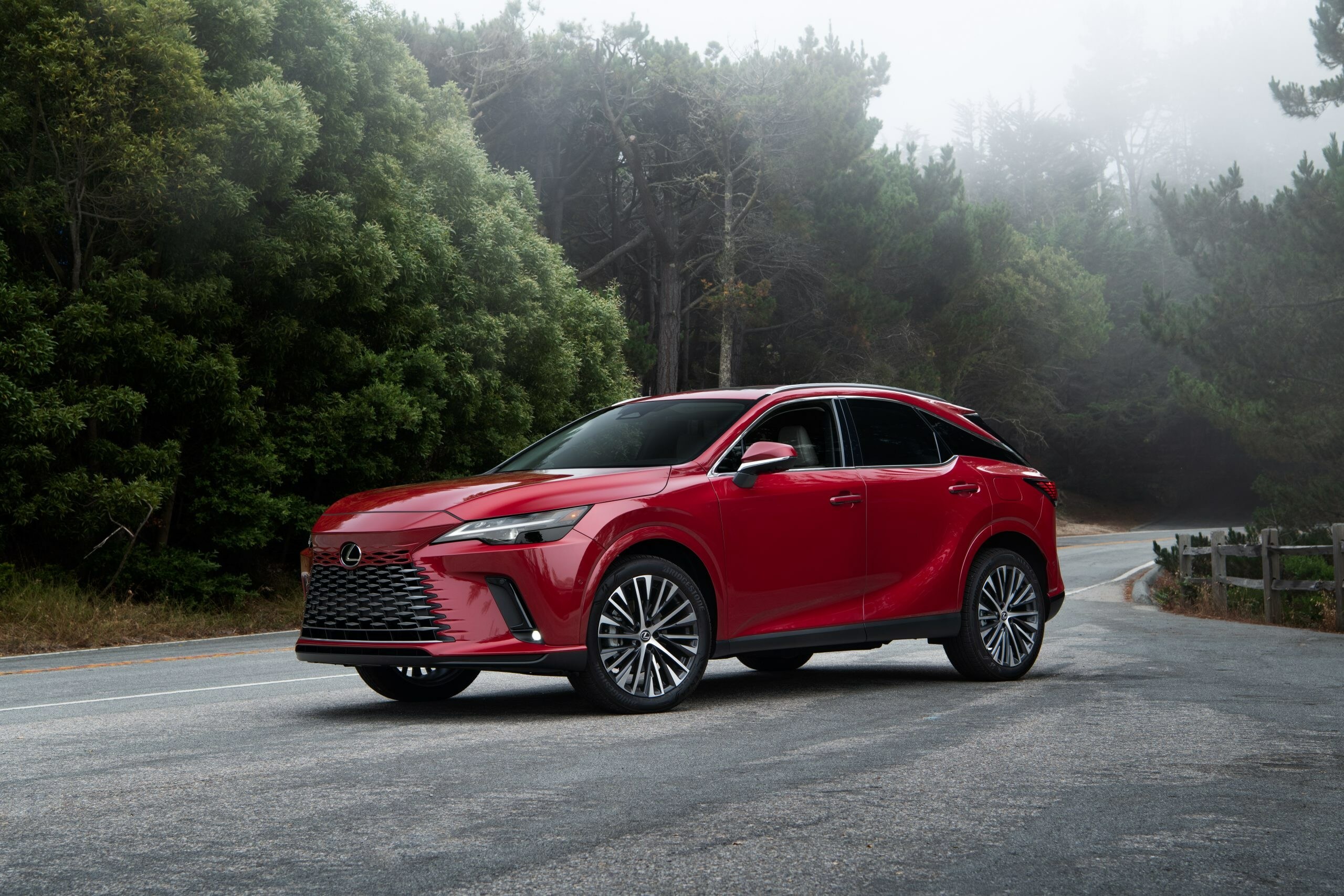
Lexus is heading into 2027 with plans to increase U.S. sales while maintaining tight inventory control, strengthening dealership relationships, and expanding powertrain choices. The luxury division of Toyota Motor North America wants to build on strong sales momentum without flooding showrooms with vehicles that retailers may struggle to sell profitably.
According to an October 16, 2026, report from CBT News, Lexus leadership outlined its priorities ahead of the brand’s annual dealer meeting in Atlanta.
The plan aims to boost sales, sustain dealership profits, and expand vehicle choices by offering gasoline-powered, hybrid, and battery-electric models that cater to varying customer preferences.
Lexus Targets Another Record Sales Year
Lexus expects to finish 2026 with approximately 360,000 to 365,000 U.S. vehicle sales. If achieved, that would give the brand its second consecutive record year. For 2027, its target is roughly 370,000 vehicles, signaling that leadership expects further growth rather than a major change in direction.
Recent results provide some support for that ambition. Lexus reported U.S. sales of 29,837 vehicles in September, an 11.4% increase compared with the same month in 2025. Third-quarter sales reached 93,056 units, up 1.6% year over year.
The figures show continued demand, although sustaining that momentum will depend on vehicle availability, pricing, and broader economic conditions.
The 370,000-unit goal is not guaranteed. Financing costs, household budgets, and competition from other premium brands could influence purchasing decisions during the coming year. Lexus must also ensure its production and distribution plans support demand without leaving dealerships with excessive stock.
Strong dealer partnerships are essential to this strategy. Company leaders want retailers to understand the brand’s vision and feel confident about its future products and growth opportunities. Long-term dealership success also depends on more than new-vehicle sales, with service, parts, used-car operations, and customer loyalty all playing important roles in maintaining profitability.
This matters in the luxury market, where buyers often expect convenient service, knowledgeable staff, and a consistent ownership experience. Dealers need to invest in facilities, training, and customer support, while manufacturers must provide products and commercial conditions that justify those expenses.
Lexus also sees an opportunity in the growing number of its vehicles already on American roads. As more vehicles remain in service, dealerships can generate revenue through maintenance, repairs, and replacement parts long after the original sale. That installed base can provide a more dependable source of business when new-vehicle demand fluctuates.
Inventory Discipline Aims to Protect Dealership Margins
Lexus is keeping a close watch on vehicle supply. Ross reported that the brand ended September with just a 16-day supply of inventory and had not exceeded a 20-day supply since June 2024. The approach suggests Lexus is prioritizing a close match between incoming vehicles and customer demand instead of relying on large stocks to drive sales.
For dealers, lean inventory can reduce the cost of holding unsold vehicles. Retailers often use floorplan financing to fund their stock, meaning vehicles sitting on lots can generate financing expenses before they are sold. A smaller inventory can reduce those carrying costs and limit pressure to offer discounts on aging models.
Controlled supply can also help preserve transaction prices. If dealerships have fewer excess vehicles to clear, they may be less reliant on incentives to attract buyers. That supports Lexus’ premium positioning and gives retailers a better chance of earning a reasonable return on each sale.
However, limited stock creates a trade-off. Customers may have fewer choices of trim, color, or powertrain, and shoppers who need a vehicle quickly could turn to a competitor with more vehicles available. Lexus must therefore ensure that low inventory does not become a barrier to buying its products.
Reliable communication about incoming shipments and production schedules will be important. Dealers need to know which models are arriving and when, allowing them to manage customer orders and explain delivery timelines accurately.
Affordability is another part of the strategy. Ross highlighted lease offers, particularly for entry-level models, as one way to retain customers facing higher monthly payments when replacing an existing leased vehicle. Competitive leasing can help buyers remain with Lexus instead of switching to a less expensive brand.
The challenge is to keep payments attractive without relying on incentives that undermine profitability. Lease costs depend on factors including vehicle prices, financing rates, and expected resale values, so Lexus and its retailers must balance customer affordability with sustainable returns.
Certified pre-owned vehicles and aftersales services offer additional opportunities. Returned lease vehicles can support used-car sales, while maintenance and parts businesses help dealerships retain customers beyond the initial purchase. Together, these activities can make retailers less dependent on new-car sales alone.
Hybrids and EVs Give Lexus More Ways to Compete
Lexus is not relying on a single powertrain technology to achieve its growth target. Its strategy includes conventional hybrids, plug-in hybrids, and battery-electric vehicles, giving customers alternatives based on their budgets, driving patterns, and access to charging.
Conventional hybrids can improve fuel economy without requiring drivers to plug in. Plug-in hybrids offer the ability to complete some trips using electricity while retaining a gasoline engine for longer journeys. Battery-electric vehicles appeal to customers ready to move away from gasoline, provided charging access, range, and purchase costs suit their needs.
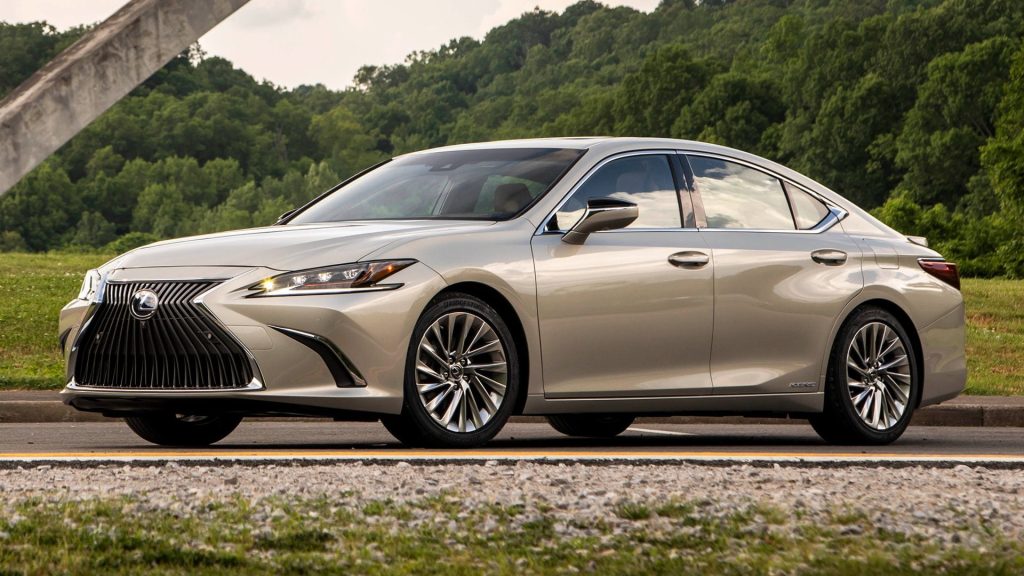
The 2027 ES illustrates this multi-powertrain approach, with hybrid and fully electric versions available within the same model family. Lexus lists an EPA-estimated rating of up to 46 mpg combined for the front-wheel-drive ES 350h hybrid. The electric versions provide an alternative for buyers who prefer to avoid gasoline.
Lexus is also preparing to enter the three-row electric luxury SUV segment with the 2027 TZ. The company estimates up to 300 miles of range for select versions and lists a starting price of $64,050, including delivery, processing, and handling.
The model expands the brand’s electric offering into a segment where family space and everyday practicality are important purchasing considerations.
A diverse lineup gives Lexus flexibility as consumer demand develops. Rather than assuming all luxury buyers will quickly switch to battery-electric vehicles, the company can continue serving customers who prioritize fuel economy, prefer plug-in capability, or are ready for an all-electric vehicle.
That flexibility also brings challenges for dealers. Sales and service teams must explain charging requirements, operating costs, and powertrain differences clearly. Customers need to understand which option suits their circumstances, while dealers must be prepared to service increasingly varied technologies.
Competition will depend on more than electrification. Buyers also consider pricing, financing, resale values, reliability, and the quality of the dealership experience. Lexus’ established reputation can help attract customers, but new models must still offer convincing value against rival luxury SUVs and sedans.
The brand’s 2027 plan ultimately depends on balancing growth with discipline. Its sales target sets a clear direction, tight inventory may help protect dealer margins, and a varied powertrain lineup offers flexibility as the market changes.
The key will be ensuring that supply remains sufficient, monthly payments remain competitive, and dealerships can deliver the ownership experience customers expect.
Lexus enters 2027 with positive sales momentum, but reaching its target will require coordination between product planning, distribution, and retailers. Success will mean not simply selling more vehicles but growing while keeping dealers financially healthy and giving customers compelling reasons to stay with the brand.
