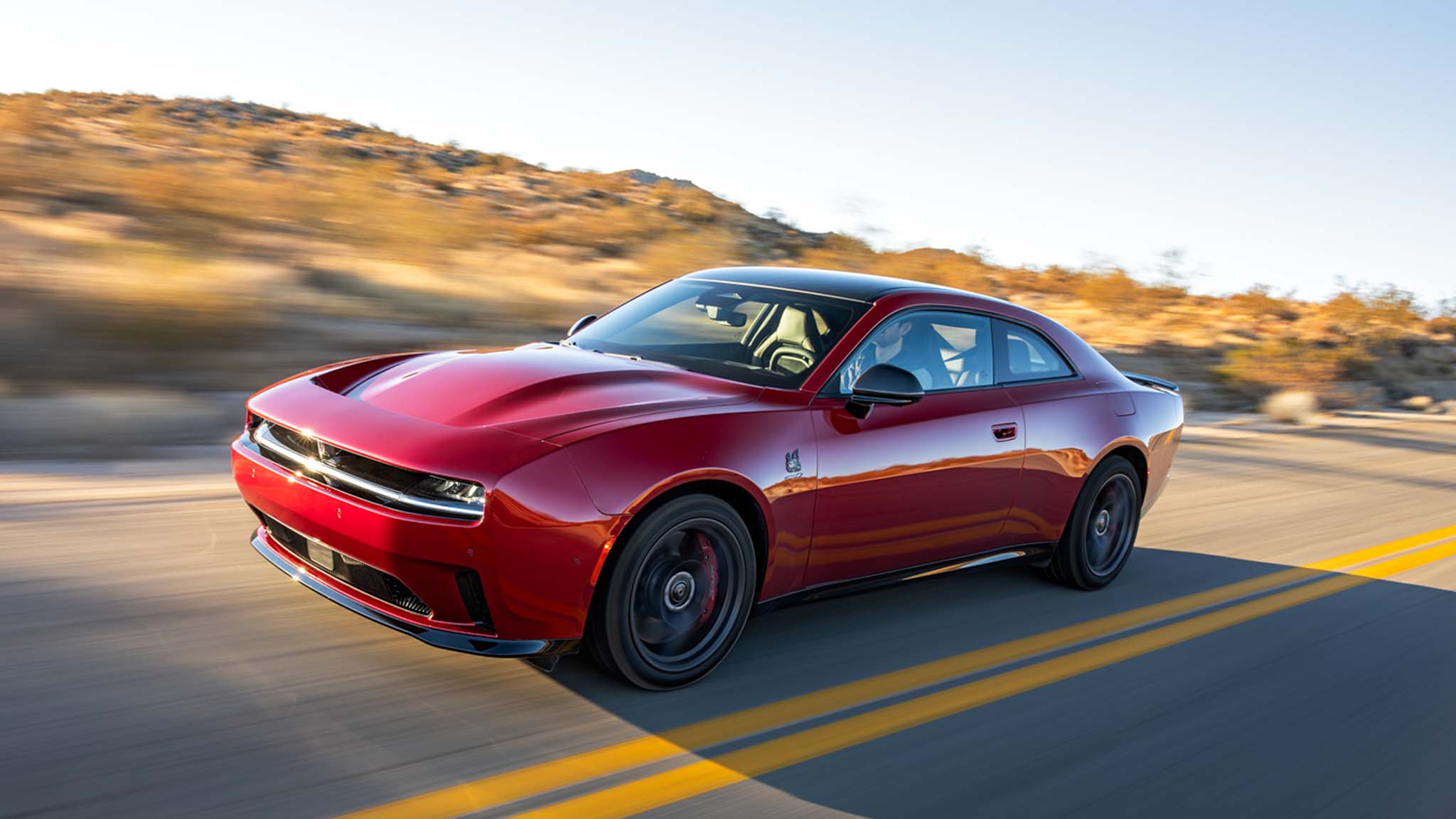
Dodge could bring one of its best-known performance engines back to the Charger lineup for the 2028 model year. A report published by Car and Driver on October 13, 2026, says internal Stellantis documents obtained by MoparInsiders list a supercharged 6.2-liter HEMI V8 for the next-generation Charger.
The reported configuration includes both two-door and four-door body styles, an eight-speed automatic transmission, and rear-wheel drive.
However, Dodge has not officially confirmed the engine, its output, or the production schedule, so the proposed return remains an unconfirmed product development rather than an announced launch.
Why the Supercharged HEMI Could Be Returning
The potential V8 return would mark a significant change for the latest Charger generation. The current lineup has moved toward electric propulsion and a twin-turbocharged inline-six, leaving traditional V8 buyers without the supercharged engine that powered earlier SRT Hellcat models.
The new Charger platform was designed to accommodate different powertrains, giving Stellantis a foundation for offering combustion and electric versions under the same model name.
According to the internal document reporting, the proposed 2028 model would use the supercharged 6.2-liter HEMI V8 associated with the Hellcat name. The engine would reportedly be paired with the ZF 8HP95 eight-speed automatic transmission.
Both the two-door coupe and four-door sedan appear in the reported plan, suggesting the engine would not be restricted to a single body style. The documents also indicate rear-wheel drive rather than the standard all-wheel-drive arrangement used by current Hurricane-powered Charger models.
That layout would be familiar to drivers of previous Hellcat Chargers. Sending power to the rear wheels would preserve the traditional muscle-car configuration, while the automatic transmission would handle the engine’s substantial torque.
It could also give the V8 version a distinct character from the current all-wheel-drive SIXPACK models, although the real-world differences will depend on final specifications, tires, suspension tuning, and electronic controls.
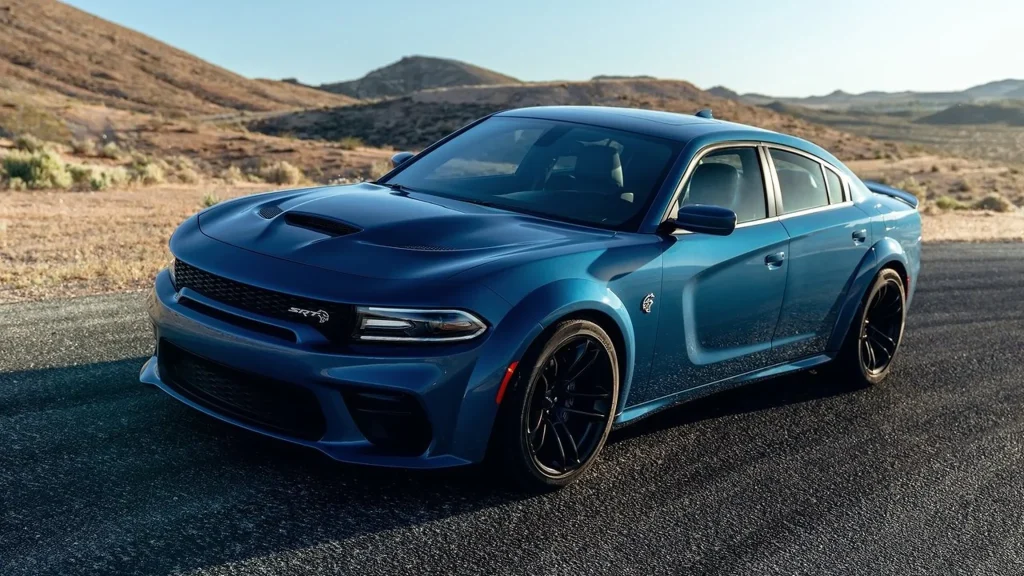
The engine itself has a long history in Dodge performance vehicles. In the previous-generation Charger SRT Hellcat, the supercharged 6.2-liter V8 produced 717 horsepower in its standard form, while the more powerful Hellcat Redeye reached 797 horsepower.
Those figures provide useful context, but they do not establish the output of the rumored 2028 car.
The updated engine’s final power output has yet to be confirmed. According to Car and Driver, it could retain a figure close to the previous 717 horsepower or receive an upgrade to as much as 777 horsepower, matching reports about the engine planned for the 2027 Ram 1500 SRT TRX.
Neither figure has been confirmed for the Charger. It would therefore be premature to advertise the upcoming model as a 777-horsepower car or claim that it will outperform the previous Hellcat.
How a V8 Could Change the Charger Lineup
The reported V8 would join a lineup that already spans combustion and electric power. Dodge’s current-generation Charger is built on Stellantis’ STLA Large platform, which supports both the all-electric Daytona and gasoline-powered SIXPACK models.
The architecture gives the company flexibility to serve drivers seeking different kinds of performance without maintaining entirely separate vehicle designs for every powertrain.
The current gasoline-powered Charger is equipped with a 3.0-liter twin-turbocharged Hurricane inline-six engine. Reports suggest the 2028 lineup will continue to offer three versions, including a 420-horsepower Standard Output, a 550-horsepower High Output, and a 600-horsepower High-Output Plus variant expected to power the Super Bee.
The supercharged V8 would sit above those versions in the performance hierarchy if the reported plans reach production.
That would give Dodge a wider range of choices. The Hurricane models could appeal to buyers who want modern turbocharged performance and available all-wheel drive, while a Hellcat-badged V8 version would target enthusiasts who prioritize the sound, response, and character of a supercharged eight-cylinder engine.
The electric Daytona would remain a separate option for drivers interested in instant electric torque and charging-based ownership.
The return could also help distinguish the new Charger from its predecessor. The earlier generation offered several HEMI V8 choices, including naturally aspirated engines and the supercharged Hellcat.
The new generation initially emphasized electric power and then brought back gasoline power through the inline-six. Adding a V8 would restore another part of the previous lineup’s identity, although the exact trim names and equipment combinations have not been confirmed.
There are engineering challenges behind that possibility. A supercharged V8 requires space for the engine and its supporting systems, including cooling hardware, exhaust components, and drivetrain equipment.
The car must also manage the engine’s weight and output through its suspension, brakes, tires, and electronic stability systems. The STLA Large platform’s flexibility helps make different powertrains possible, but it does not mean the V8 version can simply be treated as an unchanged SIXPACK with a different engine.
Rear-wheel drive would also affect how the car delivers its power. It can provide the traditional rear-driven behavior associated with muscle cars, but traction becomes especially important when a high-output engine sends substantial torque through the rear tires.
The production vehicle’s final tire specification, differential, launch-control calibration, and drive modes will help determine how effectively it puts that power down.
For now, the lineup described in the report should be treated as a proposed plan rather than a finalized order guide. Dodge has not published confirmed V8 specifications, trim details, pricing, or standard-equipment information for a 2028 Charger Hellcat.
The reported document offers a meaningful indication of what may be in development, but buyers will need an official announcement before treating any of those details as settled.
Production Timing, Pricing, and the Details Are Still Unconfirmed
The timing outlined in the reports points toward production beginning in late 2027 for the 2028 model year. A separate report from Automotive News, summarized by Kelley Blue Book, says Stellantis is targeting approximately 12,000 supercharged HEMI Charger vehicles annually and has reportedly informed suppliers about the program.
That figure would represent a production target, not a confirmed number of vehicles guaranteed to reach U.S. dealerships. Stellantis has declined to confirm the reported plans, leaving the timing and volume subject to change.
Pricing is another unanswered question. Dodge has not announced a starting price for a V8-powered 2028 Charger, and the reported internal documents do not establish what the car would cost.
A supercharged engine, additional cooling equipment, and performance hardware could place it above the Hurricane-powered models, but any specific price estimate remains speculative until the manufacturer releases official figures.
Fuel economy, emissions certification, and availability will also matter. A supercharged V8 is likely to have different fuel-consumption characteristics from the twin-turbocharged inline-six and electric Daytona models, but official EPA ratings for the rumored Charger do not exist yet.
Buyers should wait for certified figures rather than assume the new engine will match the efficiency of current models.
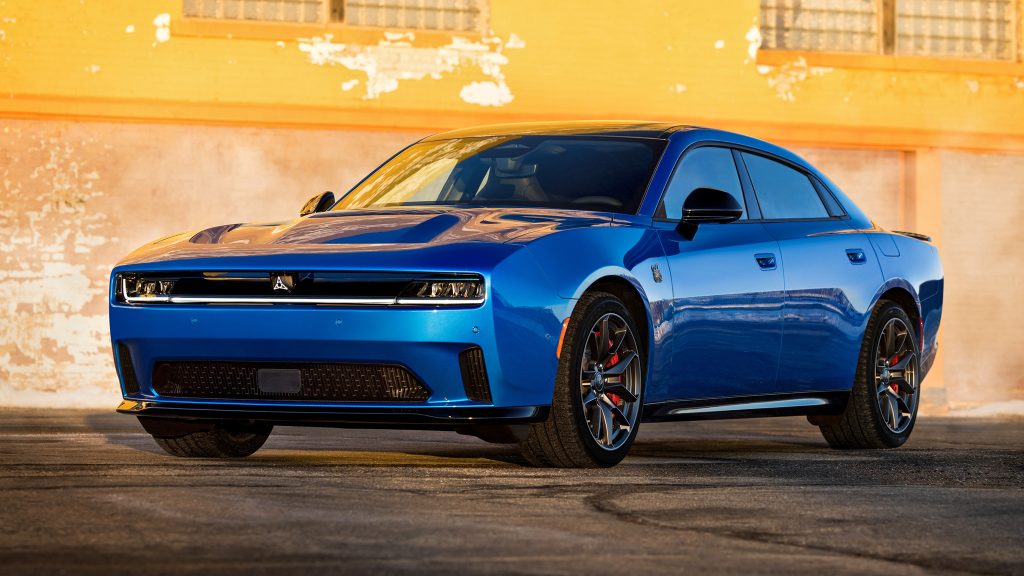
The competitive landscape could be different by the time the car arrives. The Ford Mustang remains a prominent American performance coupe with V8 options, while the four-door Charger offers a different combination of passenger space and muscle-car styling.
A supercharged Charger sedan could appeal to drivers who want high performance without giving up the practicality of four doors. The coupe, if offered as reported, would provide a more traditional two-door alternative.
The most important distinction is between a reported development program and an official vehicle announcement. The supercharged 6.2-liter HEMI, rear-wheel-drive layout, ZF eight-speed automatic, and two body styles are all details attributed to internal documents.
Dodge has not publicly confirmed that complete package, and the final engine output could differ from both the previous Hellcat’s 717 horsepower and the reported 777-horsepower possibility.
If the plan proceeds, the 2028 Charger could restore the supercharged HEMI to a modern Dodge performance car while allowing the Hurricane and electric models to continue serving different buyers. Until Stellantis confirms the production vehicle, however, the engine specification, launch timing, pricing, and final lineup remain open questions.