
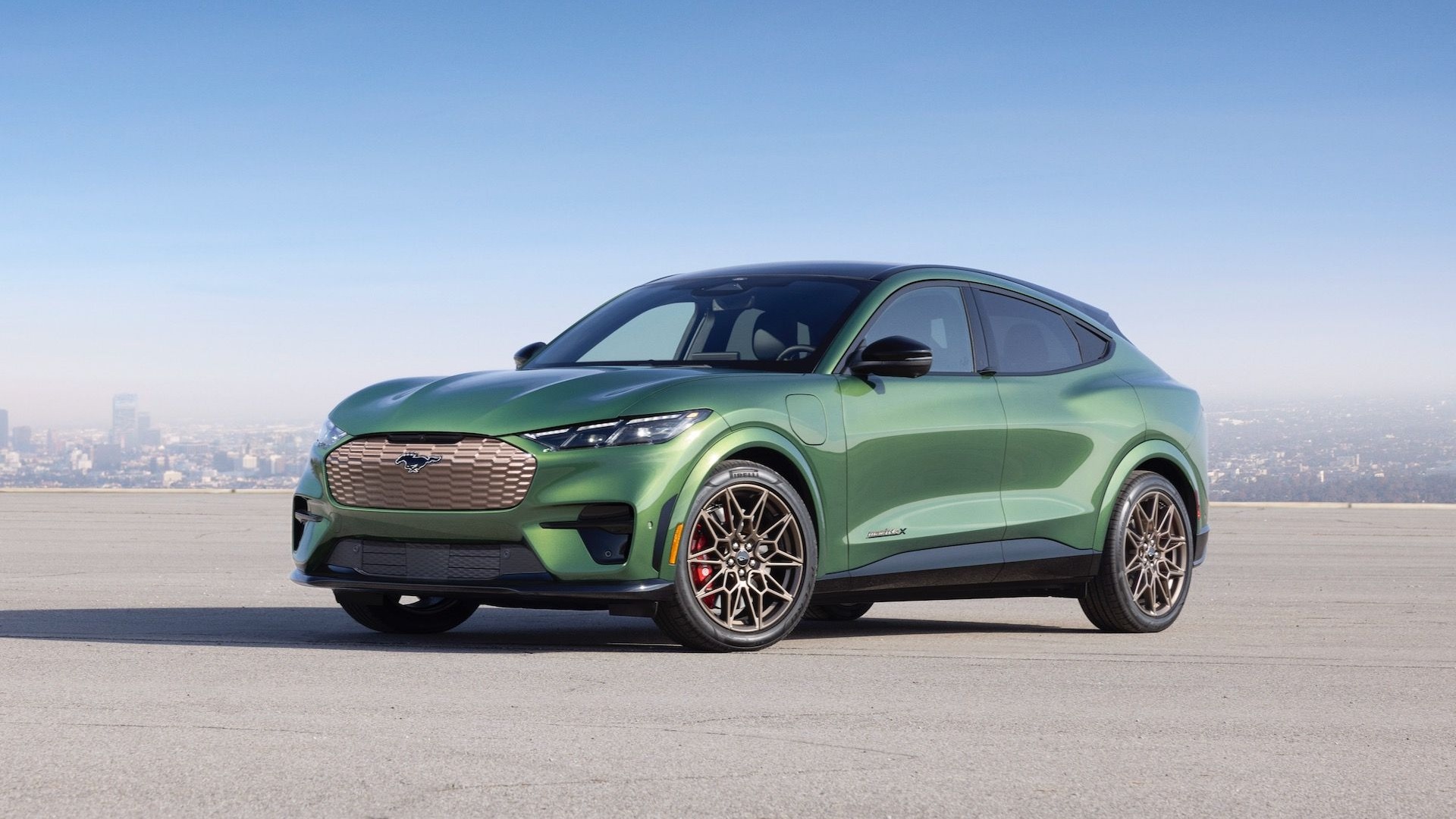
The 2026 Ford Mustang Mach-E receives a series of equipment and packaging changes rather than a complete redesign. Ford’s updates affect charging accessories, driver-assistance features, convenience equipment, exterior options, and performance packages.
The changes matter because some features that were previously standard now require an optional package, while buyers must also pay closer attention to which charging accessories come with their vehicle.
The electric SUV continues to offer rear-wheel drive and all-wheel drive, multiple battery configurations, and performance-focused GT and Rally models. Its maximum EPA-estimated range reaches 320 miles in the extended-range rear-wheel-drive Premium configuration.
However, shoppers comparing the Mach-E with rivals such as the Tesla Model Y, Hyundai Ioniq 5, and Chevrolet Equinox EV should consider equipment costs and charging compatibility alongside range and performance.
Charging Accessories Change for the 2026 Model Year
One of the most important changes concerns the North American Charging Standard adapter. For 2026, Ford makes the NACS fast-charging adapter optional instead of including it with the Mobile Power Cord.
This is a change in equipment packaging, not a new charging system or an increase in the vehicle’s maximum charging rate. Buyers who intend to use compatible Tesla Supercharger stations should check whether the adapter is included in the vehicle’s listed equipment.
The distinction matters because the Mach-E uses a CCS1 charging port rather than a native NACS port. A compatible adapter allows the vehicle to connect to supported NACS charging stations, but access depends on the station, vehicle compatibility, and charging-network authorization.
Owners should use Ford’s current charging guidance to identify eligible stations before planning a trip.
For someone buying a new Mach-E, the change creates a small but practical budgeting consideration. If the vehicle does not include the adapter, the buyer may need to purchase it separately. Checking the window sticker and confirming the contents of the charging equipment package can prevent an unexpected expense after delivery.
Ford’s integrated charging tools remain part of the ownership experience. Drivers can use connected services and route-planning features to locate charging stations and plan journeys.
Actual charging speeds, however, depend on the station’s power output, battery temperature, battery charge level, and other conditions. A charger’s maximum advertised output does not mean the Mach-E will sustain that rate throughout a charging session.
Battery configuration also affects how far the vehicle can travel between stops. Ford’s 2026 lineup includes a 73-kWh usable standard-range battery and larger extended-range options, depending on trim and drivetrain.
The premium rear-wheel-drive version with the extended-range battery is rated for up to 320 miles of EPA-estimated range. Other configurations have lower ratings, so buyers should match the range figure to the precise model they are considering.
The key point is that Ford has changed the equipment supplied with the vehicle, not introduced a higher peak charging rate for 2026. Buyers should confirm the charge port, NACS adapter, and mobile charging equipment before taking delivery.
Those details are especially important for drivers who frequently make long journeys and want to use the Tesla Supercharger network.
Technology Packages and Trim Equipment Receive Revisions
The 2026 Mach-E lineup continues with Select, Premium, GT, and Rally trims. Each serves a different purpose, but the equipment changes make it important to compare individual features rather than assuming that a familiar trim name guarantees the same standard equipment as last year.
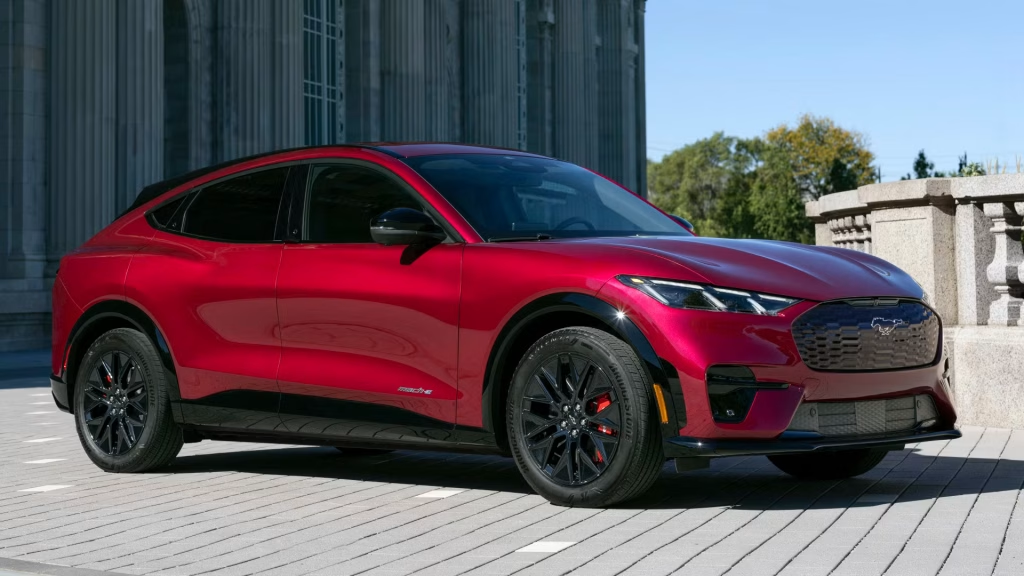
The Technology Package is one of the most significant changes. On Select and Premium models, the 360-degree camera, front parking sensors, and reverse brake assist move into the package rather than remaining standard equipment.
The Technology Package is optional on Select and Premium but standard on GT. Buyers who regularly park in tight spaces or want additional assistance when reversing should account for this change when comparing prices.
Convenience equipment is also affected. Ford moves the wireless charging pad and universal garage-door opener into the Technology Package on Premium and GT. The power liftgate is no longer standard, and the front trunk, commonly called the frunk, becomes optional rather than standard.
The tire inflator and sealant kit also moves to the optional-equipment list. These adjustments may seem minor individually, but they can change the value of a particular vehicle once a buyer adds the equipment they want.
Connected services receive a revision as well. Ford’s order guide states that connected navigation changes from three years included to one year included and becomes part of the Ford Connectivity Package.
The Ford Security Package includes one year with activation. BlueCruise, Ford’s hands-free highway-driving assistance system, is available with the Technology Package. Buyers should check the included trial periods and subscription terms instead of assuming every connected feature remains free indefinitely.
Appearance and performance options provide additional ways to distinguish the trims. Race Red and Adriatic Blue Metallic join the exterior-color choices at extra cost.
Ford also introduces the GT Performance and Handling Package and California Special Package for the GT. The performance package includes MagneRide damping, which is no longer standard on the GT. The Rally receives changes to its wheel and spoiler options, while some previous appearance-package content is removed.
These revisions do not mean that every 2026 Mach-E is less well equipped. Rather, buyers need to be more deliberate about configuration. Select remains the entry-level choice, Premium offers additional comfort and battery options, and GT and Rally focus more heavily on performance.
Comparing the window sticker against the previous model year’s equipment list is the best way to determine whether a particular deal represents a genuine saving or simply includes fewer features.
How the Mach-E Stacks Up Against Electric SUV Rivals
The Tesla Model Y is one of the Mach-E’s closest competitors. The Ford offers up to 320 miles of EPA-estimated range in its longest-range configuration, while some Model Y versions have higher published range estimates.
The Tesla also has a native NACS charge port, removing the need for an adapter when connecting to compatible NACS stations. The Mach-E counters with its Mustang-inspired styling, a separate digital instrument display, and support for wireless Apple CarPlay and Android Auto.
The Hyundai Ioniq 5 offers another alternative, particularly for buyers focused on charging convenience. Its native NACS port and CCS adapter help simplify access to different charging networks.
Its range and charging performance vary by battery and drivetrain, just as they do with the Ford. Buyers should compare the exact configurations and charging specifications rather than assuming every version of either vehicle delivers the same results.
For shoppers prioritizing purchase price, the Chevrolet Equinox EV deserves consideration. It targets buyers who want an electric crossover without moving into a more expensive performance-oriented model.
The Mach-E’s Select trim competes for similar customers, but the final price comparison should include any desired technology package, charging adapter, and convenience options. A lower advertised starting price does not necessarily mean the two vehicles provide equivalent equipment.
The Mach-E’s strongest differentiator remains the breadth of its lineup. Buyers can choose an efficiency-oriented rear-wheel-drive model, an all-wheel-drive configuration, or the more powerful GT and Rally versions.
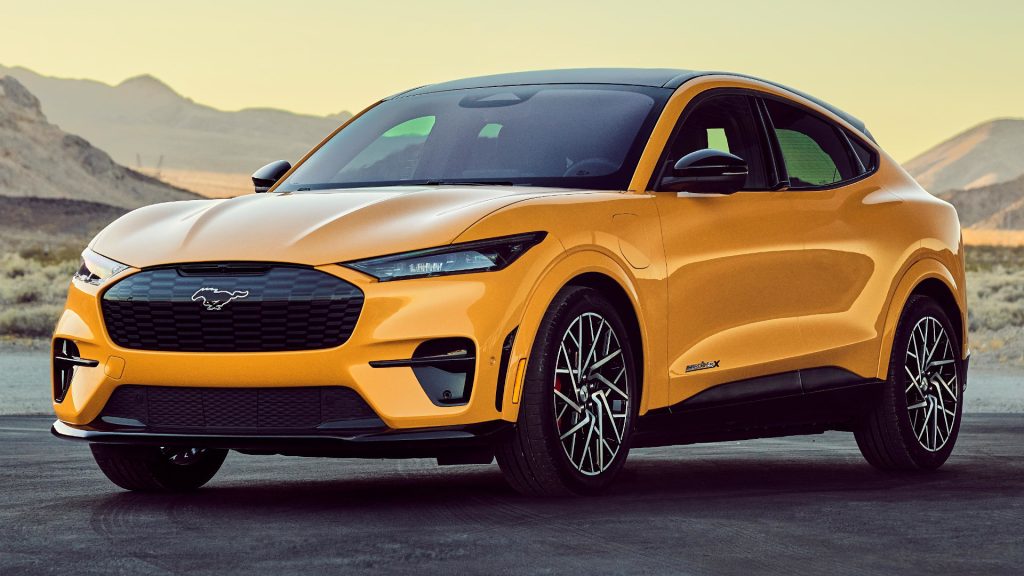
That flexibility gives the Ford a broader personality than a vehicle offered primarily as a practical commuter crossover. However, choosing a performance trim can mean accepting a different range estimate and a higher purchase price.
For U.S. buyers, the smartest approach is to compare the full cost of the vehicle as configured. Check the EPA range for the chosen battery and drivetrain, verify whether the NACS adapter is included, and review which parking aids and convenience features require the Technology Package. Connected-service trial periods should also be part of the decision.
The 2026 Mustang Mach-E remains a competitive electric SUV, but its model-year updates are primarily about equipment availability and packaging.
The charging adapter change is particularly important for drivers who plan to use compatible Tesla Superchargers, while the revised Technology Package affects the convenience and safety-related features included with different trims.
Knowing these differences before signing can help buyers choose the right configuration without paying for unwanted extras or discovering that an expected feature is missing.
