
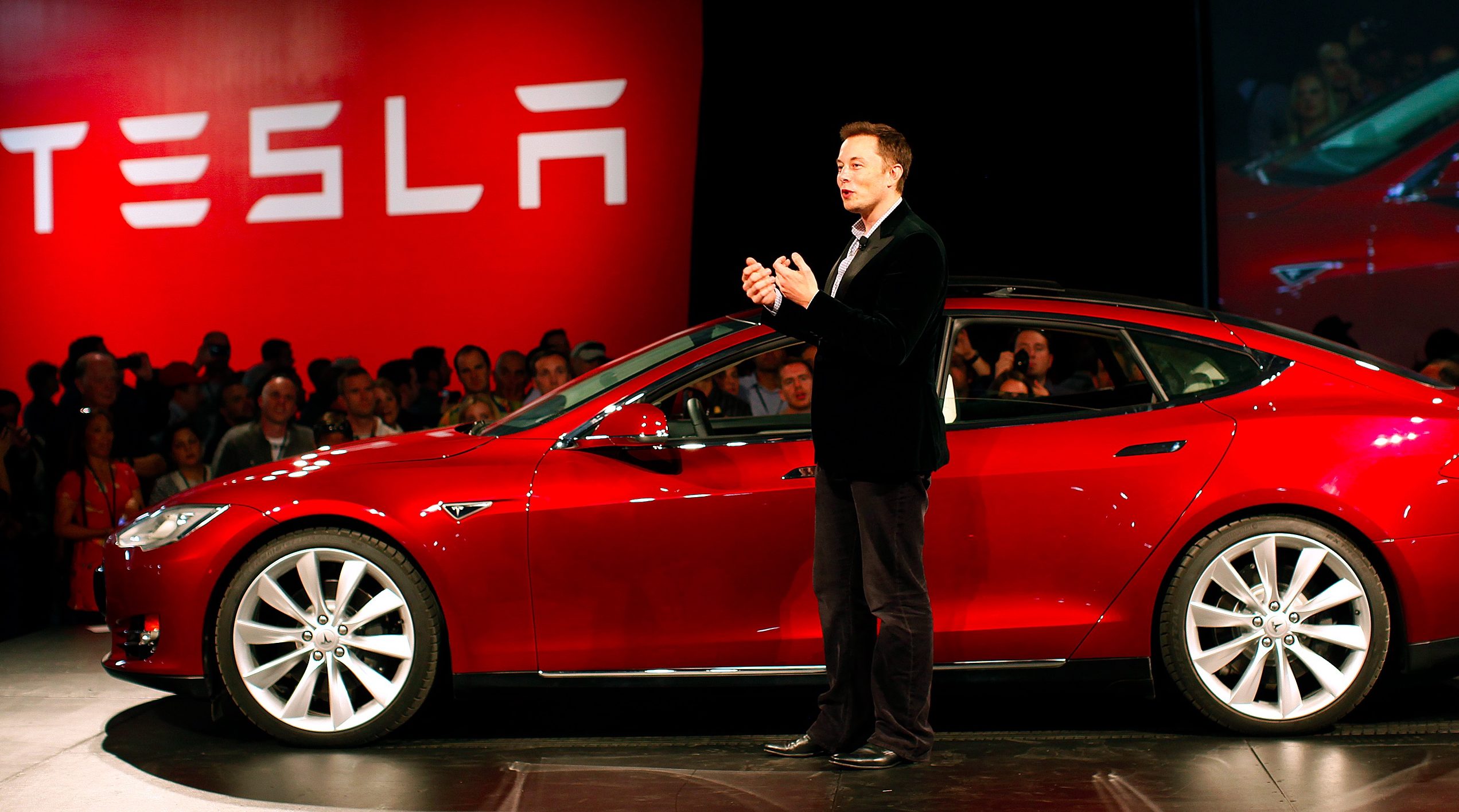
Tesla has nominated Chief Executive Elon Musk, board chair Robyn Denholm, and co-founder JB Straubel for new three-year director terms, placing the company’s leadership and governance structure in focus as shareholders prepare to vote on the board’s composition.
The nominations were disclosed in Tesla’s proxy materials filed on October 19, 2026, ahead of the company’s annual shareholder meeting scheduled for December 3.
The vote comes as Tesla’s ambitions extend beyond its core electric-vehicle business into energy storage, autonomous driving, and robotics. These projects involve substantial investment, technical uncertainty, and questions about how management priorities should be monitored.
The board’s role is to oversee the company’s strategy, management, executive compensation, and risk exposure while representing shareholders’ interests.
Three Directors Are Seeking Another Three-Year Term
Tesla’s 2026 proxy statement names Musk, Denholm, and Straubel as candidates for its Class I director positions. If shareholders elect all three, their terms will run for three years, expiring in 2029. The election is scheduled for the December 3 annual meeting, so the nominations themselves do not guarantee that the candidates will retain their seats.
Tesla’s board has nine members divided into three classes, with each class generally serving staggered three-year terms. This structure means that a portion of the board stands for election each year rather than every director facing a vote simultaneously.
The arrangement can provide continuity in oversight while allowing shareholders regular opportunities to vote on directors.
Denholm serves as board chair, while Musk holds the roles of CEO and director. The seven other board members are Straubel, Ira Ehrenpreis, Joe Gebbia, James Murdoch, Kimbal Musk, Kathleen Wilson-Thompson, and Jack Hartung.
Tesla’s proxy materials describe the board’s responsibilities as including oversight of the business and evaluation of its composition and committee structure.
Musk’s position is particularly significant because he combines the chief executive role with a seat on the board. As CEO, he leads the company’s operations and strategic execution. As a director, he participates in board decisions about the company’s direction and oversight.
That combination can provide direct knowledge of operations, but it also makes independent oversight and clear accountability important governance questions.
Denholm, who serves as board chair, has a different responsibility. The chair helps lead the board’s work, including its oversight of management and the conduct of board meetings.
Her nomination alongside Musk and Straubel means shareholders will vote on both the company’s chief executive and its chair, as well as a director whose background is closely tied to Tesla’s battery and engineering history.
Straubel co-founded Tesla and served as its chief technology officer until 2019. He is now the founder and chief executive of Redwood Materials, a company focused on battery recycling and domestic battery-material supply chains.
His experience connects Tesla’s earlier engineering development with broader questions about battery supply, recycling, and the materials needed for electrification.
The election is therefore more than a routine renewal of board seats. It allows shareholders to ensure the current directors’ experience, independence, and oversight approach meet the needs of a company operating across increasingly complex technology and manufacturing businesses.
Governance and Executive Compensation Remain Important Questions
A corporate board is responsible for overseeing a company’s management rather than running its daily operations. For Tesla, that includes reviewing strategy, monitoring financial and operational risks, evaluating executive performance, overseeing succession planning, and making sure appropriate controls are in place as the business changes.
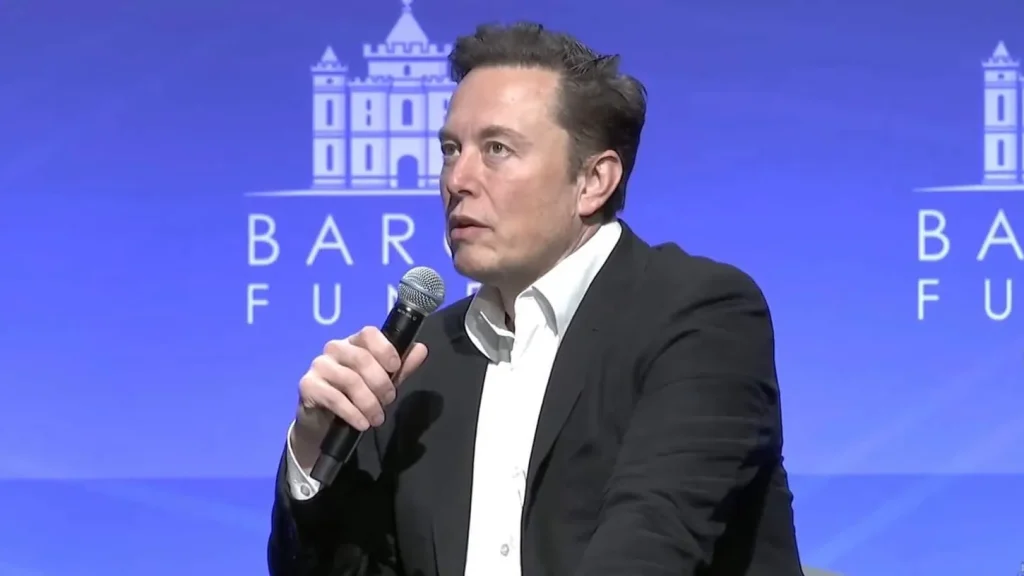
Tesla’s Nominating and Corporate Governance Committee reviews board composition, evaluates director candidates, and recommends committee assignments.
Other committees have responsibilities covering areas such as executive compensation and audit oversight. These structures are intended to distribute oversight responsibilities and provide directors with focused ways to examine key risks.
Director independence is especially relevant when a chief executive also sits on the board. Tesla’s proxy statement explains that the board evaluates independence under Nasdaq listing standards and applicable law, considering relationships and other relevant circumstances.
The company identifies Musk as both CEO and director, while Denholm serves as board chair. The distinction between management and board leadership is one factor shareholders may consider when evaluating how oversight works in practice.
Executive compensation is another issue drawing attention to Tesla’s governance. The nominations come nearly a year after the board approved a major performance-based compensation package for Musk, which has been reported as potentially worth around $1 trillion if its conditions are met.
The package has drawn scrutiny because of its scale and the relationship between the CEO’s compensation, company performance, and shareholder interests.
Performance-based compensation is generally designed to link executive rewards to specified targets rather than providing the entire amount as guaranteed salary.
The details of the award, including the conditions that must be met, matter when assessing its potential value. The headline figure should not be interpreted as cash already paid to Musk or as a guaranteed amount he will receive.
For shareholders, the central governance question is whether the board’s decisions are supported by an appropriate process, clear performance measures, and effective oversight. Directors must consider the company’s long-term strategy while managing the risks associated with retaining key executives and committing large sums to compensation.
Tesla’s board has defended its structure by emphasizing directors’ technical, financial, and operational experience. The company argues that the nominees bring complementary skills and institutional knowledge needed to oversee its next stage of development.
That is the board’s stated rationale, while shareholders ultimately decide whether to support the candidates.
The December vote also highlights how director elections serve as a formal accountability mechanism. Investors can review the proxy statement, examine each candidate’s background, and consider the board’s record before casting their votes. The election results will determine whether the three Class I nominees continue in their positions for another term.
Tesla’s Expansion Makes Board Oversight More Complex
Tesla remains a major electric-vehicle manufacturer, but its business strategy also includes energy generation and storage, charging infrastructure, autonomous-driving technology, and humanoid robotics.
These areas offer potential growth opportunities, but they require different expertise, investment horizons, and risk assessments from traditional vehicle production.
Energy storage, for example, involves batteries, manufacturing capacity, utility customers, and project deployment. Autonomous-driving initiatives require software development, vehicle data, testing, and regulatory compliance.
Robotics introduces additional technical and commercial uncertainties because successful demonstrations do not necessarily translate into large-scale, profitable products.
As Tesla pursues these businesses, the board must assess how capital is allocated among projects and how management measures progress. Investments in new technology may take years to produce meaningful revenue, while manufacturing operations still require attention to product quality, production costs, pricing, and demand.
Directors must consider how the company balances long-term ambitions with near-term financial performance.
Musk’s role across Tesla’s different initiatives makes this oversight particularly important. His leadership is closely associated with the company’s strategy and product ambitions, while the board is responsible for reviewing the risks and consequences of management decisions.
A clear process for evaluating projects, monitoring milestones, and reporting results helps shareholders understand how strategic commitments affect the business.
Straubel’s experience in battery engineering and materials recycling may be relevant to Tesla’s continued work on battery supply chains and energy technology.
However, his experience does not guarantee the success of any particular initiative. Directors provide expertise and oversight, while management is responsible for implementing projects and achieving results.
The broader challenge is ensuring that governance evolves alongside the company. As businesses add new products and enter adjacent markets, boards may need to examine whether they have enough expertise to understand technical, regulatory, financial, and operational risks.
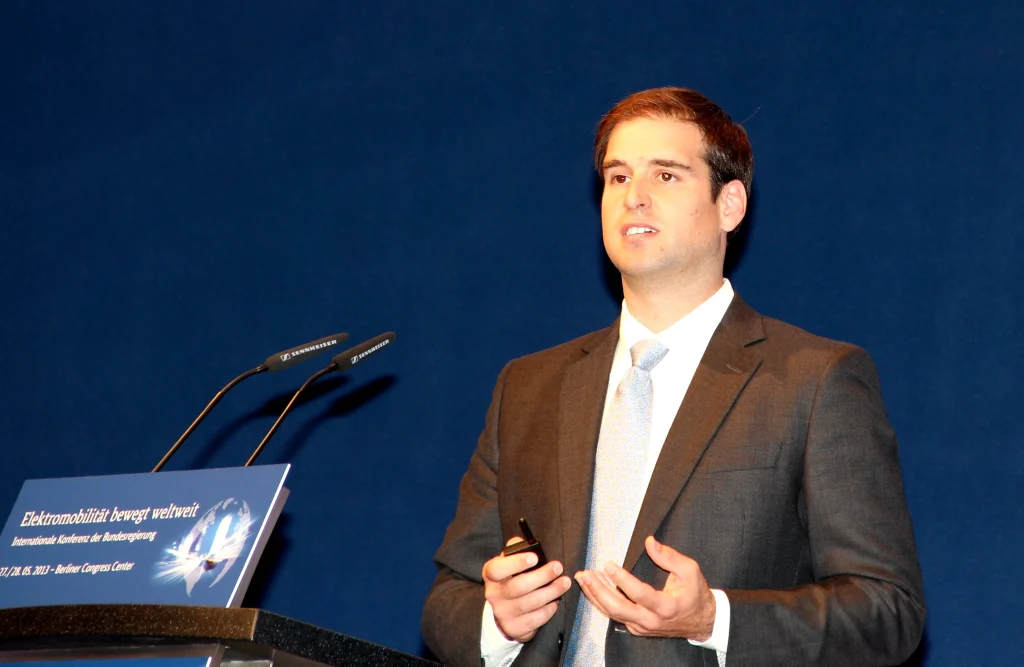
They must also ensure that investors receive meaningful information about major initiatives and their financial implications.
Tesla’s 2026 director election will not settle every debate about the company’s strategy or governance. It will, however, provide shareholders with a formal opportunity to decide whether Musk, Denholm, and Straubel should continue serving as Class I directors through 2029.
The outcome will help determine the composition of Tesla’s board as the company continues investing in vehicle manufacturing and businesses built around software, energy, and automation.
For investors, the main concerns go beyond the nominees’ qualifications. They also include the board’s ability to hold management accountable, oversee executive pay, manage risks, and ensure shareholder funds are used effectively.
With the annual meeting scheduled for December 3, the nominations put those responsibilities directly before shareholders. The vote will decide whether the three candidates receive new terms, while the board’s performance in the years ahead will be measured by the quality of its oversight and the results Tesla delivers.
