The National Automobile Dealers Association (NADA) has elected Sandy Fitzgerald Angello as its 2027 chair, marking only the second time a woman will lead the organization in its history.
The board decided at its October 20, 2026, meeting, with Angello set to take office at the NADA Show in Orlando, Florida, on February 17-20, 2027. She will succeed Rob Cochran, chairman and CEO of dealership group #1, Cochran.
Angello’s appointment comes at a challenging time for U.S. franchised dealerships. Retailers are balancing rising operating expenses, consumer concerns about vehicle affordability, changing expectations for the buying experience, and pressure to adapt to new vehicle technologies.
As the association’s next leader, she has emphasized dealer advocacy, protecting opportunities for locally operated businesses and preserving the franchised dealership model.
Sandy Fitzgerald Angello Becomes NADA’s 2027 Chair
Angello is vice president and dealer operator of Pohanka Automotive Group in Salisbury, Maryland. She has more than 40 years of automotive industry experience and began her career at age 15 as a receptionist and switchboard operator before advancing through dealership operations.
She has represented Maryland’s franchised new-car dealers on the NADA board since 2021. Her election is notable for an organization that represents franchised new-car and truck dealers across the United States.
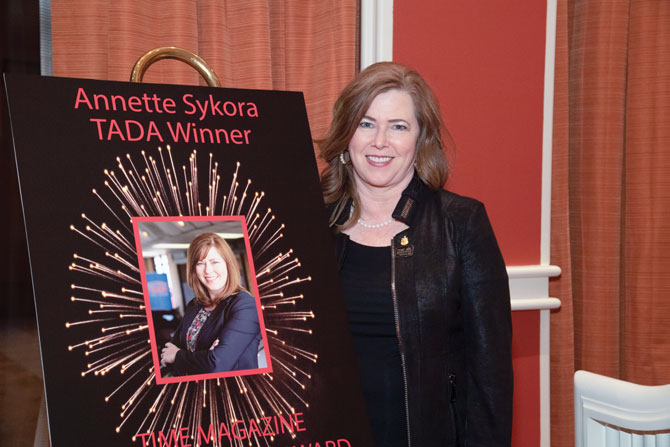
Annette Sykora was the first woman to serve as NADA chair, holding the position in 2008. Angello’s appointment nearly two decades later marks another milestone in the association’s leadership history.
The role carries significance beyond the symbolic importance of representation. NADA advocates for dealers on federal policy, regulatory compliance, vehicle financing, and issues affecting the franchise system.
Its positions can influence discussions with lawmakers, regulators, and automakers on matters that shape how dealerships operate and serve customers.
Angello has said her priorities include strengthening advocacy efforts, delivering results for dealers and customers, and preserving opportunities for future generations of automotive retailers.
Those goals reflect the pressures facing businesses that must respond to rapidly changing technology while maintaining local operations, employment, and customer relationships.
Her background in dealership management may also help keep practical retail concerns central to the association’s agenda. Dealers face different conditions depending on their size, location, brand mix, and customer base, but many share concerns about compliance costs, vehicle pricing, financing access, and the pace of industry change.
Angello will be joined by Jeff Weber as vice chair for 2027. Weber is president and general manager of Anderson-Weber Toyota in Iowa and a third-generation dealer who entered the business in 1999 as a finance and insurance manager. He has represented Iowa on NADA’s board since 2018.
Weber has highlighted consumer trust, transparency, and growing regulatory pressures as priorities. Joe Massarelli will continue as secretary, while Kirt Frye was reelected treasurer. The new leadership team is expected to begin its terms at the 2027 NADA Show in Orlando.
Dealer Advocacy Will Remain Central as Costs and Regulations Rise
One of NADA’s core responsibilities is representing franchised dealers before Congress, federal agencies, and the courts. Its policy agenda includes vehicle financing, consumer protection requirements, electric-vehicle policy, and the laws governing relationships between automakers and their independently owned dealerships.
The franchise system is a major issue for the association. Under this model, automakers generally sell new vehicles through independently operated dealerships that handle sales, financing, service, and warranty work.
NADA argues that this structure supports competition and local business ownership. The organization seeks to protect dealers’ ability to operate within that framework as manufacturers introduce new retail strategies and technologies.
The relationship between automakers and dealers can become contentious when companies consider changes to sales channels, pricing rules, or customer data systems.
Dealers invest in facilities, staffing, parts departments, and service equipment, while manufacturers set brand standards and determine vehicle allocations. NADA’s advocacy work seeks to ensure that dealers retain a viable role as those relationships evolve.
Regulatory compliance is another ongoing burden. Dealerships handle sensitive customer information, arrange vehicle financing, and manage substantial transaction volumes.
Rules covering data security, advertising, financing disclosures, and consumer protection can require new systems, employee training, and legal support. Larger dealer groups may have dedicated compliance teams, but smaller businesses often have fewer resources to absorb the same requirements.
NADA identifies the Federal Trade Commission’s Safeguards Rule among its policy concerns, along with access to vehicle financing and the regulatory framework surrounding electric vehicles and tailpipe emissions.
The association says policy should preserve consumer choice and a marketplace responsive to demand, rather than forcing a single technology path.
For dealers, these debates have direct financial consequences. New compliance obligations can increase the cost of selling and servicing vehicles, while uncertainty about future regulations makes long-term investments harder to plan.
Retailers may need to invest in charging equipment, technician training, and diagnostic tools as electric vehicles become a larger part of their business, even while continuing to maintain gasoline-powered models.
Operating expenses also extend well beyond regulation. Dealerships must cover wages, property costs, insurance, utilities, inventory financing, advertising, and facility maintenance.
Holding unsold vehicles ties up capital, and financing costs can rise when vehicles take longer to sell. Service departments provide an important source of recurring business, but they too face labor, equipment, and training pressures.
NADA’s leadership transition therefore comes at a time when dealers are seeking both policy stability and room to adapt. Angello’s stated emphasis on advocacy suggests that the association will continue to make the business conditions of franchised retailers a central part of its work.
Affordability and Customer Trust Will Test the Next Leadership Team
Vehicle affordability is another major challenge facing the dealership industry. New-vehicle prices, borrowing costs, and household expenses all influence whether consumers can afford to purchase a car. When monthly payments become too high, shoppers may delay replacing an older vehicle, choose a less expensive model, or move to the used market.
Cox Automotive’s third-quarter 2026 Dealer Sentiment Index illustrates the pressure. Its survey of 929 U.S. dealers, conducted from July 22 to August 5, found that sentiment had weakened, with affordability concerns, inflation, elevated interest rates, and economic uncertainty weighing on the market.
The new-vehicle sales sentiment measure fell to 50, down from 53 in the second quarter and 58 a year earlier.
These conditions affect dealership operations in several ways. When shoppers are more price-sensitive, dealers may need to spend more time explaining financing options, comparing trims, or finding vehicles that fit a customer’s budget.
Discounts can help close sales but may reduce gross profit. Meanwhile, high monthly payments can limit the number of buyers who qualify for financing on the terms they want.
Used vehicles offer an alternative for some shoppers, but they are not immune to affordability pressures. Prices depend on inventory availability, vehicle age, mileage, and demand. Dealers must balance acquisition costs against what customers can reasonably pay, while lenders evaluate creditworthiness and loan terms.
NADA’s support for access to affordable vehicle financing reflects the importance of that connection between consumers and retail sales.
Customer expectations are changing as well. Many shoppers research vehicles online before visiting a dealership, compare prices across multiple sellers, and expect clear information about fees, financing, and vehicle features.
They may want to complete part of the transaction digitally while still having the opportunity to inspect a vehicle, arrange a test drive, and speak with a knowledgeable salesperson.
That creates an opportunity for dealers to build trust through transparent pricing, accurate online listings, and straightforward explanations of optional products and financing terms. Weber’s stated interest in NADA’s customer experience project reflects the association’s focus on transparency and improving consumer confidence.
Trust also matters after the sale. Service quality, warranty support, and clear communication influence whether customers return for maintenance or recommend a dealership to others. In an environment where buyers can compare alternatives quickly, a poor experience can undermine loyalty even when a dealer offers a competitive vehicle.
Angello’s chairmanship will not resolve these challenges by itself, but it places a dealership operator at the center of NADA’s effort to represent retailers during a period of change.
Her priorities, alongside Weber’s focus on customer trust and regulation, point toward a leadership agenda that combines political advocacy with the practical realities of running dealerships.
The immediate test for NADA’s new leadership will be whether it can turn those priorities into practical results for dealers and their customers. Advocacy over financing, regulation, and the franchise system will remain important, but so will helping retailers respond to affordability concerns and rising expectations for a more transparent buying process.
Angello’s election is both a leadership milestone and a transition during a demanding period for automotive retail. Her 2027 term will begin as dealerships continue adapting to changing technology, operating costs and consumer needs.
How effectively NADA represents those interests will help determine its influence as the industry enters its next phase.