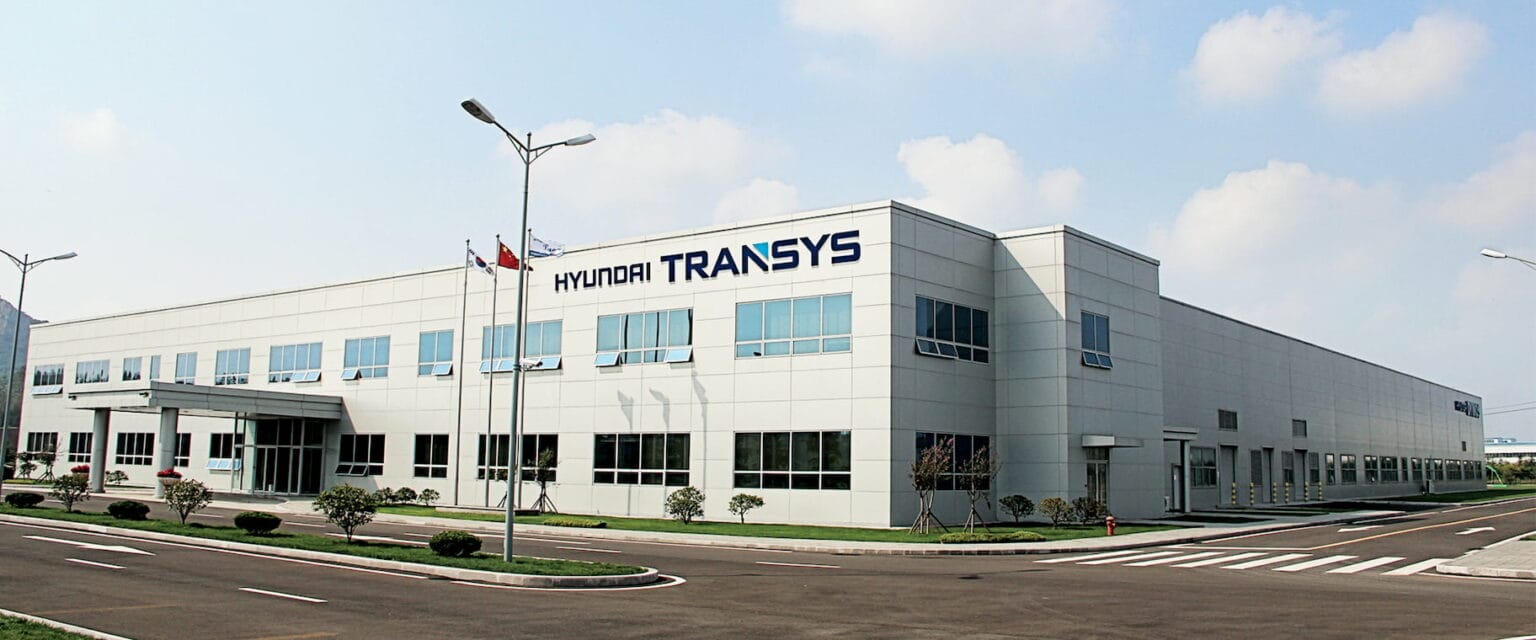
Hyundai Transys plans to invest nearly $560 million to expand its manufacturing operations in West Point, Georgia, adding production capacity for hybrid vehicle powertrains and creating 320 new jobs.
Announced by Georgia Governor Brian Kemp on October 8, 2026, the project includes upgrades to two existing plants and construction of a third facility. The company currently supports approximately 1,250 jobs at the West Point site.
The investment highlights automakers’ growing focus on manufacturing more electrified powertrain components near the plants where their vehicles are assembled.
As Hyundai and Kia expand their hybrid offerings in North America, locally manufactured transmissions and related components could help strengthen supply reliability, support regional employment, and reduce dependence on imported finished parts.
However, Hyundai Transys has not yet disclosed the new facility’s production capacity, detailed start-up schedule, or specific vehicle programs it will supply.
A Third Plant Will Expand Hybrid Powertrain Manufacturing
The expansion will take place at Hyundai Transys Georgia Powertrain’s campus at 6801 Kia Parkway in West Point. The plan calls for upgrades to plants one and two alongside construction of a third plant dedicated to expanding the company’s ability to produce electrified powertrains for hybrid vehicles.
The investment is intended to support Hyundai Transys’ automotive customers across North America.
Hyundai Transys is a global automotive supplier specializing in powertrain and seating systems. Founded in 1994, the company operates 32 sites across 10 countries and employs more than 11,185 people worldwide. Its products include conventional transmissions, hybrid and electric drive systems, and seating components for different vehicle categories.
The West Point expansion builds on an established manufacturing presence in Georgia. Hyundai Transys already supports roughly 1,250 jobs at the site, supplying components within the region’s automotive manufacturing network.
The new investment is expected to create 320 additional positions across administrative, supervisory, and production roles. That would increase the site’s employment base while retaining the existing workforce.
For the surrounding community, the project represents both new employment and continued demand for technical manufacturing skills. Georgia Quick Start, the state’s workforce-training program, is among the partners supporting the project.
Training will be important as production expands, since hybrid powertrain manufacturing requires workers who can handle precision assembly, electrical systems, quality checks, and increasingly automated processes.
The state announcement does not specify a firm opening date for the third plant, the number of transmissions it will produce annually, or the exact hybrid systems planned for the facility. Those details will be important for understanding how quickly the investment translates into additional vehicle production.
The confirmed commitment is to increase capacity for electrified hybrid powertrains, rather than to produce a publicly specified number of units for a named vehicle.
Why Hybrid Transmissions Matter in the U.S. Supply Chain
A hybrid vehicle depends on more than its gasoline engine and battery. Its transmission or integrated drive unit must coordinate engine output and electric-motor assistance, delivering power smoothly while helping the vehicle meet its performance and efficiency targets.
Increasing local production of these components can therefore support automakers’ plans to build more hybrids in North America.
Hyundai Transys’ role is particularly relevant because its powertrain business supplies systems used across Hyundai Motor Group’s vehicle operations.
A larger domestic manufacturing base could help the company respond to production needs at nearby assembly plants, although the automaker has not publicly identified which future models will use components made in the expanded West Point facility.
Hybrid transmissions vary in design. Some systems use a power-split arrangement to manage engine and electric-motor output, while others integrate electric motors with a conventional stepped automatic transmission.
Hyundai’s hybrid technology has included transmission-mounted electric drive systems, allowing the engine and electric motor to work together through a multi-speed gearbox.
The advantage of hybrid powertrains is that they can improve fuel economy without requiring drivers to plug in the vehicle.
The battery receives energy from the engine and regenerative braking, while the electric motor can assist acceleration and, in suitable driving conditions, move the vehicle using electric power alone. The exact operation depends on the hybrid system and vehicle configuration.
For manufacturers, this technology offers a way to reduce fuel consumption while retaining gasoline-powered vehicles that can be refueled using existing infrastructure. It also allows automakers to respond to customers who want better efficiency but are not ready to switch to a fully electric vehicle.
Producing transmissions and other powertrain components closer to assembly plants can offer practical advantages. Shorter supply routes may simplify logistics, reduce exposure to international shipping disruptions, and help manufacturers coordinate production schedules.
Local production does not eliminate supply chain risks, however, because factories may still depend on imported raw materials, electronic components, and specialized equipment.
The West Point expansion also fits into Georgia’s broader automotive manufacturing network. Kia operates a vehicle assembly plant in the same city, while Hyundai Motor Group has expanded its manufacturing presence elsewhere in the state, including its electric-vehicle and battery-related operations near Savannah.
The region’s established supplier base, workforce-training infrastructure, and transportation links help support additional automotive investment.
That proximity creates opportunities for closer coordination between suppliers and vehicle manufacturers. It does not establish that every transmission produced at the expanded site will go directly to the nearby Kia plant, but the local industrial network gives Hyundai Transys a base from which to serve customers operating across North America.
Investment, Jobs, and What the Expansion Could Mean for Automakers
The nearly $560 million commitment is substantial, but its impact should be measured by more than the headline investment figure. The project includes upgrading existing plants as well as building a third facility, meaning the money will support both improvements to current operations and additional manufacturing space.
Officials have not yet published a detailed breakdown of spending between construction, equipment, and plant upgrades.
The 320 planned jobs are a clear near-term benefit for West Point. New positions are expected in production, supervision, and administration, while the retention of approximately 1,250 existing jobs helps preserve the area’s established automotive workforce.
The final employment impact will depend on the pace of construction, recruitment, and production ramp-up.
Hyundai Transys’ investment also signals confidence in continued demand for hybrid vehicles. Automakers are developing a range of powertrains to serve different buyers and markets, including conventional hybrids, plug-in hybrids, and battery-electric vehicles.
Hybrid production requires dedicated components and manufacturing processes, so expanding supplier capacity can help support a broader lineup without requiring every customer to move directly to an electric vehicle.
For Hyundai and Kia, greater availability of locally produced powertrain components could support production planning as hybrid offerings expand. Yet the investment announcement does not confirm a specific increase in vehicle output, a list of models that will receive Georgia-built transmissions or a date when the new facility will reach full production.
Cost is another consideration. Manufacturing in the United States can reduce some transportation and import-related expenses, but it also involves labor, equipment, energy, and construction costs.
Whether the expansion lowers the cost of individual components will depend on manufacturing efficiency, production volume, and the sourcing of materials. The company has not released figures showing expected savings per transmission or a specific effect on vehicle prices.
The project also involves state and local economic-development partners. Georgia Quick Start is participating in workforce development, and DLA Piper has confirmed it advised Hyundai Transys Georgia Powertrain on the expansion, including negotiations related to economic-development incentives.
The value and precise structure of any incentives have not been disclosed in the public announcement.
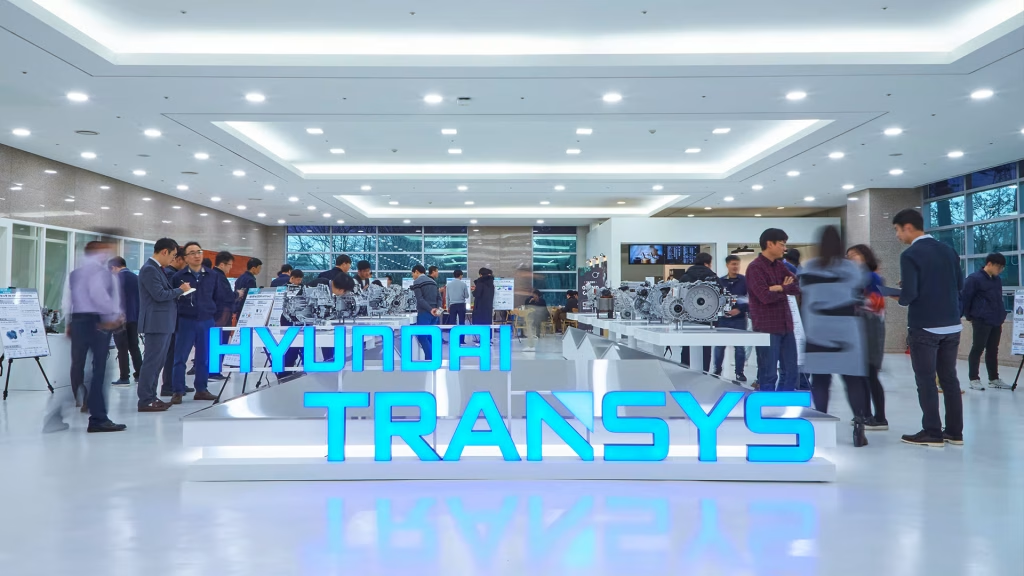
For the automotive industry, the most important next milestones will be construction progress, hiring, equipment installation, and the start of production. Once Hyundai Transys discloses the facility’s output capacity and the vehicle programs it will support, the scale of its contribution to North American hybrid manufacturing will become clearer.
Hyundai Transys’ West Point expansion is a significant addition to Georgia’s automotive supply chain, combining nearly $560 million in planned investment with 320 new jobs and more capacity for hybrid powertrain manufacturing.
It strengthens the company’s local manufacturing footprint at a time when automakers are balancing electrification with continued demand for gasoline-electric hybrids.
The project’s longer-term importance will depend on how quickly the new facility comes online, which systems it produces and how effectively it supports vehicle assembly across North America.
For now, the confirmed investment represents a major commitment to domestic manufacturing, while its precise effects on production volumes, component costs, and vehicle availability remain to be established.