
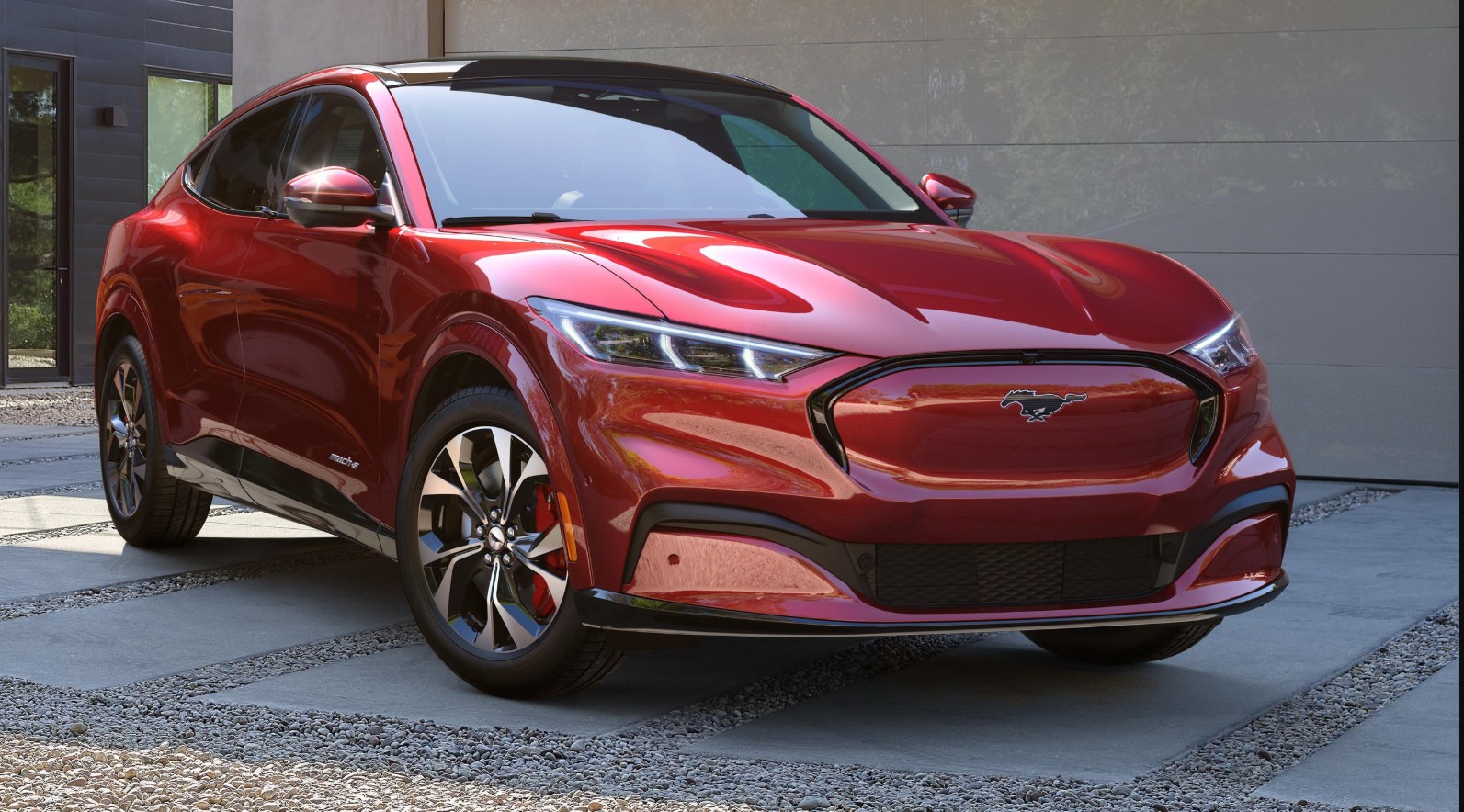
Ford is enhancing the 2027 Mustang Mach-E with a larger standard battery and a new Trail package aimed at drivers seeking a more rugged electric crossover. These updates focus on two key concerns for EV buyers, extending driving range and improving versatility on unpaved roads.
The Trail adds practical equipment for outdoor trips without requiring buyers to choose the performance-focused Mach-E Rally. Alongside revised pricing and technology options, the updates give Ford another way to attract customers who want an electric vehicle suited to daily commuting and weekend adventures.
The 2027 Mustang Mach-E Gets a Larger Standard Battery
Ford is eliminating the smaller battery option from the Select and Premium trims. Both now receive an 88.0-kWh usable-capacity extended-range battery, while the GT and Rally retain a 91.0-kWh pack.
Previously, entry-level models could be ordered with a 73.0-kWh usable-capacity battery. Making the larger pack standard means buyers no longer need to pay extra for the extended-range configuration.
The upgrade should make the entry-level Mach-E more appealing to drivers who regularly travel longer distances. For comparison, the 2026 Select with rear-wheel drive and the smaller battery had an EPA-estimated range of 260 miles.
The extended-range rear-wheel-drive version was rated for up to 320 miles, while the extended-range all-wheel-drive model reached up to 300 miles. These figures provide context, but Ford has not yet published final EPA range ratings for the 2027 lineup.
Actual range will depend on the trim, drivetrain, weather, speed, and climate-control use. Buyers should wait for official ratings rather than assume the 2027 models will match previous estimates.
The battery change also affects pricing. The 2027 Mustang Mach-E Select with rear-wheel drive starts at $39,995 before destination charges. Car and Driver reports a price of $42,040, including destination, $2,200 more than the comparable 2026 entry-level model. The increase comes with a larger battery as standard, making the two models different in equipment.
Ford has also redesigned the front electric drive unit for all-wheel-drive versions. It delivers the same performance as the previous motor while costing less to manufacture, helping offset the cost of the larger battery.
Car and Driver lists the rear-wheel-drive Premium at $45,040, the all-wheel-drive GT at $53,040, and the Rally at $57,335, including destination. The GT and Rally are less expensive than their 2026 equivalents, showing that Ford is adjusting prices by trim rather than applying a uniform increase.
The New Trail Package Adds Off-Pavement Equipment
The new Mustang Mach-E Trail is aimed at buyers who want extra capability for outdoor recreation. It is a $2,295 factory package for the Select with electric all-wheel drive. Car and Driver reports a starting price of $47,335 with the package included.
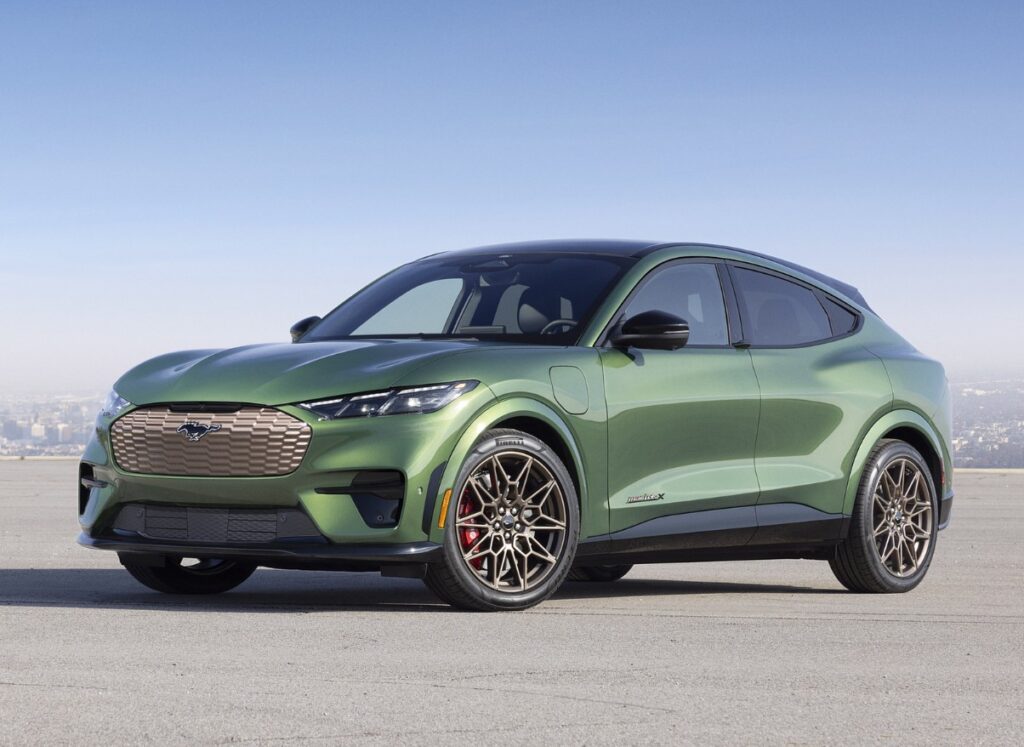
Orders for the 2027 lineup opened October 22, 2026, with Trail deliveries expected in the first quarter of 2027.
The Trail receives specially tuned suspension components, including revised springs and passive struts. Ride height increases by 10 millimeters at the front and 15 millimeters at the rear compared with the standard Select and Premium. The additional clearance helps on uneven roads, although the package is not designed for serious off-roading.
Ford also equips the Trail with components borrowed from the more expensive Mustang Mach-E Rally, including its steering rack, 19-inch wheels, and Michelin CrossClimate 2 tires. These all-season tires are designed for varied conditions and can provide useful grip on wet pavement, gravel, and some dirt roads.
Combined with all-wheel drive and the revised suspension, the equipment is intended for trips to campsites, trailheads, and other destinations reached by unpaved roads.
Visual changes give the Trail a more rugged appearance. A carbon black lower front fascia darkens the front end, while a Trail logo on the center armrest identifies the package inside. The 19-inch wheels also receive a dark gray finish.
One particularly useful addition is the standard 400-watt Pro Power Onboard system. Outlets in the cargo area and at the rear of the center console can power smaller accessories, such as camp lights, fans, phones, and compact electric pumps. The output is limited, so it is not intended for high-demand appliances.
Optional accessories include a Thule clamp-on crossbar kit for carrying bicycles, kayaks, or roof boxes. An Interior Protection Package adds all-weather floor mats and a cargo-area protector, helping protect the cabin from dirt and mud.
These upgrades make the Trail more than a cosmetic package. However, its suspension lift and tires are intended for moderate terrain, not deep ruts, large rocks, or water crossings. Buyers should consider it an everyday electric crossover with added versatility rather than a dedicated off-road SUV.
How the Trail Fits Into Ford’s Mach-E Strategy
The Trail fills a gap between conventional Mach-E trims and the performance-oriented Rally. It borrows selected Rally components but emphasizes practical outdoor use rather than high-speed driving on loose surfaces.
That approach may appeal to customers who want to reach maintained forest roads, campsites, or picnic areas without paying for a more specialized vehicle.
Ford is also expanding technology availability. BlueCruise 1.5, its hands-free driver-assistance system for compatible roads, can be ordered on the Select with the Tech Pack Lite and on the Premium with its Premium Tech package.
It is standard on the GT and Rally. Trail buyers must select the required equipment when ordering because Ford says the hardware cannot be added later to a vehicle that lacks it. Drivers must remain attentive and follow the system’s operating requirements.
Connectivity and Security packages also become standard across the 2027 lineup, with one year of service included for each. These additions give customers more equipment without requiring them to navigate as many separate options.
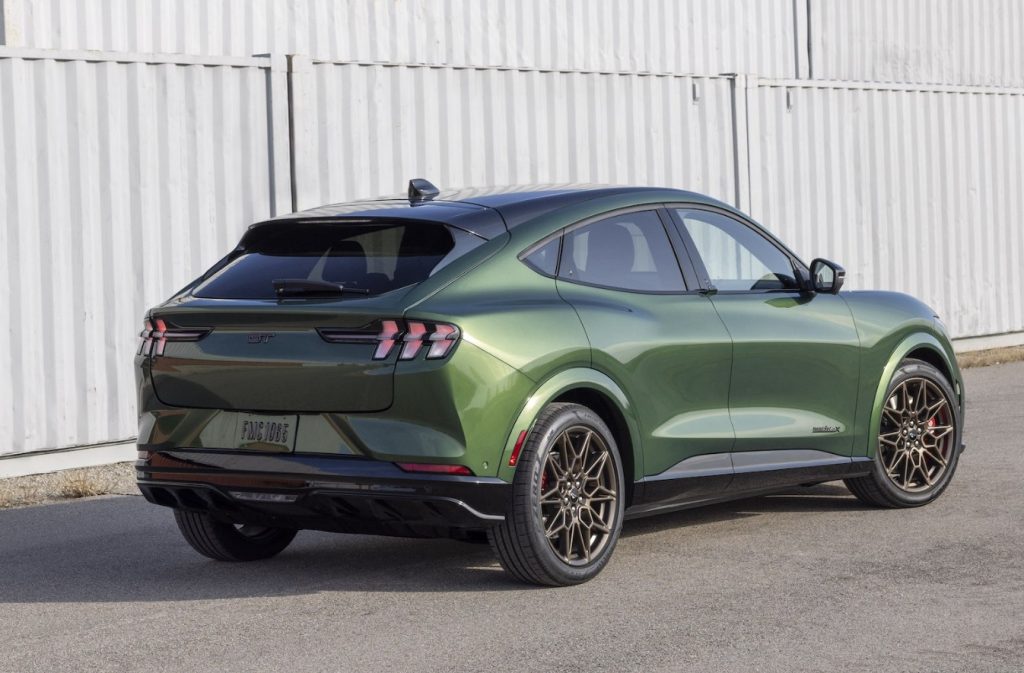
For U.S. buyers, the combination of a larger standard battery and a new Trail configuration addresses different priorities. The battery upgrade gives entry-level models more range-oriented hardware, while the Trail adds clearance, all-wheel drive, and useful power outlets for outdoor trips.
Final EPA estimates will be important for shoppers comparing real-world range, and the Trail’s extra equipment will be worthwhile mainly for drivers who regularly encounter gravel or uneven roads.
With orders open and Trail deliveries expected in early 2027, Ford is broadening the Mach-E lineup without changing its basic electric-crossover formula. The updates offer buyers a more capable standard battery and a factory package designed for occasional adventures beyond the pavement.
