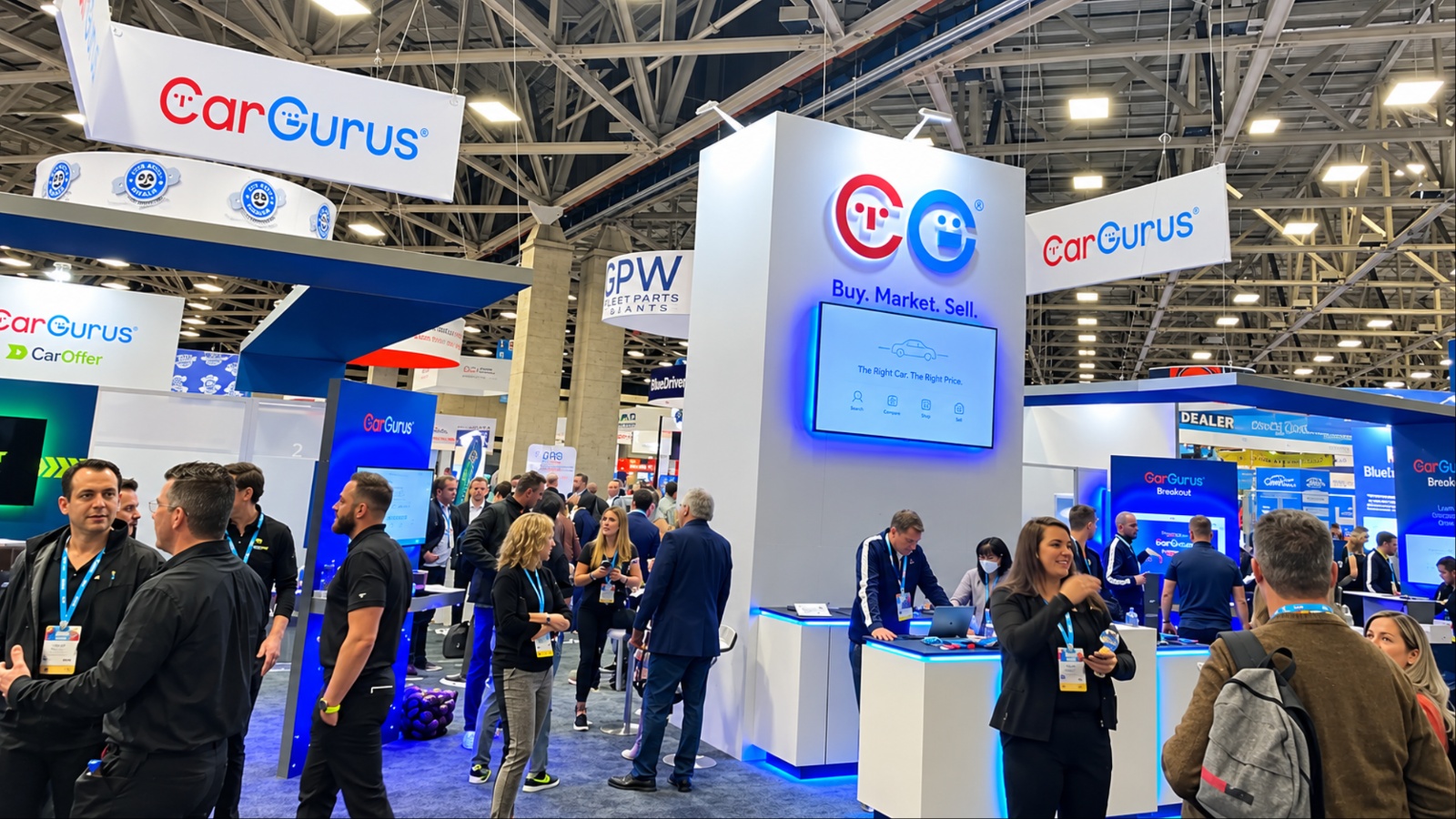
New York City is taking legal action against CarGurus, one of the country’s most popular car-shopping platforms, over an alleged pricing practice that could mislead buyers. The complaint claims shoppers are attracted by listings labeled “Great Deal,” only to discover that mandatory dealer fees significantly increase the price when they read the fine print.
The city’s Department of Consumer and Worker Protection (DCWP) filed suit on Oct. 5 in New York State Supreme Court in Manhattan and made it public on Oct. 15. The agency says CarGurus broke the city’s Consumer Protection Law more than 2,000 times during its investigation.
It wants a judge to stop the practice for good and to impose civil penalties. One trade outlet reported that the penalties could run as high as $3,500 per violation, though any real number would be up to the court.
CarGurus, which says it draws close to 40 million visitors a month, denies the allegations and says it will defend itself “vigorously.”
Hidden Fees Turn “Great Deals” Into Above-Market Prices On CarGurus
The city’s best illustration is a 2018 Honda CR-V that Elite Mitsubishi listed on CarGurus in June. The site rated it a “Great Deal” and said it was $2,212 below market value. But a disclaimer at the bottom of the page listed mandatory fees, and according to DCWP, once you added them in, the car was actually $1,473 above market value. That’s a swing of roughly $3,700 between what the badge promised and what the buyer would face.
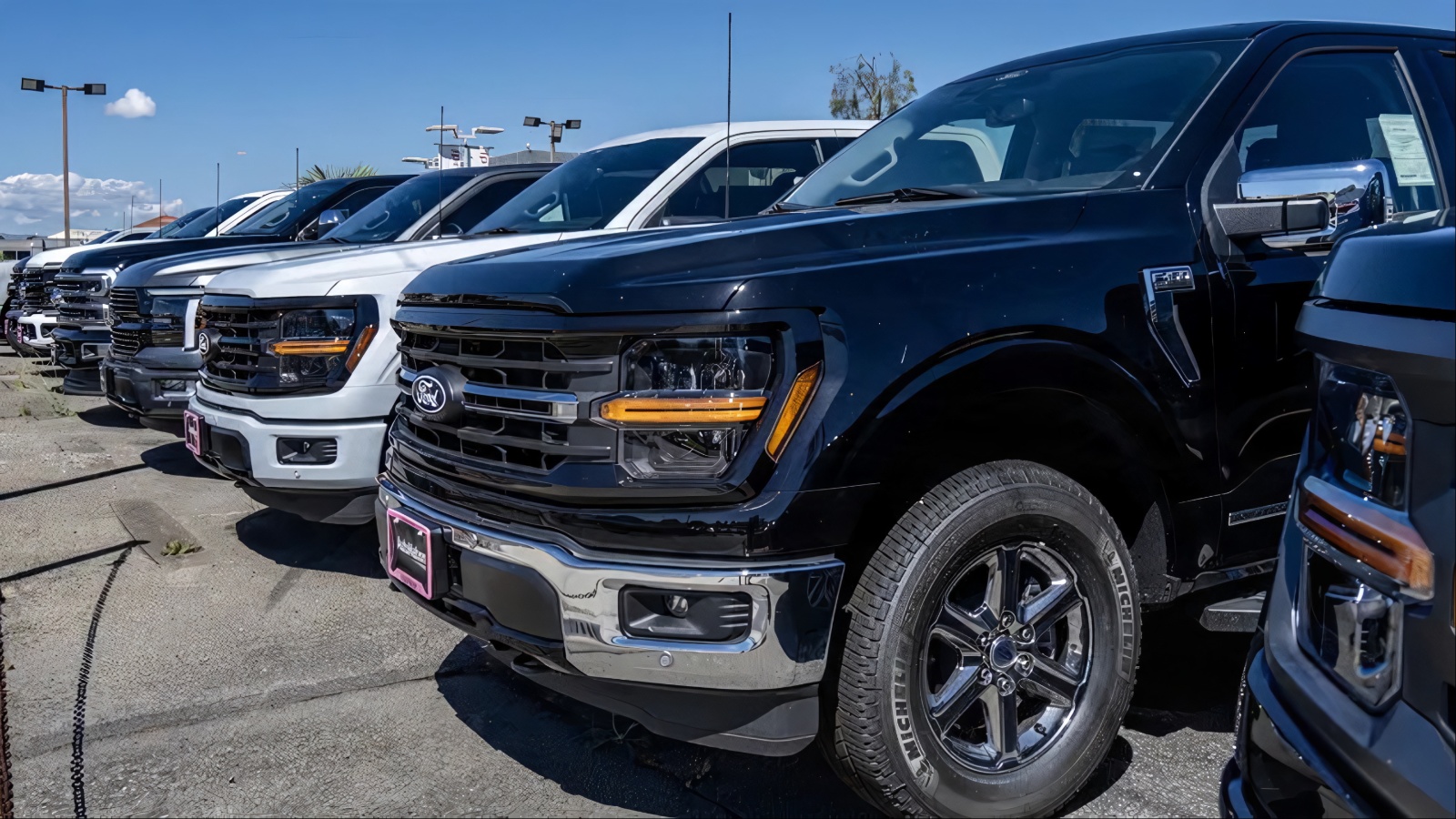
DCWP says this wasn’t a one-off. In its telling, fees were routinely parked at the bottom of listings or inside partly hidden text boxes that only opened fully after a click to another page or a pop-up. Some listings also buried other strings, like down payment requirements and trade-in conditions.
The agency also leaned on numbers. An analysis the city cited, covering more than 40,000 online listings, found that mandatory fees added about $1,100 on average. And DCWP says it found at least ten New York City dealerships that posted listings with buried fees over a three-year stretch.
The complaint also goes after something newer. According to the city, an AI chatbot on the CarGurus site put together lists of recommended deals without mentioning the fees attached to those cars. A shopper who asked the bot for good options would get results that looked cleaner and cheaper than the deals waiting at the dealership.
NYC Seeks Stricter Pricing Rules as CarGurus Defends Its Transparency Measures
The city isn’t only after a check. According to an analysis written for dealers, the injunction DCWP wants would stop CarGurus from handing out deal ratings, “price includes fees” badges, or savings figures unless it first confirms that nothing in the listing’s disclaimer changes the price.
That would be a big change. Deal ratings are a core part of how CarGurus sells itself. Shoppers use them to size up cars quickly, and dealers fight for the top-rated spots in search results.
DCWP Commissioner Samuel A.A. Levine said the lawsuit is meant to end “bait-and-switch pricing” and hidden fees so that customers aren’t “fleeced” on one of the biggest purchases of their lives.
In a statement, CarGurus said it was “deeply disappointed” by the suit and argued that the complaint ignores a “decades-long track record” of pushing for transparency in car buying and selling.
The company points to several changes it made this year. It says it was the first car-shopping site to require dealers to disclose mandatory fees (government charges excluded) on used-car listings if they want to keep their deal ratings. It also added “Price includes fees” and “No additional dealer fees” badges and filters, so shoppers can spot all-in pricing more easily. And it says it’s still the only major site that flags listings as overpriced.
Since July 14, used listings that don’t disclose fees get a “No Rating” label and drop lower in search results.
The city says that isn’t enough. DCWP acknowledges those steps but argues they don’t touch the central problem, which is that the site kept using “Great Deal” and “Good Deal” labels on listings where the fees were missing from the price or only appeared in the fine print.
The agency also accuses CarGurus of failing to enforce its own guidelines, and says some listings kept their “Great Deal” labels and fee badges after the July 14 deadline even though the charges were still hidden.
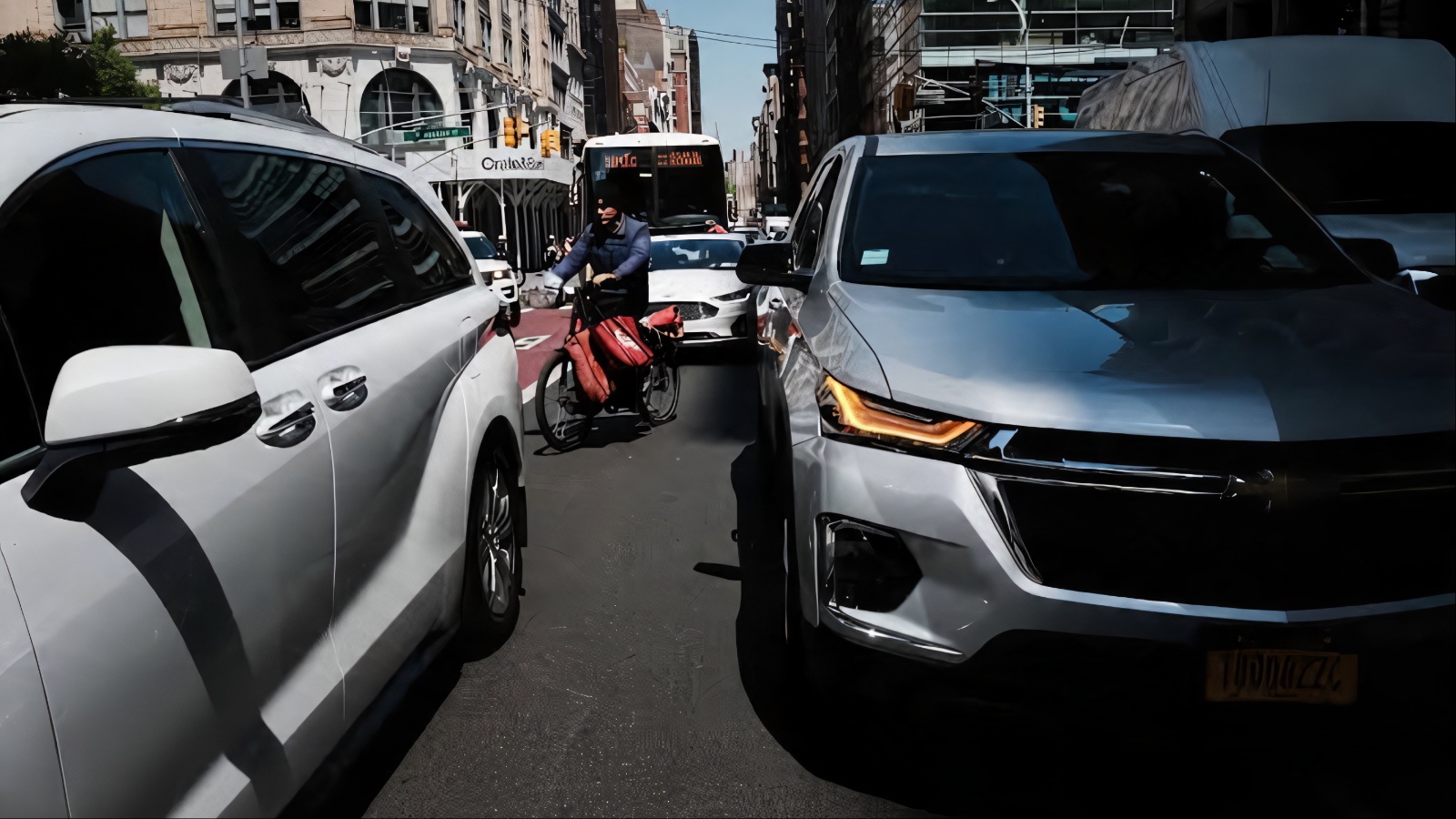
NYC Expands Its Crackdown on Hidden Fees Across Dealerships and Online Platforms
The case arrives during a wider fight over add-on charges. In March, the Federal Trade Commission told 97 dealership groups that it considers it illegal to advertise vehicle prices that leave out mandatory charges like document fees and pre-installed accessories. That ruling pushed CarGurus and other listing sites to tighten their policies. In New York City, rules already require a licensed used-car dealer’s advertised price to include every charge tied to the sale. Taxes and government registration fees are usually the only exceptions.
Locally, hidden fees have become a signature issue for Mayor Zohran Mamdani. His Executive Order 9 told DCWP to go after them across the economy, and the agency has been busy since. It finalized a rule in January barring hotels from tacking on excessive “destination” or “resort” fees.
It sued a Bronx tow-truck operator for allegedly overcharging customers and a solar installer over undisclosed “dealer fees.” It reached a settlement with the parking-booking platform Way.com that included $200,000 in civil penalties.
In August, a sweep of car rental businesses produced 56 summonses from 62 inspections, the city’s first such sweep in a decade. And in July, the agency proposed a rule that would make businesses advertise the full price up front, required fees included.
Used cars are familiar ground for the agency. Over the past five years, DCWP says, it has investigated more than 106 used-car dealerships, recovering $1.97 million in restitution for consumers and assessing $6.5 million in civil penalties. Suing a platform instead of a dealer is a step beyond that. It signals that the city thinks the sites displaying prices share responsibility for how those prices look. DCWP licenses more than 45,000 businesses, so it has plenty of other places to apply the same logic.
What It Means For Shoppers And Dealers
For car buyers, the lesson is simple. A deal label does not guarantee the final price. Regulators recommend requesting a written, itemized out-the-door price before visiting a dealership. Shoppers should also read the fine print on each listing, as it may contain details about mandatory fees, down payment requirements, and financing terms.
New York City residents who believe they have been charged hidden fees can submit a complaint to the Department of Consumer and Worker Protection at nyc.gov/Consumers
Dealers may feel it differently. Industry observers say their fee practices could now face scrutiny twice, once as the dealer’s own advertising and again as the platform’s. Compliance advisers expect listing sites to get stricter, with more audits and a loss of deal ratings for any listing whose fine print adds charges or conditions, even when the headline price hasn’t changed.
It’s early. Nothing here has been proven, and the allegations are the city’s, not a judge’s findings. CarGurus will get its chance to respond in court, and cases like this can drag on for months or years before ending in a ruling or a settlement.
Still, the result could matter well beyond one company. A win for the city could give regulators a model for dealing with online marketplaces that rank prices they don’t set. A win for CarGurus would back the argument that requiring dealers to disclose fees, and adjusting ratings when they don’t, is enough.