
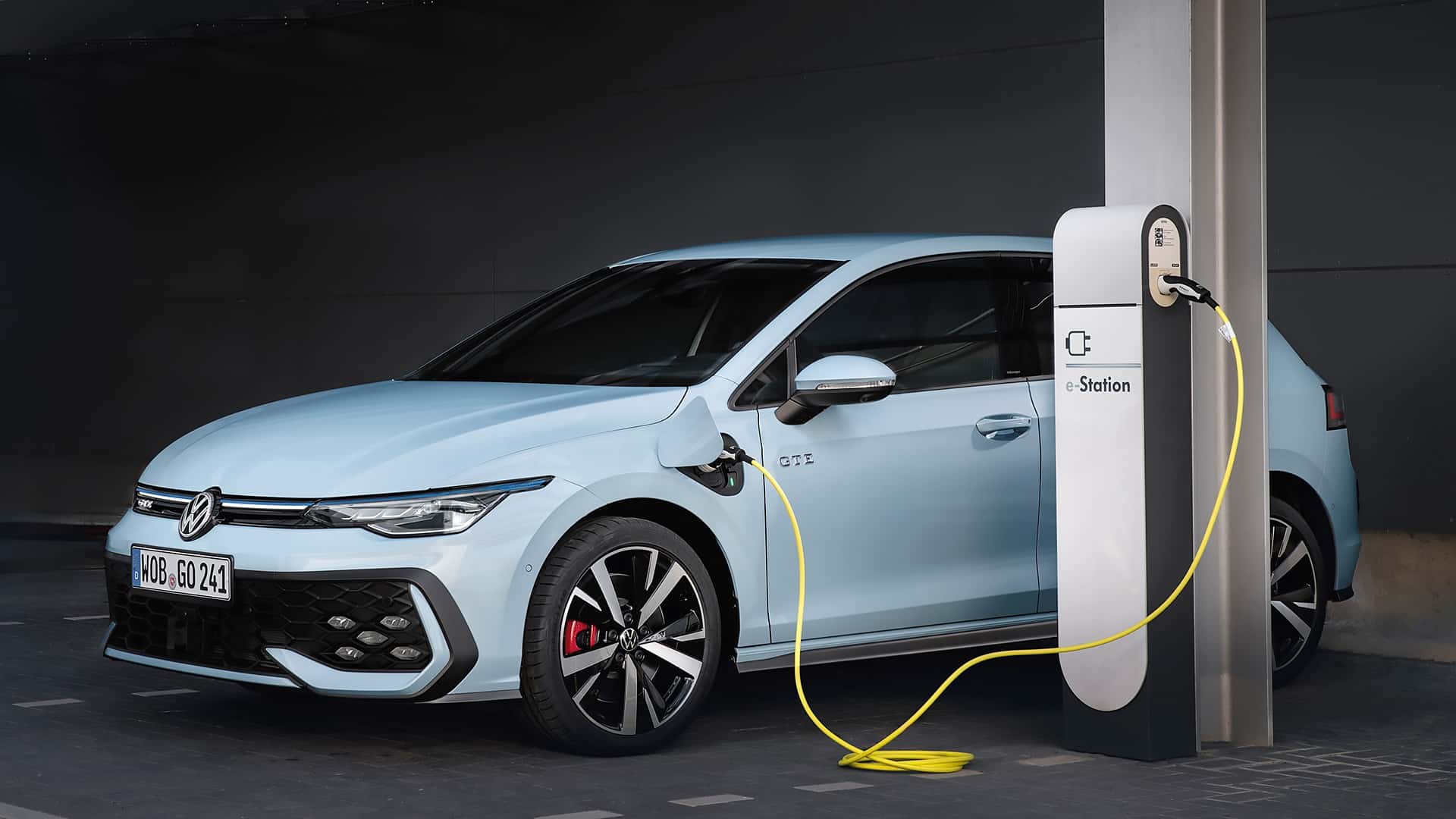
Volkswagen’s plan to bring the Golf into the electric era has hit a pause at a sensitive moment for the German automaker. On October 30, 2026, Reuters reported that the company is suspending preliminary development work on the all-electric ID. Golf at its Wolfsburg headquarters.
The decision follows a sharp deterioration in financial performance and comes as management pushes through a major restructuring program.
Volkswagen’s works council says the pause need not delay the model’s planned launch, but the freeze exposes the tension between the company’s long-term electric ambitions and the immediate need to conserve cash.
For a manufacturer closely identified with the Golf, this is more than a routine adjustment to an engineering schedule.
Cost-Cutting Reaches One of Volkswagen’s Most Important Future Cars
The suspension was described by Thomas Schäfer, head of Volkswagen’s volume-brand group, in an internal memo seen by Reuters. Schäfer acknowledged the importance of the Golf to both the company and Wolfsburg but said the automaker could not currently afford to continue the preliminary work.
Volkswagen plans to resume development as soon as it secures additional savings and can accommodate the required investment. The distinction is important because the company has paused development spending rather than officially cancelled the electric Golf project.
The Golf is one of Volkswagen’s best-known nameplates, and an electric successor is intended to carry that identity into a market increasingly shaped by battery-powered vehicles. Putting early engineering work on hold therefore signals the severity of the financial constraints.
Wolfsburg itself is under pressure to deliver savings. According to the memo reported by Reuters, the headquarters plant is around €300 million, equivalent to approximately $336 million, short of its cost-reduction target for the year.
The factory is not among the German sites identified as facing possible closure, but its shortfall shows that even Volkswagen’s home base is being required to improve its cost position. Schäfer described the situation as serious and said further savings were needed before work on the ID. Golf could restart.
Volkswagen is also pursuing plans to reduce its German workforce by about 100,000 positions and has discussed closing as many as four plants. These measures have fuelled tensions with employee representatives, with IG Metall considering industrial action from January 1, Reuters reported.
Volkswagen reported a €5.8 billion after-tax loss for the July-to-September quarter, its largest quarterly loss in more than a decade, according to the Associated Press. A €6.4 billion write-down connected to the reduced value of its stake in Porsche was a major factor.
The company also faced weaker demand in China, U.S. tariffs, and lower profits from electric vehicles. Quarterly revenue fell 6.3% year over year to €80.3 billion. The exceptional write-down should be distinguished from the performance of the car business itself, but the result reinforces why management is scrutinizing new spending.
The SSP Platform Is Central to the Electric Golf Plan
The ID. Golf is intended to be among the first vehicles developed around Volkswagen Group’s next-generation Scalable Systems Platform, or SSP. Reuters describes SSP as a group-wide architecture designed to reduce complexity and lower production costs.
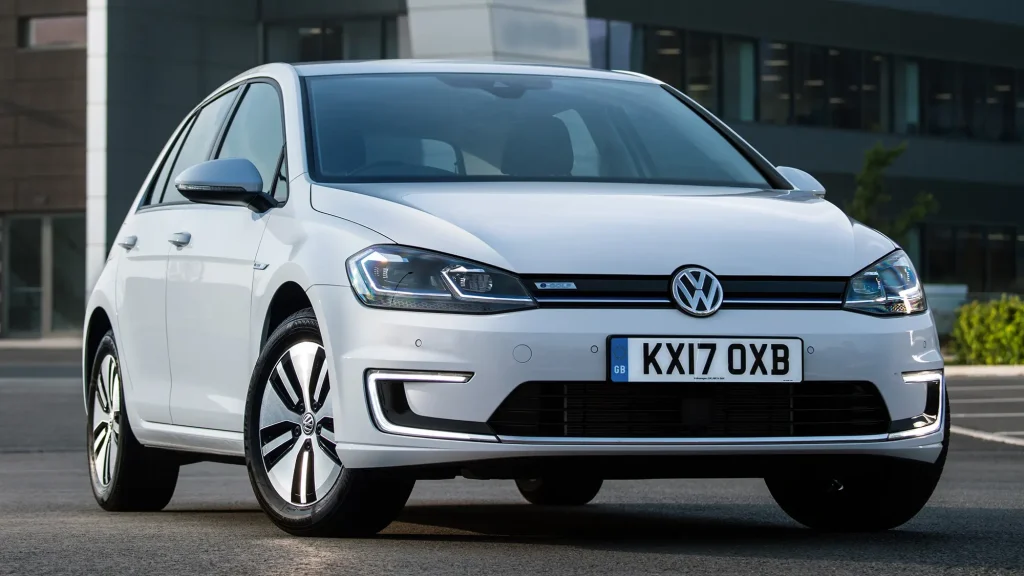
Volkswagen wants to use common technical foundations across several models and brands, rather than bear the full cost of developing separate systems for every vehicle. In principle, greater commonality can simplify engineering, purchasing, and manufacturing while spreading investment over a larger number of cars.
SSP is part of Volkswagen’s response to increasingly competitive electric-vehicle markets, particularly as Chinese manufacturers expand in Europe with aggressive pricing and rapid product cycles.
The architecture is meant to reduce components and engineering variations, making future electric vehicles less expensive to develop and build.
In a July 2026 strategy announcement, Volkswagen said it intended to streamline its model lineup by up to 50% and reduce offering complexity by as much as 75%. Those are group-wide targets, not specific promises about the ID. Golf.
However, SSP is already behind its original timetable. Reuters reported that the architecture had initially been targeted for 2026 and has since been delayed. The electric T-Roc is planned as the first SSP-based vehicle with the ID. Golf is among the models expected to follow.
The Golf’s development depends on the readiness of the underlying platform as well as work specific to the car, so the pause adds uncertainty to a program already behind its original target.
Volkswagen’s works council has said the spending freeze will not delay the ID. Golf’s launch and that lost time can be recovered. That is the council’s position, rather than a newly confirmed production date from the company.
Volkswagen has not provided a revised engineering timetable in the Reuters report or said when the paused work will resume. The launch plan is therefore being defended by employee representatives, but the schedule should not be treated as guaranteed.
Volkswagen has yet to disclose the ID. Golf’s battery size, driving range, charging capabilities, motor output, or price. Specifications from other electric Volkswagen models should not be applied to it, since SSP is a vehicle platform rather than a complete set of model specifications. Any claims about the ID. Golf’s performance or affordability are therefore still premature.
What the Pause Means for Volkswagen and Potential Buyers
Volkswagen has not yet revealed key details about the ID. Golf, including its battery capacity, driving range, charging speed, motor output, or expected price. Figures from other electric Volkswagen models should not be treated as specifications for this car. SSP is a vehicle platform, not a finalized model specification. Until the company releases more information, assessments of the ID. Golf’s performance and affordability remain speculative.
The AP reported that weaker Chinese demand and competition from local manufacturers have weighed on the group, while U.S. tariffs have added another burden. It also noted that Volkswagen’s electric vehicles currently generate lower profits than comparable combustion-engine models.
This leaves Volkswagen funding new technology while returns from some electric models remain under pressure.
Nine-month results underline the pressure. Reuters reported that Brand Group Core, which includes Volkswagen, Volkswagen Commercial Vehicles, Škoda, and SEAT/CUPRA, recorded €106.4 billion in revenue, down 0.5% year over year.
Operating profit fell 8.3% to €4.33 billion, while its margin slipped from 4.4% to 4.1%. These figures cover several brands, not Volkswagen Passenger Cars alone.
Volkswagen’s plans for the U.S. market remain unclear. The company has not confirmed whether the ID. Golf will be sold in America or provided details about a possible launch date, pricing, or specifications. For now, the GTI and Golf R remain the Golf models familiar to American buyers. An electric successor should not be assumed to be heading to U.S. dealerships.
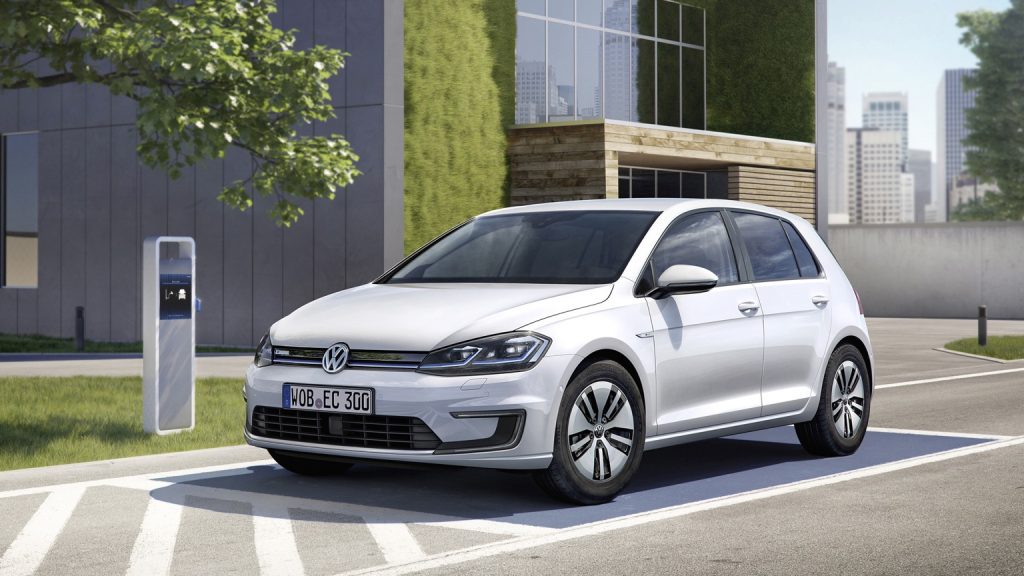
For European buyers, an electric version could preserve a familiar model identity while changing the powertrain. Prospective customers should wait for firm details rather than rely on projected launch windows or unofficial specifications.
The works council is confident the schedule can be protected, but work cannot proceed at the desired pace until finances allow it.
The ID. Golf has not been cancelled, and Volkswagen has not announced a replacement strategy. The company is trying to preserve a future electric product while redirecting attention toward savings, factory efficiency, and the financial performance of its existing range. The next milestone is a decision about when development spending can restart.
For Volkswagen, the electric Golf is a test of whether its most recognizable compact-car name can be carried into a new technological era without ignoring the economics of doing so. The works council says lost time can be recovered.
Whether that confidence is borne out will depend on how quickly the automaker stabilizes its finances, delivers the required savings, and gets the SSP program back on schedule.
