Used electric vehicles are becoming more expensive in the U.S. market, and the latest data suggests buyers are also purchasing them more quickly. An iSeeCars analysis found that the average price of a one- to five-year-old used EV reached $32,533 in September 2026, up 9.8% from a year earlier.
That increase was substantially higher than the gains recorded for hybrids and gasoline-powered vehicles. The shift comes as higher fuel costs, a wider selection of pre-owned electric models, and renewed interest after the expiration of federal incentives reshape the market.
However, the figures do not mean every used EV is appreciating or selling quickly. Model, condition, mileage, and local demand remain important.
Used EV Prices Rise Faster Than Hybrid and Gasoline Vehicles
The iSeeCars study found that used EV prices increased by $2,896 year over year, rising from $29,637 in September 2025 to $32,533 in September 2026. The 9.8% increase was twice the 4.9% rise recorded for hybrids and far above the 0.3% increase for gasoline-powered vehicles.
Average used hybrid prices reached $34,476, while gasoline vehicles averaged $31,954. Hybrids therefore remained the most expensive of the three powertrain categories, but used EVs moved from being cheaper than gasoline vehicles to costing more on average.
In September 2025, EVs had averaged $2,227 less than gas vehicles. One year later, they averaged $579 more.
The study analyzed more than 1.5 million used vehicles ranging from one to five years old. This distinction matters because the $32,533 figure represents the average price within iSeeCars’ research sample, not the average asking price of all used EVs advertised nationwide.
It should also not be confused with Cox Automotive’s separate measure of used EV listing prices. Cox reported an average listing price of $36,767 in September, down 1.8% from August but up 6.4% year over year.
The two figures use different data and methodologies, so they describe different parts of the market rather than contradicting each other.
The change in relative pricing is notable for shoppers comparing electric vehicles with conventional alternatives. Used EVs are no longer automatically the lower-priced option when compared with similar broad powertrain averages.
Nevertheless, a buyer may still find an affordable electric model depending on age, range, battery condition, and local inventory. Average prices can also move when the mix of vehicles sold changes. A larger share of newer or more expensive models can lift the average even if individual vehicles are not becoming more valuable.
Used EVs Are Selling Faster, but Demand Varies by Model
Price growth is only one part of the shift. The iSeeCars analysis found that used EVs spent an average of 41.9 days on the market in September, down 10.1% from 46.6 days a year earlier. Gasoline vehicles took an average of 54.8 days to sell, up 19.9% from 45.7 days.
Hybrids averaged 48.6 days, a modest improvement from 49.2 days in September 2025. On these figures, used EVs sold nearly 13 days faster than gasoline vehicles and around a week faster than hybrids.
The faster sales pace suggests that buyers are showing greater willingness to consider pre-owned electric vehicles, even as their average prices rise. Higher gasoline prices may be encouraging some shoppers to consider the potential fuel savings of an EV.
The market is also adjusting after the federal used-EV tax credit expired a year earlier. According to iSeeCars executive analyst Karl Brauer, higher fuel prices likely contributed to the shift, while demand has recovered from the disruption associated with the loss of federal incentives.
These are potential explanations, not proof that fuel prices alone caused the increase. The trend is not uniform across all models. The Lexus IS 500 was the fastest-selling used vehicle in the study, averaging 24.3 days on the market.
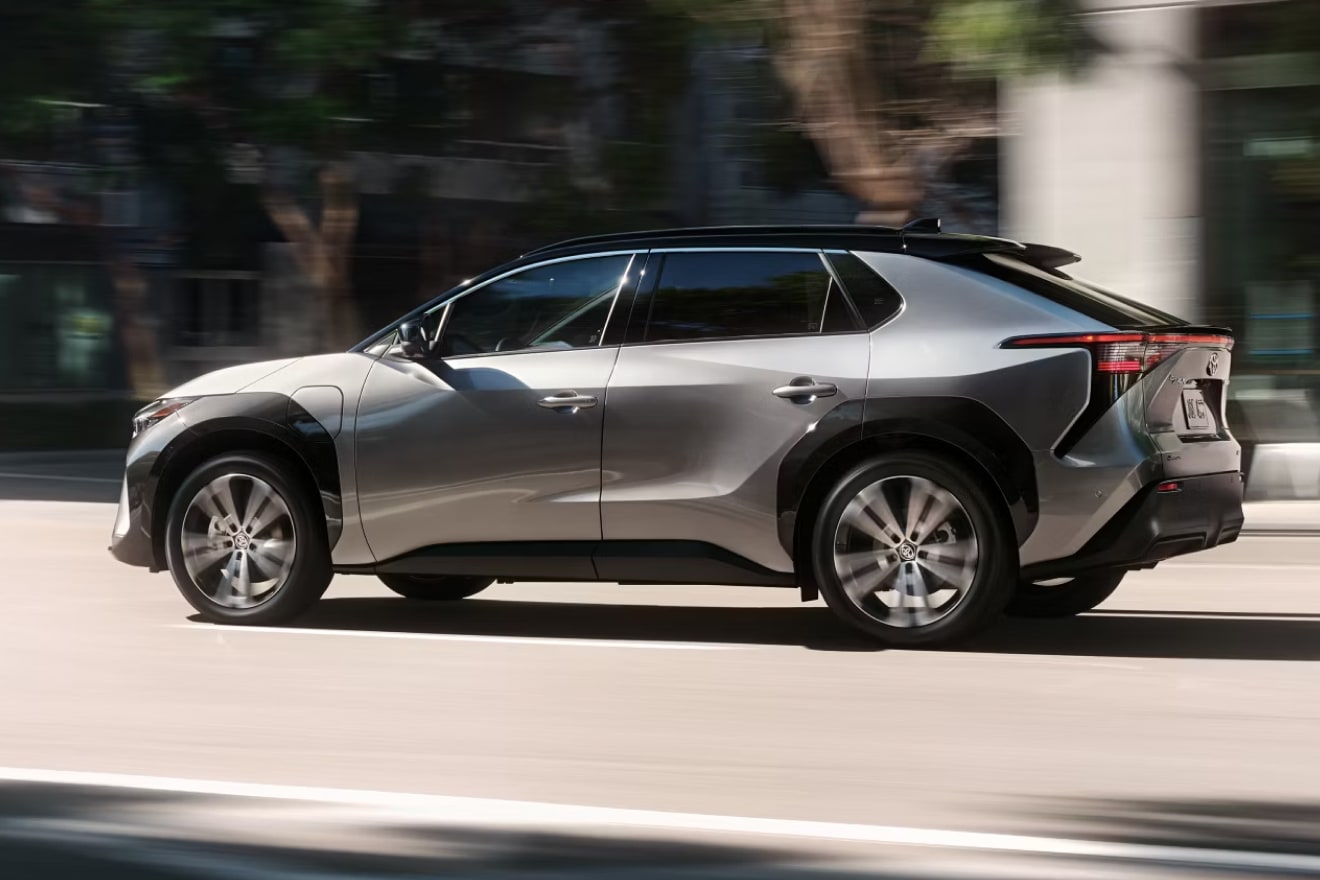
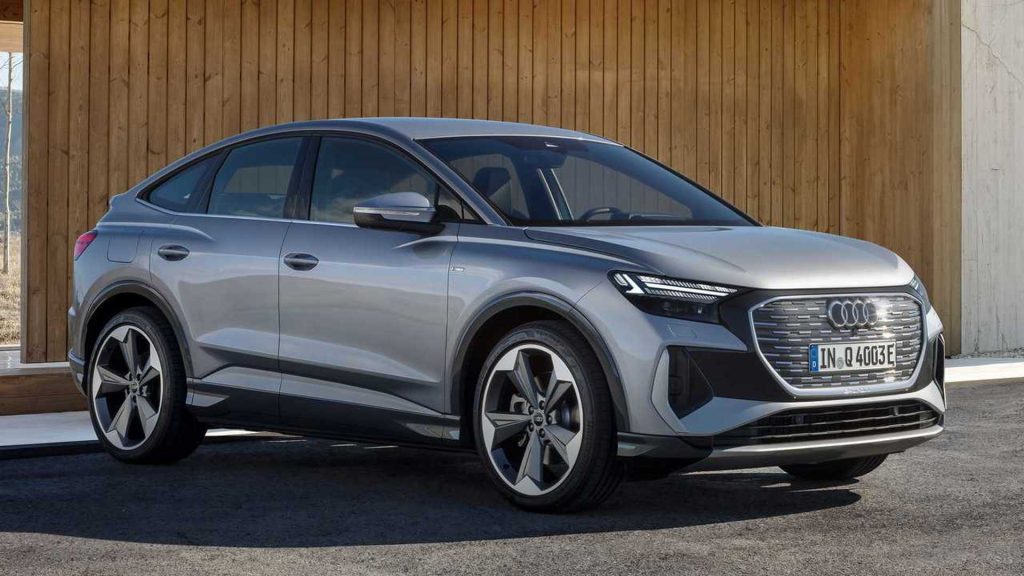
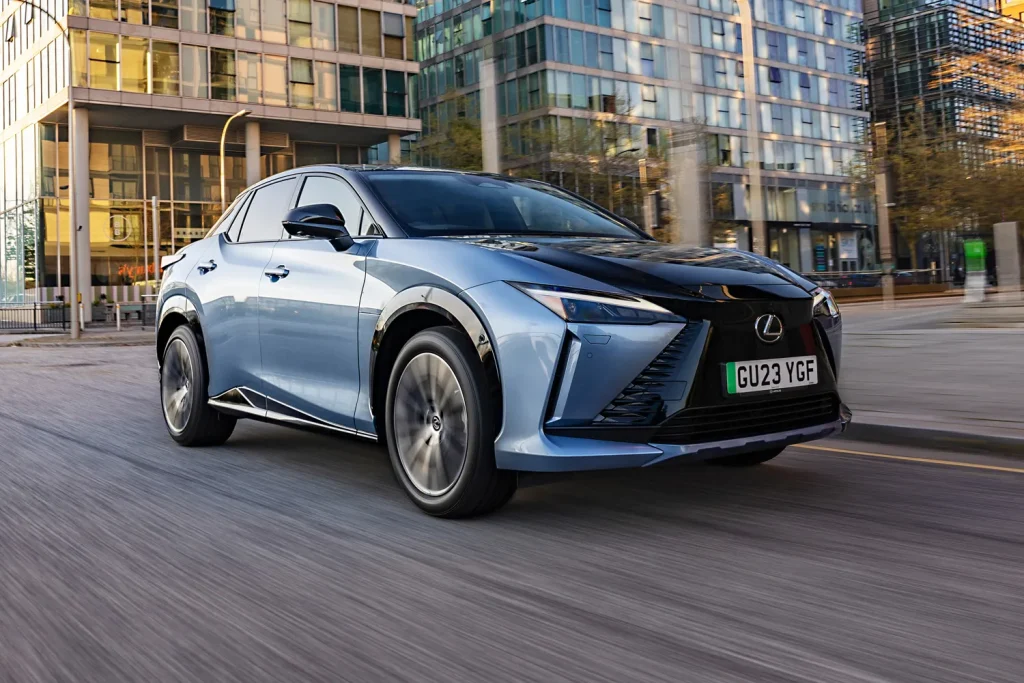
The Audi Q4 Sportback e-tron was among the fastest-selling EVs at 29.8 days, followed by the Toyota bZ4X and Lexus RZ 300e among the leading electric models. At the other end, the Cadillac Escalade IQ averaged 128.7 days on the market, while the GMC Sierra EV took 93.2 days and the Chevrolet Silverado EV 89.1 days.
These results show why a strong category average should not be treated as a guarantee that every electric model will attract buyers quickly.
What the Price Increase Means for Buyers and Sellers
For used-car shoppers, the increase changes the comparison between powertrains. EVs averaged $32,533 in September, just $579 more than gasoline vehicles, while hybrids averaged $34,476.
The gap between EVs and gas cars has therefore narrowed dramatically in relative terms, even though EVs are now slightly more expensive on average. Buyers should compare specific vehicles rather than relying on the category average.
The purchase price is just one factor to consider when buying a used EV. Buyers should also account for insurance premiums, charging availability, electricity costs, remaining battery warranty coverage, driving range, and possible repair expenses when evaluating the true cost of ownership.
Battery condition deserves particular attention. Buyers should review the remaining battery warranty, check for any available battery-health reports, and confirm that the vehicle has not suffered damage that could affect its high-voltage system.
They should also consider whether home charging is practical. A driver who can charge overnight at home may have a different ownership experience from someone who depends on public charging, especially where fast-charging prices are high or stations are inconvenient.
Sellers may find the market more favorable than it was a year earlier, but the average increase should not be mistaken for guaranteed appreciation. Used vehicles generally continue to depreciate with age and mileage.
The reported increase reflects the average prices in the analyzed sample and can be influenced by which models are available and selling. A desirable EV with a competitive range, a clean history, and strong local demand may attract buyers faster than a less popular model with limited range or a high asking price.
For dealers, the faster turnover can influence how they acquire and price inventory. A vehicle that sells quickly may require less time on the lot and fewer price reductions, but purchasing decisions still need to account for wholesale values and local competition.
Dealers also need staff who can explain charging, battery warranties, and available incentives accurately, since unfamiliarity can slow a transaction even when shopper interest is strong.
The wider market data also shows that supply is changing. Cox Automotive estimated used EV sales at 47,862 in September, up 21.2% year over year, while used EVs reached a record 3.3% share of used-vehicle sales.
Cox also measured used EV inventory at 35 days’ supply, below the 46 days recorded for ICE-plus vehicles. More off-lease vehicles are entering the market, expanding the selection available to shoppers even as demand increases.
The September results point to a used-EV market that is gaining momentum, but not one where every vehicle is becoming more valuable. Prices in iSeeCars’ sample rose 9.8%, and used EVs sold faster than gasoline and hybrid vehicles.
Yet model-level differences remain substantial, and buyers still need to evaluate battery condition, charging needs, and total ownership costs. For dealers, the data suggests that competitively priced EVs can attract attention and turn over quickly.
For consumers, it means the best opportunity is not simply choosing an electric vehicle but finding one whose price, range, and condition make sense for their individual needs.