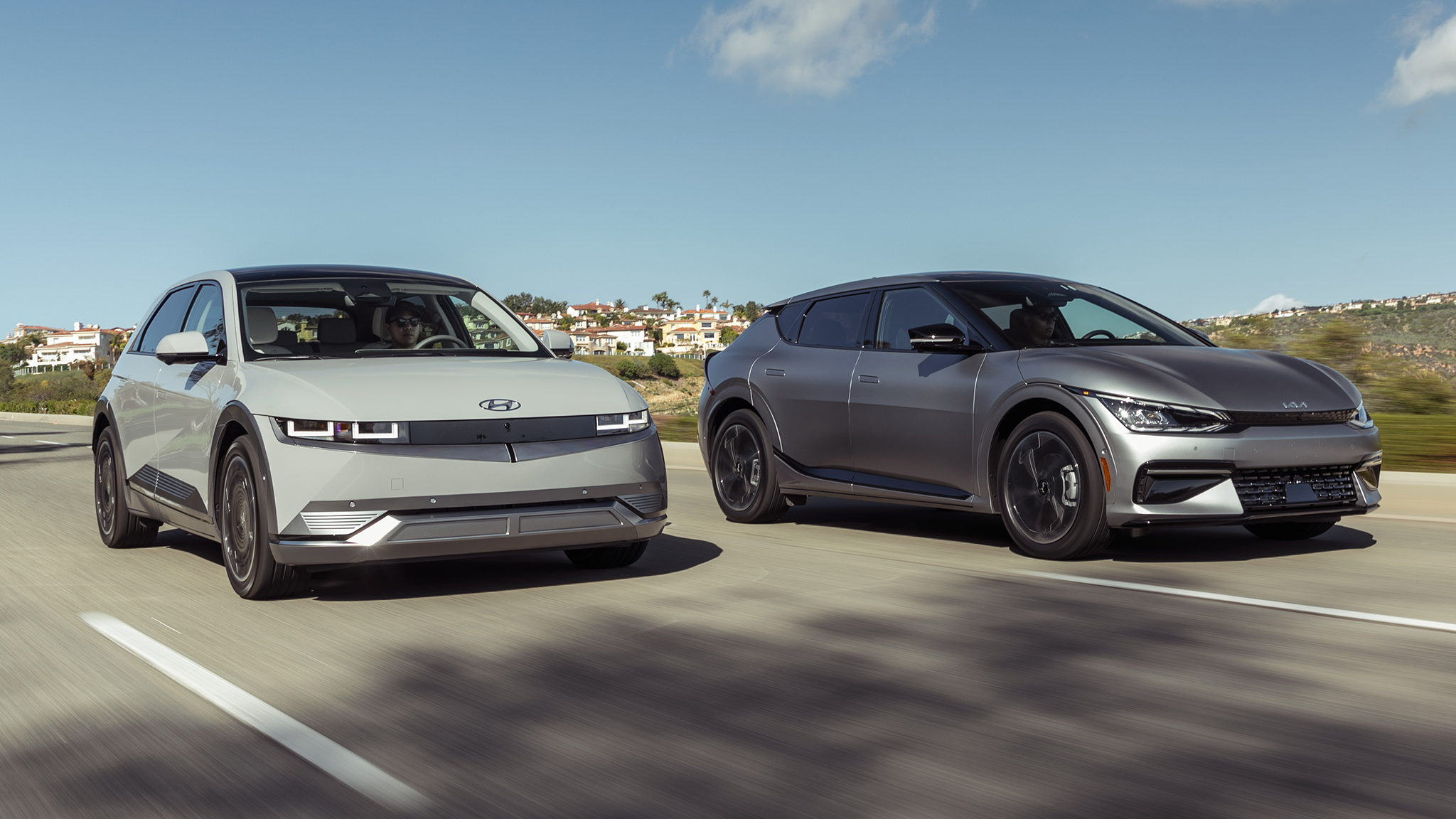
Hyundai Motor and Kia delivered stronger operating profits in the third quarter of 2026, supported by hybrid demand, favorable exchange rates, and an improved vehicle mix. Yet the headline gains conceal a more complicated picture.
Hyundai’s revenue and vehicle volumes declined, its net profit fell sharply, and it reduced its full-year sales and margin targets. Kia recorded higher revenue and operating profit, but its net income also declined, while higher logistics expenses and incentives threaten its profitability outlook.
Both automakers benefited from demand in the United States, particularly for hybrid models, but face uneven global conditions, rising costs, and intense competition. Their latest results show how manufacturers can increase operating earnings even while the road ahead becomes more difficult.
Hyundai Raises Operating Profit but Cuts Its 2026 Targets
Hyundai Motor reported third-quarter operating profit of 2.68 trillion won, up 5.5% from 2.54 trillion won in the same period of 2025. Revenue, however, declined 3.4% to 45.11 trillion won, while net profit fell 24.2% to 1.93 trillion won.
The operating margin improved to 5.9%, helped by favorable foreign-exchange rates, cost optimization, and a stronger product mix, particularly from hybrid electric vehicles. The operating-profit figure also exceeded the analyst consensus cited by Reuters.
This means Hyundai’s profit improvement did not come from selling more vehicles. Its global wholesale volume fell 11.3% to 920,710 units during the quarter.
Production disruption was a major factor. Labour strikes in South Korea affected output, while fewer working days also contributed to the decline. Domestic sales fell 27.2% to 131,468 vehicles, and sales outside Korea declined 8% to 789,242.
Hyundai said its U.S. market share remained in the 6% range for the sixth consecutive quarter, supported by hybrid demand. Hybrids accounted for 18.2% of its total sales, an increase of 2.7 percentage points year over year.
The company responded to the difficult operating environment by lowering its full-year wholesale sales target to 4 million vehicles from approximately 4.16 million. It also cut its operating-margin guidance to 5.5%–6.5%, down from 6.3%–7.3%.
Hyundai reduced its planned automotive investment to 16 trillion won from 17.8 trillion won, reflecting changes to investment priorities and timing. These revisions show that management is taking a more cautious view of demand, production, and costs for the remainder of 2026.
Hyundai’s challenge is to recover lost production while protecting its improved margin. Normal operations at its Korean plants resumed in September, and the company expects new models and hybrid sales to support a stronger fourth quarter.
But higher raw-material costs, U.S. tariffs, and global competition remain risks. The profit increase is encouraging, yet the lower annual targets make clear that the company is not treating one stronger quarter as evidence that its difficulties have passed.
For Hyundai, the stronger margin also demonstrates how currency movements can cushion a weak sales quarter, but exchange rates are not a substitute for durable volume growth. If the win strengthens or input costs rise further, some of that support could fade.
The company will need to convert its production recovery into deliveries without relying on favorable currency conditions alone.
Kia Delivers Stronger Revenue and Operating Profit
Kia’s third-quarter performance was stronger on the top line. Revenue reached a record 31.6 trillion won, an increase of 10.1% from a year earlier. Operating profit rose 24.3% to 1.82 trillion won, giving the company an operating margin of 5.8%.
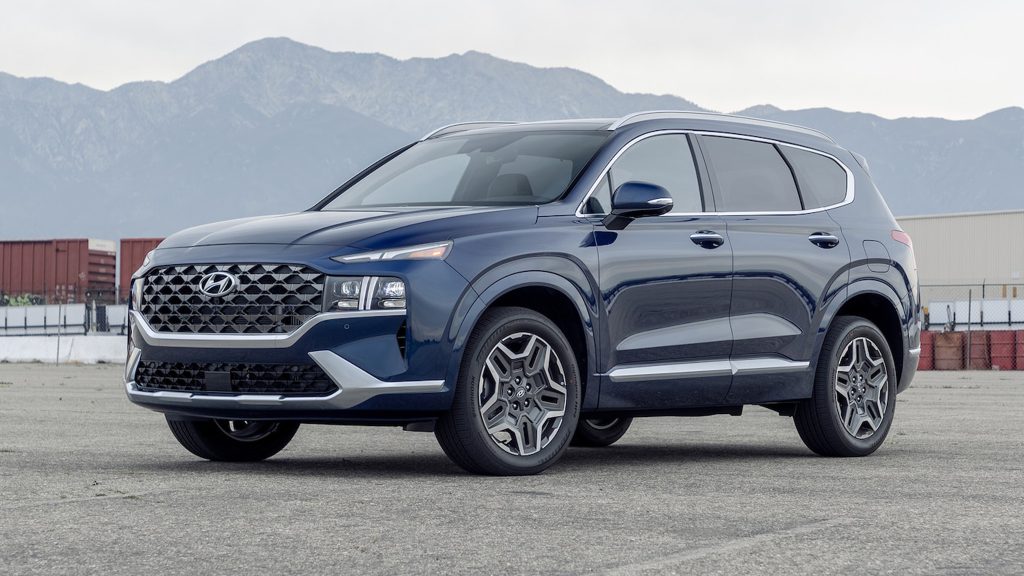
Global wholesale sales increased 7.9% to 847,355 vehicles, while retail sales rose 6.9% to approximately 829,000 units. Kia said its retail growth came despite a 6% decline in global industry demand.
Electrified vehicles were a major contributor. Kia’s global retail sales of hybrids, plug-in hybrids, and battery-electric vehicles climbed 47% to approximately 300,000 units, representing 36.2% of its retail volume.
Hybrid sales rose 46% to nearly 172,000, while EV sales increased 75.4% to nearly 123,000. In the United States, Kia’s hybrid sales increased 118%, helped by demand for hybrid versions of key SUVs. The company also reported a record quarterly U.S. market share of 5.8%.
Regional performance was mixed but generally supportive. U.S. retail sales rose 7.8%, with the new Telluride and stronger hybrid sales contributing. Western European sales increased 16.9%, and India recorded a 38.5% gain, led by the new Seltos and Sonet.
These markets helped offset weaker performance in areas affected by external disruptions, including the Middle East. Kia’s global market share reached 4%, while its share excluding China reached 5%, both record levels for the company.
However, Kia’s net profit, including non-controlling interests, fell 9.6% to 1.29 trillion won. Its operating-profit increase also missed analyst expectations, according to CBT News.
Costs linked to the conflict in the Middle East reduced operating profit by an estimated 600 billion won, or about $450 million, while higher logistics expenses are expected to continue into the fourth quarter.
Kia also expects elevated sales incentives to weigh on profitability. Stronger revenue and operating profit therefore do not mean that all pressures have eased.
Kia’s higher operating profit margin also needs to be considered alongside its lower net profit. Operating profit measures earnings from core business before financing and certain other items, while net profit reflects a wider set of costs and income.
The gap is a reminder that a strong operating result does not automatically translate into stronger earnings after all expenses.
Hybrids Offer Support, but Costs and Competition Remain
The clearest connection between the two companies’ results is the importance of hybrid vehicles. Hyundai and Kia are benefiting from customers who want better fuel economy without relying entirely on public charging or changing their driving habits.
Hybrids allow both manufacturers to serve buyers who are not ready to switch to a fully electric vehicle, while still improving fleet efficiency and meeting demand for electrified options. Kia’s strong U.S. hybrid growth and Hyundai’s increased hybrid sales mix show that this strategy is producing measurable results.
The companies nevertheless face different immediate problems. Hyundai needs to rebuild production following labor disruption and regain lost volume, while its lower full-year targets reflect caution about global demand and profitability.
Kia has stronger sales momentum, but freight costs, geopolitical disruption, and incentives threaten to absorb part of its operating gains. Both companies also face competition from Chinese automakers and established global brands, particularly as manufacturers fight for share in electric and hybrid segments.
For U.S. dealers and buyers, the results suggest that hybrid models will remain an important part of the companies’ product strategies. Kia plans to strengthen its hybrid offerings, including models such as the Seltos and Telluride, while expanding its EV range.
Hyundai is also relying on hybrids to support its position in the U.S. market. More hybrid choices could help the brands reach customers who prioritize fuel economy but are not yet comfortable with a full battery-electric vehicle.
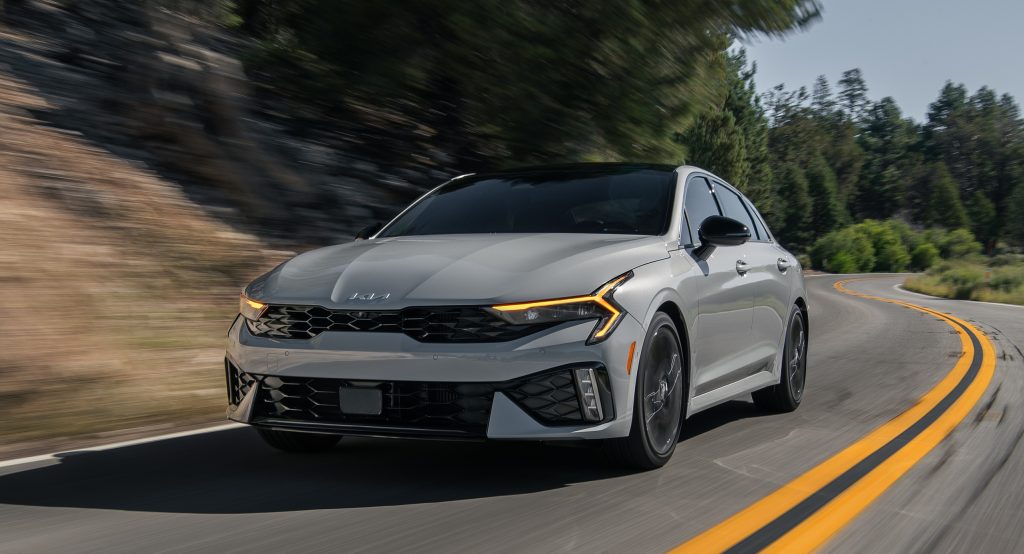
The third-quarter results should therefore be read as a qualified improvement rather than an uncomplicated victory. Hyundai and Kia both increased operating profit, but their net-profit figures declined, and their challenges differ.
Hyundai has lowered its annual targets after production and demand setbacks. Kia has recorded stronger sales and revenue but faces substantial external costs and a more difficult path to its original profitability goals.
Their ability to sustain earnings will depend on controlling expenses, keeping production stable, and maintaining demand for hybrids and newer models.
The quarter shows that electrified vehicles are supporting both businesses, but it also demonstrates how quickly labor issues, logistics, and global market conditions can change the outlook.
The next few months will reveal whether Hyundai can restore production and whether Kia can protect its margins as costs remain elevated.