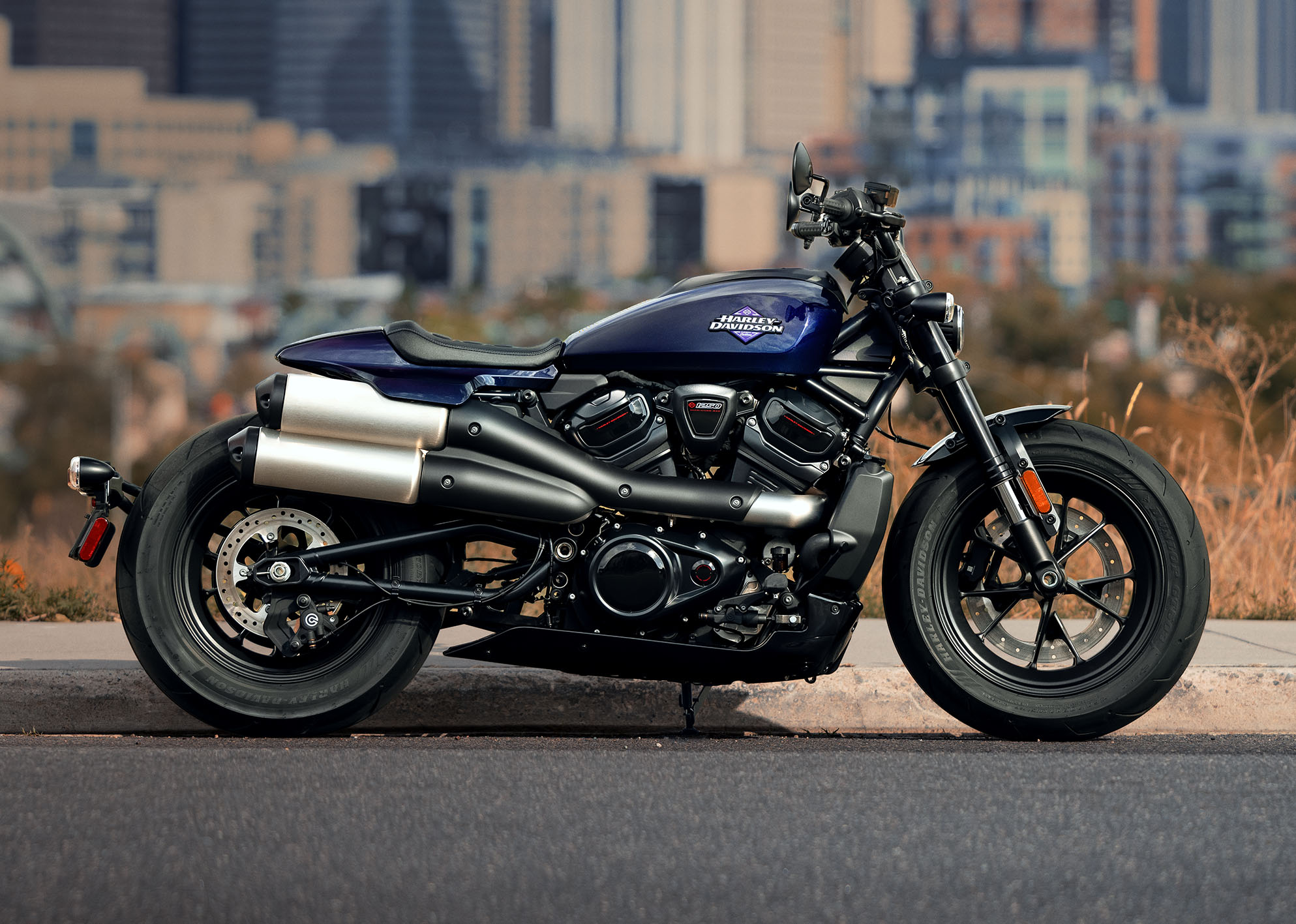
Harley-Davidson is showing signs of a recovery in its most important market, with North American motorcycle retail sales increasing 9% in the third quarter of 2026. The improvement helped the Milwaukee-based manufacturer raise its full-year financial guidance for the second time this year, even as wholesale shipments and motorcycle revenue declined.
Another encouraging development was a 26% year-over-year reduction in global dealer inventory, suggesting that the company is making progress in matching production with actual customer demand.
The results reveal a more nuanced situation than a simple sales recovery. Retail demand is showing signs of improvement, but Harley-Davidson must still translate that momentum into higher shipments, increased revenue, and lasting profitability.
North American Motorcycle Sales Deliver Another Quarter of Growth
Harley-Davidson’s strongest third-quarter result came from North America, where retail sales of new motorcycles increased 9% compared with the same period in 2025. This was the fourth consecutive quarter of year-over-year retail growth in the region.
The improvement was also faster than the 3% increase recorded in the second quarter, suggesting that demand in the company’s home market is gaining momentum rather than simply stabilizing.
The global picture was positive as well, although growth was more modest. Harley-Davidson reported a 5% increase in worldwide retail motorcycle sales during the quarter. North America and Asia-Pacific supported the improvement, with Asia-Pacific sales rising 1%. Australia and New Zealand performed particularly well, recording combined growth of 15%.
These figures matter because Harley-Davidson has faced pressure from changing consumer preferences, affordability concerns, and competition in the motorcycle market. Its traditional heavyweight motorcycles appeal to a specific customer base, and purchasing one often involves a significant financial commitment.
Higher borrowing costs, household budget pressures, and uncertainty about discretionary spending can make buyers delay replacing or upgrading their motorcycles.
The latest retail performance indicates that more customers are visiting dealerships and completing purchases. However, retail sales should be distinguished from wholesale shipments.
Retail sales represent motorcycles sold by dealers to customers, while wholesale shipments measure units delivered by Harley-Davidson to its dealer network. The two figures can move in different directions when a manufacturer is deliberately reducing inventory.
That is precisely what happened in the third quarter. Harley-Davidson shipped 33,616 motorcycles globally, an 8% decline from the previous year.
The company explained that lower shipments were intentional and aligned with its Back to the Bricks strategy, which emphasizes healthier dealer inventory and a better balance between factory production and customer demand.
The distinction is important when evaluating the recovery. A manufacturer can increase retail sales without immediately increasing production or shipments if dealers are selling motorcycles already sitting in their showrooms.
That approach can improve the financial health of the dealer network and reduce the need for aggressive discounts to clear older stock. It may also create a stronger foundation for future growth, provided retail demand remains consistent.
Dealer Inventory Falls 26% as Harley-Davidson Resets Its Business.
One of the most significant figures in the report is the 26% reduction in global dealer inventory compared with the third quarter of 2025. Inventory also declined 6% from the second quarter of 2026, showing that the reduction continued even as customer sales improved.
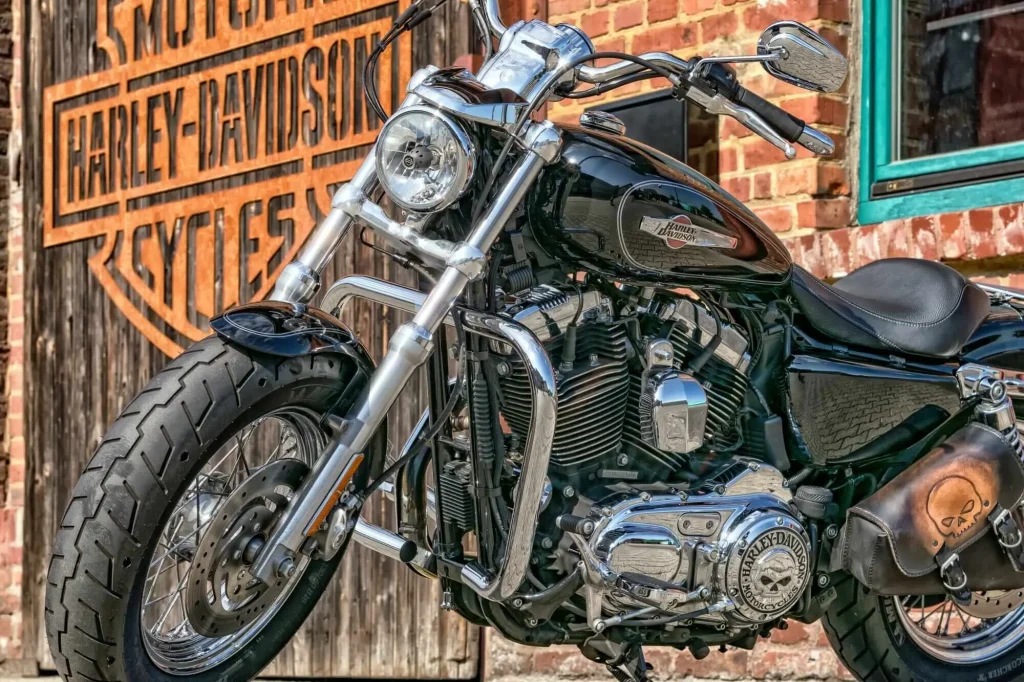
For Harley-Davidson, this is an important part of its effort to correct the imbalance between motorcycles produced and motorcycles dealers can realistically sell.
Excess inventory can create several problems for a motorcycle manufacturer. Dealers have to finance unsold vehicles, allocate showroom space, and manage the cost of holding stock.
If too many motorcycles remain unsold, dealers may resort to discounts and incentives, potentially weakening profit margins and the perceived value of the brand. Manufacturers can also face pressure to offer financial support to their retail networks.
Harley-Davidson is trying to avoid repeating that cycle. By limiting wholesale shipments while retail demand improves, it can allow existing inventory to move through dealerships before sending additional motorcycles.
This approach may temporarily reduce reported manufacturer revenue, but it can improve the quality of sales and make future production planning more predictable.
The composition of inventory has improved too. At the end of September, 91% of North American dealer inventory consisted of current-model-year 2026 motorcycles. That compares with 86% at the end of the third quarter of 2025.
In practical terms, dealers are carrying a higher proportion of current products rather than relying on older model-year stock. This can make it easier to sell motorcycles at more appropriate prices and give customers a fresher selection.
The company’s Back to the Bricks strategy is central to this reset. Its focus includes building a more rider-oriented product lineup, improving dealer profitability, managing costs, and aligning production more closely with demand.
Harley-Davidson is also trying to strengthen the relationship between its products and the customers who buy them, rather than relying primarily on high shipment volumes.
Newer models and product initiatives are part of that effort. Harley-Davidson’s third-quarter commentary highlighted motorcycles such as the Super Glide and Deadwood as examples of products intended to deepen the connection with riders.
The company is looking to make its lineup more relevant while maintaining the distinctive identity associated with its heavyweight motorcycles. However, the success of this strategy will ultimately depend on how many customers purchase the new models, not simply on the attention they receive when announced.
Inventory reduction is encouraging, but it cannot guarantee a lasting recovery. If retail demand weakens, dealers could again accumulate unsold motorcycles.
If Harley-Davidson cuts shipments too aggressively, it could also miss sales opportunities when popular models are in demand. The company therefore needs to maintain a careful balance between production discipline and product availability.
Higher Guidance Comes Despite Lower Motorcycle Revenue
Harley-Davidson’s improved retail performance and inventory position helped it raise its full-year 2026 guidance for the second time this year. The company now expects global motorcycle retail sales of 135,500 to 139,000 units and wholesale shipments within the same range.
It also raised its expected operating income for Harley-Davidson Motor Company (HDMC) to $25 million to $55 million. For Harley-Davidson Financial Services (HDFS), the revised operating income forecast is $60 million to $70 million.
The guidance increase is notable, but the quarterly financial results show why the company still has work to do. HDMC generated $964 million in third-quarter revenue, down 10% year over year, largely because of lower motorcycle shipment volumes.
Its operating income declined 18% to $44 million, and its operating margin slipped to 4.6% from 5.0% in the prior-year quarter.
There were some positive signs within the motorcycle business. HDMC’s gross margin improved by 1.73 percentage points to 28.1%, while operating expenses declined 1% to $227 million.
Its adjusted EBITDA margin, a non-GAAP measure of operating performance, increased to 9.7% from 8.7%. These improvements suggest that cost management and a healthier sales mix are helping offset weaker wholesale volumes.
Harley-Davidson’s consolidated net income requires additional context. The company reported approximately $43 million in attributable net income for the third quarter, compared with approximately $377 million a year earlier.
That dramatic decline was primarily influenced by the previous year’s sale of most of HDFS’s securitization beneficial interests and retail finance receivables, which produced a substantial one-time benefit. It would therefore be misleading to interpret the entire year-over-year earnings decline as a collapse in motorcycle demand.
HDFS itself reported operating income of approximately $10.8 million, compared with $438.8 million in the prior-year period. The comparison was heavily affected by the earlier asset transaction and the company’s shift toward a more asset-light financing model.
Its revised full-year outlook of $60 million to $70 million reflects management’s expectations for the remaining months of 2026, not a return to the unusually high earnings recorded in the year-ago quarter.
LiveWire, Harley-Davidson’s electric motorcycle business, also deserves attention. The company withdrew its full-year guidance for LiveWire in the third-quarter announcement. That decision highlights the uncertainty surrounding the electric motorcycle market, where demand, pricing, and the economics of scaling production remain challenging.
Harley-Davidson’s conventional motorcycle recovery should not be confused with a broader recovery across every part of its business.
For the remainder of 2026, the key question is whether stronger retail sales can continue without forcing Harley-Davidson to rebuild excess inventory.

The latest figures point to meaningful progress. North American sales have increased for four consecutive quarters, global dealer inventories have declined, and management has once again raised its outlook. However, weaker shipments and falling motorcycle revenue indicate that the company’s recovery is still a work in progress.
Harley-Davidson’s next phase depends on sustaining customer demand, keeping dealers financially healthy and protecting margins while introducing products that attract new and returning riders.
The second guidance increase is a positive signal, but the more convincing evidence of recovery will come when stronger showroom sales translate into consistent revenue and operating profit without recreating the inventory problems the company is now working to solve.