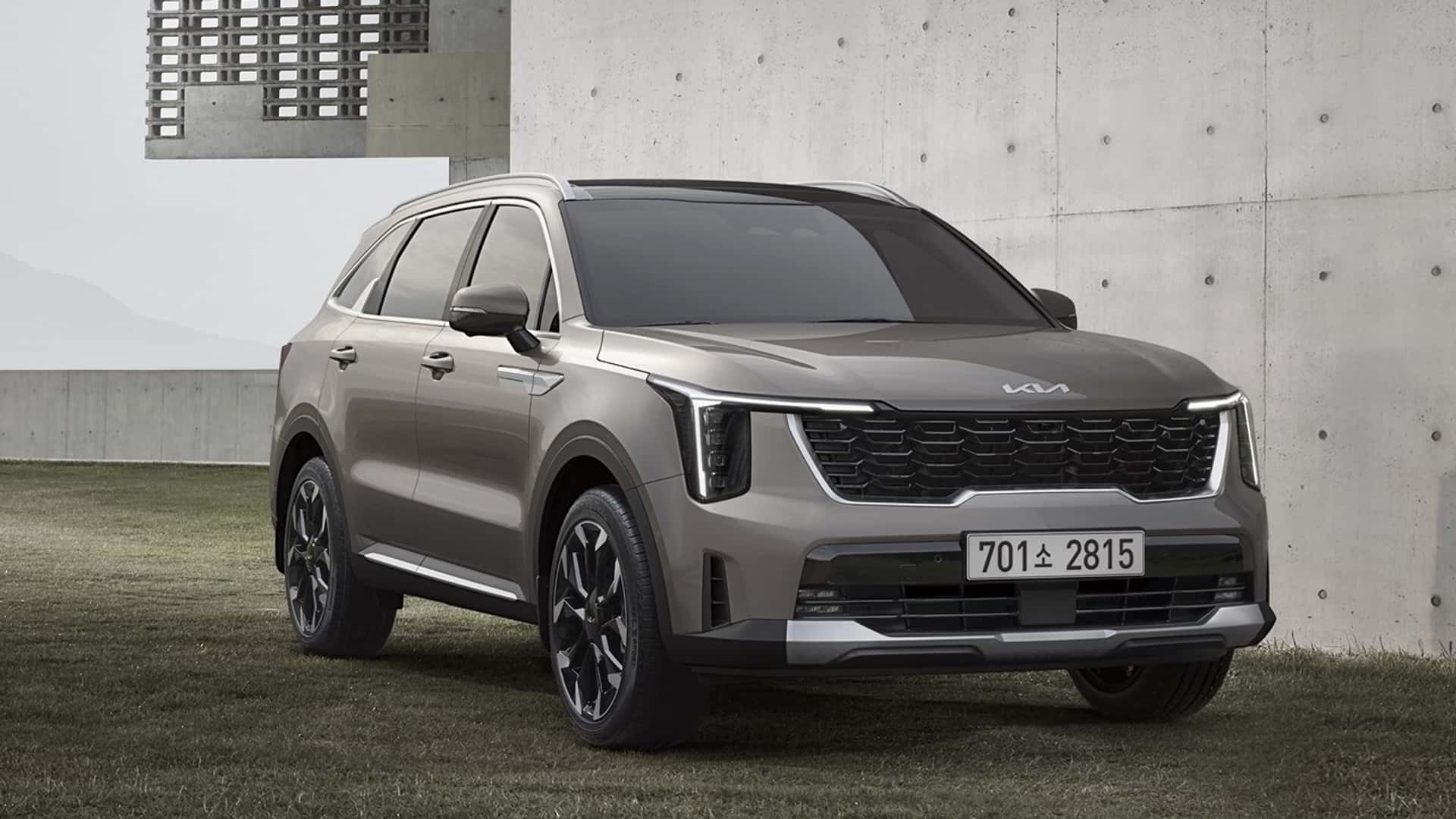
Kia America delivered another record month in October 2026, selling 80,008 vehicles in the United States, a 16% increase from the 69,002 units recorded a year earlier. It was the brand’s sixth consecutive month of record sales, with retail deliveries also reaching a new October high.
The gains came from a broad mix of SUVs, sedans, minivans, and electrified models, rather than one vehicle carrying the entire result.
The Telluride, Sportage, and Seltos were particularly important volume contributors, while the EV9 and EV6 posted strong percentage increases from lower bases. Hybrid and electrified sales also set new records.
Telluride, Sportage, and Seltos Lead Kia’s October Sales
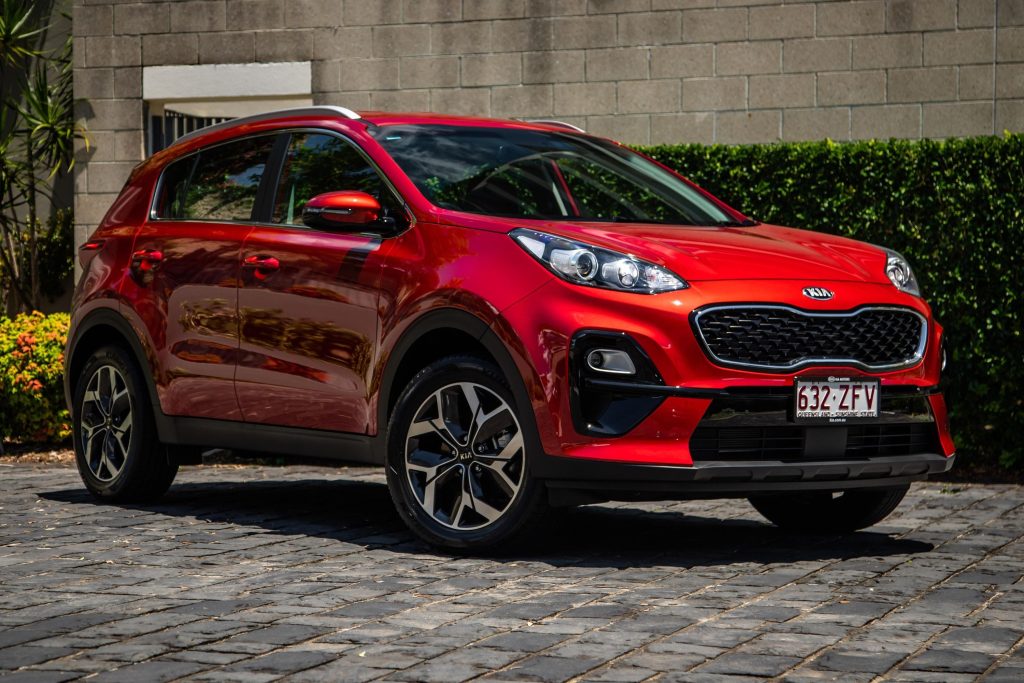
Kia’s October performance was built around its utility vehicles and family-focused models. The Sportage remained the brand’s top-selling vehicle, with 17,977 units sold, up 12% from 16,057 in October 2025.
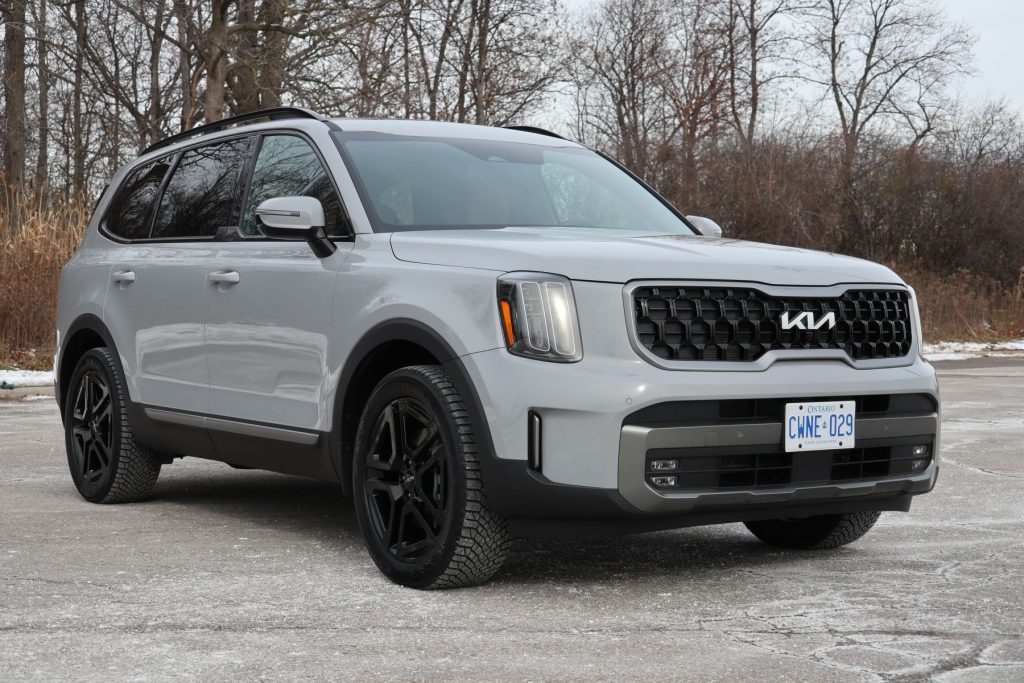
The Telluride followed with 14,009 sales, a substantial 63% increase from 8,571. The Seltos also recorded a strong month, reaching 8,052 units compared with 5,622 a year earlier, a gain of 43%.
The Sportage’s position reflects the importance of compact SUVs in the U.S. market. Its lineup includes gasoline, hybrid, and plug-in hybrid options, giving buyers several powertrain choices within the same nameplate.
The Telluride’s 63% increase is especially notable because it was one of Kia’s largest volume gains in October. The three-row SUV has a central role in the company’s family vehicle strategy, and the latest generation’s arrival has helped renew attention around the nameplate.
Kia said the Telluride achieved its best October sales result, while the hybrid version also recorded its strongest monthly performance. This allows the company to attract customers interested in a larger SUV without relying exclusively on a conventional gasoline powertrain.
The Seltos delivered 8,052 sales, a 43% increase. The smaller SUV gives Kia an entry point for customers seeking a practical crossover below the Sportage in the lineup.
Other family vehicles also moved higher. Sorento sales reached 8,782, up 31% from 6,698, while Carnival minivan sales increased 17% to 7,751.
The Carnival’s result is significant because minivans compete in a narrower segment than SUVs, yet the model continues to attract buyers who prioritize cabin space and passenger access. Kia said the Carnival Hybrid also achieved its best monthly sales performance.
Not every model increased. The K5 sedan recorded 7,045 sales, down from 7,631 a year earlier, while Niro sales fell to 1,816 from 2,698. Kia’s Soul recorded no October sales after the model’s departure from the U.S. lineup. These declines show that growth was not universal, but stronger SUV and electrified sales offset weaker results elsewhere.
Electrified and Hybrid Vehicles Deliver the Fastest Growth
One of the most important parts of Kia’s October announcement was the increase in electrified vehicle demand. The company said electrified sales rose 112% year over year, while hybrid sales increased 114%. Both categories achieved new monthly sales records.
These figures indicate that electrified powertrains are becoming a more significant part of Kia’s U.S. business, even as customers continue to purchase conventional gasoline models.
The hybrid gains were spread across several popular vehicles. Sorento Hybrid sales increased 122%, Carnival Hybrid sales rose 88%, and Sportage Hybrid sales climbed 57%. These established nameplates let buyers choose a hybrid without moving to a fully electric vehicle or relying on public charging.
Kia’s electric models also produced strong percentage gains. EV9 sales reached 1,406, up 111% from 666 in October 2025.
EV6 sales increased 58% to 803 units from 508. The newly introduced EV3 recorded 976 sales, compared with no sales in October last year because it was not yet part of the U.S. lineup. The EV3’s first full contribution adds another entry point to Kia’s electric range.
Kia also confirmed that the 2027 EV3 has begun arriving at U.S. showrooms. The entry-level light front-wheel-drive version starts below $30,000 before destination charges, while the wind and land front-wheel-drive versions have an EPA-estimated range of up to 321 miles.
Pricing and range vary by trim and configuration, so the maximum range should not be assumed for every version.
EV sales can fluctuate with incentives, lease offers, launches, and pricing. Kia’s October gains do not mean every electric model is growing. For example, EV6 year-to-date sales through October were 7,067, compared with 11,585 during the same period in 2025.
EV9 year-to-date sales were 13,835, slightly above 13,114 a year earlier. The October increase for both models therefore comes against different longer-term trends.
Six Consecutive Records Put Kia on Track for Another Strong Year
Kia sold 80,008 vehicles in October, compared with 69,002 a year earlier. Retail sales through its nationwide dealer network reached 68,926, up 20% from the previous October retail record.
This was the sixth consecutive month in which Kia set new sales records, following strong results through the summer and September. The company is now positioning itself for a fourth consecutive annual sales record.
The distinction between total and retail sales is also useful when assessing the result. Kia reported 80,008 total vehicles and 68,926 retail sales through its dealer network.
The two measures describe different parts of the business, so the 16% headline increase should not be confused with the 20% retail gain. Both reached October records, indicating strength in customer purchases as well as the company’s broader sales channels.
Through the first ten months of 2026, Kia’s U.S. sales totaled 747,394 vehicles, compared with 705,150 in the same period of 2025. That represents growth of approximately 6%.
The Sportage remained the year-to-date volume leader with 163,723 sales, followed by the Telluride at 124,047 and the K4 at 122,603. The Telluride’s year-to-date total was up from 101,069, while Seltos sales increased to 66,259 from 45,687.
The figures show that Kia’s growth spans SUVs, sedans, and minivans, with hybrid and electric variants adding more powertrain choices.
The company also benefits from a broad dealer network and a manufacturing footprint that includes several U.S.-assembled models.
Kia identifies the EV6, EV9, Sportage gasoline models, Sorento gasoline models, and Telluride among vehicles assembled in the United States, although some versions and powertrains are excluded from those assembly claims.
Local production supports its U.S. business, although sales still depend on inventory, pricing, and demand.
October’s performance is encouraging, but the remaining months will determine whether Kia reaches another annual record. The brand will need to maintain a supply of high-volume SUVs while sustaining interest in its hybrids and newer electric vehicles.
Its latest results show strong demand across several nameplates, although declines in the K5 and Niro demonstrate that individual models can move in a different direction from the brand’s headline growth.
For American buyers, the numbers point to a lineup whose strongest momentum currently sits with SUVs, family vehicles, and hybrids.
Kia’s sixth consecutive record month gives it a strong position heading into the final stretch of 2026, but continued growth will depend on keeping its most popular models competitive and ensuring that new electrified options reach customers at appealing prices.