

Tesla is preparing to redirect manufacturing capacity at its Texas factory from the Cybertruck toward the Cybercab robotaxi, marking a major change in the company’s electric vehicle strategy.
CEO Elon Musk said production of the stainless-steel pickup would wind down around the middle of 2027, roughly three and a half years after customer deliveries began. The decision follows weaker-than-expected Cybertruck sales, repeated recalls, and difficulty building sustained demand for the unconventional electric pickup.
Tesla plans to use the freed-up factory space to increase Cybercab production, as it places greater emphasis on autonomous transportation and artificial intelligence. However, the announcement does not yet establish whether Cybertruck production will end permanently or move to another facility.
Tesla Prepares to Scale Back Cybertruck Production
Musk announced the planned production change in a post on X on November 6, 2026. He said Tesla would wind down Cybertruck production at Gigafactory Texas around the middle of 2027 to make room for increased Cybercab manufacturing.
The Texas facility is currently the only known location producing the pickup, making the decision particularly significant for the model’s future.
A subsequent Reuters report published on November 7 provided further details, noting that Tesla plans to add another Cybertruck production shift to address its backlog of orders. The company reportedly expects to dismantle the production line around June or July 2027.
That suggests the company is planning a managed production wind-down rather than an immediate shutdown. Reuters reported that Musk did not provide details about whether the pickup could eventually be manufactured elsewhere.
The Cybertruck began reaching customers in late 2023 after years of anticipation. Its stainless-steel exterior, angular bodywork, and unconventional proportions made it one of the most recognizable electric pickups in the American market.
Tesla initially promoted it as a vehicle capable of combining pickup utility with sports-car-like acceleration and advanced electric technology.
The company also made ambitious production projections. Musk previously discussed a potential annual production rate of 250,000 Cybertrucks. However, the market response has fallen far short of that target.
Kelley Blue Book estimates cited by Reuters show U.S. Cybertruck sales fell from 38,965 units in 2024 to 20,237 in 2025, a decline of approximately 48%.
The 2026 sales trend has also been weak. Tesla does not publish individual Cybertruck delivery figures, grouping the model with other vehicles in its quarterly reporting. In the third quarter of 2026, its combined Other Models category recorded 8,295 deliveries, down from 12,364 in the second quarter.
That category includes the Cybertruck, although the exact number of pickups delivered cannot be established from the company’s reported figure.
The production decision therefore reflects a widening gap between Tesla’s original expectations and the pickup’s actual market performance. The company has not announced a final Cybertruck discontinuation date or confirmed that production will cease permanently across all possible facilities.
Why the Cybertruck Struggled to Build a Larger Market
The Cybertruck entered a U.S. pickup market where customers often prioritize towing capacity, payload, driving range, durability, and familiarity. Its stainless-steel construction and sharply angled design generated enormous attention before launch, but that interest did not translate into the annual sales volume Tesla had anticipated.
The truck also arrived at a high price point, and Tesla repeatedly adjusted its pricing and available versions after launch. This made it difficult to establish a consistent position against established gasoline pickups and newer electric alternatives.
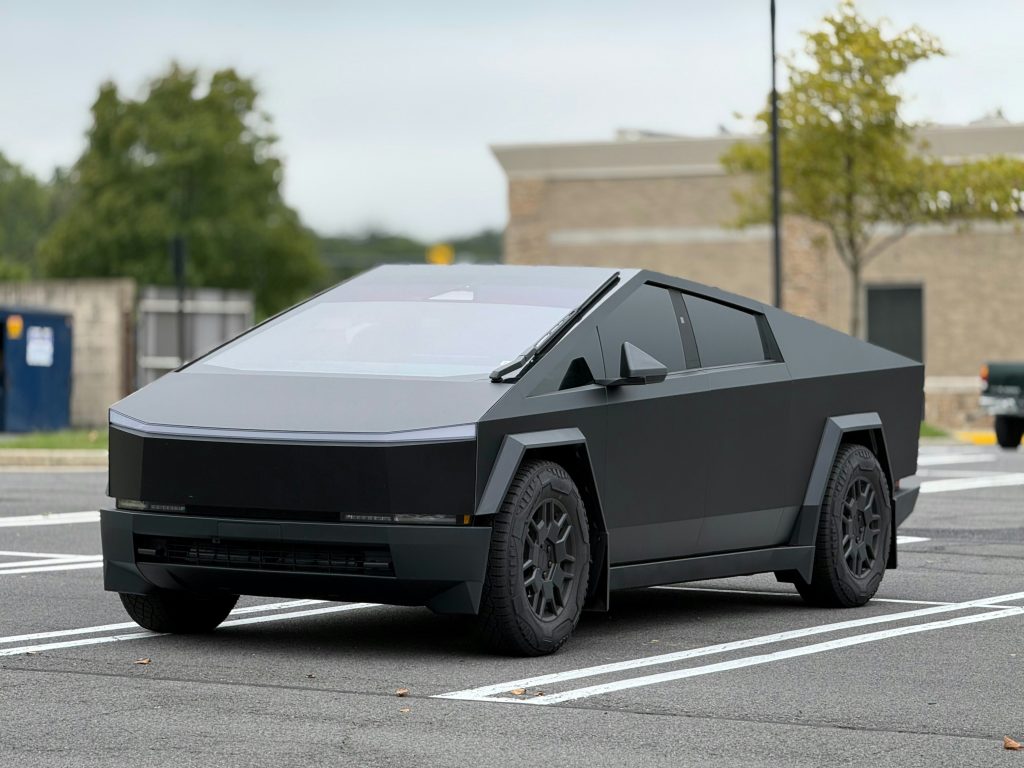
The vehicle faced practical and regulatory challenges as well. Its unusual exterior design restricted its prospects in overseas markets, particularly Europe, where pedestrian-impact requirements create obstacles for vehicles with sharp-edged structures.
That limited its potential customer base beyond North America. In the United States, Tesla also issued multiple recalls involving components such as accelerator pedals and exterior trim.
Reuters reported 11 Cybertruck recalls since the model went on sale, based on National Highway Traffic Safety Administration records. Repeated recalls can increase repair costs and create concerns among prospective buyers.
Competition added another challenge. Ford’s F-150 Lightning and Rivian’s R1T offered alternatives with more conventional pickup proportions, while traditional truck buyers continued to have a broad selection of gasoline and hybrid models.
Electric pickups have faced difficulties across manufacturers, particularly because of high purchase prices, towing-related range concerns, and charging access. The Cybertruck’s sales decline therefore reflects challenges affecting a wider segment, although its individual design and pricing decisions also shaped its market performance.
Tesla’s financial reporting makes it difficult to establish the pickup’s exact quarterly sales. The company groups Cybertruck deliveries with other vehicles in its Other Models category instead of publishing a separate figure. Its third-quarter 2026 investor update lists installed annual manufacturing capacity of more than 125,000 Cybertrucks in Texas.
However, installed capacity does not mean the factory is producing that number. Tesla notes that actual output depends on equipment uptime, component availability, factory upgrades, and other operating conditions.
Cybercab Becomes a Bigger Priority for Tesla
The space freed by the Cybertruck wind-down is intended for the Cybercab, Tesla’s two-seat autonomous vehicle designed without a steering wheel or pedals.
The company sees it as a central part of a future robotaxi network, in which vehicles could provide paid rides without a human driver. Tesla’s third-quarter 2026 update confirmed that Cybercab robotaxi rides began in Austin on September 3.
Tesla’s ambitions for the vehicle are substantial. Its third-quarter investor update lists more than 125,000 units of installed annual manufacturing capacity for Cybercab at Gigafactory Texas.
This is a capacity figure, not a production forecast or evidence that the company is already manufacturing vehicles at that rate. Tesla will need to increase output and establish that customers, regulators, and fleet operators are ready for a driverless vehicle designed specifically for commercial ride-hailing.
The commercial case remains uncertain. Reuters reported that paid rides had begun with a small Cybercab fleet in Austin, but the National Highway Traffic Safety Administration had opened an audit into the basis for Tesla’s self-certification of the vehicle’s compliance with federal motor vehicle safety standards.
A larger robotaxi operation will depend on regulatory acceptance, reliable autonomous driving, vehicle utilization, insurance arrangements, and the ability to respond to incidents. These requirements make the Cybercab’s path to growth different from that of a conventional vehicle sold to individual customers.
For Tesla, shifting factory resources reflects a change in where management expects future growth to come from. The company’s third-quarter update highlighted robotaxi operations, Optimus humanoid robots, and energy storage alongside its traditional vehicle business.
The Cybertruck line’s planned conversion fits this wider emphasis on artificial intelligence, robotics, and autonomous transportation. However, it also means Tesla is reducing attention on a product that once represented a major part of Musk’s public ambitions for its electric vehicle lineup.
The move raises questions for existing Cybertruck owners and prospective buyers, although Tesla has not announced that service support, parts availability, or software updates will end when production winds down.

Automakers generally continue supporting vehicles after production stops. Nevertheless, the size of the vehicle population can influence future parts availability, repair economics, and resale values.
Tesla’s next steps will be closely watched. The additional production shift is intended to clear outstanding orders before the Texas line is dismantled around June or July 2027. Whether the Cybertruck returns in another form or at another factory remains unknown.
Meanwhile, Cybercab must develop from a limited robotaxi deployment into a reliable commercial operation before the manufacturing shift can be judged by its results.
The Cybertruck’s planned wind-down marks a significant reversal from Tesla’s original volume ambitions. Its sales have fallen well below early targets, and the company is now prioritizing a vehicle tied to its autonomous-driving strategy.
But the transition carries risks because Cybercab still faces regulatory and operational hurdles, while the pickup’s long-term production future remains unresolved. Tesla is making room for its robotaxi ambitions, but the success of that shift will depend on turning Cybercab from a limited service into a scalable business.
