BMW is strengthening its electric vehicle supply chain by adding South Korean battery manufacturers Samsung SDI and LG Energy Solution as suppliers of its sixth-generation high-voltage batteries.
Under the new agreements, Samsung SDI will supply cells produced in Europe, while LG Energy Solution will provide cells manufactured in the United States. Deliveries are expected to begin in the late 2020s, supporting BMW’s next generation of electric vehicles.
The move is part of the automaker’s effort to source critical components closer to its vehicle production facilities, reduce logistical exposure, and diversify its battery procurement network.
Samsung SDI and LG Energy Solution Join BMW’s Gen6 Battery Network
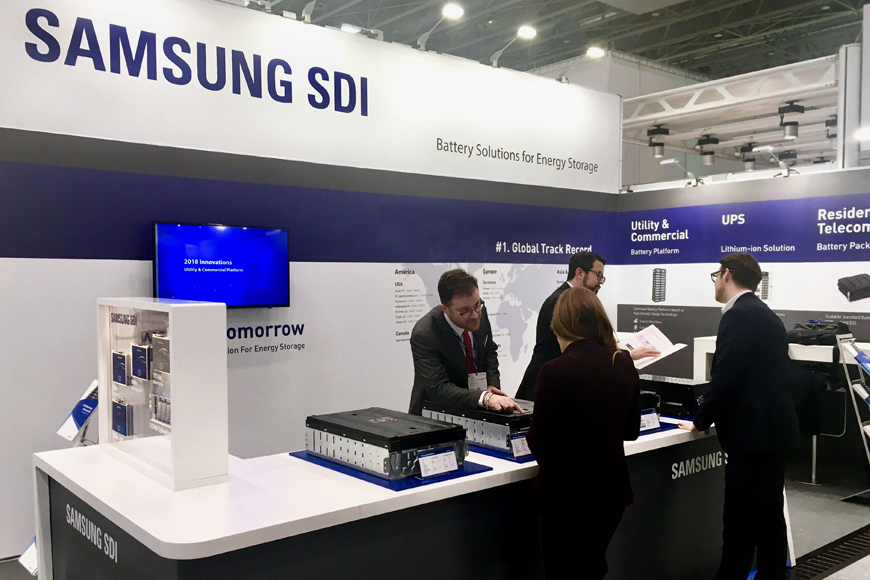
BMW has partnered with Samsung SDI and LG Energy Solution to provide battery cells for its sixth-generation (Gen6) high-voltage battery systems. These deals broaden the automaker’s battery supply network by adding more production sources across two major regions, Europe and North America.
The regional responsibilities are clearly divided. Samsung SDI will supply BMW from its established European manufacturing facilities, while LG Energy Solution will provide cells from its existing U.S. operations.
Both suppliers are expected to begin deliveries in the late 2020s. BMW has not disclosed the exact start dates, contract values, or annual supply volumes in its announcement.
The selection is significant because battery cells are among the most important and expensive components in an electric vehicle. They influence driving range, charging performance, vehicle weight, and battery-pack design.
Securing a dependable supply is therefore essential for an automaker preparing to increase production of its next-generation electric models.
Samsung SDI is not a completely new partner for BMW. The two companies have worked together for years, including under an earlier battery-cell supply agreement signed in 2019. The new arrangement extends that relationship into BMW’s Gen6 technology.
For Samsung SDI, supplying cells from Europe also strengthens its position in the regional electric vehicle manufacturing network.
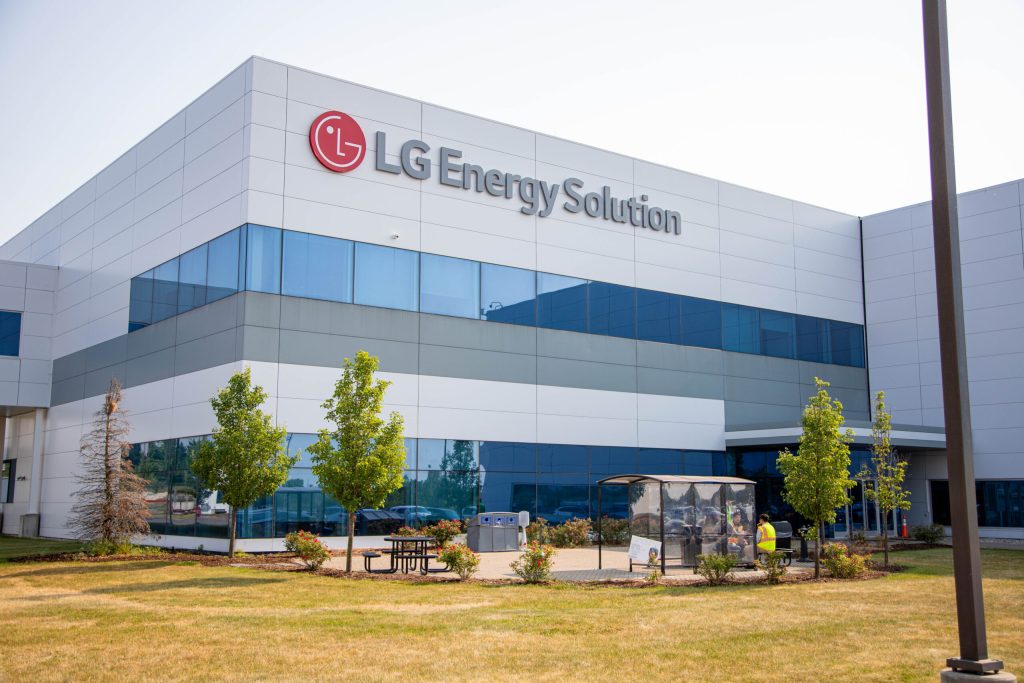
LG Energy Solution’s addition expands BMW’s access to battery production in the United States. The South Korean manufacturer already operates battery facilities in North America and has been investing in production capabilities for advanced cylindrical cells.
Its selection gives BMW another regional source as the automaker prepares for the next stage of its electric vehicle manufacturing plans.
However, the two agreements should not be interpreted as a complete replacement of BMW’s existing battery suppliers. The company will continue sourcing European-produced cells from CATL and EVE Energy, with Samsung SDI becoming an additional supplier in that market.
LG Energy Solution will join the U.S. supply network. This broader arrangement gives BMW more procurement options rather than concentrating its requirements with a single manufacturer.
The commercial details remain limited. BMW has not publicly identified the exact production volumes each supplier will handle, the individual vehicle models receiving their cells, or the value of either contract.
The company has confirmed the regional supply arrangements and the expected delivery period, but the full financial scale of the partnerships is not yet available.
BMW’s Local-for-Local Strategy Strengthens Regional Production
The supplier agreements are part of BMW’s local-for-local approach, which involves purchasing important components as close as practical to the locations where its vehicles are manufactured. Battery cells are particularly important to this strategy because they are heavy, require specialized transportation, and depend on complex international supply chains.
Producing cells within the same broad region as vehicle assembly can reduce transportation distances and improve coordination between suppliers and factories. It can also help manufacturers respond more effectively to changes in production schedules.
For BMW, adding Samsung SDI in Europe and LG Energy Solution in the United States creates a more regionally balanced sourcing structure.
The strategy also addresses supply-chain concentration risk. The global battery industry has a strong manufacturing presence in China, particularly across cell production and the processing of important battery materials.
Depending too heavily on a limited number of suppliers or regions can expose automakers to disruptions, trade restrictions, transportation difficulties, and changes in industrial policy.
BMW is not abandoning its existing international supplier relationships. Instead, it is adding more production partners in markets where it builds vehicles. This approach combines regional sourcing with a globally diversified network, giving the company flexibility when allocating battery-cell requirements across its operations.
The localization strategy also extends beyond the production of individual cells. BMW has established five Gen6 high-voltage battery assembly locations close to vehicle manufacturing facilities. These sites are in Irlbach-Straßkirchen in Germany, Debrecen in Hungary, Shenyang in China, Woodruff in South Carolina, and San Luis Potosí in Mexico.
This arrangement creates a regional production structure in which battery cells can be sourced from nearby suppliers, assembled into high-voltage battery systems, and delivered to vehicle factories without relying on unnecessarily long transportation routes.
The Woodruff facility is especially relevant to BMW’s U.S. manufacturing operations, while the German and Hungarian locations support its European production network.
The five assembly locations should not be confused with the cell-manufacturing plants operated by Samsung SDI and LG Energy Solution. BMW’s facilities assemble high-voltage battery systems, while the two suppliers manufacture the individual battery cells. Both stages are necessary, but they involve different production processes and responsibilities.
BMW says this regional infrastructure can strengthen local industrial value creation and support supply security. It also helps the company coordinate the movement of components between cell manufacturers, battery assembly operations, and vehicle plants.
The approach is particularly relevant as the automaker increases production of vehicles using its next-generation battery architecture.
There are still practical challenges. Building competitive battery supply chains requires substantial investment, reliable access to raw materials, skilled workers, and suitable local manufacturing conditions.
BMW has acknowledged that the development of regional battery ecosystems depends on long-term cooperation between automakers, suppliers, and governments. Its latest agreements represent another step in that process, rather than an immediate solution to every supply-chain challenge.
Gen6 Batteries Will Support BMW’s Next Electric Vehicle Generation
The new supplier partnerships are intended to support BMW’s sixth-generation high-voltage battery technology, which is associated with the company’s Neue Klasse electric vehicle platform. Neue Klasse represents a major change in BMW’s electric vehicle architecture, including its battery systems, electronics, and vehicle production approach.
Gen6 batteries are designed to improve important characteristics such as energy density, charging performance, and driving range. BMW has previously described the technology as a substantial step forward compared with its fifth-generation battery systems.
The company’s broader Gen6 development program includes new cylindrical cell technology and a different battery-pack integration approach.
Industry reporting has identified the Gen6 format as 46-millimeter cylindrical cells, replacing the prismatic cells used in BMW’s previous battery generation.
However, BMW’s November 9 supplier announcement does not specify the precise cell chemistry or format that each new supplier will deliver under its respective agreement. It is therefore important to distinguish the broader Gen6 technology program from the specific technical details of these two contracts.
The Neue Klasse platform is central to BMW’s future electric vehicle plans. The new generation of vehicles is expected to benefit from improvements in battery efficiency, charging capability, and electronic architecture.
Having multiple cell suppliers available in Europe and the United States will help BMW prepare its manufacturing network for the production requirements associated with this transition.
BMW is also investing in its own battery expertise rather than relying entirely on external manufacturers for technological development. The company operates the Battery Cell Competence Centre in Munich, where it investigates future cell technologies.
Its Cell Manufacturing Competence Centre in Parsdorf examines how battery cells can be produced efficiently and consistently, including the manufacture and testing of near-series cells.
A separate Cell Recycling Competence Centre in Salching focuses on recovering valuable materials from used battery cells and returning them to the production process. BMW’s direct recycling approach is intended to improve resource efficiency and support a more circular battery supply chain.
These facilities complement the company’s supplier relationships by allowing it to develop internal knowledge about cell design, manufacturing, and recycling.
The timing of the new partnerships is also important. Since deliveries are scheduled for the late 2020s, they are not expected to create an immediate change in the availability of BMW electric vehicles.
Their value will become more apparent as the automaker increases production of vehicles using Gen6 batteries and builds out its regional manufacturing network.
For Samsung SDI and LG Energy Solution, the agreements provide opportunities to expand their relationships with a major premium automaker. For BMW, they offer additional manufacturing capacity, greater regional sourcing flexibility, and another way to reduce dependence on a narrow supplier base.
The next major developments to watch will be the suppliers’ production preparations, BMW’s Gen6 manufacturing ramp-up, and the eventual disclosure of more specific delivery and vehicle-program details. The company has not announced contract values or volumes, so the full commercial impact remains uncertain.
BMW’s decision nevertheless signals that battery supply-chain localization is becoming a central part of its electric vehicle strategy. Rather than depending on a single manufacturing region, the automaker is building a network that connects cell suppliers, battery assembly plants and vehicle factories across major markets.
That structure could become increasingly important as BMW expands its next generation of electric vehicles in Europe and the United States.