

The U.S. used-car market is showing signs of recovery, with dealerships carrying more vehicles than at any point since the COVID-19 pandemic. However, the growing supply has not made every price category easier to shop.
CarGurus’ October 2026 market report shows that used-car inventory increased 4.8% year over year, while vehicles priced below $15,000 remained difficult to find.
At the same time, more listings are taking longer to sell, creating potential negotiating opportunities for buyers. These contrasting trends reveal a market where vehicle availability is improving, but affordability remains a major challenge for American consumers.
Used-Car Inventory Reaches Its Highest Level Since the Pandemic
The U.S. used-car market recorded a significant supply improvement in October 2026. According to CarGurus’ October Intelligence Report, used-vehicle inventory increased 4.8% year over year and 2.2% compared with September.
The increase pushed available stock to its highest level since the COVID-19 pandemic, indicating that more vehicles are returning to dealership lots after several years of supply constraints. However, the recovery is not evenly distributed across price ranges or vehicle ages.
One of the biggest contributors to the inventory increase was the supply of nearly new vehicles. Models three years old or younger accounted for approximately 60% of the year-over-year growth.
This suggests that more vehicles from leases and other late-model supply channels are reaching the used market. For shoppers who want relatively recent vehicles without paying new-car prices, the increase could provide more choices.
The change is important because the pandemic-era production slowdown created a shortage that affected the used market years after factories returned to normal operations. Automakers built fewer vehicles during the 2020-2022 period because of supply-chain disruptions and semiconductor shortages.
With fewer new vehicles entering the market, fewer cars were eventually available to become used inventory. Lower lease volumes during that period also reduced the number of vehicles returning to dealerships after their contracts ended.
The arrival of more late-model used vehicles suggests that some of those supply pressures are easing. CarGurus reported that vehicles three years old or younger accounted for 43% of used-vehicle sales in October, compared with 40.4% in October 2025.
Demand for this age group was approximately 11% higher than a year earlier, showing that buyers are responding to the additional availability.
Two-year-old vehicles also recorded stronger activity. Their sales increased 16% year over year, while listings rose 13%. This indicates that additional supply is finding buyers rather than simply accumulating on dealership lots.
CarGurus estimates that used-vehicle demand was 5.6% higher than in October 2025, supporting the view that the market is absorbing the larger inventory.
The total used-vehicle days supply stood at 50.4 days, essentially unchanged from the previous year. Days supply estimates how long existing inventory would last at the current sales pace if no additional vehicles arrived. A stable figure despite a larger inventory base suggests that demand has kept pace with the increase in available vehicles.
For buyers, this is a more encouraging market than the period when dealerships had fewer used vehicles to offer. More late-model choices can make it easier to compare mileage, equipment, condition, and prices.
However, the improvement should not be mistaken for a dramatic reduction in used-car costs. The most affordable part of the market continues to face a very different supply situation.
Vehicles Under $15,000 Remain Difficult to Find
The biggest problem in the October report is the continuing shortage of affordable used vehicles. While total inventory increased by nearly 5%, the share of listings priced below $15,000 fell 3% year over year.

In other words, the market is adding vehicles, but the increase is not reaching the price category that many budget-conscious shoppers need most.
This shortage is particularly important for first-time buyers, students, households looking for a second vehicle, and people who need basic transportation without taking on a large loan.
A vehicle priced below $15,000 can still require careful inspection and maintenance planning, but it offers an entry point for shoppers who cannot comfortably afford the average used vehicle.
CarGurus reported that vehicles priced below $15,000 had approximately 49 days of supply in October. That was the tightest supply among the price groups highlighted in the report. By comparison, vehicles priced at $50,000 or more had more than 60 days of supply.
The difference shows that shoppers looking for lower-priced vehicles face a more competitive market than buyers considering expensive used models.
The average used listing price also provides some context. It dropped below $30,000 for the first time in six months, reaching approximately $29,800 in October. That was 0.7% lower than September and 1.4% below the August peak of $30,200. Despite the recent decline, the average remained $985 higher than it was a year earlier.
This means that the modest monthly price reduction does not necessarily translate into improved affordability for everyone.
The average can be influenced by the mix of vehicles available. If more newer, higher-priced models enter the market, the average listing price may remain elevated even when some individual vehicles become cheaper.
The limited supply below $15,000 also means buyers may need to compromise on mileage, model year, equipment, or vehicle type. Someone searching for a low-mileage SUV from a popular manufacturer may find fewer suitable options than someone willing to consider an older sedan or a less sought-after model.
Shoppers should be careful not to let limited supply push them into purchasing a vehicle without proper checks. A low asking price does not automatically make a used car a good deal.
Buyers should review the vehicle history, check for accident damage, arrange an independent mechanical inspection, and compare the asking price with similar listings. They should also account for taxes, registration, insurance, and any repairs likely to be needed shortly after purchase.
The report suggests that affordable used vehicles are likely to remain a competitive segment even as inventory improves elsewhere. More supply in the three-year-old category is useful, but it does not solve the shortage facing people with budgets below $15,000.
Older Listings Are Taking Longer to Sell as Dealers Face Pricing Pressure
Another important finding from CarGurus’ October report concerns how long used vehicles remain advertised before selling. The average used vehicle spent 70.9 days on the market in October, an increase of 2.1 days from September.
That figure was approximately level with October 2025, following six consecutive months of increases. More importantly, 36% of used-car listings had been on the market for at least 60 days, up two percentage points from a year earlier.
The growing number of older listings suggests that not every vehicle is moving at the same pace. Popular, competitively priced models can attract buyers quickly, while vehicles with higher asking prices, less desirable configurations, or weaker demand may remain available for weeks.
The increase in inventory gives shoppers more options, but it also creates a challenge for dealers who need to manage aging stock.
CarGurus noted that franchised dealerships experienced a 3% year-over-year increase in days on market. That increase offset declines among independent dealerships and contributed to the wider market’s aging inventory.
Franchise dealers often carry newer used vehicles, certified pre-owned models, and trade-ins from their new-car operations. Their inventory mix can therefore behave differently from that of independent used-car retailers.
For dealerships, vehicles sitting for 60 days or longer can become a financial concern. Inventory ties up capital, and a vehicle that remains unsold may need a price adjustment to attract attention.
Dealers also have to consider depreciation, carrying costs, financing expenses, and the possibility that newer competing models will arrive before the older stock is sold.
The report’s findings could encourage more aggressive pricing on vehicles that have been sitting for extended periods. Shoppers may find opportunities by comparing listings with similar vehicles that have been available for several weeks.
However, a long listing period does not necessarily mean a vehicle has a mechanical problem. It may simply be overpriced or have a configuration that attracts fewer buyers.
The growing supply of nearly new vehicles also creates a different opportunity. Buyers who can afford to spend more than $15,000 may find a wider selection of relatively recent models, potentially including vehicles returning from lease agreements.
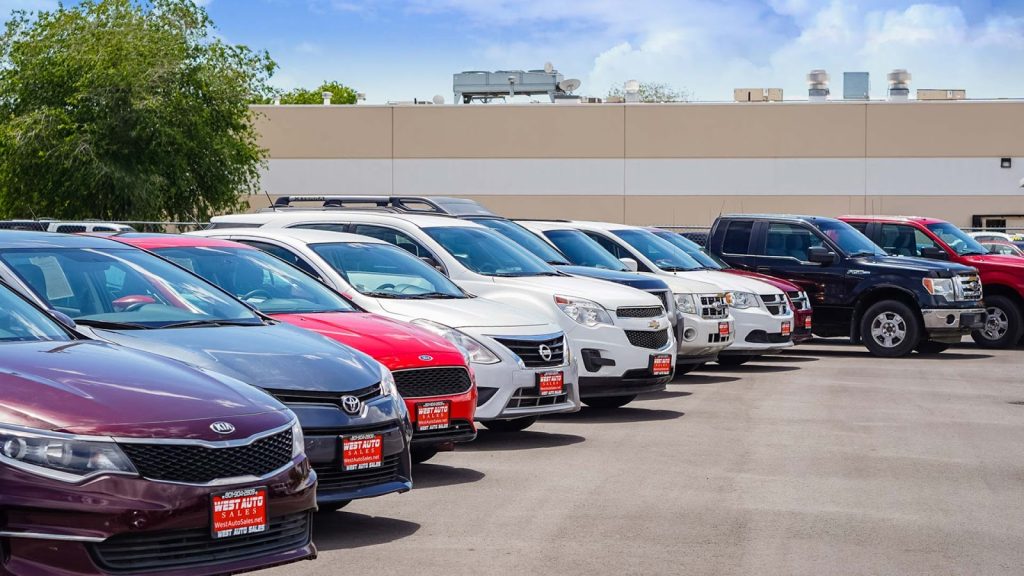
These cars can offer newer safety equipment and technology, although their condition, service history, and remaining warranty coverage still need to be checked.
For dealers, the message is to pay close attention to inventory age and pricing rather than assuming that a larger used-car market will automatically produce faster sales.
For consumers, the combination of rising inventory and more listings sitting for 60 days or longer could create negotiating opportunities, particularly outside the most affordable price category.
CarGurus’ October 2026 figures reveal a used-car market recovering in terms of vehicle availability but still struggling with affordability. Inventory has reached its highest level since the pandemic, yet the supply of vehicles below $15,000 continues to shrink.
With more than one-third of listings remaining on the market for at least 60 days, buyers may have greater negotiating power on certain vehicles, but shoppers with smaller budgets are unlikely to feel the full benefit of the inventory recovery.
