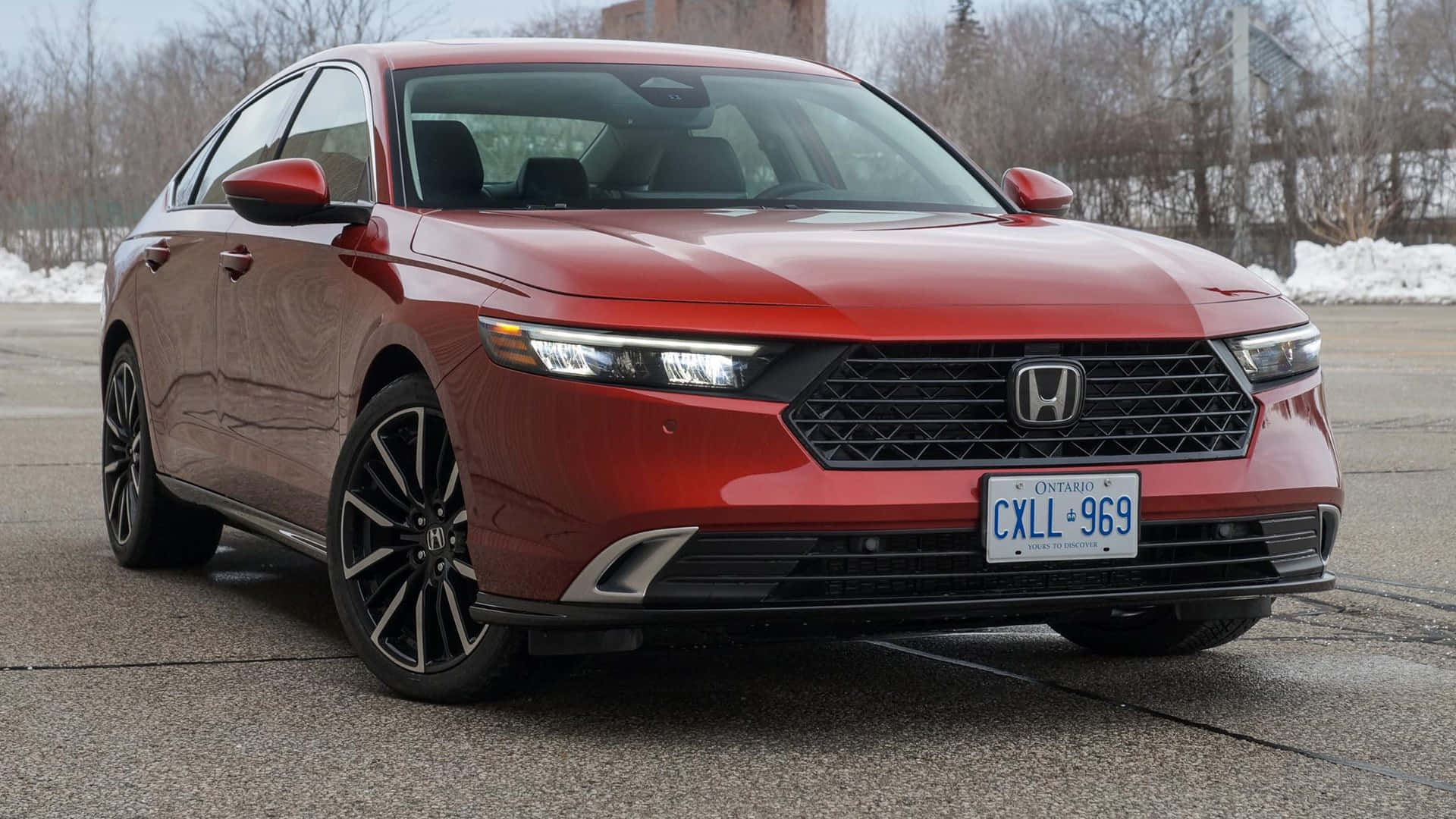
Honda is preparing a major expansion of its North American product lineup as it targets 1.6 million annual U.S. vehicle sales within five years. The goal represents a notable increase from the approximately 1.37 million vehicles the company expects to sell in 2026.
To support that growth, Honda is preparing updates to important models, including the Accord and CR-V, while the Element nameplate could also return. The company is pairing its product plans with a multibillion-dollar investment in American manufacturing and expanded hybrid production capacity.
Honda Sets a Five-Year Target of 1.6 Million U.S. Sales
Honda’s reported target of 1.6 million annual U.S. sales represents an increase of approximately 230,000 vehicles compared with the 1.37 million baseline cited for 2026. That would amount to roughly 17% growth over five years.
Reaching the goal will require the automaker to attract additional customers, maintain competitive pricing, expand production capacity, and keep its vehicles relevant as American buyers’ preferences change.
The target was reportedly shared with U.S. dealers during a meeting in Las Vegas on November 11, 2026. MarkLines reported the plan on November 13, alongside details about several upcoming Honda products.
The 1.6-million figure should be understood as a reported business target from the dealer meeting, rather than a detailed public forecast with confirmed annual milestones.
Honda already has a broad presence in the United States, with vehicles ranging from the Civic and Accord sedans to the CR-V, Pilot, Passport, Odyssey, and Ridgeline. The CR-V is especially important to its sales performance. Honda says the model is America’s best-selling SUV and is on pace to exceed 400,000 U.S. sales for the third consecutive year in 2026.
Hybrid technology is becoming increasingly important to the company’s strategy. Honda says hybrid versions now account for more than half of CR-V sales, while hybrids represent approximately 30% of Honda brand sales. The next-generation CR-V will be the first of several new hybrid models planned for North America by 2030.
The challenge is to grow sales across different vehicle categories while responding to competition from Toyota, Hyundai, Kia, and other manufacturers.
The Accord update is intended to maintain Honda’s presence in the midsize sedan market, while the CR-V will continue serving compact SUV buyers. A possible Element revival could give the company another product with a distinctive identity.
Updated Accord, Hybrid-Only CR-V, and a Possible Element Revival
One upcoming product discussed at the dealer meeting was a refreshed Honda Accord. The updated sedan is expected to arrive in the second half of 2027. Dealer-preview reports describe a revised exterior, including a redesigned front end and slimmer headlights, giving the car a more modern appearance.
The Accord competes against vehicles such as the Toyota Camry, Hyundai Sonata, and Kia K5. Although SUVs account for a large share of U.S. new-vehicle demand, the Accord remains important for buyers who prefer a traditional four-door car.
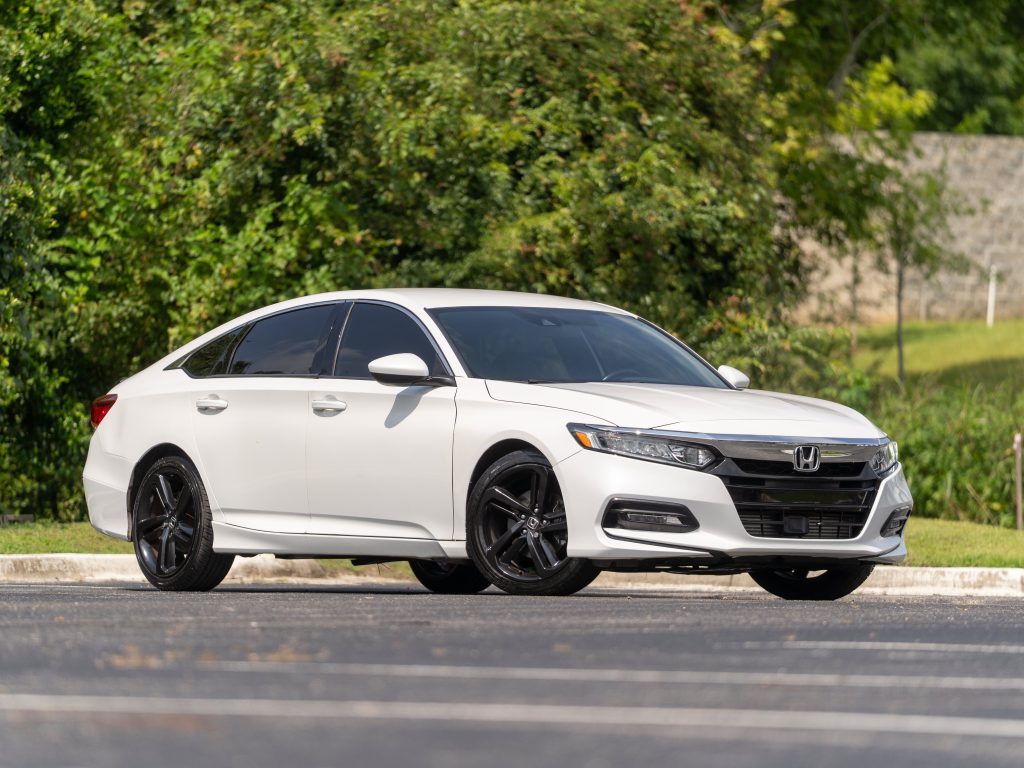
A refreshed design could help Honda maintain interest in the sedan without requiring a complete generational change.
Honda has not released official photographs, pricing, or full specifications for the updated Accord. Reports about its styling are based on information shared with dealers, so final production details may differ.
The current Accord is offered with gasoline and hybrid powertrains, but Honda has not confirmed whether the refresh will bring changes to either system.
The next-generation CR-V is a more firmly confirmed part of the plan. Honda announced on November 12 that the seventh-generation SUV will arrive in 2027 as a 2028 model. It will use a new platform and an updated two-motor hybrid system, with a hybrid power standard across the North American lineup.
Honda is targeting a fuel-efficiency improvement of more than 10% for the next-generation hybrid. The new platform is being developed to combine greater body rigidity with lower weight, while a redesigned electric all-wheel-drive unit is intended to provide more precise motor control.
Final horsepower, torque, pricing, and EPA fuel-economy figures have not yet been announced.
The move to an all-hybrid lineup is significant because it removes the conventional gasoline-only version from the North American CR-V range. Honda says hybrid models already account for more than 50% of current CR-V sales, giving the company a commercial reason to make electrification standard on the next generation.
The most unexpected vehicle mentioned in dealer-meeting reports was the possible return of the Honda Element.
The original Element arrived for the 2003 model year with a boxy exterior, a practical cabin, and rear-hinged rear doors that opened alongside the front doors. Its unusual shape helped it stand apart from conventional compact SUVs. Production ended in 2011.
According to reports from dealers who attended the meeting, Honda showed a silhouette of a potential new Element. The preview reportedly retained the original model’s squared-off proportions and rear-hinged door arrangement.
Automotive News reporting cited by other publications has suggested that production could begin in the second quarter of 2029. Honda has not publicly confirmed a production date, final design, powertrain, or specifications for a revived Element.
If it returns, the Element could give Honda a more distinctive entry in the crossover market. The original appealed to buyers seeking practical cargo space and unconventional styling.
A modern version could target customers interested in outdoor activities and flexible interior arrangements. However, suggestions that the new model will use hybrid power remain unconfirmed.
A $3 Billion Ohio Plant Will Support Honda’s Growth Plans
Honda’s sales ambitions are backed by a major investment in American manufacturing. On November 10, the company announced plans to invest approximately $3 billion in a new automobile plant in central Ohio.
The facility is expected to create more than 2,000 jobs and add annual production capacity of up to 240,000 vehicles. Production is planned to begin in 2029, subject to the required approvals.
The new factory forms part of a wider investment program covering Honda’s existing operations in Ohio, Alabama, and Georgia. The company intends to strengthen its manufacturing network for hybrid vehicles, engines, and powertrain components as it expands its electrified lineup.
Honda also plans to increase hybrid powertrain production capacity at its Ohio transmission plant by 250% in the coming years. The facility is being retooled to manufacture next-generation hybrid systems for compact, midsize, and larger vehicles.
Its Anna Engine Plant in Ohio is preparing to produce a new four-cylinder Atkinson-cycle engine for future hybrid applications.
An Atkinson-cycle engine is designed to improve efficiency, making it suitable for hybrid systems where electric motors can assist with acceleration and low-speed driving.
In Honda’s two-motor arrangement, the gasoline engine and electric motors work together under the control of the hybrid system. Local production of these components can help coordinate engine and powertrain supply with vehicle assembly.
Honda says the new vehicle plant will increase its U.S. automobile production capacity to approximately 1.3 million vehicles annually. Its North American production capacity is expected to reach around 1.9 million units when the broader investments are considered. These are manufacturing-capacity figures, not retail sales forecasts.
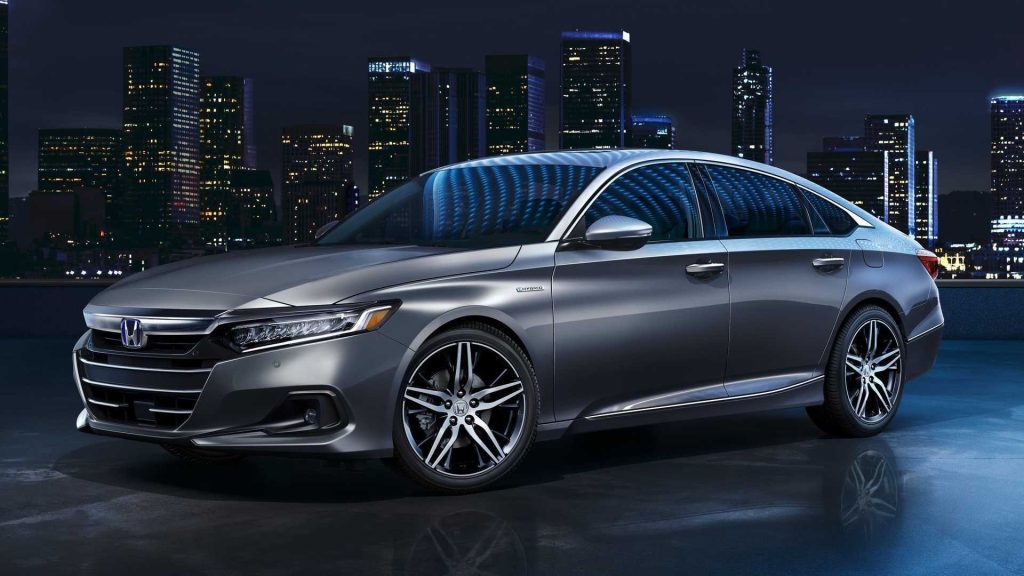
The timing is relevant to Honda’s future product plans. The new factory is scheduled to begin production in 2029, around the period when reports suggest a revived Element could enter production. However, Honda has not identified which specific models will be assembled at the new facility, so the plant should not yet be directly associated with that vehicle.
Ultimately, Honda’s 1.6-million sales target will depend on more than new model launches. Vehicle pricing, financing costs, consumer demand, dealer inventory, production efficiency, and competition will all influence whether the company reaches its goal.
The automaker must also ensure that its hybrid models offer meaningful efficiency and value as rival brands expand their own electrified lineups.
The updated Accord and seventh-generation CR-V are the more clearly established parts of Honda’s near-term product strategy. The element remains a reported possibility that needs formal confirmation.
Combined with the planned Ohio investment and expanded hybrid manufacturing, these developments show how Honda intends to grow its U.S. business over the next five years.