
Mercedes-Benz plans to launch two advanced driver-assistance technologies in the United States in 2027, namely Hands-Free Highway Assist and MB. DRIVE ASSIST PRO.
Announced on November 16, the systems are designed to reduce the workload of highway and urban driving, with one allowing drivers to remove their hands from the steering wheel on eligible controlled-access roads and the other supporting navigation-guided journeys through more complicated traffic.
A limited early-access program will begin in California in December 2026. The announcement puts Mercedes-Benz into a growing U.S. market for advanced driver assistance, but both technologies remain Level 2 systems that require an attentive driver.
Mercedes-Benz Sets a 2027 U.S. Rollout for Two Driver-Assistance Systems
Mercedes-Benz says Hands-Free Highway Assist will become available on eligible U.S. highways in spring 2027. The system will allow drivers to take their hands off the steering wheel under certain conditions, at speeds of up to 85 mph.
It is intended for controlled-access highways and requires the vehicle’s Distance Assist DISTRONIC adaptive cruise control to be active.
It manages steering, acceleration, and braking and can work with Proactive Lane Change Assist to change lanes when conditions permit, such as passing a slower vehicle or positioning for an upcoming highway exit.
The second technology, MB. DRIVE ASSIST PRO, is a point-to-point driver-assistance system. Rather than concentrating only on highway cruising, it is designed to support a journey along an active MBUX Navigation route, including situations encountered after leaving a highway.
Mercedes says it can assist with lane changes, merging, selecting the correct lane, turning at intersections, and stopping or moving away at traffic lights.
The distinction is important, as Hands-Free Highway Assist allows hands-free driving on eligible highways, while MB. DRIVE ASSIST PRO supports a wider range of routes, including city streets. However, its point-to-point capability does not mean it offers hands-free driving in urban areas.
Mercedes plans to begin the commercial U.S. rollout of MB DRIVE ASSIST PRO in 2027. Before the wider introduction, selected customers in California will be invited to an Early Access Program beginning in December 2026. Participants will be able to try both systems ahead of the broader rollout.
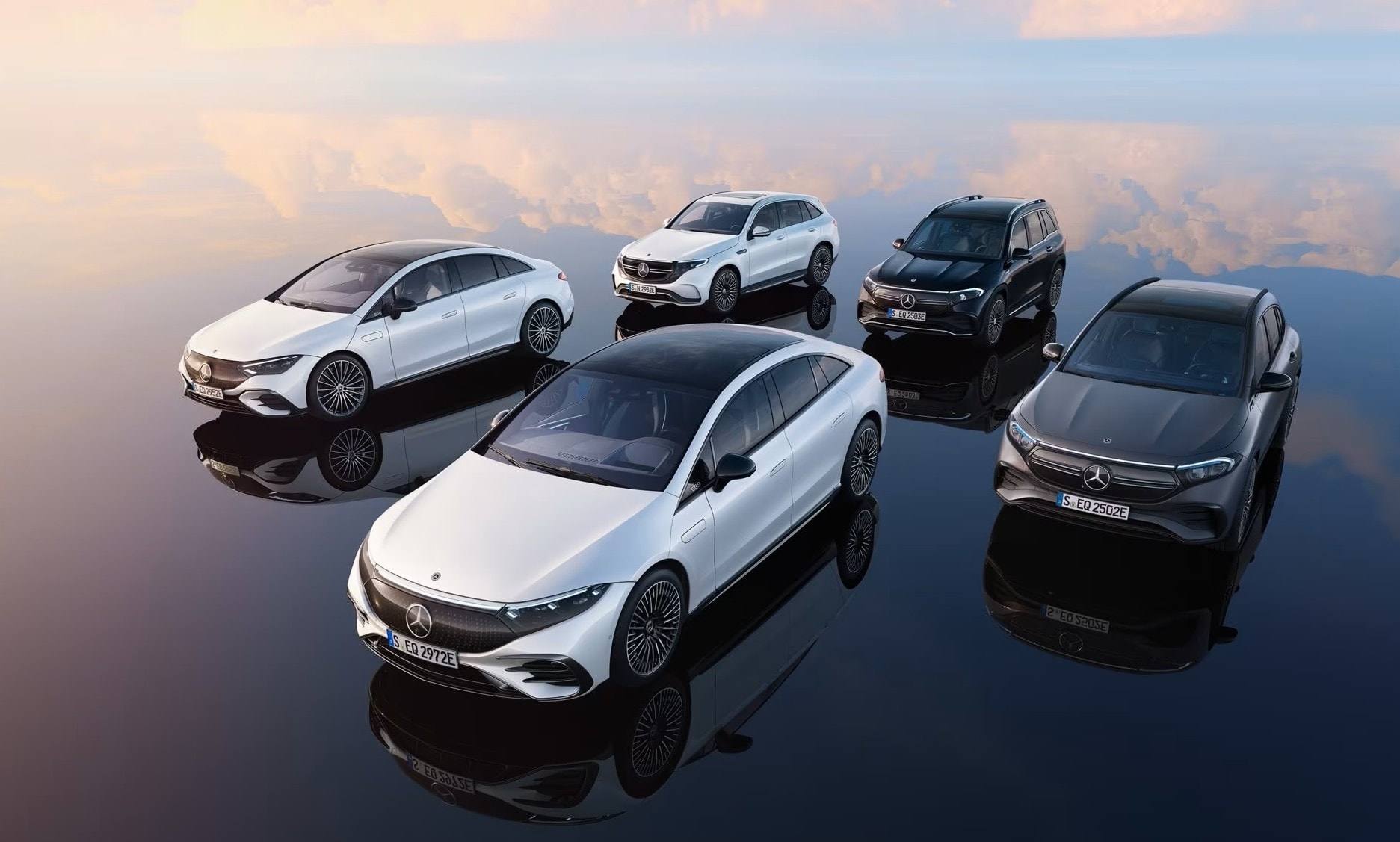
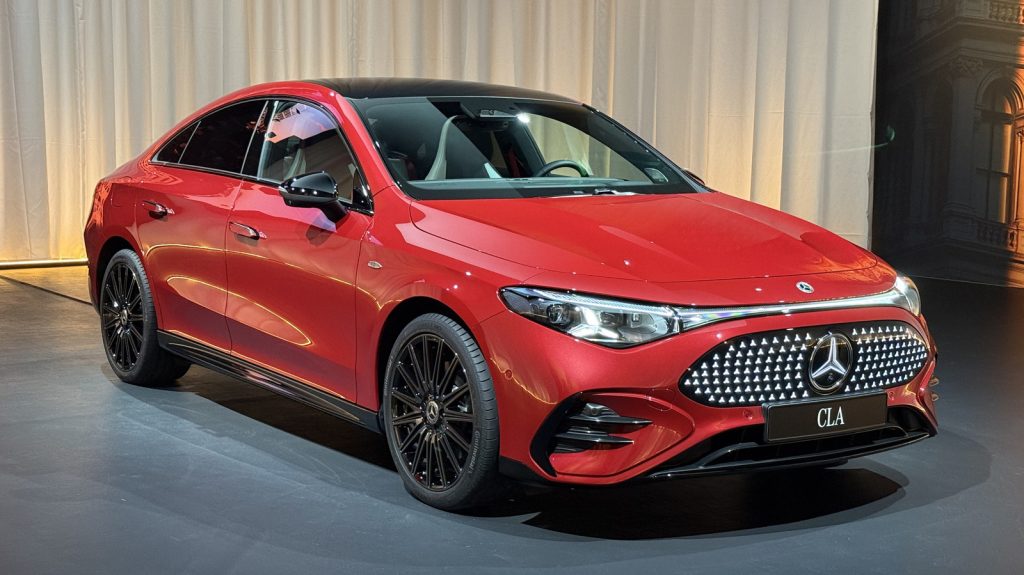
The early-access program is limited to selected owners and lessees of eligible vehicles. Mercedes lists the 2026 and 2027 CLA Electric Sedan, 2027 GLC Electric SUV, S-Class Sedan, GLE SUV and GLE Coupe, and GLS SUV among the vehicles involved. The exact availability of each function depends on model, equipment, and software eligibility.
Required hardware is already installed in certain 2027 vehicles, including the CLA Electric, GLE, GLS, and S-Class. More U.S. models are expected to receive it from model year 2028.
How Hands-Free Highway Assist and MB work. DRIVE ASSIST PRO Work
Hands-Free Highway Assist is designed for controlled-access highways where traffic moves in a relatively predictable direction and opposing traffic is separated. When the required conditions are met, the driver can remove their hands from the steering wheel while the system supports steering, braking, and acceleration.
Its stated operating speed reaches up to 85 mph, although actual availability depends on road conditions, vehicle status, and system limitations.
Proactive Lane Change Assist adds another layer of support. When the system determines that conditions allow a maneuver, it can initiate a lane change to pass a slower vehicle or follow the navigation route.
Drivers must still monitor the road and be prepared to intervene. The system does not give the vehicle permission to make every maneuver independently or remove the driver’s responsibility.
MB. DRIVE ASSIST PRO uses a wider range of sensors and software to support driving beyond the highway. With route guidance active in the MBUX Navigation system, the driver can activate the feature using a steering-wheel button.
Mercedes says it can then assist through everyday traffic situations, including highway exits, lane changes, merges, intersections, and traffic lights.
The system features a 27-component sensor suite comprising 10 cameras, five radar sensors, and 12 ultrasonic sensors. According to Mercedes-Benz, a high-performance computer processes the collected data at speeds of up to 254 trillion operations per second (254 TOPS).
MB.OS provides the software foundation, connecting vehicle functions, sensors, and computing while allowing improvements through over-the-air updates.
Despite the advanced hardware, both new features are classified as SAE Level 2 driver assistance. This means the driver remains responsible for the driving task, must pay attention, and must be ready to take control whenever necessary.
Hands-free operation does not mean eyes-off driving. Drivers cannot use the system as permission to read, sleep, use a phone, or stop monitoring traffic.
That distinction is especially important because the term hands-free can be misunderstood. It refers to the driver’s ability to remove their hands from the steering wheel within the system’s permitted operating conditions. It does not turn the vehicle into an autonomous taxi or make the driver a passenger.
Eligible Mercedes Models, Early Access, and the Competition
The December 2026 Early Access Program will initially operate in California, giving selected customers a chance to use the systems before the wider U.S. introduction.
The eligible vehicles named by Mercedes include the 2026 and 2027 CLA Electric Sedan and 2027 GLC Electric SUV, as well as the S-Class Sedan, GLE SUV and Coupe, and GLS SUV.
The company says certain 2027 models already contain the necessary hardware for MB. DRIVE ASSIST PRO. More models are expected to gain the required equipment from model year 2028.
Hardware compatibility is essential, as vehicles without the necessary sensors, wiring, and computing components cannot gain the feature through a software update alone. Eligible vehicles can activate MB. DRIVE ASSIST PRO through the Mercedes-Benz Store, with the feature delivered via an over-the-air update.
The company plans to offer flexible purchase options for the feature, including one-year and three-year subscription periods, as well as other purchase choices depending on the vehicle. U.S. pricing has not been announced. Buyers should therefore wait for the final terms before assuming the system will be included at no additional cost.
Mercedes is entering a market where several automakers already offer hands-free highway assistance. General Motors has Super Cruise, Ford offers BlueCruise, and some Tesla vehicles provide driver assistance through Full Self-Driving (supervised).
The systems differ in their operating areas, driver-monitoring requirements, supported manoeuvres, and subscription arrangements, so their capabilities cannot be compared simply by whether they allow hands-free driving.
Mercedes’ announcement is notable because it combines a highway-focused hands-free feature with a separate navigation-guided assistance system designed to cover more of an everyday journey.
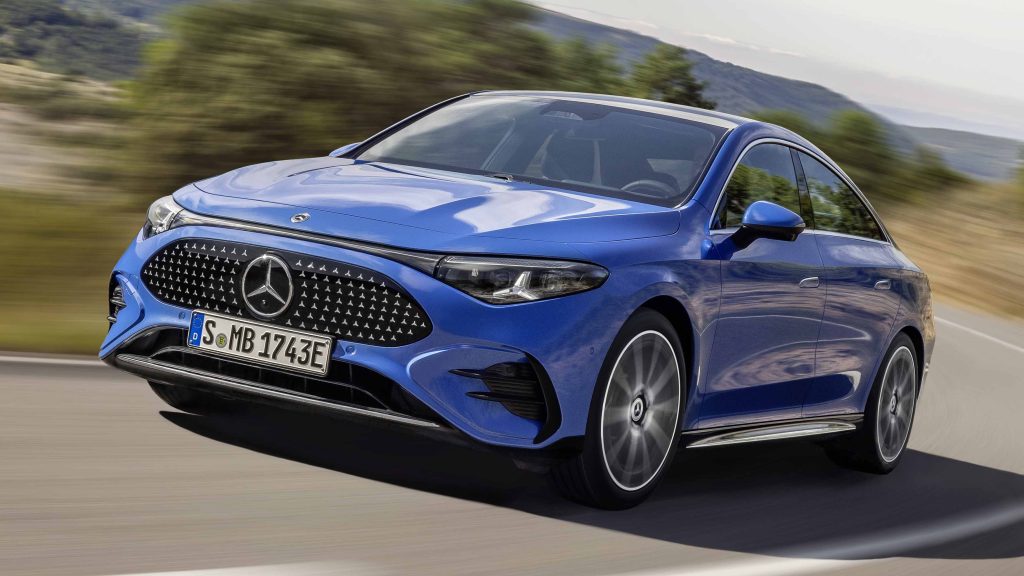
The company says MB. DRIVE ASSIST PRO will be introduced in the United States, Germany, and China, extending a technology that has already been available in China on the new CLA.
Availability will depend on vehicle eligibility, software readiness, and approved roads. The 85-mph figure is a maximum under specified conditions, not a guarantee of hands-free operation at that speed on every highway.
For Mercedes, the 2027 introduction is an important step in expanding its driver-assistance portfolio. Hands-Free Highway Assist targets the repetitive work of highway travel, while MB.D DRIVE ASSIST PRO is intended to support more complicated route segments.
Both could make driving less demanding, but neither removes the need for an attentive person behind the wheel. The California early-access program will provide the first U.S. customers with a chance to experience the systems before Mercedes begins its broader rollout.
