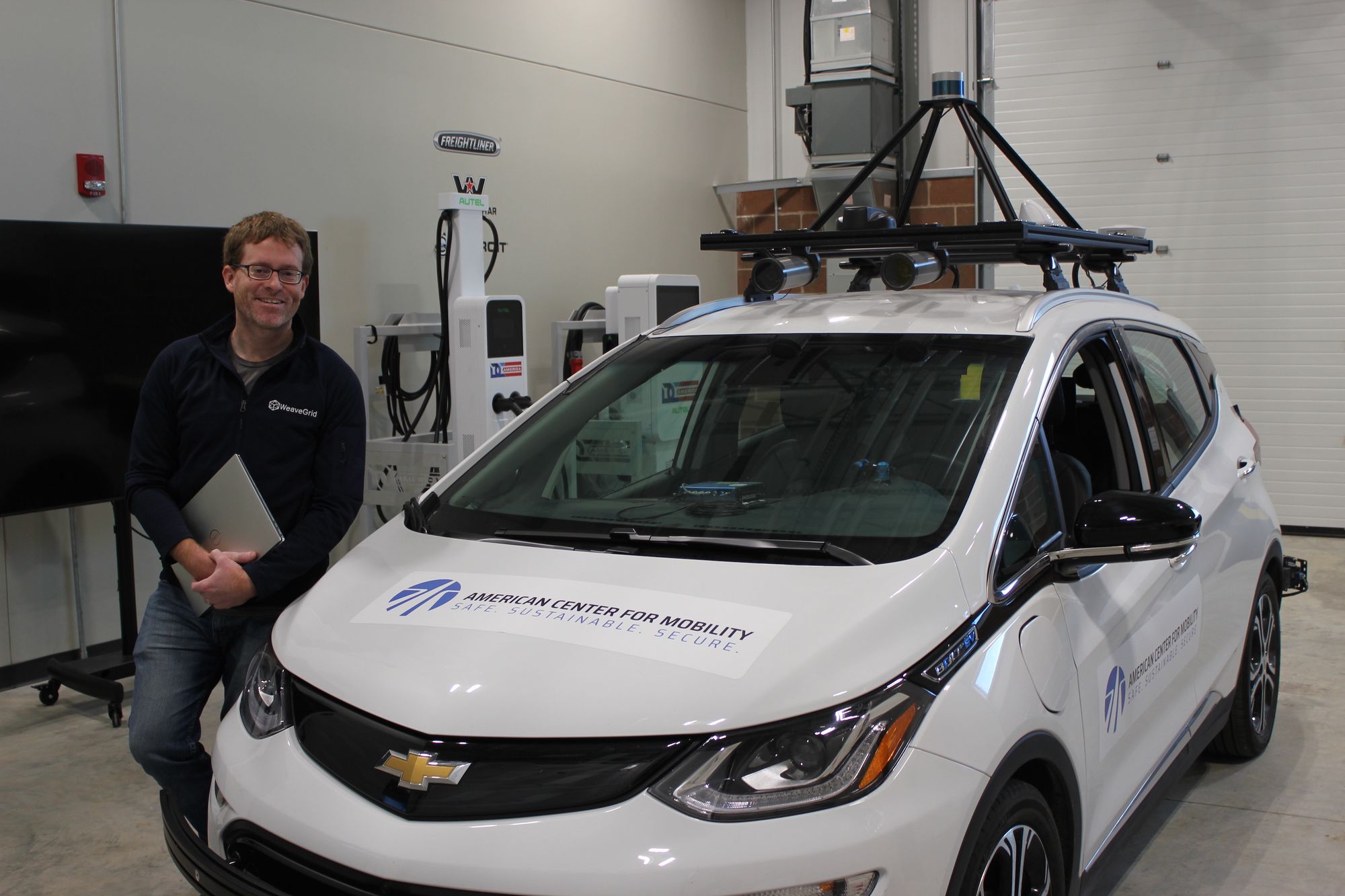
Hyundai Motor Group is partnering with a U.S. energy software company. WeaveGrid to make electric vehicle charging more efficient across North America.
Announced on November 12, 2026, the agreement will connect Hyundai and Kia electric vehicles with utility energy programs, beginning with software that schedules charging during cheaper electricity periods.
Drivers will be able to set their preferred departure times and battery-charge targets through the automakers’ smartphone applications.
The longer-term plan includes vehicle-to-grid technology, which could allow compatible EVs to send stored electricity back to the power network. The partnership reflects growing interest in using electric vehicles to support a more flexible electricity system.
How the WeaveGrid Partnership Will Change EV Charging
The first stage of the partnership will focus on managed charging. Instead of charging immediately whenever a vehicle is plugged in, the software will help determine the most suitable time to draw electricity from the grid.
Drivers will be able to set a preferred departure time and the battery level they want before leaving. The platform will then schedule charging around those requirements, taking electricity prices and local grid conditions into account.
For example, someone who plugs in an EV at 7 p.m. but does not need it until 7 a.m. may not need the battery to start charging immediately. If electricity rates are lower later at night, the system could delay charging until that period.
The vehicle would still be prepared for the driver’s planned departure, but its charging activity would be shifted to a potentially cheaper window.
This type of system is known as managed charging, or V1G. It controls when electricity flows into an electric vehicle without sending energy back to the power network. That distinction is important because the initial service is designed to adjust charging schedules, not turn customer vehicles into electricity suppliers.
The service is expected to be accessible through the myHyundai and Kia Access smartphone applications. Using these existing customer platforms could make enrollment and everyday operation easier than requiring drivers to manage a separate energy application.
The companies intend to connect vehicle information with WeaveGrid’s software so charging can be coordinated with participating utility programs.
For drivers, the main attraction could be lower electricity costs. Some U.S. utilities offer time-of-use electricity plans, charging different rates depending on the time of day. Electricity may be cheaper overnight, when household and commercial demand is lower.
Automatically shifting EV charging into those periods could help owners make better use of their electricity plans.
There may also be benefits for local electricity networks. When many drivers arrive home and plug in their vehicles during the evening, charging can add pressure to neighborhood distribution equipment. Moving some of that demand to quieter periods can help utilities manage electricity consumption more evenly.
However, savings will not be identical for every customer. They will depend on the local utility, electricity tariff, charging habits, and availability of lower-priced periods.
The companies have not announced a guaranteed reduction in charging bills, a nationwide launch date, or a subscription price. Availability will also depend on participating utility programs and vehicle eligibility.
Vehicle-to-Grid Technology Is the Next Major Step
The longer-term objective is to introduce vehicle-to-grid technology, commonly called V2G. Unlike managed charging, which only changes when a vehicle receives electricity, V2G allows a compatible electric vehicle to send stored energy back to the power network.

The technology could turn parked EVs into distributed energy storage. A vehicle may remain connected to a charger for several hours while its owner is at work or asleep.
If the vehicle, charger, and utility system support bidirectional power transfer, some of the stored electricity could be supplied to the grid when demand is high. The vehicle could then recharge during a more suitable period.
This arrangement could benefit both drivers and electricity providers. Owners may eventually receive financial incentives for allowing utilities to access a portion of their battery capacity. Utilities, meanwhile, could gain another resource for managing periods of high demand without depending entirely on additional power generation or stationary battery installations.
The opportunity is becoming more relevant as electricity consumption grows. Electric vehicles, data centers, industrial facilities, and household electrification are placing new demands on power networks.
Flexible charging and energy storage could help utilities balance that demand, particularly as renewable energy sources become a larger part of electricity supply.
Hyundai Motor Group already has experience with technologies that allow EV batteries to supply electricity outside the vehicle. Its vehicle-to-load system, available on selected models such as the Hyundai IONIQ 5 and Kia EV6, can power external electrical equipment. The Kia EV9 has also demonstrated home backup power capabilities.
However, these features should not be confused with a full utility-connected V2G service. Vehicle-to-load allows an owner to power equipment directly, while V2G requires a compatible vehicle, bidirectional charging equipment, utility approval, and arrangements for sending electricity into the grid.
Hyundai Motor Group says its E-GMP electric vehicle platform was designed with bidirectional charging capabilities in mind. The partnership with WeaveGrid is intended to build on this technical foundation and develop services that connect compatible vehicles with energy providers.
Several practical questions remain unanswered. The companies have not confirmed which Hyundai and Kia models will qualify for the first V2G programs, whether owners will need additional charging equipment or when electricity-export services will become available. They have also not disclosed how customer incentives or payments would be calculated.
Battery management will be another important consideration. Drivers will need control over how much energy remains available for their journeys, while any grid-support program must account for battery requirements and customer charging preferences.
These details will help determine whether V2G becomes a useful ownership benefit or remains limited to selected pilot projects.
What the Agreement Means for Hyundai, Kia, and U.S. Utilities
The agreement gives Hyundai and Kia a specialist technology partner for connecting their electric vehicles with American electricity providers. WeaveGrid develops software that helps utilities coordinate EV charging with local power-network requirements.
Its systems are designed to manage demand across electricity distribution networks, including the equipment that supplies neighborhoods and individual properties.
WeaveGrid says its existing utility programs support providers serving more than half of the electric vehicles in the United States. Its relationships include companies such as Pacific Gas and Electric, Southern California Edison, Xcel Energy, Ameren Illinois, CPS Energy, and Salt River Project.
These existing connections could help provide a foundation for expanding the new Hyundai and Kia service across different regions.
However, this does not mean every customer of those utilities will automatically be eligible. Participation will depend on the utility’s program, location, and vehicle requirements. A customer may need to live within a participating service area and meet specific enrollment conditions before using the platform.
The partnership also builds on an existing relationship between the companies. Hyundai Motor Group made a strategic investment in WeaveGrid in January 2025. The November 2026 announcement takes that relationship further by outlining plans to connect Hyundai and Kia vehicles with energy services through their customer applications.
The agreement also supports Hyundai Motor Group’s wider plans for vehicle-to-everything energy services. In July 2026, the group introduced AllDayEnergy, a global identity covering services such as smart charging, vehicle-to-grid, and vehicle-to-home technology.
The strategy involves introducing managed charging before expanding into more advanced bidirectional services as the technology and local energy markets develop.
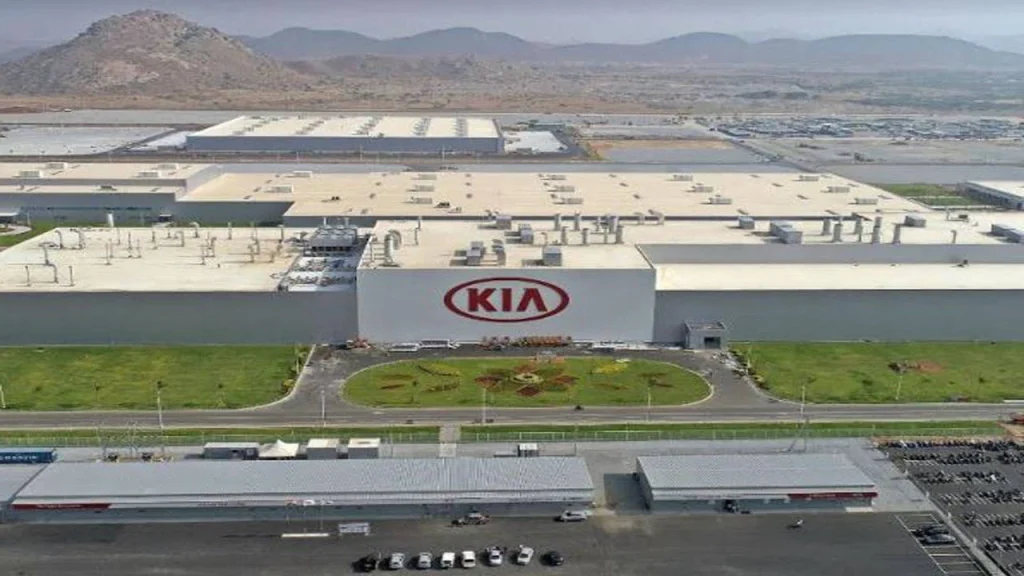
For Hyundai and Kia, the partnership could make charging convenience an increasingly important part of the EV ownership experience. Buyers may eventually consider not only driving range and charging speed but also how easily their vehicles can work with home energy systems and utility programs.
For now, the main priority is to help owners manage their charging schedules more efficiently. However, the companies have yet to confirm the rollout timeline, eligible vehicle models, participating utilities, and any additional equipment needed. Until these details are announced, the service should not be considered available nationwide.
The longer-term opportunity is more ambitious. If the planned V2G services become commercially practical, compatible Hyundai and Kia vehicles could do more than consume electricity. They could also contribute stored energy when the grid needs support, creating potential benefits for drivers and utilities.