

Terawatt Infrastructure is expanding its U.S. electric vehicle charging network with four new commercial fleet depots in California, Tennessee, Florida, and Texas. Announced on November 12, 2026, the expansion adds approximately 22 megawatts of dedicated charging capacity, which the company says is sufficient to serve more than 3,000 vehicles daily.
The facilities are located in South San Francisco, Nashville, Miami, and Dallas, targeting areas with growing demand for commercial and autonomous electric fleets.
The development also draws attention to an often overlooked aspect of EV adoption, which is the need to establish charging infrastructure that allows high-utilization fleets to remain operational throughout the day.
Four New Depots Add Nearly 22 MW of Charging Capacity
Terawatt’s latest expansion covers four metropolitan markets where commercial electric vehicle operations are developing. Rather than building conventional public charging stations for individual drivers, the company focuses on dedicated facilities designed around the requirements of fleet operators.
The four sites have a combined announced capacity of approximately 22 MW. Their individual capacities are 6.6 MW in South San Francisco, 4.5 MW in Nashville, 3.5 MW in Miami, and 7 MW in Dallas. Together, the facilities provide approximately 21.6 MW, rounded to 22 MW in the company’s announcement.
The largest location is in Dallas, near Dallas/Fort Worth International Airport. Its 7 MW capacity is intended to support a commercial fleet operator. The location provides access to a major transportation and logistics area, making it relevant to businesses operating vehicles across the metropolitan region.
South San Francisco is the second-largest facility, with 6.6 MW of charging capacity. Located near San Francisco International Airport, it supports one fleet’s operations in the Bay Area.
Terawatt says it completed construction ahead of schedule and reduced development costs by six figures through changes to its site-energisation process and coordination with Pacific Gas & Electric Company.
The Nashville depot provides 4.5 MW of capacity and is located near Nashville International Airport. It supports local fleet operations, adding dedicated charging infrastructure in another growing metropolitan market.
Miami’s 3.5 MW facility is located in the Design District and Wynwood area. It is intended to support a commercial fleet operator, with operations scheduled to begin during the fourth quarter of 2026.
There is an important distinction in the opening schedule. South San Francisco and Nashville are operating, while Miami and Dallas were announced as upcoming sites expected to go live during the fourth quarter.
Therefore, the full 22 MW represents the combined capacity of the four-site expansion, rather than capacity already operating at all four locations on November 12.
Terawatt estimates that the combined facilities can serve more than 3,000 vehicles per day. This is a company-reported operational estimate, not a guarantee that every depot will charge that number of vehicles daily.
Actual throughput depends on vehicle battery sizes, charging requirements, dwell times, and fleet schedules.
Why Commercial Fleets Need Dedicated Charging Depots
Commercial electric fleets have different charging requirements from privately owned electric cars. A personal vehicle may remain parked overnight, allowing its owner to recharge at home. Fleet vehicles often operate on fixed schedules, complete multiple trips, and return to a central location before beginning their next assignments.
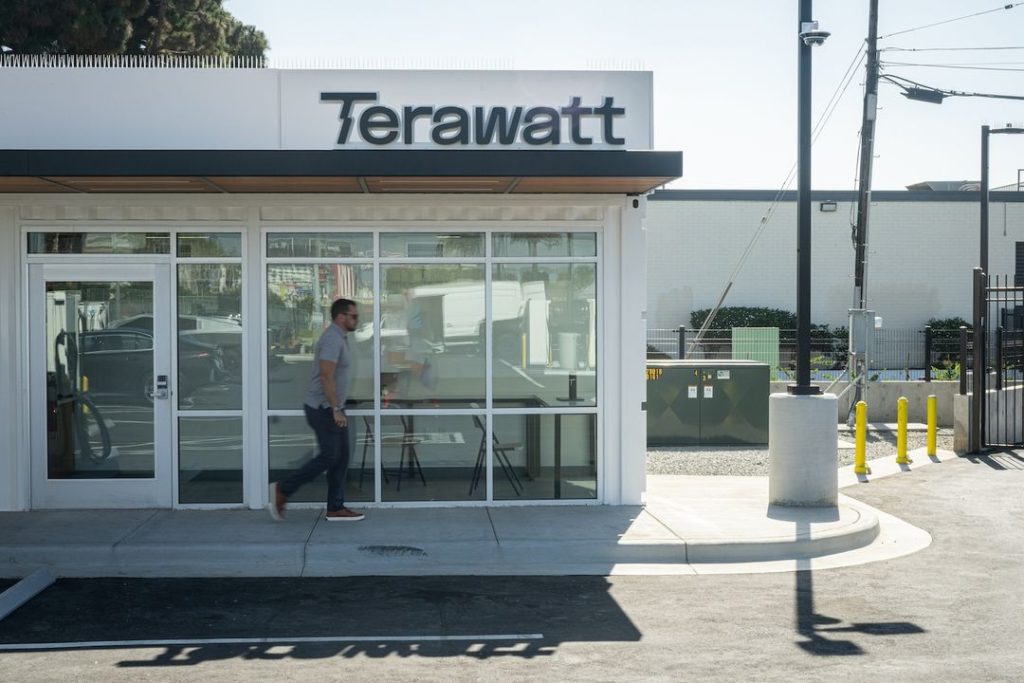
This makes charging availability a direct operational concern. If a delivery vehicle, autonomous taxi, or commercial passenger vehicle cannot recharge when required, it may miss its next scheduled trip. Dedicated depots are designed to reduce that problem by providing charging capacity at locations selected around fleet activity.
Terawatt develops complete charging facilities rather than simply leasing land with electrical connections. Its responsibilities include site acquisition and development, permitting, utility interconnection, and design and construction.
After a depot becomes operational, the company also manages charger maintenance and ongoing operations.
The company’s Charge Management Software helps coordinate charging activity and energy use. Its systems are supported by round-the-clock operations and maintenance services. This arrangement allows fleet operators to focus on their transportation businesses instead of independently managing every part of the charging infrastructure.
Charging management becomes particularly important when dozens or hundreds of vehicles share a site. Operators must allocate available power, determine when vehicles should charge, and ensure that vehicles required for upcoming shifts have sufficient energy. Software can help coordinate these requirements and reduce unnecessary charging delays.
The four new locations also demonstrate why proximity matters. Placing depots near airports, commercial districts, and major transport corridors can reduce the distance vehicles travel without passengers or cargo. These empty trips, often called deadhead miles, add operating costs without generating revenue.
For autonomous fleets, depot infrastructure is especially important. Robotaxis need regular access to charging facilities while maintaining availability for passenger trips. A charging location close to the operating area can reduce unnecessary travel between service assignments and charging sessions.
Terawatt already works with major fleet operators, including Waymo and Flexdrive by Lyft. However, the company has not identified which specific customers will use each of the four newly announced facilities. It would therefore be incorrect to assume that every new depot is exclusively dedicated to a named robotaxi operator.
The company says its wider network has delivered more than 93 million miles of electric driving range for commercial EV and autonomous vehicle fleets and dispensed more than 30 million kilowatt-hours of electricity. These are figures reported by Terawatt for its broader operations, not measurements attributable only to the four new facilities.
Terawatt Expands Its Network Across 16 U.S. Markets
The four new depots are part of a much larger development program. Terawatt says it has nearly 30 charging depots in active construction or development across 16 U.S. markets. The expansion includes California as well as metropolitan areas in the central and southern parts of the country.
This wider footprint is important because commercial fleet electrification requires infrastructure beyond a handful of major cities. Companies operating across multiple regions need charging facilities close to their vehicles, distribution centers, and service areas.
Terawatt’s approach also tackles one of the key challenges in building large-scale charging facilities, which is securing reliable connections to the electricity grid.
A depot with several megawatts of charging capacity requires substantial electrical infrastructure. Utility coordination, transformer availability, permitting, and construction can all influence how quickly a site becomes operational.
The South San Francisco project illustrates the importance of this process. Terawatt worked with PG&E to complete the site’s electrical connection ahead of its original schedule.
PG&E separately reported that the project involved installing infrastructure to support 40 DC fast chargers, including two large transformers and additional electrical cabling. The utility said its coordination helped bring the required power online five months faster than originally planned.
The company is also developing facilities for different vehicle categories. Terawatt previously opened a medium- and heavy-duty electric truck charging site in Southern California.
Its latest four-site announcement, however, focuses on commercial fleet and autonomous vehicle operations. The infrastructure requirements can differ significantly depending on vehicle size, battery capacity, and charging frequency.
This distinction matters because heavy-duty trucks generally require more energy per charging session than smaller passenger vehicles. A depot designed for commercial cars or robotaxis cannot automatically be assumed to support large electric trucks without suitable equipment, parking arrangements, and electrical capacity.
Terawatt’s expansion also comes as other companies invest in commercial charging networks. Fleet operators increasingly need reliable charging access before committing large numbers of vehicles to electric powertrains.
The availability of suitable depots can influence where businesses introduce electric vehicles and how many they can operate.
CEO and co-founder Neha Palmer said the company expects more sites to come online in 2027. Terawatt has not published a complete schedule identifying the next locations or their individual capacities, but its nearly 30-site development pipeline indicates that the four new facilities are part of a longer expansion strategy.
The main challenge will be converting planned capacity into reliable daily operations. Grid availability, charger maintenance, electricity costs, and customer demand will determine how effectively each depot is used.
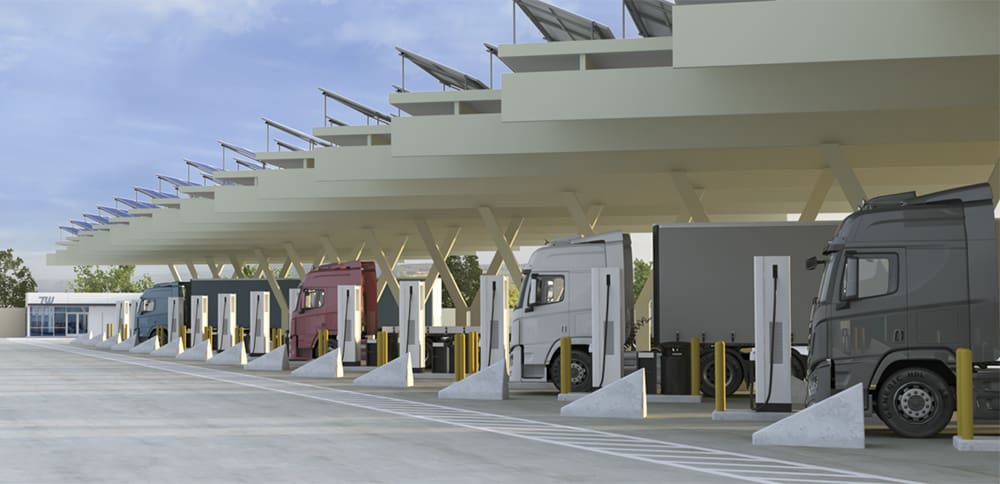
A large charging facility only provides value when fleet vehicles can access it consistently and complete their charging sessions without disrupting operations.
Terawatt’s latest expansion adds important infrastructure in four U.S. markets, with approximately 22 MW of combined capacity and a stated ability to serve more than 3,000 vehicles daily.
The rollout also demonstrates that commercial electrification depends on much more than producing electric vehicles. Dedicated depots, reliable grid connections, and charging management systems are becoming essential parts of the transportation industry.
As Terawatt continues developing its network, its ability to bring additional sites online efficiently will help determine how much support it can provide to America’s growing electric and autonomous fleets.
