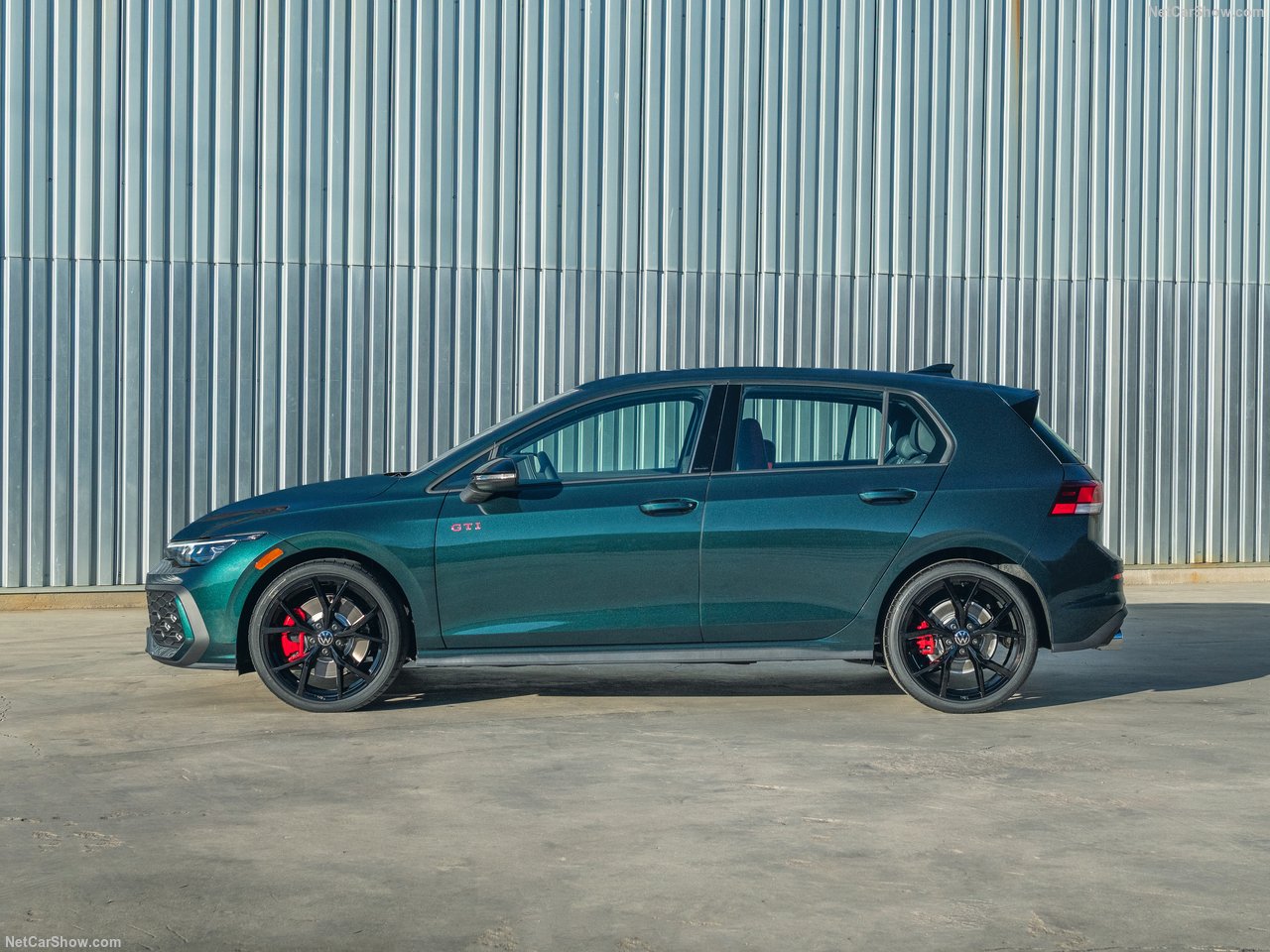
Volkswagen is bringing back one of the most recognizable names in American Golf GTI history with the 2027. 5 Rabbit Edition. Revealed at the 2026 Los Angeles Auto Show, this limited-edition hot hatch combines retro-inspired styling with chassis equipment borrowed from the more expensive GTI Autobahn.
The changes go beyond a special badge and paint finish, giving buyers a different combination of appearance and handling hardware within the GTI lineup.
However, Volkswagen has kept the familiar turbocharged engine, so the Rabbit Edition is not a higher-horsepower version. Instead, its appeal comes from its distinctive design, upgraded suspension, and connection to the original American Rabbit GTI.
The Rabbit Name Returns With a Distinctive American Identity
The Rabbit name has a long history in Volkswagen’s North American lineup. When the first-generation Golf arrived in the United States in 1974, Volkswagen marketed it as the Rabbit rather than using the Golf name adopted in many other countries.
The name became particularly memorable among enthusiasts when the Rabbit GTI arrived for the 1983 model year. Produced at Volkswagen’s Westmoreland, Pennsylvania, factory, the early hot hatch helped establish the compact performance-car formula in the American market.
The original Rabbit GTI was designed with a straightforward philosophy. It combined the practicality of a small hatchback with a more powerful engine, sharper handling, and a lightweight build to create a car that was both fun and enjoyable to drive.
Its combination of everyday usability and responsive driving helped establish the GTI’s reputation among American enthusiasts. Volkswagen says the new edition is intended to recognize that history while giving the modern car its own identity.
The Rabbit name has appeared in other Volkswagen products and special editions over the years. More recently, the automaker introduced a 2019 GTI Rabbit Edition for the U.S. market, which was limited to 3,000 examples.
That model used distinctive styling details and equipment to separate it from the regular GTI range. The 2027.5 version continues the idea, although Volkswagen has not announced a numerical production limit for the new car. It has only described it as a limited-edition model.
The new Rabbit Edition sits between the GTI S and SE trims, giving customers another choice without requiring them to move to the top-level Autobahn. This positioning is important because the special model combines equipment normally associated with the more expensive version with a distinctive appearance package.
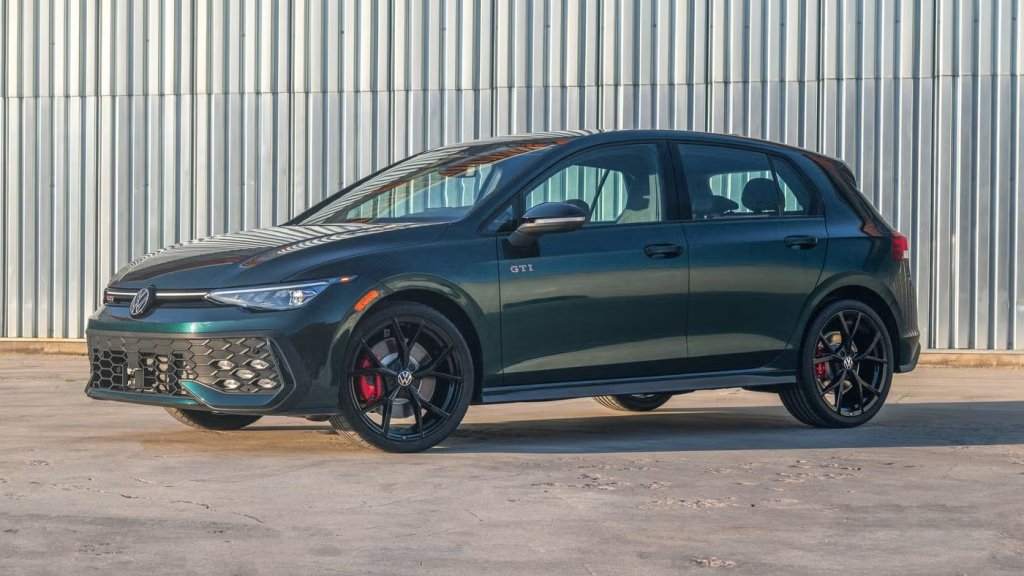
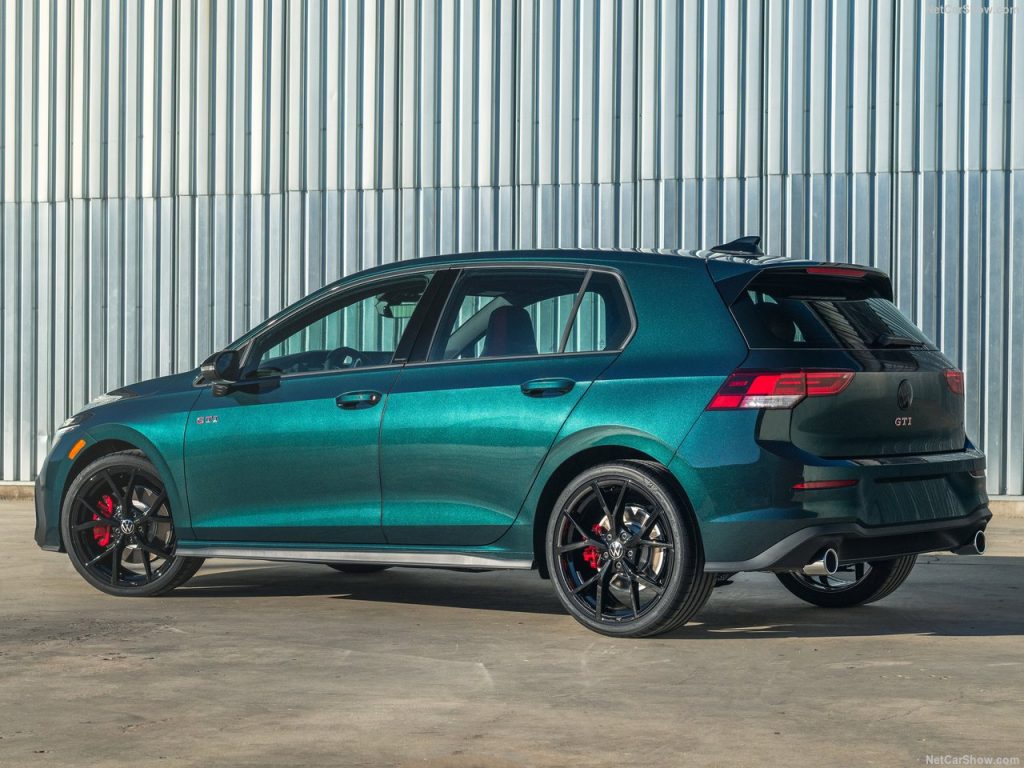
Its exclusive exterior color is Dark Moss Green Metallic, a shade also used on Europe’s Golf GTI Edition 50. The green finish gives the car a different look from the more familiar GTI colors and helps distinguish it from standard versions. Volkswagen has paired it with extensive black detailing, replacing the red exterior accents found on other GTI models.
The front grille and headlight elements receive black finishes, while the front and rear Volkswagen emblems borrow their appearance from the Golf R Black Edition. The black treatment continues across the wheels, mirror caps, and roof.
At the rear, a small chrome Rabbit badge on the tailgate provides a direct reference to the model’s heritage.
Inside, Volkswagen has added GTI Clubsport-inspired ArtVelours seating surfaces. The material gives the cabin a more performance-focused appearance while separating the Rabbit Edition from the standard interior specification.
These changes are primarily visual, but they help make the special model recognizable without relying on exaggerated bodywork or a large exterior graphics package.
Adaptive Damping and Golf R Wheels Bring Meaningful Chassis Upgrades
The most important changes to the Rabbit Edition are not found in its exterior styling. Volkswagen has equipped the car with Dynamic Chassis Control, commonly known as DCC, an adaptive damping system that is normally associated with the higher GTI Autobahn trim in the U.S. lineup.
Unlike conventional fixed-rate dampers, adaptive damping allows suspension behavior to change according to driving conditions and the selected vehicle settings. The system can adjust how firmly the suspension responds, helping balance comfort during everyday driving with more controlled body movements when the driver wants a sportier setup.
This is particularly relevant in a front-wheel-drive performance hatchback. During quick direction changes, hard cornering, or driving over uneven pavement, suspension control can influence how confidently the car responds.
Adaptive damping gives the driver a wider range of adjustment than a conventional fixed suspension arrangement. Volkswagen says the Rabbit Edition’s chassis upgrades are intended to enhance cornering performance.
The special edition also receives 19-inch wheels borrowed from the Golf R. They are finished in black and fitted with summer performance tires. The larger wheel and tire package gives the car a more aggressive stance, but the more important difference is the tire specification.
Summer performance tires are designed to provide grip in warmer conditions, making them better suited to enthusiastic driving on dry and wet roads than many all-season alternatives.
There is a practical trade-off, however. Summer tires are not designed for freezing temperatures and snow. Drivers in colder parts of the United States may need a separate winter tire setup if they intend to use the car throughout the year.
Larger wheels can also mean less tire sidewall, which may make impacts from potholes more noticeable and replacement tires more expensive.
The combination of DCC and 19-inch wheels makes the Rabbit Edition more than a cosmetic package. It brings two desirable chassis features to a position below the Autobahn trim, giving buyers access to upgraded suspension and wheel equipment without automatically moving to the top of the GTI range.
Volkswagen has not announced any changes to the braking hardware, steering calibration, or other major chassis components specifically for this edition. It is therefore important to distinguish the confirmed equipment from assumptions about a more extensively modified performance model.
The Rabbit Edition’s upgrades are meaningful, but they do not turn it into a different mechanical version of the GTI.
The Familiar Turbocharged Engine Remains, With Sales Planned for 2027
Under the hood, the 2027.5 GTI Rabbit Edition retains the familiar EA888 2.0-liter turbocharged four-cylinder engine.
Volkswagen’s announcement confirms that the powertrain remains unchanged, with output listed at 241 horsepower and 273 lb-ft of torque. Power is sent to the front wheels through a seven-speed dual-clutch automatic transmission.
That means buyers should not expect a horsepower increase over the regular U.S.-market GTI. The Rabbit Edition is focused on chassis equipment, appearance, and heritage rather than additional engine performance.
Its 241-hp output also separates it from the European Golf GTI Edition 50, which uses a more powerful engine specification. The European model’s output should not be confused with the American Rabbit Edition’s figures.
The seven-speed DSG transmission provides rapid automatic gear changes and fits the GTI’s performance-oriented character. However, the new special edition does not bring back a manual transmission. Buyers looking for a three-pedal GTI will not find that option in this announced U.S. Rabbit Edition specification.
Volkswagen has also not released official acceleration figures, top speed, fuel-economy ratings, or detailed weight figures specifically for the Rabbit Edition.
Since the engine and transmission remain unchanged, its performance should be closely related to the corresponding GTI configuration, but the larger wheels and summer tires may influence real-world ride and handling characteristics. Final comparisons will be clearer once full specifications and independent testing become available.
The company plans to put it in 2027. 5 Rabbit Edition is on sale in the second quarter of 2027. Pricing will be announced closer to launch.
Volkswagen has not confirmed how many examples will be built, so buyers should not assume that the new edition will follow the 3,000-unit production cap used for the 2019 model.
Its U.S.-only status is another important part of the launch. Volkswagen has not announced plans to sell the Rabbit Edition in Europe or other international markets.
Canadian buyers will get a slightly different version. Volkswagen has confirmed that the Canadian GTI Autobahn will be offered in Dark Moss Green, along with a new Black Edition package that adds several black exterior styling elements inspired by the Rabbit. However, this version will have a different specification from the special edition offered in the United States.
For U.S. enthusiasts, the new Rabbit Edition offers a combination that has a clear purpose. It revives a name associated with the GTI’s early American success, adds an exclusive color and blacked-out design, and brings adaptive damping and Golf R wheels to a lower position in the lineup.
It does not deliver more engine power, but it gives the familiar hot hatch a different personality and additional chassis equipment.
The final value will depend heavily on Volkswagen’s pricing decision. If the Rabbit Edition is positioned appropriately between the S and SE trims, it could appeal to buyers who want the upgraded suspension and distinctive appearance without stepping up to the Autobahn.
Based on the details confirmed so far, the 2027.5 Rabbit Edition focuses primarily on improved handling and distinctive styling rather than increased engine performance. It is not intended to be a more powerful successor to the original Rabbit GTI.