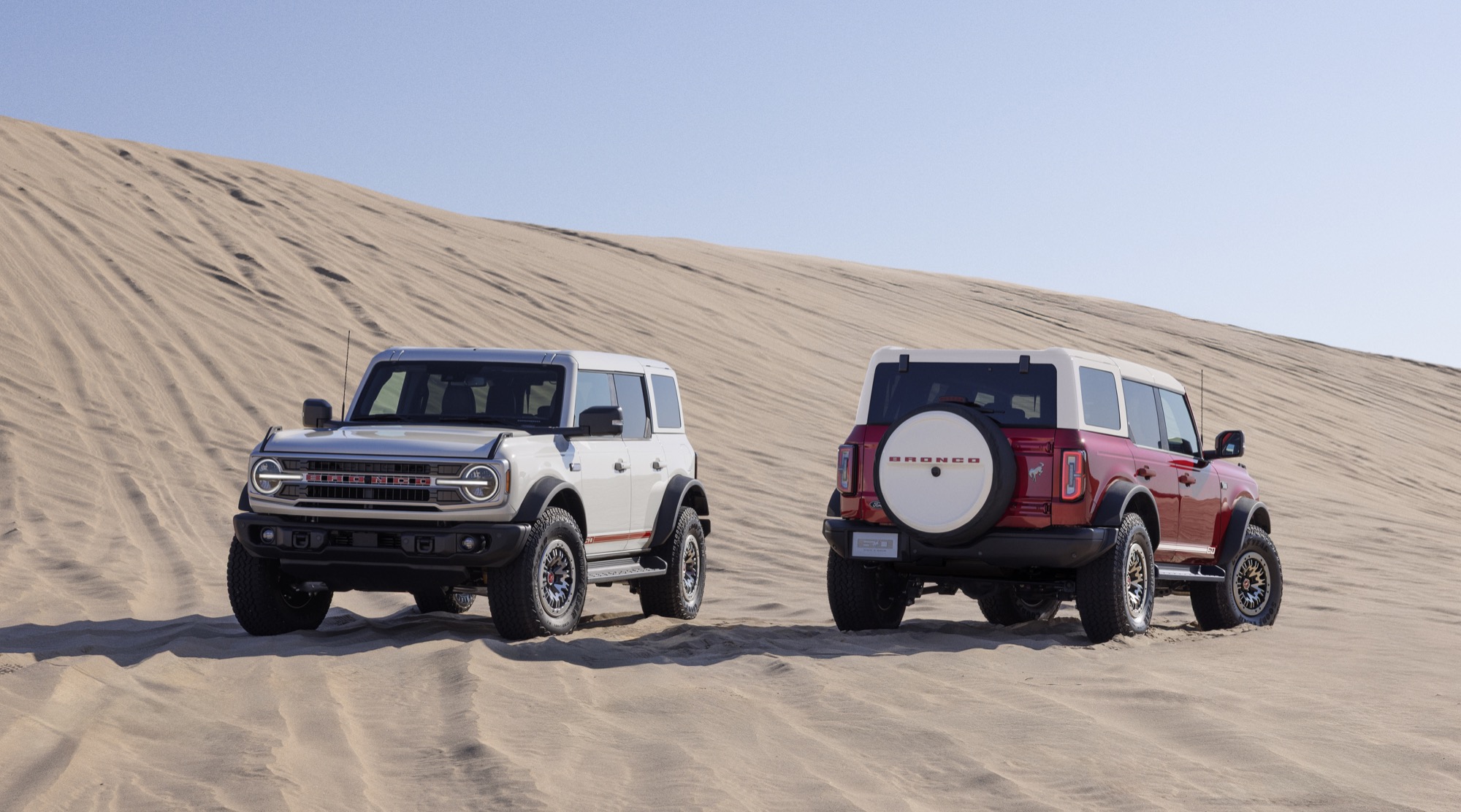
Ford is considering a larger role in America’s defense manufacturing sector as it looks beyond traditional passenger vehicles for new business opportunities. The automaker has confirmed discussions with the U.S. Department of Defense about supplying specialized military vehicles and other defense products.
It is also preparing to work with space systems contractor Revolution Space on advanced satellite development following a minority investment in the company.
The discussions come amid a wider Pentagon effort to involve major American manufacturers in expanding military production, including the supply of components for unmanned systems. No new military supply contracts have been confirmed.
Ford Discusses Military Vehicle Supply With the Pentagon
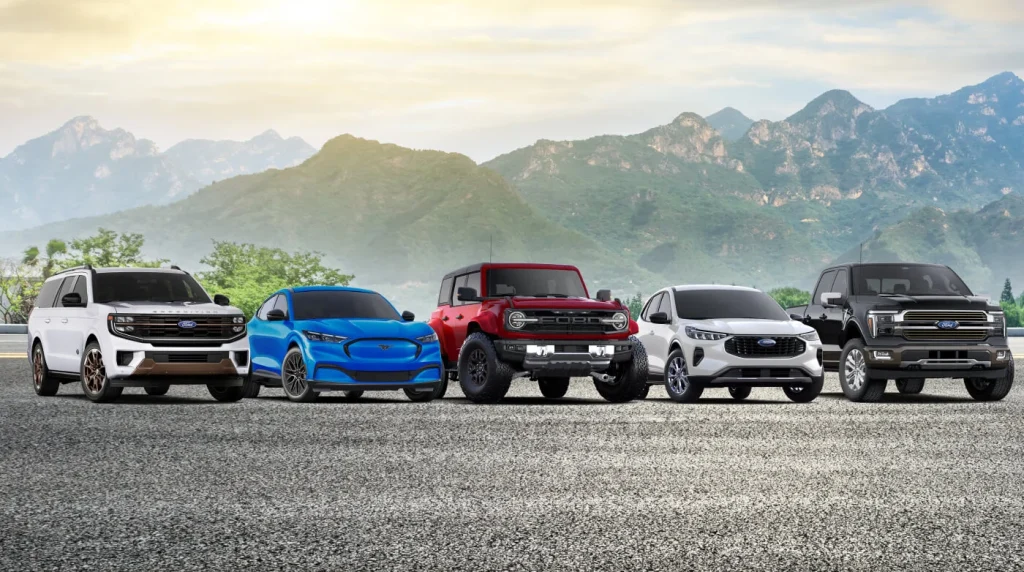
Ford confirmed on November 24 that it had held discussions with the Pentagon about supplying highly capable military vehicles and other defense products. The company said the conversations also involved potential cooperation with Revolution Space on advanced satellite development.
The announcement offers a clearer picture of Ford’s immediate interests as the U.S. government looks to bring more domestic manufacturing capacity into its defense supply chain.
The discussions do not mean Ford has secured a military vehicle order or received a confirmed production contract.
The company has not disclosed which vehicles could be involved, how many units the Pentagon might require, or whether existing commercial platforms could be adapted for military use. Details about potential delivery schedules and financial terms are also unavailable.
Ford has considerable experience manufacturing vehicles at scale, which could be relevant to military requirements involving transport, logistics, and specialized mobility. Its existing production facilities, engineering teams, and supplier network could offer capabilities that defense agencies want to use.
However, military vehicles often require equipment and engineering standards that differ substantially from those of civilian pickups and SUVs. Protection systems, communications equipment, specialized suspension components, and reliability requirements can all demand additional development.
The discussions also reflect a broader effort to make greater use of American industrial capacity.
Defense manufacturers traditionally handle much of the design and production of military equipment, but the Pentagon is looking at whether established commercial companies can help increase output and strengthen supply chains.
Automakers are attractive potential partners because they already operate factories designed for high-volume manufacturing.
Ford’s interest is not entirely new. American automakers have previously supported military production during periods of national mobilization. During World War II, Ford and General Motors redirected manufacturing facilities toward military equipment, including aircraft engines, trucks, and other products.
The current discussions are different in scale and technology, but they reflect a similar interest in using established industrial infrastructure for defense-related manufacturing.
For now, Ford’s confirmed discussions should be distinguished from the wider reports about potential drone production. The company has acknowledged talks about military vehicles and defense products, but it has not announced an agreement to manufacture complete weapons systems or military drones.
Pentagon’s Wider Push Could Bring Automakers Into Drone Production
The Ford announcement follows a Wall Street Journal report that the Pentagon has been speaking with Ford, General Motors, Magna International, and other manufacturers about helping increase U.S. military drone production.
According to the report, automakers and suppliers could provide components such as actuators, engines, sensors, motors, and lidar systems to companies that develop unmanned aircraft.
Reuters reported the discussions but said it could not independently verify the full details. No agreements had been finalized at the time of reporting.
The interest in automotive manufacturers comes from the difference between traditional vehicle production and the current scale of demand for military drones. Automakers are accustomed to producing large numbers of complex components while controlling costs and maintaining consistent quality.
The Pentagon wants to determine whether those capabilities can help drone manufacturers increase output without depending entirely on specialized defense contractors.
General Motors is reportedly considering whether it could manufacture motors for drones. The company has also been discussing possible defense-related arrangements with RTX and L3Harris, according to the Wall Street Journal report.
Defense officials have separately met with Ford and Magna representatives as part of the wider manufacturing discussions. These conversations suggest that the Pentagon is examining several possible ways to involve commercial industry rather than relying on one manufacturer.
GM already has experience supplying defense components. Earlier in 2026, its defense business worked with Lockheed Martin on housing components for the Patriot missile system. Lockheed Martin said the initial components were delivered 22 days after the agreement was reached.
That project demonstrates how an established manufacturer can contribute production capacity to an existing defense program without necessarily becoming responsible for designing the complete weapon system.
However, moving from automotive production to defense manufacturing is not as simple as using the same factory equipment. Military components must meet strict performance, durability, and reliability requirements.
Suppliers may need additional certifications, specialized materials, and secure production processes. Some systems also depend on components that commercial automotive supply chains are not designed to provide.
There are business considerations as well. Defense contracts can involve lengthy qualification processes, uncertain production volumes, and complex government procurement requirements.
Automakers must determine whether potential revenue justifies the investment and whether the work fits their existing operations.
The Wall Street Journal reported that automotive executives have shown mixed reactions to the Pentagon’s outreach, with concerns about profitability and the commercial risks of entering the defense supply chain.
For Ford, the immediate confirmed opportunity remains focused on military vehicles and other defense products. Any participation in drone manufacturing would require further discussions and a formal agreement.
Revolution Space Investment Gives Ford Another Route Into Defense and Space
Ford’s plans extend beyond military vehicles and drone components. On November 23, the company announced that its Industrial Platform subsidiary had signed an agreement to make a minority investment in Revolution Space, a U.S.-based space systems contractor.
The partnership is intended to combine Ford’s manufacturing and engineering capabilities with Revolution Space’s spacecraft development expertise.
The agreement focuses on helping Revolution Space scale production of its next generation of spacecraft. Ford expects to contribute capabilities in design, engineering, manufacturing, and supply-chain management.
Those skills could help the space contractor move from specialized production toward a more repeatable manufacturing process.
Satellite development has become increasingly important for both government and commercial customers. Spacecraft support communications, navigation, Earth observation, scientific research, and national security operations.
As demand for these services grows, manufacturers are looking for ways to produce satellite systems more efficiently and increase the number of units that can be built.
Ford’s participation could provide Revolution Space with access to industrial expertise developed through decades of automotive manufacturing. Producing vehicles in large volumes requires careful coordination between suppliers, production lines, quality-control teams, and engineering departments.
Some of those principles can be adapted to spacecraft manufacturing, although satellites require specialized components and testing standards that are very different from those used in passenger vehicles.
The investment also fits Ford’s broader interest in expanding beyond the traditional automotive business. Vehicle manufacturers face pressure from competition, changing consumer demand, and the high costs of developing new technologies.
Working with companies in space and defense could provide additional opportunities to use existing industrial capabilities in markets with different demand cycles.
The financial terms of Ford’s minority investment in Revolution Space have not been disclosed. The companies have also not announced specific satellite production volumes, contract values, or delivery dates.
The agreement should therefore be viewed as a strategic partnership rather than evidence that Ford has already secured a major satellite manufacturing order.
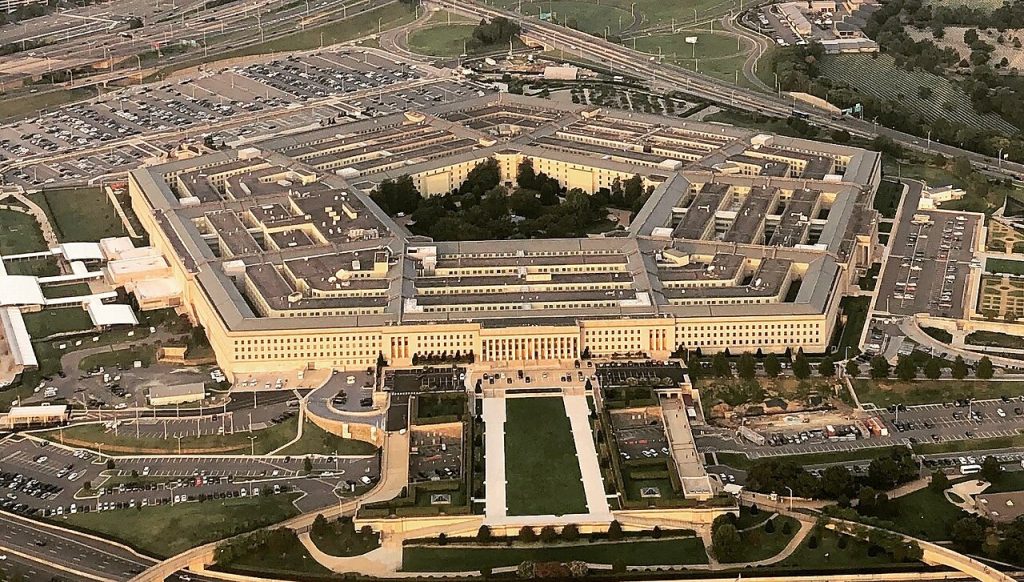
The Pentagon discussions and Revolution Space investment represent related but separate developments. Ford has confirmed talks about military vehicles and defense products, while its agreement with Revolution Space establishes a commercial partnership focused on spacecraft manufacturing.
The wider discussions involving drone components remain preliminary, with no confirmed contracts for Ford.
The next steps will depend on whether these conversations develop into formal agreements and whether the companies can meet the technical and financial requirements of defense and space customers.
For Ford, the opportunity is to apply its manufacturing expertise in industries beyond conventional vehicles. For the Pentagon and its suppliers, involving established manufacturers could provide another route to expanding domestic production capacity.