
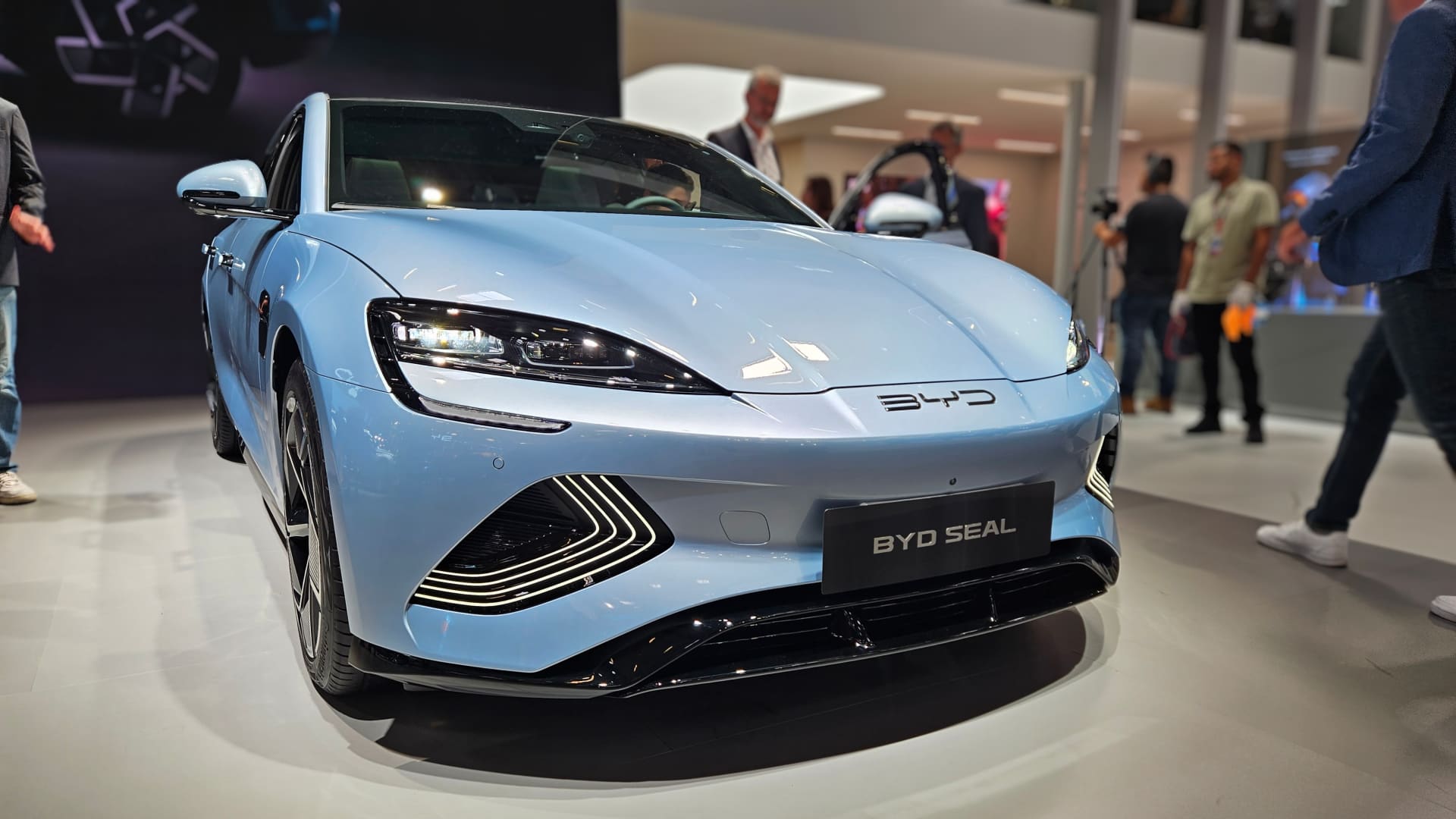
BYD is taking a significant step in its European expansion, entering exclusive negotiations to acquire INEOS Automotive’s Hambach factory in northeastern France. The facility currently builds the Grenadier SUV and Quartermaster pickup, but a change of ownership could give the Chinese automaker an established production base inside the European Union.
The site employs just under 900 people and has a history stretching back to its days producing Smart cars for Mercedes-Benz.
The proposed transaction is not yet complete and remains subject to consultation with employee representatives. For BYD, Hambach could offer a faster route to local manufacturing than building an entirely new factory.
BYD Targets an Established French Automotive Factory
BYD confirmed on November 24 that it had entered exclusive negotiations with INEOS Automotive to acquire the Hambach manufacturing site. The announcement marks an important development in the Chinese automaker’s European strategy as it looks to increase the number of vehicles it can build within the region.
BYD intends to manufacture vehicles at the French facility specifically for European customers, bringing its electric mobility technology closer to the market.
The factory is located in Hambach, in France’s Moselle region near the German border. Mercedes-Benz originally established the site in the late 1990s to manufacture smart city cars. INEOS acquired the plant from Mercedes-Benz in 2020 and adapted it to produce the Grenadier, a body-on-frame off-road SUV inspired by traditional 4x4s.
Production began in 2022, and the facility also builds the related Quartermaster double-cab pickup.
The site employs just under 900 workers, according to INEOS and Reuters. Its existing workforce, equipment, and automotive production infrastructure make it attractive to BYD.
Acquiring an operational factory could allow the company to expand European manufacturing more quickly than starting with an empty site, although the plant would still need to be adapted for whichever BYD models are eventually selected.
BYD Executive Vice President Stella Li said the proposed investment reflects the company’s long-term commitment to Europe and confidence in France. The automaker has also stated that it wants to maintain industrial activity at Hambach, support local employment, and create opportunities for regional suppliers.
These assurances are important for a site whose future has been uncertain as INEOS prepares to move production of its off-road vehicles to the United States.
Neither company has disclosed the financial terms of the proposed acquisition. BYD has also not announced which models it intends to manufacture at Hambach, when its own production could begin, or how many vehicles it expects the site to build.
Those decisions will depend on the final transaction and the investment required to prepare the factory for a different product range.
Why Hambach Matters to BYD’s European Expansion
The acquisition would give BYD another manufacturing foothold in Europe at a time when local production is becoming increasingly important for global automakers.
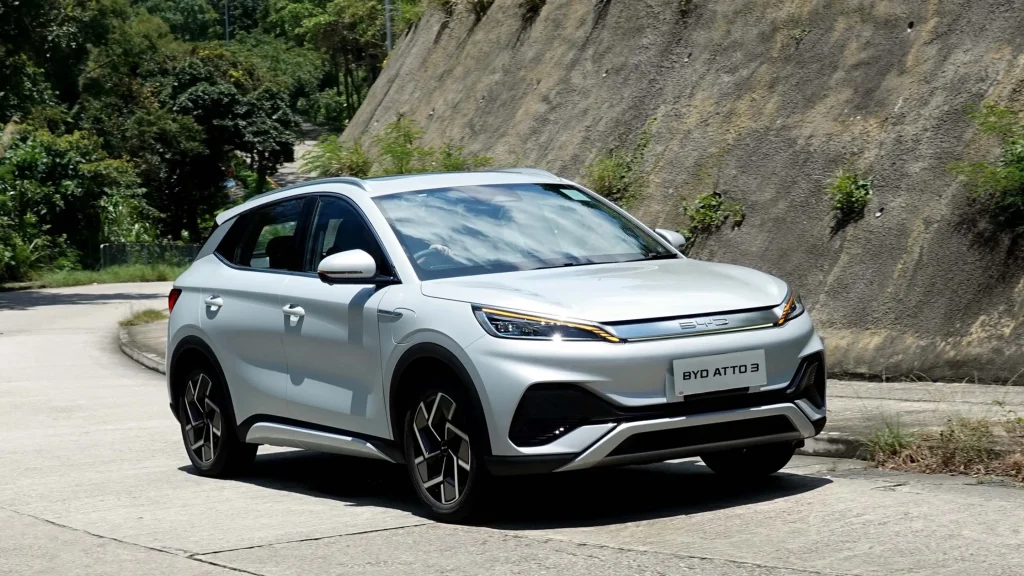
The company is already preparing to begin mass production at its new factory in Szeged, Hungary, with output expected to start in early 2027. Hambach could complement that operation and provide additional capacity in a major European automotive market.
Producing vehicles within the European Union could help BYD manage trade barriers and changing regulatory requirements. Battery-electric vehicles imported from China have faced additional EU duties, while policymakers are discussing local-content conditions for access to certain subsidies and public contracts.
Establishing production in France would give BYD a stronger position as these rules develop, although the precise benefits would depend on the final regulations and the sourcing of components used in vehicles built there.
The French factory could also help BYD respond more quickly to demand from European dealers. Reuters cited automotive analyst Mathias Schmidt, who described the acquisition as a fast route to maintaining inventory supply, particularly because BYD has significant exposure to imported plug-in hybrid vehicles.
Local manufacturing can reduce dependence on long-distance shipping and provide a more direct way to supply regional markets. It can also support relationships with local suppliers and help the company respond to market-specific requirements.
The move would distinguish BYD from several Chinese competitors that have chosen partnerships or production agreements rather than acquiring an existing factory.
Reuters reported that Dongfeng plans to build vehicles at a Stellantis facility in France, Leapmotor is set to produce electric vehicles at a Stellantis plant in Spain, and Geely is expected to use a Ford assembly plant in Spain.
BYD’s proposed purchase of Hambach would instead give it control of an established European manufacturing site, subject to completion of the deal.
BYD’s European growth provides another reason for expanding production. Local manufacturing could help it compete with established brands on delivery times, product availability, and market responsiveness.
But buying a factory does not automatically guarantee that it will become a high-volume operation. BYD will need to determine which vehicles suit the site, how much retooling is necessary, and whether the local supply chain can support its production plans.
What the Deal Means for INEOS and the Hambach Workforce
For INEOS Automotive, the proposed sale is part of a wider manufacturing transition. The company has separately announced plans to begin producing the Grenadier and Quartermaster in the United States in 2028.
America represents around 70% of global Grenadier sales, making it the company’s largest market. Moving production closer to those customers could reduce the burden of importing finished vehicles from France, particularly given the tariffs affecting the Quartermaster pickup.
However, the French factory is not expected to stop building INEOS vehicles immediately if the sale goes ahead. INEOS has said that Grenadier and Quartermaster production would continue at Hambach for the medium term.
This arrangement would give the company time to establish its U.S. manufacturing operation while allowing BYD to take ownership of a functioning facility. The transition period is also important for workers and suppliers whose businesses currently depend on the plant.
The proposed transaction remains subject to consultation with the relevant employee representative bodies, often referred to as works councils in France. BYD has publicly stated that it intends to support local jobs and maintain industrial activity at the site.
Those commitments will be closely watched by employees, suppliers, and regional officials, particularly because a change in ownership can bring new production priorities and organizational changes.
French President Emmanuel Macron welcomed the negotiations, describing the development as evidence that the country’s industrial and automotive policies are attracting investment.
For France, securing a new owner for an established automotive plant could help preserve manufacturing activity in a region with an existing skilled workforce and supplier network. It would also bring a major Chinese electric vehicle manufacturer into the country’s production landscape.
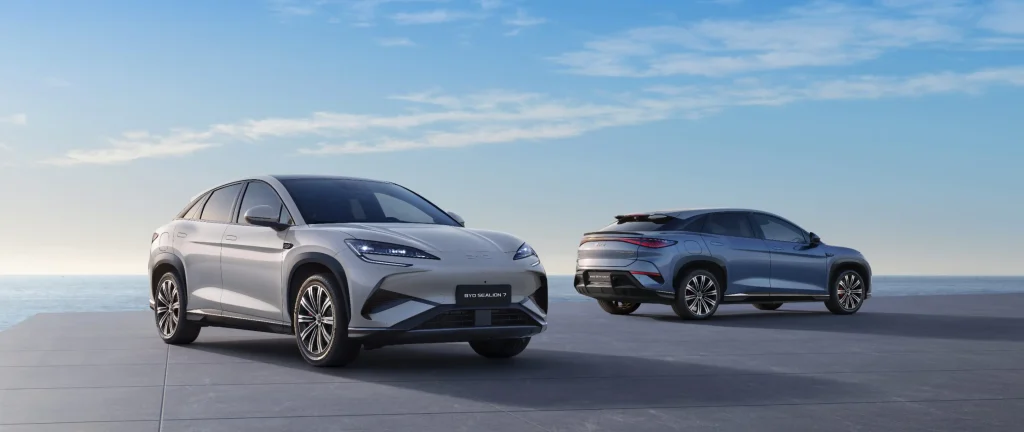
Important questions remain unanswered. BYD has not confirmed the models planned for Hambach, the scale of factory upgrades, or the timetable for its first vehicles. The acquisition price has not been made public, and the consultation process must proceed before the transaction can be completed.
Until those details are settled, the announcement should be viewed as a major step toward a deal rather than a completed takeover.
If the acquisition moves forward, Hambach could take on a very different role from the one it has held under Mercedes-Benz and INEOS. A factory once associated with small Smart City cars and later converted to build rugged 4x4s may become another center for BYD’s European vehicle production.
For BYD, it offers an established route into French manufacturing. For INEOS, it supports a shift toward U.S. production. The outcome will depend on the final agreement, but the negotiations already signal a notable change in Europe’s automotive manufacturing landscape.