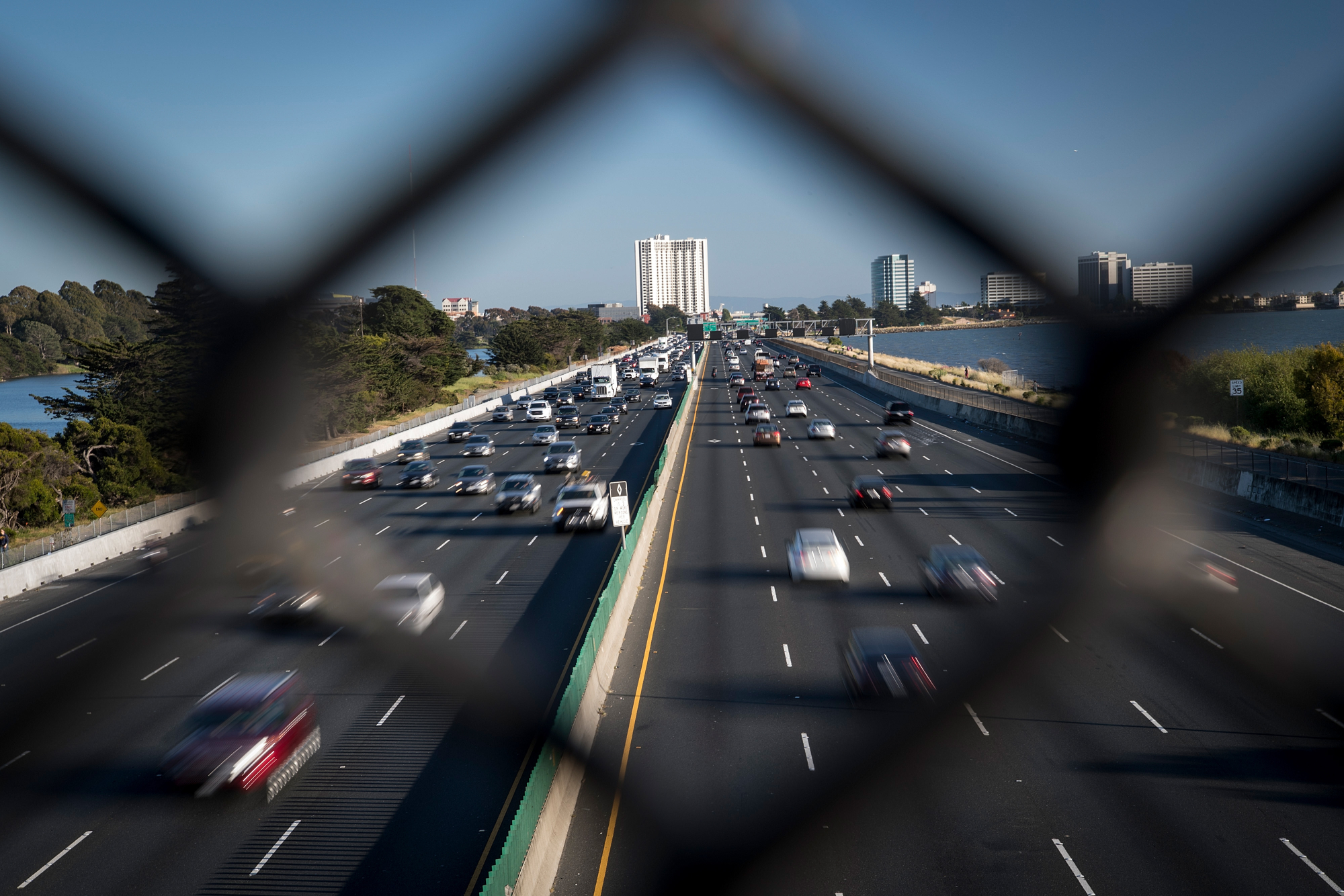
The National Highway Traffic Safety Administration (NHTSA) is proposing to give automakers two additional years to meet the United States’ new automatic emergency braking requirements.
Announced on November 24, 2026, the proposal would move the deadline for most manufacturers from September 2029 to September 2031. It also seeks technical changes to the testing and monitoring requirements for these systems.
The decision could affect how manufacturers develop safety technology and equip future cars, SUVs, and pickup trucks. However, this is a proposed change, not a final rule, so the existing compliance deadlines remain in place unless NHTSA completes the rulemaking.
NHTSA Wants to Extend the AEB Deadline by Two Years
The proposal concerns Federal Motor Vehicle Safety Standard No. 127, the federal rule covering automatic emergency braking (AEB), pedestrian automatic emergency braking (PAEB), and forward collision warning.
Under the existing standard, major automakers must comply by September 1, 2029. NHTSA now proposes moving that date to September 1, 2031. Small-volume manufacturers, final-stage manufacturers, and vehicle alterers would receive a corresponding extension from September 1, 2030, to September 1, 2032.
The distinction between the two groups matters. The later deadline for smaller manufacturers recognizes that they may have fewer engineering and testing resources than large automakers.
The proposed extension would give both groups more time to develop, calibrate, and validate systems that can meet the standard’s performance tests.
NHTSA says preliminary testing of 2025 model-year vehicles through its New Car Assessment Program found that current AEB systems do not consistently avoid contact in high-speed and low-light scenarios.
The agency says additional development time could help manufacturers address those shortcomings before the requirements become mandatory across nearly all new light vehicles.
Administrator Jonathan Morrison said the aim is to ensure the systems are thoroughly tested, reliable, and trusted by drivers.
The proposal does not mean automatic emergency braking is being removed from new vehicles. AEB is already widely available, and many manufacturers have installed it as standard equipment across much of their lineups.
The change concerns the deadline for meeting a more demanding federal performance standard, not whether automakers can continue offering the technology.
That distinction is important for consumers. A vehicle sold before the new compliance date may already include AEB, but the equipment and performance can vary by model, trim, and manufacturer. The proposed delay does not automatically change the safety equipment currently fitted to vehicles or require owners to modify existing cars.
What the Existing AEB Rule Requires
Automatic emergency braking uses sensors, typically cameras and radar, to monitor the road ahead. When the system detects an imminent collision and the driver does not respond appropriately, it can apply the brakes automatically.
Forward collision warning generally alerts the driver first, while pedestrian AEB is designed to detect people crossing or walking in the vehicle’s path.
The existing FMVSS No. 127 standard requires forward collision warning and automatic braking for lead-vehicle and pedestrian scenarios. It includes tests at different speeds and conditions, with lead-vehicle AEB performance requirements extending up to approximately 62 mph in specified test scenarios.
The standard also includes tests intended to limit false activations and requires vehicles to detect certain system malfunctions and alert the driver.
The rule was finalized in April 2024 after Congress directed NHTSA, through the 2021 Infrastructure Investment and Jobs Act, to establish minimum performance standards for crash-avoidance technology.
At the time, NHTSA estimated that the requirement could save at least 360 lives and prevent at least 24,000 injuries annually once fully implemented. Those are agency projections, not a guarantee of a particular number of lives saved in any year.
The new proposal would also make technical adjustments beyond the deadline. NHTSA is seeking to clarify allowable test-speed tolerances and establish procedures for verifying that AEB systems can identify a malfunction and notify the driver.
The agency is also requesting information about the practicality of the requirements, false-positive braking events, and potential safety risks associated with unexpected braking.
These issues are significant because AEB must work reliably in a wide range of situations. A system that fails to recognize a genuine collision risk may not provide the intended protection.
On the other hand, braking unexpectedly when there is no real danger can surprise drivers and potentially create hazards for vehicles behind them. Manufacturers therefore need to balance sensitivity with accurate detection.
Automakers Welcome Changes as Safety Debate Continues
The proposed extension follows sustained opposition from parts of the automotive industry. The Alliance for Automotive Innovation, which represents major manufacturers including General Motors, Toyota, Volkswagen, and Hyundai, filed a lawsuit in early 2025 challenging the 2024 rule.
The group argued that some performance requirements were not achievable consistently with available technology and could produce unpredictable braking behavior. The lawsuit was still pending when NHTSA announced its proposal.
One point of disagreement concerns the requirement for vehicles to avoid striking a lead vehicle at speeds up to 62 mph in specified tests. Automakers have argued that meeting the test consistently across different vehicle designs, road conditions, and sensor configurations presents substantial engineering challenges.
The industry group welcomed NHTSA’s decision to revisit the rule, saying technical changes were needed to make the requirements workable.
However, the debate is not simply about the cost of adding sensors or software. The federal standard is intended to establish a minimum level of real-world crash-prevention capability rather than merely requiring manufacturers to install equipment carrying an AEB label.
A vehicle can have automatic braking technology and still perform differently from another vehicle when confronted with a fast-closing vehicle or a pedestrian in difficult lighting.
The financial estimates also help explain why the rule has attracted attention. NHTSA previously estimated annual compliance costs of approximately $354 million while projecting lifetime net benefits of between $5.82 billion and $7.26 billion.
Reuters reported these figures as part of its coverage of the proposed delay. The estimates reflect the agency’s analysis of expected costs and safety benefits under the original rule; they are not a forecast of the cost or benefit of the newly proposed version.
The agency is now seeking public comments and performance data before deciding whether to finalize the changes. NHTSA says comments will be accepted for 60 days after the proposal is published in the Federal Register.
Submissions can be made through Regulations.gov under Docket No. NHTSA-2026-2476. The feedback may influence the final compliance schedule and the technical details of the standard.
For automakers, the proposed extension could provide more time to refine sensors, software, and vehicle calibration before the stricter requirements take effect. For buyers, it does not mean that new vehicles will suddenly lose AEB or that the technology is no longer considered important.
Many models already include the feature, and manufacturers can continue improving it ahead of the revised deadline.
The central issue is how to make automatic emergency braking dependable across a wide range of vehicles and driving conditions. NHTSA wants stronger crash-avoidance performance, while automakers are asking for requirements they believe can be met consistently without introducing unexpected behavior.
The proposal gives the industry additional time, but the outcome will depend on public comments and the agency’s next regulatory decision. Until then, the September 2029 deadline for major manufacturers remains the existing requirement, not an already-approved 2031 deadline.