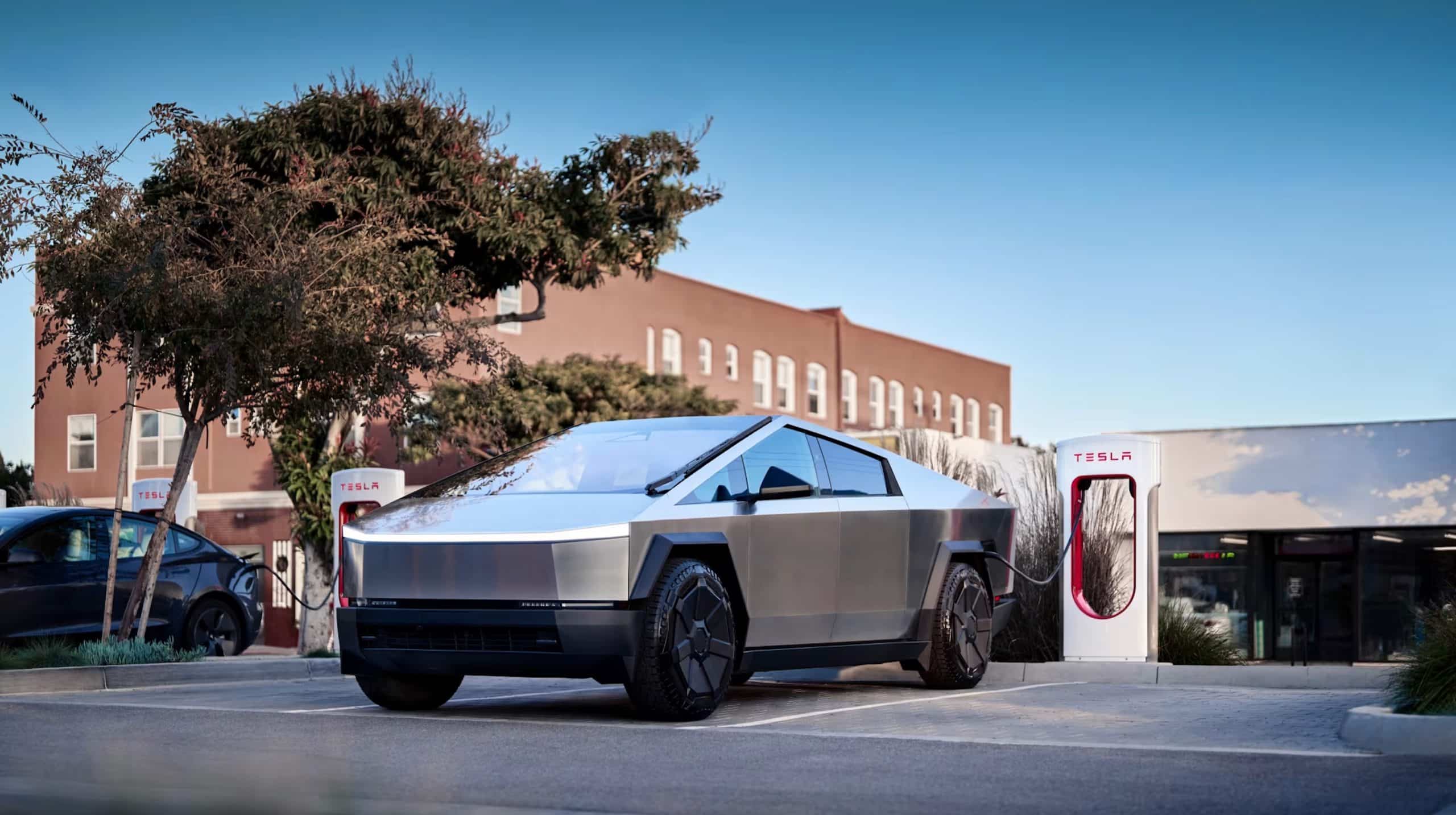
The Tesla Cybertruck is attracting buyers in the used market faster than any other pickup in America, according to a new study from iSeeCars. The electric truck averaged just 39.1 days on dealer lots, well ahead of the 65.5-day average for used pickups.
The analysis is based on more than 1.1 million used-vehicle sales recorded in October 2026. Its findings also reveal a growing trend, with pre-owned electric vehicles moving off dealer lots faster than hybrid and gasoline-powered models.
However, a shorter time on the market does not necessarily mean higher sales volumes or stronger resale values.
Cybertruck Leads the Used-Pickup Market
The iSeeCars study places the Tesla Cybertruck at the top of its fastest-selling used-truck ranking, with an average of 39.1 days between listing and sale. That is 26.4 days quicker than the average used pickup, which took 65.5 days to sell. The result puts the electric truck ahead of both traditional pickups and other electric models in the study.
The Ford Maverick Hybrid came second, averaging 43.3 days on the market. The Rivian R1T followed at 45.2 days, while the Ford F-150 Lightning averaged 47.4 days. Toyota’s gasoline-powered Tacoma was the fastest-selling conventional pickup, taking 50.1 days.
These figures show that electrified trucks occupied three of the top four positions, although the hybrid Maverick demonstrates that buyers are not choosing battery-electric vehicles exclusively.
The Cybertruck’s lead is notable because its design and size make it quite different from the pickups that traditionally dominate the American market. Its stainless-steel exterior, angular bodywork, and electric powertrain give it a distinctive position among used trucks.
Buyers looking for a vehicle that stands apart from conventional pickups may be drawn to those characteristics, while the availability of used examples at prices below their original new-vehicle cost can broaden its appeal.
The study also shows that demand is far from uniform across electric pickups. The GMC Sierra EV averaged 60.6 days, placing it ninth among the 24 trucks included.
At the other end of the ranking, the Chevrolet Silverado EV took 107.5 days to sell, making it the slowest-moving pickup in the study. The gap demonstrates why it would be misleading to assume that every electric truck enjoys the same level of used-market interest.
These rankings measure the average time vehicles spent listed for sale before being sold. They do not show the total number of Cybertrucks sold, the number available at dealerships, or whether sellers achieved their asking prices.
A model can move quickly because relatively few examples are available, because buyers are responding to attractive used prices, or because demand is strong in the markets where listings appear. The study does not establish which factor contributed most to the Cybertruck’s result.
Used Electric Vehicles Are Moving Faster Than Gasoline Models
The Cybertruck’s performance reflects a wider pattern in iSeeCars’ October data. Used battery-electric vehicles averaged 45.6 days on the market, compared with 54.5 days for hybrids and 61 days for gasoline-powered vehicles.

The average across the vehicles studied was 59.5 days. Used EVs took 15.4 fewer days to sell than gasoline models, a difference of approximately 25%.
Electric vehicles also appeared prominently in the list of the fastest-selling used models. Sixteen of the 25 vehicles at the top of the ranking were fully electric. The fastest-selling model was not a Tesla, however.
The Audi A4 Allroad led the study at 33.7 days, followed by the Lexus RX 450h+ plug-in hybrid at 35 days and the Audi Q4 Sportback e-tron at 36.3 days. The Cybertruck ranked 16th among all vehicles, not first overall.
Other electric models also recorded relatively short selling times. The Audi Q6 e-tron averaged 36.5 days, the Hyundai Ioniq 5 took 37 days, and the Kia EV9 averaged 37.8 days. Tesla’s Model 3 and Model Y recorded 39.5 and 39.8 days, respectively.
The results suggest that the used-market advantage is not limited to one manufacturer or one vehicle category.
There are several possible reasons behind the stronger performance of used EVs. iSeeCars executive analyst Karl Brauer pointed to sustained high gasoline prices and the lower used prices of electric vehicles.
A substantial reduction from a vehicle’s original new-car price can make a previously expensive EV more accessible to second-hand buyers.
At the same time, shoppers who want to reduce their spending on gasoline may see an electric vehicle as an attractive alternative, particularly if they have access to convenient home or workplace charging.
Depreciation can therefore have two different effects. It can hurt the original owner by reducing the vehicle’s resale value, but it can also make the same vehicle more appealing to a second-hand buyer.
That distinction is important when interpreting the study. Faster sales do not mean used EVs are retaining their value better than gasoline vehicles. They may instead be selling quickly because their current prices offer buyers a more compelling proposition than their original sticker prices.
The findings also challenge the idea that all used EVs struggle to find buyers. In this particular October sample, electric vehicles moved faster on average than both hybrids and gasoline vehicles. However, the slowest-selling list included several electric and electrified models, showing that purchase price, vehicle type, brand, and individual market conditions still matter.
What the Study Does and Does Not Tell Buyers
The iSeeCars analysis covered more than 1.1 million sales of used vehicles that were one to five years old during October 2026. Researchers measured how long vehicles were listed for sale on the platform and calculated average days on market by model, vehicle type, and drivetrain.
Heavy-duty vehicles, low-volume models, and vehicles discontinued before the 2025 model year were excluded from the analysis.
That methodology provides a useful snapshot of how quickly listed vehicles are selling, but it has limits. The results are not a complete count of every used-vehicle transaction in the United States, and the average days-on-market figure should not be confused with a national sales ranking based on total units.
It also does not reveal how much buyers negotiated off the advertised price or whether a vehicle was sold by a franchised dealer, independent retailer, or another seller.
The study’s contrasting results for electric pickups underline why shoppers should compare individual models rather than rely on a broad powertrain label. The Cybertruck averaged 39.1 days, while the Silverado EV took 107.5 days.
A buyer considering either truck still needs to examine the purchase price, remaining battery warranty, vehicle condition, charging access, insurance costs, and expected depreciation. The speed at which other examples sell cannot replace those checks.
The timing of the data matters, too. The study covers October 2026, so it describes market activity during that month rather than current listings or future demand. Changes in used supply, vehicle pricing, and consumer expectations could alter the picture in subsequent months.
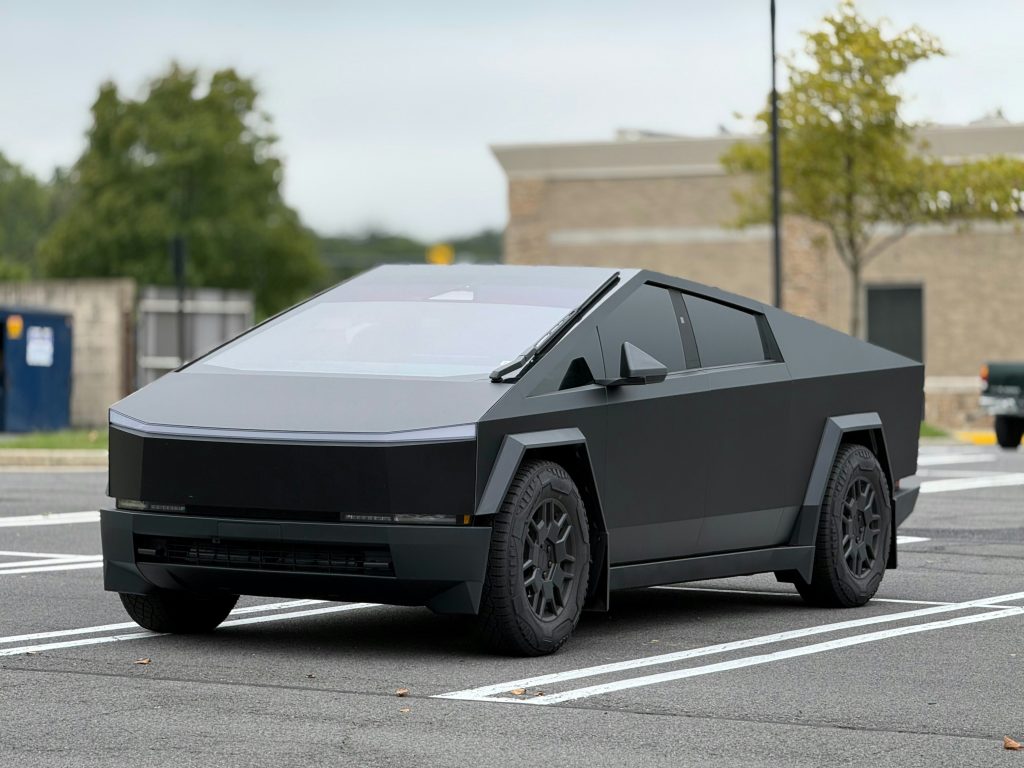
For Tesla, the result is a notable showing for a vehicle that has attracted considerable debate since its launch. The iSeeCars data indicate that used examples are currently finding buyers relatively quickly.
The wider takeaway is that the second-hand EV market may be developing differently from the new-vehicle market. Lower used prices and the potential for reduced fuel costs can make electric models attractive to shoppers who previously considered them too expensive.
Still, the October figures represent one month of activity, not a permanent shift in buyer behavior. Whether the Cybertruck can maintain its lead will depend on supply, pricing, competition, and buyer confidence.
For now, it holds the fastest-selling used-pickup position in the iSeeCars study, while used EVs as a group are spending less time on the market than their hybrid and gasoline counterparts.